

comedy
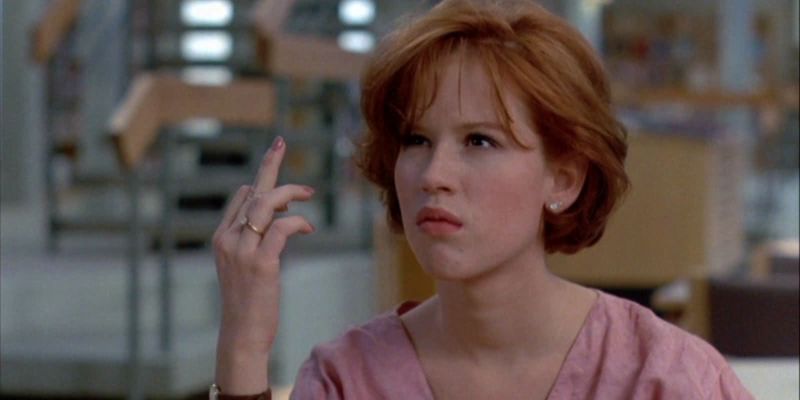
John Hughes had the innate ability of tapping into the voice of a generation unlike any other director I’ve seen. His movies continue to make a lasting impact on the film industry – and it’s easy to see why. Ferris Bueller’s Day Off, The Breakfast Club, Pretty In Pink and a plethora of other “teen” films that redefined the genre, gave thousands of hearts and minds a voice – something coveted if you were an angsty teen growing up in the mid-eighties.
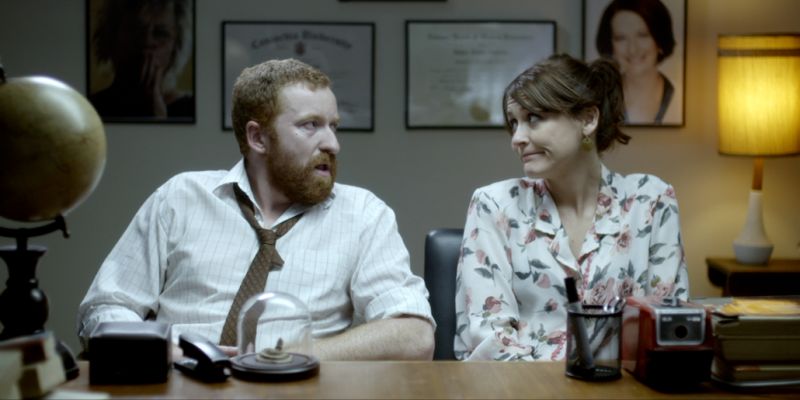
In this darkly comic short film, director Jackson Mullane explores the age-old question of ‘would you live your life differently if you knew you had two weeks to live?’ Red Nuts features Kevin MacIsaac as Sam, a thirty-something ginger-headed nobody watching helplessly from a rut in his life as his marriage falls apart. But when he is diagnosed with a terminal illness, he embarks on a night of debauchery and anarchy, sticking his middle finger up at the rules and living his life to the full.
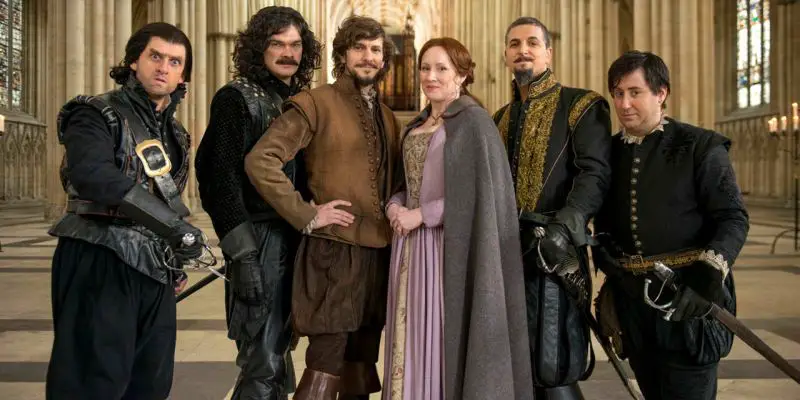
Bill is the first feature film from the comedy team behind Horrible Histories, a TV show which I have just this year become a huge fan of. For those of you not familiar with it, Horrible Histories is in theory a kid’s history show based on the books of Terry Deary. But what it actually is, is an incredibly funny and informative sketch show that appeals to adults and children alike.
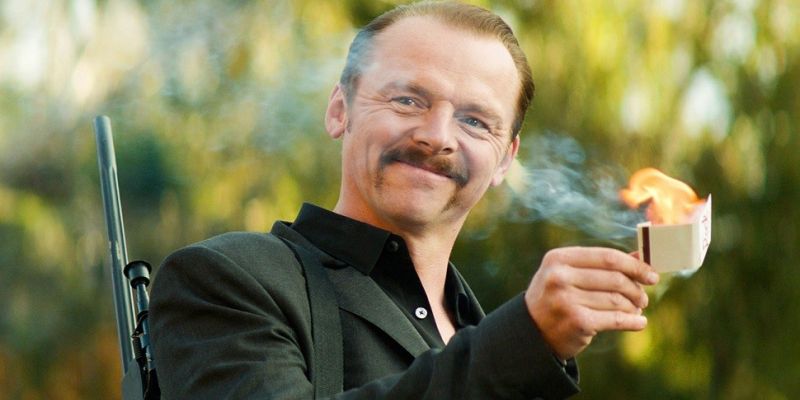
Kill Me Three Times is a film which is the right step forward for Australian cinema, done in the worst way possible. For the past decade, Australia has lacked films that have managed to cross international borders and bring new talent to life, which is a process which used to happen back in the day, from George Miller to Phillip Noyce. The only significant films of the past 10 years to really make any impact are David Michôd’s Animal Kingdom, which reminded audiences and filmmakers of the acting talents of Ben Mendelsohn and Jacki Weaver, who have become international stars.
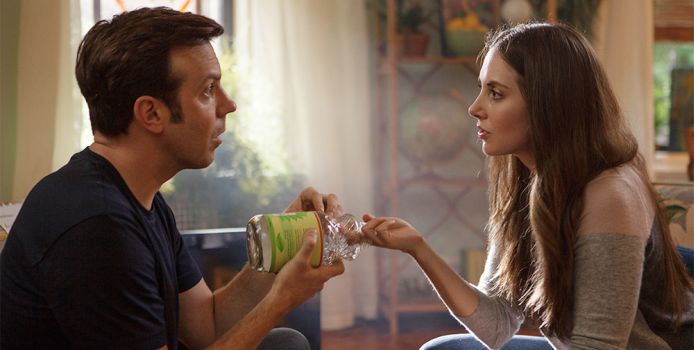
We currently live in an age where the classic rom-com has become taboo. Jerry Maguire and When Harry Met Sally have been traded out for Trainwreck and now Sleeping with Other People. The problem with this new modern movement is that the emotional heart of the original 80s and 90s films are mostly lost.

Low budget productions always have to come to terms to the fact they are not going to be able to offer proper cinematic spectacle on a minuscule budget. A Dozen Summers instead opts to be as deliberately amateurish as possible, giving it the distinctive feeling of a movie that the twelve year old protagonists would not only wish to make, but would be capable of making. It feels aimless, rambling at even a brief 82 minutes (eight of which are dedicated to elongated end credits), but proves near impossible to dislike despite all of its clear faults.
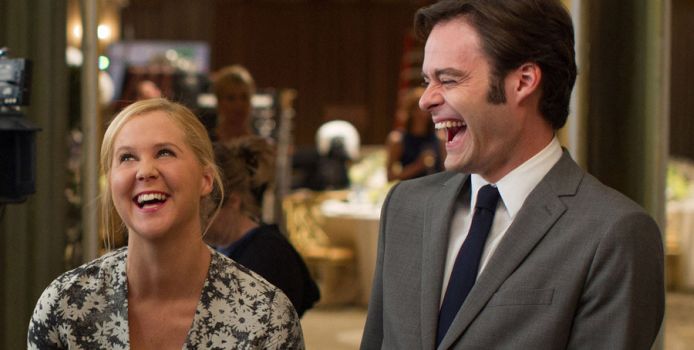
In Britain we have only just heard of Amy Schumer. But even having seen none of her work and only the rare interview I knew I would love this lady, and when I spotted Trainwreck on the horizon I got very excited. Then, I backtracked.
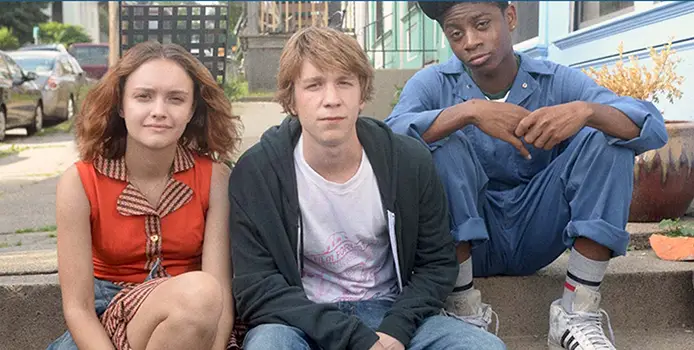
Although not without empathy, it is hard to argue against the statement that teenagers are some of the most self-centred people alive. I know this from being a particularly self-centred teenager, who at thirteen regularly made statements of self-loathing in order to gouge sympathy and attention from my peers. It was an attention seeking phase that I mercifully grew out of very quickly, but I can at least be forgiven for it for being young and stupid.
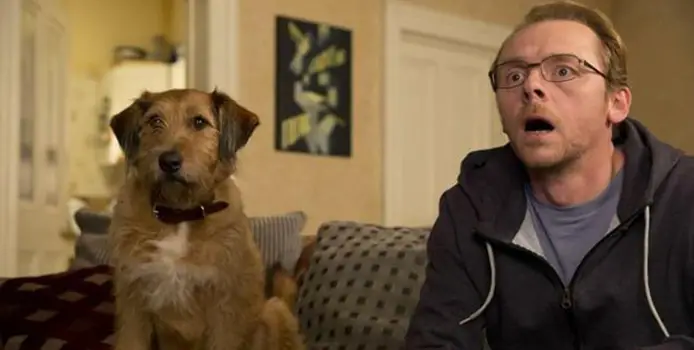
Absolutely Anything is a comedy co-written and directed by Terry Jones, he of illustrious Monty Python fame. It stars Simon Pegg and a host of other recognisable British talent and comics. In addition to this, Jones’ fellow Pythons offer their vocal talents, as does the late, great Robin Williams.

Well, this was inevitable. After the huge success of Despicable Me 1 & 2, (both films generating a combined total of over 1.5 billion dollars at the US domestic box office) further expansion of the Despicable Me franchise was bound to happen.
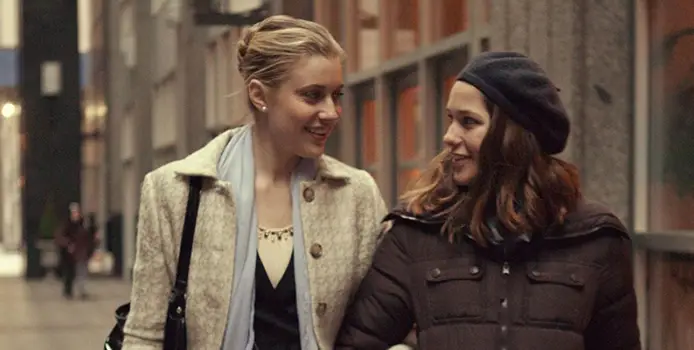
Director Noah Baumbach has become synonymous with “hipster cinema”- which in his case, means character studies of self-obsessed, over-privileged big city dwellers, who he tends to love, even if audience members are more likely to find their company unwelcoming. Yet he is a far more complicated director than that; weirdly, in his most recent movies, he’s been rationing out the abrasive commentary of the hipster community (the raging members of Generation X and the fresh-faced millennials) with something approaching empathetic humanism. His previous film, While We’re Young, was the most empathetic portrayal of hipster culture we are ever likely to see in modern cinema – something even the sharp left turn into trademark Baumbach cynicism in the film’s third act couldn’t overwrite.

Even though he’s often stereotyped as solely a director of inferior British gangster films, based on his first two releases Lock, Stock and Two Smoking Barrels and Snatch, Guy Ritchie is actually more of an experimental director than you may initially realise. Even though his early films were successful and enjoyable guilty pleasures, Ritchie had something of an insatiable need to be taken seriously, looking towards the European arthouse for inspiration. His third feature Swept Away, starring his then wife Madonna, was a remake of a satirical 1974 Italian film not widely known to international audiences.

Entourage is an extremely puzzling film. Keeping in mind that the TV show giving rise to the film is superficial in nature, I don’t mean puzzling in the way you’d describe an Alain Renais film as puzzling. No, it is the reasons and decisions around everything to do with the film that I don’t quite understand.
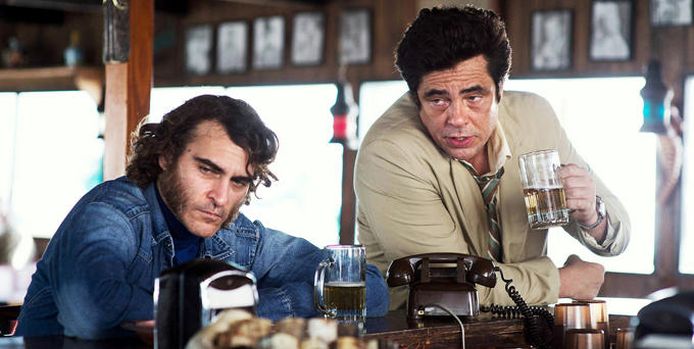
If it were not for Paul Thomas Anderson, there is a (very) good chance I wouldn’t be interested in writing about movies. It is because of his films that I take time to write for this humble little website. When I was a high school senior in 2009, my interest in movies inflated dramatically, and I watched a movie just about every night.

Design studio Art & Graft have injected a welcome sense of humour into 1150 Canyon Road, a dark and stylish crime animation. The London-based animation team, led by creative director Mike Moloney, have done a stunning job of throwing together a narrative and several brilliant characters in just two and a half minutes and a single shot. Combining the paranoid, ’80s crime caper themes of L.