


Many of you have seen the classic, fairy tale love stories in films. There is a princess who lives with a curse that was cast on her by an evil witch. The only way she can be free from this curse is by finding true love.

Everyone was shocked by how good The Lego Movie was. Everyone, that is, except Warner Bros. They seemed prepared for success, quickly release a schedule of spin-offs and sequels that would usually cause all sorts of concerns about low-quality cash grabbing, except that’s what many of us thought about The Lego Movie, and boy were we wrong.
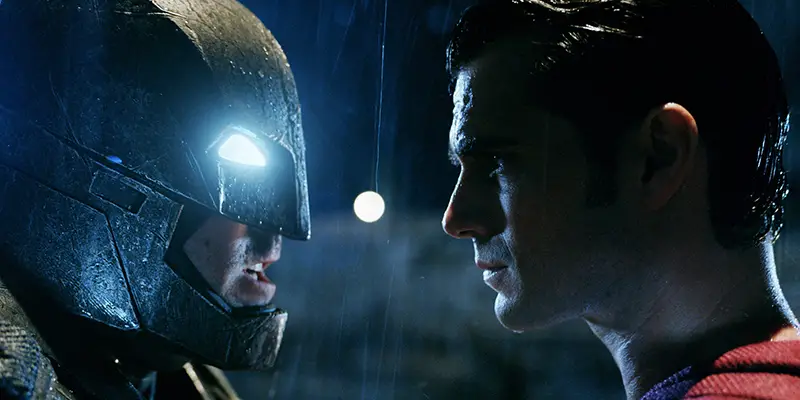
Trailers are ruining movies. Okay, maybe that’s a bit harsh, but they sure are not helping matters. With Batman v Superman right around the corner, the usual fanboy feelings I would be geeking out over are mostly subdued because the trailers have shown so much (i.

Over at our official Facebook page, we are currently posting daily film recommendations, with each week being a different theme. This is a collection of those recommendations! This week’s theme is the year of 1986.

Every Tuesday Film Inquiry publishes the movies that are opening in cinemas! This week: God’s Not Dead 2, Miles Ahead, The Dark Horse, Meet The Blacks, Kill Your Friends, Natural Born Pranksters.

Aside from sports bloopers, a few Hemingway novels and stock footage I don’t know much about bullfighting. Common sense dictates that provoking a bull to charge you to stab it going to be dangerous, and there’s bound to be a daredevil mentality to being a matador. With that rudimentary knowledge, it felt like Gored would provide some insight into bullfighting, the cultural identity of matadors, and the passion of its subject.
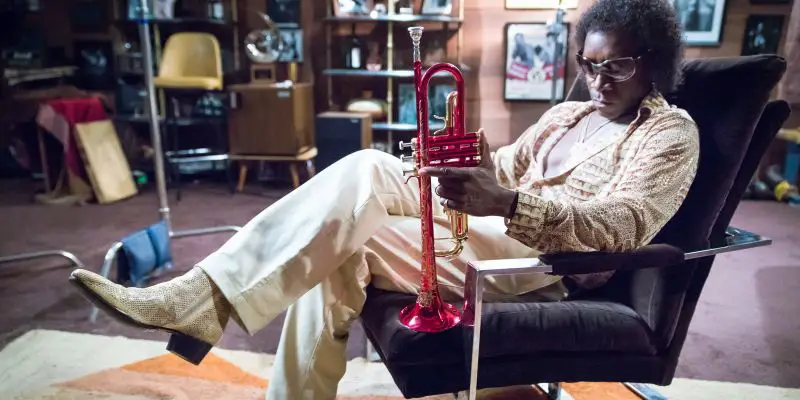
The manifesto for this movie is hinted at in the first lines of the trailer and has been reiterated by director/writer/actor Don Cheadle on its press tour: if you’re going to make a film about jazz musician Miles Davis, it better have energy and style. Davis’s music didn’t adhere to formula, so his biopic shouldn’t, either.
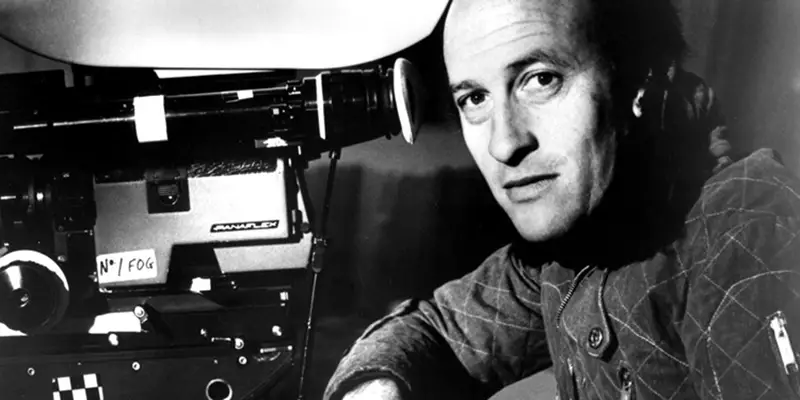
With Batman v Superman getting ready to take over the world, the previous incarnations of The Caped Crusader and The Man of Steel are trending once again. Some of the finest actors and directors in Hollywood have had dealings with these two superheroes over the years, but one such luminary, it seems, has never been forgiven for the way he treated the Son of Krypton 36 years ago. However, it really does need pointing out to some ardent Superfans that far from a being a hack director-for-hire, Superman II director Richard Lester is actually one of the most important names from the New Hollywood era.
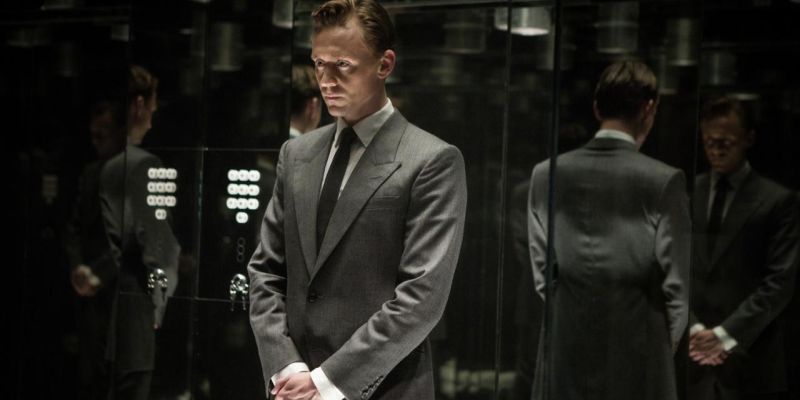
There are few novels considered “unfilmable” that haven’t been translated to the big screen. High-Rise, director Ben Wheatley’s adaptation of J.G Ballard’s cult 1975 sci-fi novel, is the rare movie adaptation that doesn’t feel like it has been adapted, so peculiar and distinctive to the director is the increasing foregoing of narrative in favour of societally depraved surrealism.
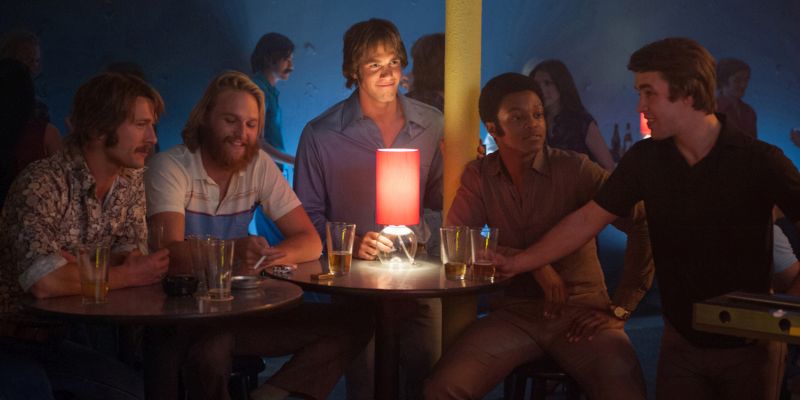
To point out that a Richard Linklater project has been long-gestating is almost laughably commonplace, as several of his projects have either taken a long time to get financed or a long time to shoot. He famously filmed Boyhood over 12 years, spread out the Before trilogy over nearly twenty years, and first wrote Everybody Wants Some!! back in the mid-2000’s.
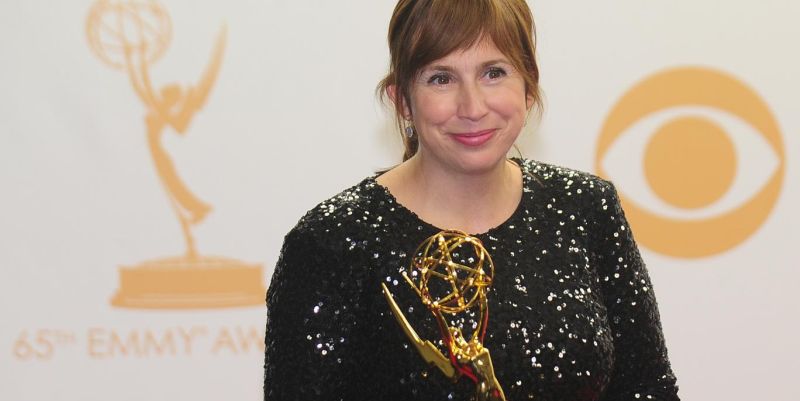
I wouldn’t be surprised if you hadn’t heard the name Abi Morgan, but I would be very surprised if you hadn’t at least heard of one of her many successes. The Hour? The Iron Lady?
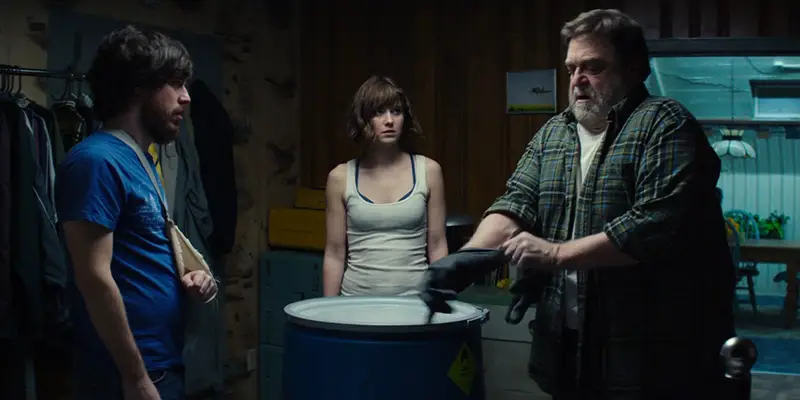
The inner urge for survival is the most primitive of all impulses. For the longest time, sex was believed to be the driving force that pushes people, unconsciously and fully-cognizant, towards certain results in life. But after WWII especially, psychologists and holocaust survivors began to revisit the idea, and psychoanalysts took the obvious cue from Darwin:
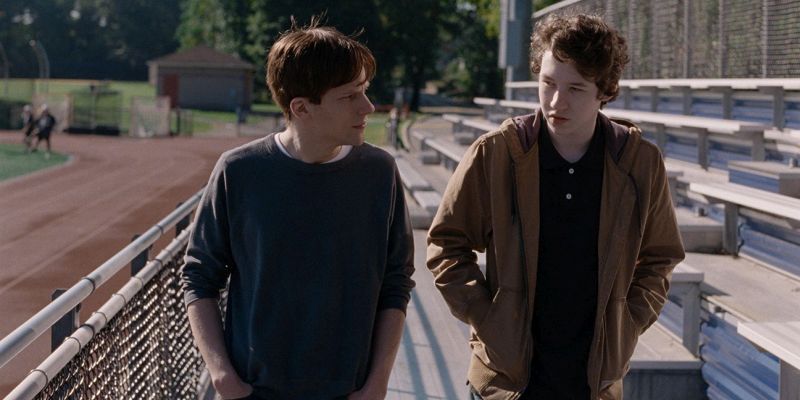
If you haven’t seen Norwegian writer/director Joachim Trier’s previous films, Reprise and Oslo, August 31st, then clear your plans for the evening, track down these films, and settle in for some feels. They’re two of the most empathetic films of recent years, applying complex emotional landscapes to potentially unlikable young men. In doing so, Trier and co-writer Eskil Vogt capture just how vulnerable we are to life’s blows and remind us that people deserve more compassion than we often mete out.

Over at our official Facebook page, we are currently posting daily film recommendations, with each week being a different theme. This is a collection of those recommendations! This week’s theme is the filmography of progressive genre director Monte Hellman.

With technology rapidly advancing as the solution to even the most basic human tasks, director Ariel Martin’s sci-fi short The iMom takes “what if” to a chillingly stark place. Modern Parenting Set in a not-too-distant future, robotics has evolved to the point of public consumption. Realistic in both appearance and reaction, the affordable iMom (Matilda Brown) is the latest innovation in aiding new parents with the daunting task of child rearing.