
Documentary filmmaking is an interesting thing: while an actor in a fiction film can (though certainly doesn’t necessarily) excise their own personal ego and inhabit a role entirely separate from themselves, the documentary subject does not have this luxury. In fact, for the subject of a documentary to be successful it takes precisely the opposite skill; to be fully present in oneself, perpetuating the most “you” version of you possible.
As another Hollywood award season gathers momentum, so too do its accompanying controversies and questions. Last year’s Academy Awards were remembered as much for the hashtag #OscarsSoWhite as they were for any of the achievements of film’s apparent best and brightest. This, coming the year after 2014’s Oscars host Ellen DeGeneres knowingly quipped before the Best Picture award was announced that:
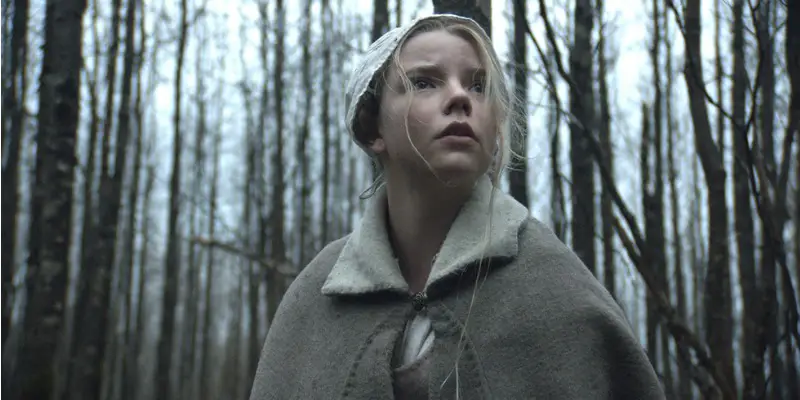
Horror is a very particular thing. What brand you prefer says something very intimate about you, about what you value enough to fear losing. The horror I respond to normally involves family and religion and the slow dissolution of the ties that bind people together.
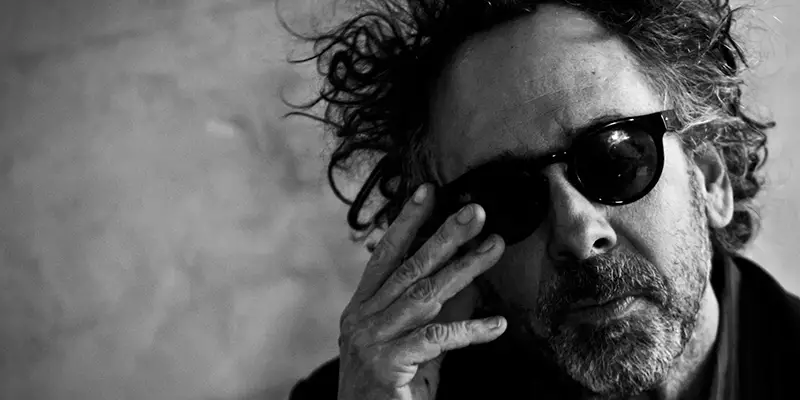
There are a number of directors that have distinguished their own unique imagination into Hollywood and reflected it on the big screen. Directors who are considered ‘auteurs’ have the creative ability to make feature films that are based on their own imagination, are part of their personalities, or which they find as a genuine interest. One such example is Tim Burton, the eccentric filmmaker who broke through as an animator and storyboard artist in the 1970s to progressively becoming one of cinema’s most recognised directors.
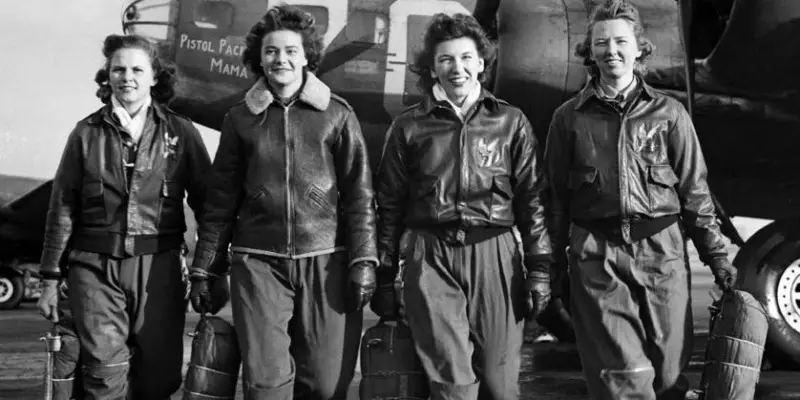
Fly Girls is a potential mini-series about an important piece of WWII history, the largely forgotten women pilots. Some people might find it hard to believe, but there were women pilots on active service during the war. However, unlike their male counterparts they were restricted to the transportation of planes, and did not engage in air to air combat.
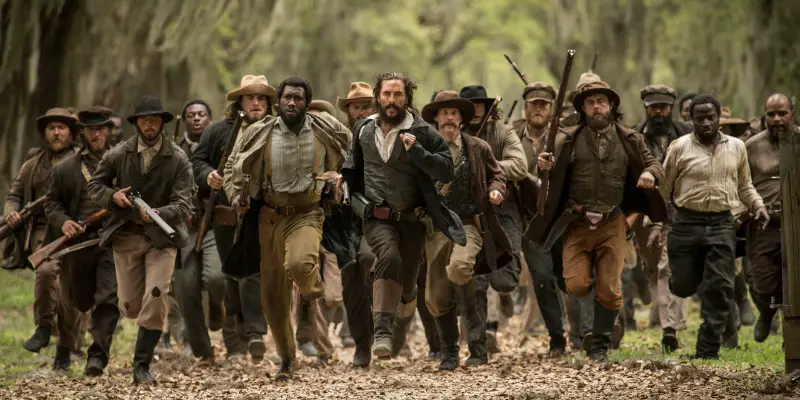
Few things bring a smile to my face faster than the term ‘McConaissance’. For one, it’s really fun to say, but it also reminds me that even in a seemingly jaded industry, there are people willing to use their power to champion quality material. Matthew McConaughey’s career turn in 2011 brought projects like Killer Joe, Mud, and True Detective to a much wider audience, and his post-Oscar career sees him taking on bigger but still interesting films like Free State of Jones.
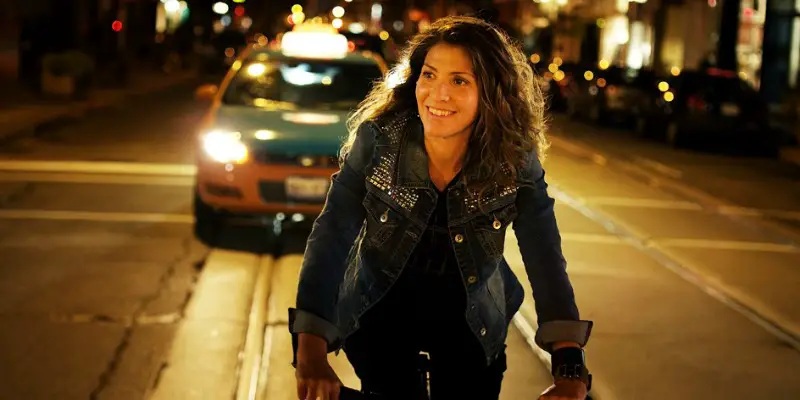
People like to tout the virtues of ‘unique’ and ‘misunderstood’ independent cinema, but sometimes a film is independent simply because it wasn’t good enough to obtain funding. The problem then is that curious people like me are unwittingly drawn to pretty bad, unknown, independently made films. Well, I’m delighted to say that while Portrait Of A Serial Monogamist is not going to rock your world, it’s better and I would say surprisingly sweeter than the average unknown indie.
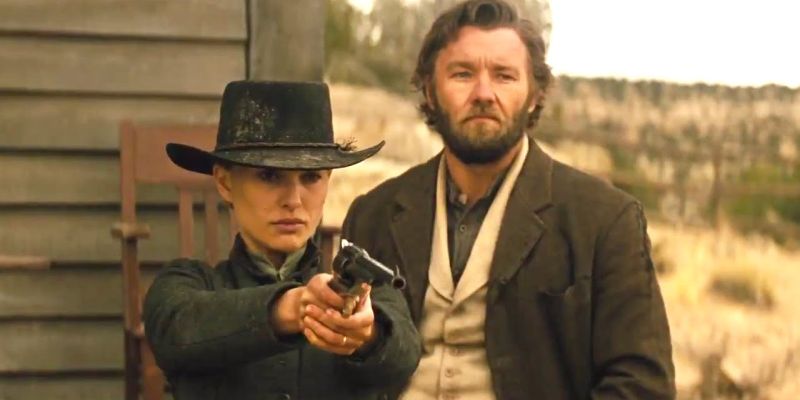
Every week Film Inquiry publishes the movies that are opening in cinemas! This week: Kung Fu Panda 3, The Finest Hours, Fifty Shades of Black and Jane Got A Gun.
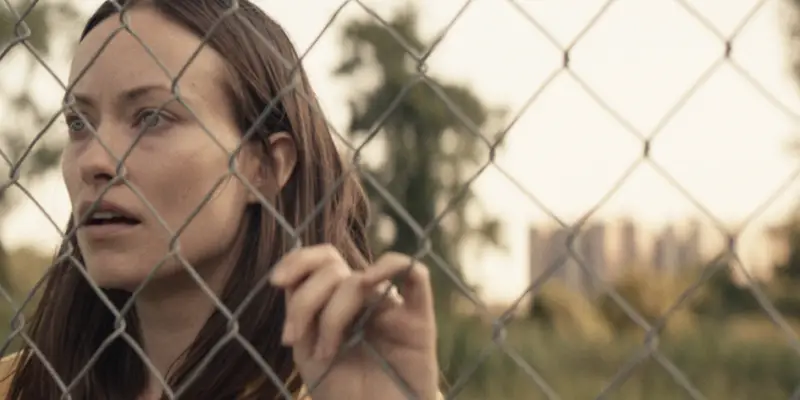
Films deal with universal emotions such as love, hate, or sadness. Some deal specifically with grief, whether it be a lover moving on, a friendship ending, or the loss of a parent. Two films in recent years, The Disappearance of Eleanor Rigby (2014) and Meadowland (2015), have dealt with the loss of a young child and the effect on the parents.
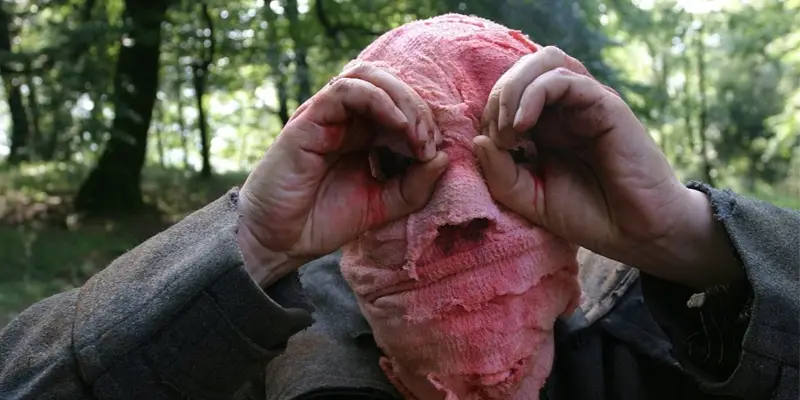
Over at our official Facebook page, we are currently posting daily film recommendations, with each week being a different theme. This is a collection of those recommendations! This week’s theme is focused on Time Travel films.
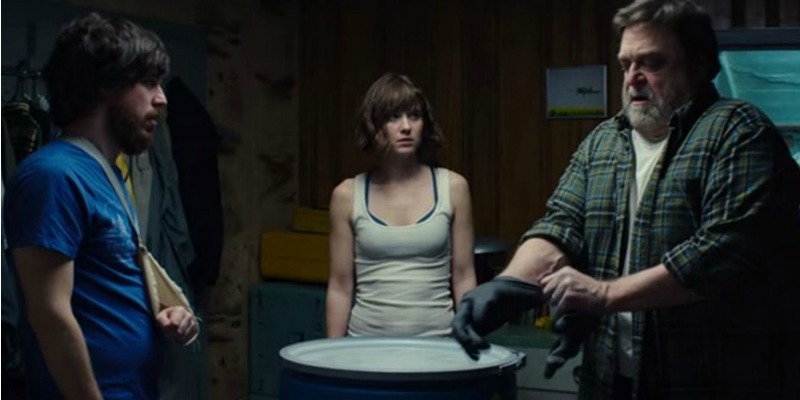
A quick internet search confirmed that I’m not the only one sitting around wondering if 10 Cloverfield Lane is a true sequel to Cloverfield. I would personally lean towards a “no” answer, as the film began life as a standalone script and it shares no writing or directing credits with the original film. What seems to have caused all the confusion is the odd machinations of film financing, wherein a small label owned by Paramount Pictures folded and the project not yet called 10 Cloverfield Lane ended up with the company that made Cloverfield.

Tom Hardy is a name all film fanatics are familiar with, and as of 2015 it is a name recognised universally. Starring in films such as The Dark Night Rises (2012), Inception (2010), Bronson (2009) and Warrior (2011), Hardy’s detached and troubled characters are presented as so much more than an actor playing a role. The characters he manifests into feel bona fide, and whilst his obvious talent contributes to that, his life additionally plays a part in the process as it reads like a script, making him a man made for storytelling.
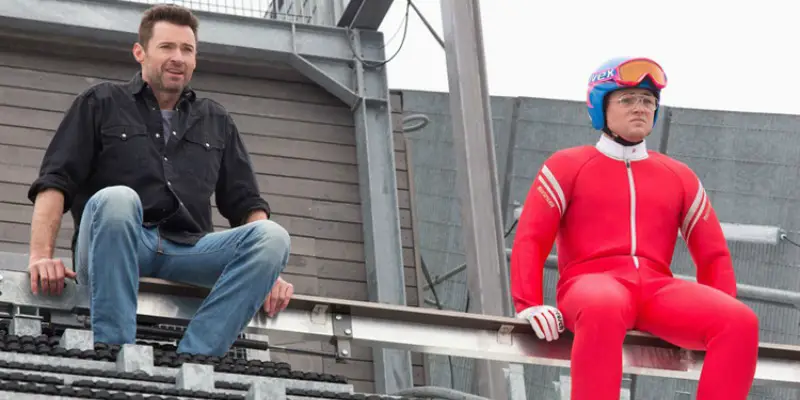
Bring your friends, buy some popcorn, and leave your cynicism at the door, because Eddie the Eagle isn’t hiding its feel-good roots. Based on the story of Great Britain’s first Olympic ski jumper (who oddly went to the same Olympics as the guys from Cool Runnings), this looks to have all the clichés of our most beloved sports movies. Eddie’s going to have the world against him, but with a down-on-his-luck coach and a plucky spirit, he’ll fight to make his dreams come true.

At one point in Good Morning Karachi, a fashion photographer is vocal about the contemporary image of Pakistani femininity and culture he believes his photos represent. He claims that his company is the “women’s revolution the country has been waiting for” and that a simple fashion photoshoot can portray a more forward-thinking society to international citizens who portray Pakistan as a bunch of “fundamentalists”. Yet the views about femininity presented by director Sabiha Sumar in Good Morning Karachi are as confused as those presented by a photographer who believes photos of supermodels represents a realistic feminist ideal and aspiration in society.
The cinema is under attack. Streaming services threaten the long-held monopoly that the theater has always had on new releases. Studios spend more and more money on fewer and fewer films that are bigger and bigger yet take less and less risks.