

I’m the type that just hopes people are happy and healthy. Don’t tell me on Facebook about how your cat is plotting to kill you. We all know it’s going to happen, we were hoping you didn’t.
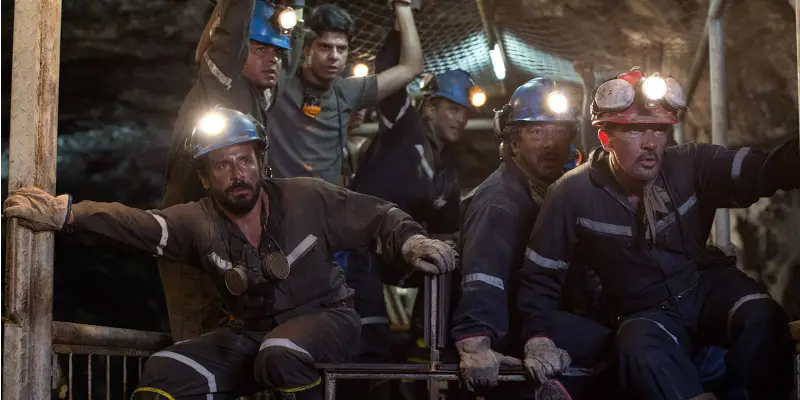
The 2010 Chilean mining incident was an enormous event that had the rare ability to unite most of the world to help the victims. The event gained massive media coverage and resulted in books, interviews, TV specials, etc. So, of course, a movie revival was inevitable.
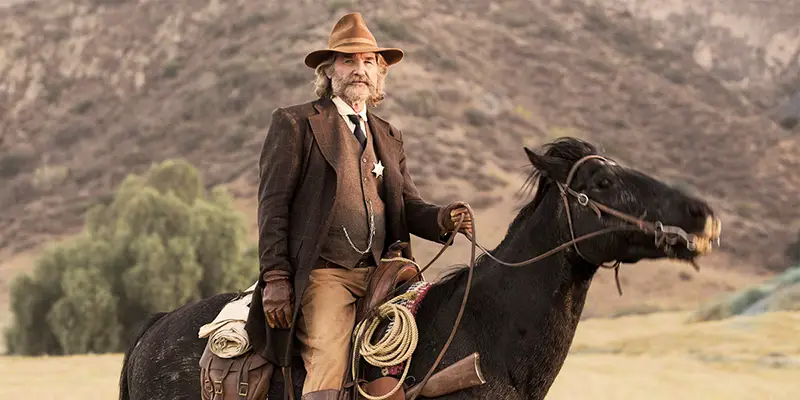
Despite a reputation as an open minded viewer willing to watch cinema of all genres, I have a confession to make: I struggle with Westerns, with many widely acclaimed masterpieces leaving me cold for no easily discernible reason. As much as I love Sergio Leone and many recently made “revisionist Westerns”, how the cornerstones of the genre (the majority of which are directed by John Ford) earned their classic status is unfathomable to me.

Every week Film Inquiry publishes the movies that are opening in cinemas! This week: Krampus, Chi-Raq, The Letters, Macbeth, Youth, A Royal Night Out, The World of Kanako, Life, Hitchc*ck/Truffaut, Christmas Eve and MI-5.
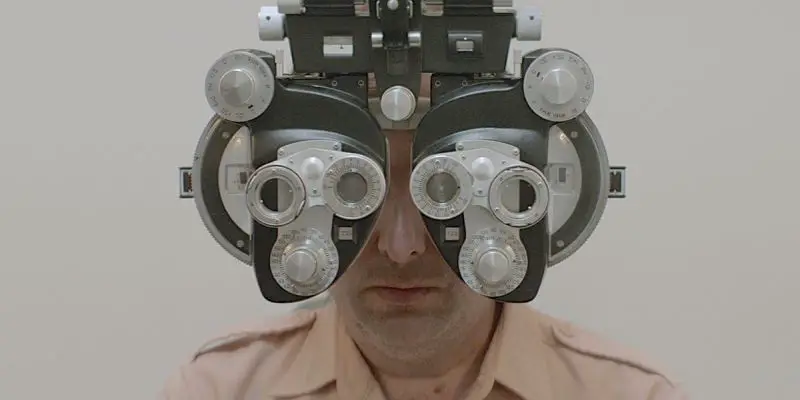
Comedy is a tricky thing; it’s hyper-subjective and typically draws from dark elements to create laughter. The search for one’s own comedy is thus, in a sense, the result of grappling some of the least desirable aspects of the human experience and wrangling it into something with a punchline. This is why the cliché of the “sad clown” is so prevalent and continues to be perpetuated to this day, such as with Marc Maron’s self-loathing diatribes and the tag posthumously attributed to Robin Williams.
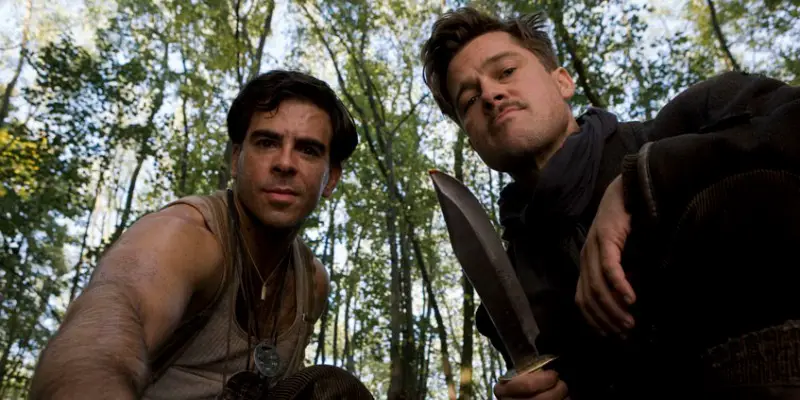
Violence in cinema isn’t a new concept. In fact, some of the earliest films ever made were surprisingly violent, even by todays standards. But how can we determine a desensitisation to violence in modern audiences?
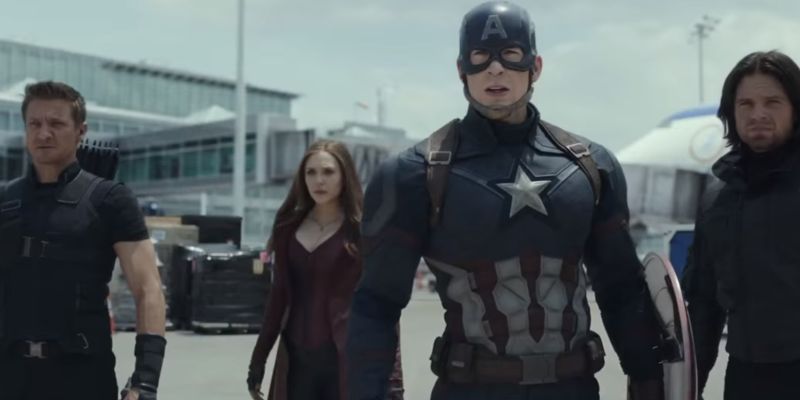
It’s the movie they shouldn’t have made without securing the rights to the fan favorites but here it is. Due to the fear innate in humanity, we don’t trust normal people to actually have power without using it against us. As always, that kind of freedom belongs to corporate narcissists, out-of-touch politicians, and initially charming but later vicious dictators.
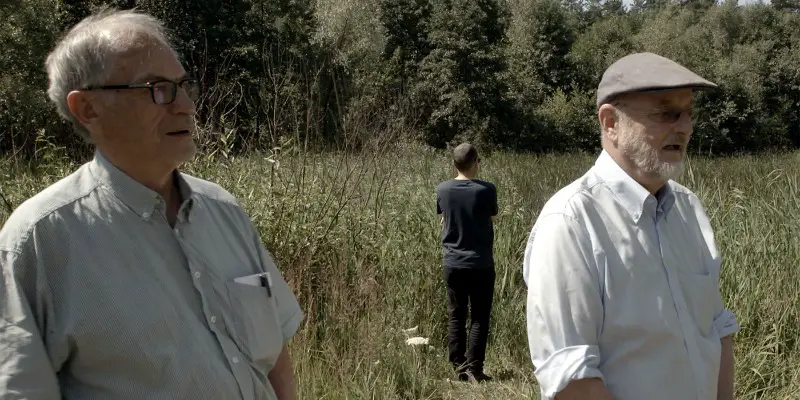
In What Our Fathers Did: A Nazi Legacy two sons are brought together by a shared legacy, the legacy mentioned in the title. Both are the sons of high-ranking Nazi officers.
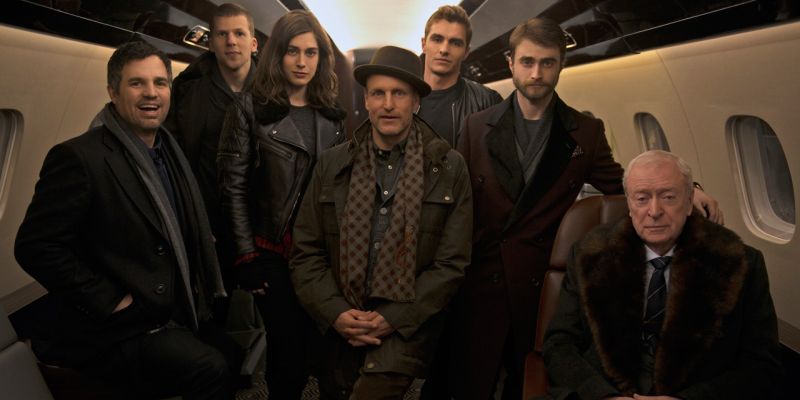
The old gang is back…minus Isla Fisher, but Lizzy Caplan isn’t a bad replacement. One year after their spectacular debut in outwitting the FBI and winning public adulation, The Four Horsemen resurface. Their comeback performance seeks to outsmart the tech prodigy threatening them to perform their biggest heist yet.
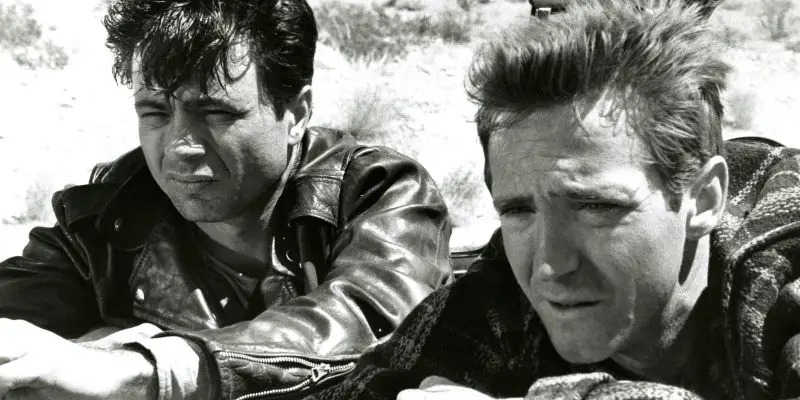
On a chilly night in November 1959, two desperate young drifters slaughtered a family outside Holcomb, Kansas for $40, a pair of binoculars, and a transistor radio. The macabre slayings and the manhunt, trial, and execution of the pair of “natural born killers” who committed the crimes gripped the nation. Celebrated writer Truman Capote published a bestselling book about the case called In Cold Blood that was turned into a gripping 1967 movie, which is one of the best of the later film noirs.
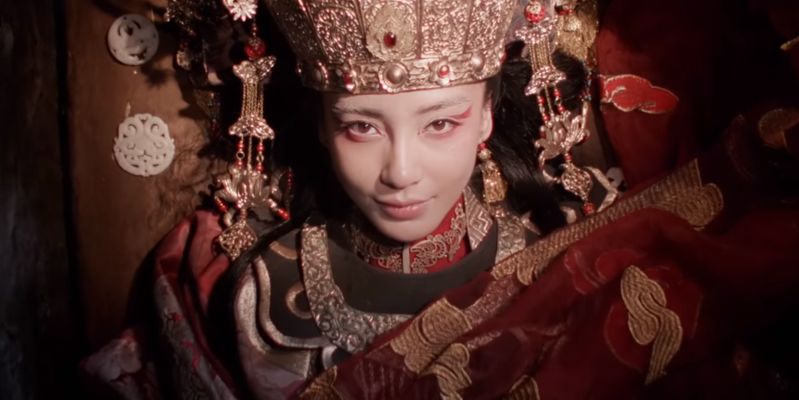
Mojin: The Lost Legend is an upcoming Chinese fantasy adventure/action film – and it looks spectacular. It is based on the in China best-selling novel “Ghost Blows Out The Light”, written by Zhang Muye.

As Oscar Wilde said, life imitates art far more than art imitates life, and that’s certainly true when it comes to Carey Mulligan’s recent outspokenness on women’s rights – hot on the heels of her stunning performance in Suffragette (2015). In recent media interviews, she’s talked about the inequality that exists in Hollywood, including the wage gap between male and female actors and the lack of films by female directors. But she’s also gone beyond that, to talk about Hollywood’s lack of interest in telling stories about the lives of women.
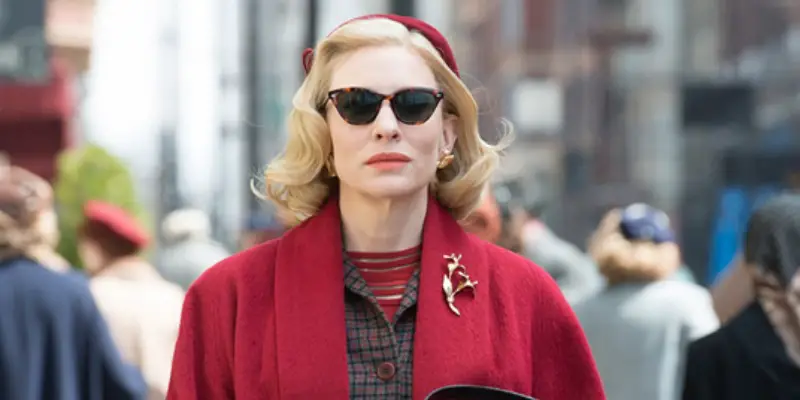
Most directors have a recognisable style that characterises their movies, giving them a distinctive visual stamp that claims it as wholly theirs. Todd Haynes is an unusual director in that his style differs from movie to movie, fully committing to replicating different genres and bygone fashions to the extent that he has no distinctive visual style that claims any movie as distinctively his. With Carol, he has made a period drama not entirely dissimilar from his early film, 2002’s Far From Heaven.
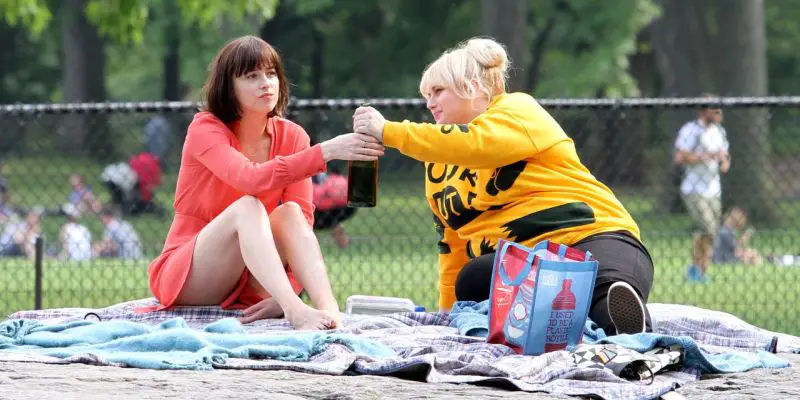
The dating scene scares me. That is because I’m a simple man with simple tastes. Is it really too much to ask for a woman who enjoys role playing and tying me up?

Cady McClain is an award-winning daytime TV actress, but she has another side: as a director. She has completed two short award-winning films, Flip Fantasia and World of Albert Fuh, and the comedy web series Suzy F*cking Homemaker, and is currently in production on a new documentary about women directors called Seeing Is Believing: