









SXSW 2026: KILL ME, HE BLED NEON & NEVER AFTER DARK


Who doesn’t love a good thriller? Especially when that’s only part of the makeup – when there’s another layer that involves mystery, action, or horror – it’s genre-fused bliss. These three SXSW titles shook up the status quo and took unexpected turns to create something sharp and exciting.
Kill Me (Peter Warren)
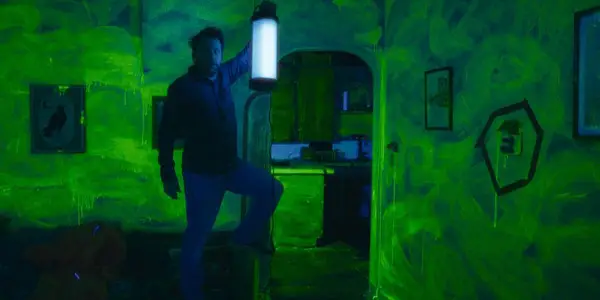
Kill Me starts with a stark image. Jimmy (Charlie Day) wakes up in a bathtub with his wrists cut, confused, and immediately calls 911. The call reaches operator Margot (Allison Williams), who seems intrigued by Jimmy’s situation and tries to help. He insists—despite concern from his family and his therapist (Giancarlo Esposito)—that he didn’t do this. Someone is trying to kill him.
He reaches out to Margot again, who eventually agrees to assist him in figuring out what happened. What ensues is a nonstop, paranoia‑filled line of detective work that balances moments of sheer hilarity with the seriousness of these two kindred spirits and their shared fragility.
Kill Me tiptoes the line between comedy and drama while never relinquishing its mystery‑thriller core. It provides a great vehicle for Charlie Day, showcasing just how deep his acting chops go. He delivers a more layered performance than we’ve seen before; the comedic timing remains, as does the fast‑talking humor we love, but here it’s paired with a darker, more existential edge. Overall, the film is clever and empathetic in its portrayal of mental health.
Allison Williams anchors Day as his partner in uncovering the crime. They follow the clues through a web of potential suspects while maintaining a steady rapport. It’s a duo that feels like a match made in movie heaven. (Can we get more of them, please?)
The ending doesn’t quite stick, which is a little disappointing after such an engaging ride. Still, despite the many tones explored, Kill Merarely misses a step and delivers plenty of gut‑busting laughs.
An absolute must‑see, Kill Me offers a career‑defining best for Day while reaffirming Williams as a star. Come for the laughs, stay for the heart, and get pulled into the heady whodunnit.
He Bled Neon (Drew Kirsch)
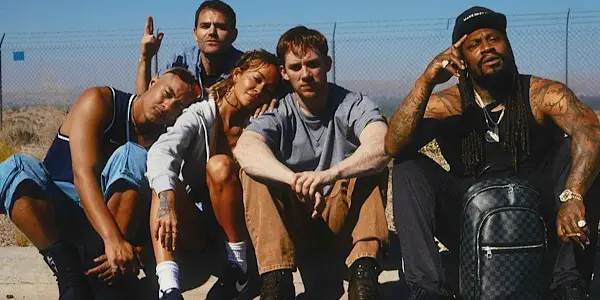
He Bled Neon is a charged force; a reckoning of sorts as a gritty crime drama that doesn’t hold back. It’s an action‑filled thrill ride, violent and fast‑hitting. Drew Kirsch crafts an effectively propulsive film, even if it favors style over script.
Ethan (Joe Cole) returns to Las Vegas after the suspicious death of his brother (Paul Wesley). Uprooting a successful life in LA, he comes back to a place he once swore he’d never return to, haunted by a troubled past. As he reluctantly reenters his familiar circle and the surrounding criminal underworld, he’s reunited with Rita Ora and Marshawn Lynch, both fantastic here. Together, they begin to unravel what really happened, coming face to face with escalating violence.
Part mystery, part stylized crime thriller, He Bled Neon skirts into neo‑noir territory and is most effective in its atmosphere over substance. It’s undeniably slick, and Kirsch knows how to visually ensnare, even if the characters don’t get fully developed. An electrifying score keeps the momentum surging.
He Bled Neon is a pulpy, fun thriller that thrives on action, style, and mood.
Never After Dark (Dave Boyle)
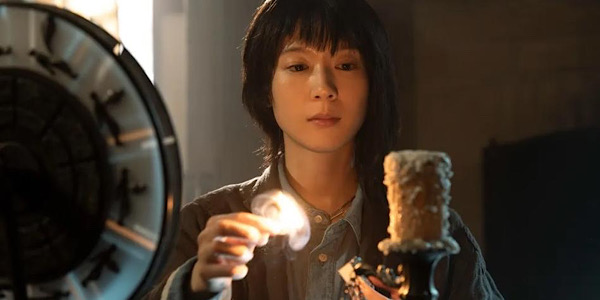
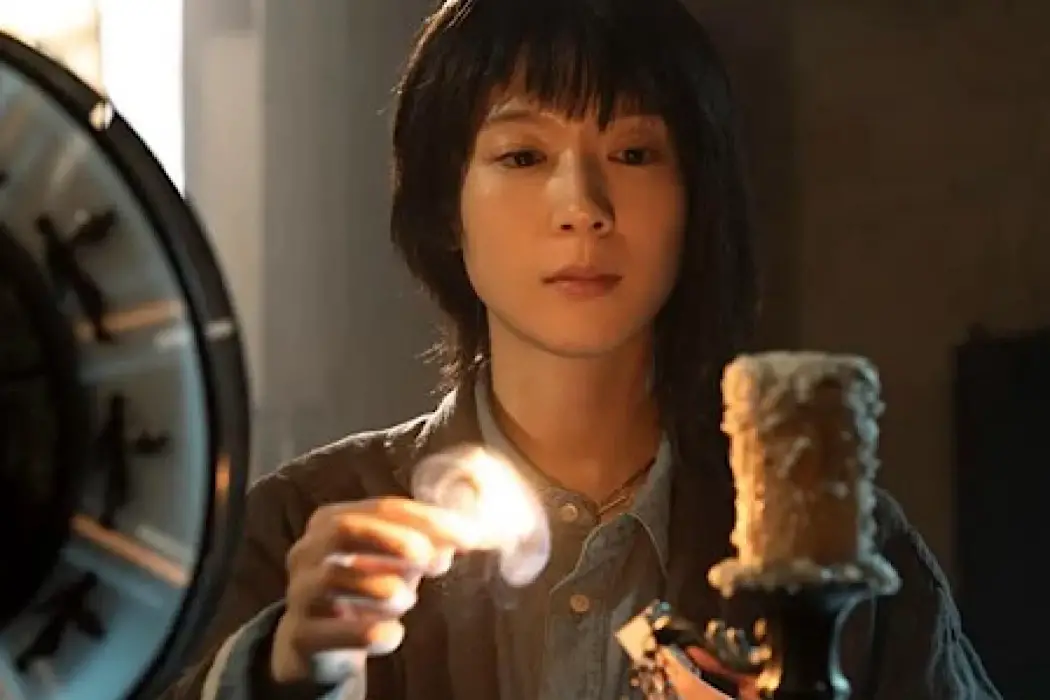
Never After Dark is a wondrous kind of horror; the type that’s beautiful yet torturous, creepy yet inviting. I was completely enveloped. This unique Japanese story stands out through its writing, its lead performance, and an inescapable sense of unease.
Airi (Moeka Hoshi) (excellent in the role) is a traveling medium who journeys across the Japanese countryside helping restless spirits move on. Her latest assignment brings her to a former hotel, where new owners, a mother and son, seek help guiding a spirit away.
In some ways, this apparition‑filled film echoes others before it, ethereal and dreamlike at times, but it also does something distinctly its own. Airi’s sister (Kurumi Inagaki) passed away when they were young, and Airi is the only one who can see her. She’s a reminder of Airi’s past, but also a grounding presence as she moves through the thin veil. To do this (only during the day, hence the title), Airi performs a ritual that takes her into an in‑between space, not entirely unlike Insidious.
This time, however, things are different. The spirit feels more malevolent, and Airi soon discovers he has a past and future tied not just to this place, but to her. The film moves slowly at first, a low flame burning with intrigue, until a key reveal ignites it into something voracious.
Some sequences are downright chilling, and Hoshi is the perfect guide into this terrifying beyond. It’s one of the best horror films of 2026 so far—and that’s saying something. A perfect SXSW midnighter, Never After Dark proves Dave Boyle knows how to craft a lovingly epic nightmare.
Does content like this matter to you?
Become a Member and support film journalism. Unlock access to all of Film Inquiry`s great articles. Join a community of like-minded readers who are passionate about cinema - get access to our private members Network, give back to independent filmmakers, and more.