

drama

Although many are still reeling from the aftershocks of the Sony hacking scandal, the growth of the cybercrime era had actually reached red alert long before the North Koreans. It is quite frightening to imagine how a person could be as deadly as a nuclear weapon with just one click of a keyboard, and it remains a problem unresolved by international governments. As always, Hollywood’s part on this is to jump on the bandwagon, establishing a new genre of its own with collective bits of movie magic in order to turn in easy money for film studios.
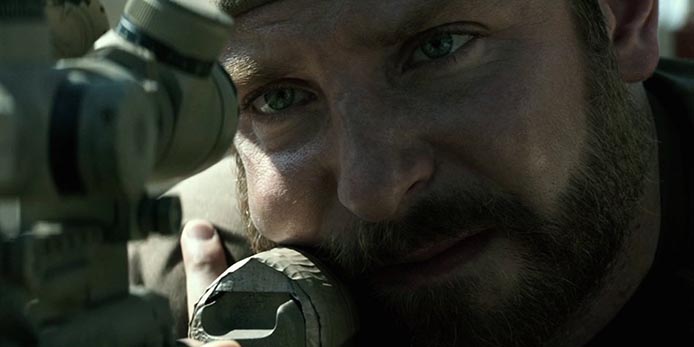
When the Oscar nominations rolled in on Thursday, perhaps the biggest surprise – other than the snubs for Selma – were the six nods including Best Picture and Best Actor for American Sniper, a movie which few expected to be in the running after getting no attention from the Golden Globes or BAFTAs. There was an even bigger surprise a few days later, when it was announced that the film drew in a stunning $89 million in its opening weekend, which is more than most of last year’s summer blockbusters. The Iraq War drama snuck up on the awards race out of nowhere, and shattered January box office records beyond all expectation.
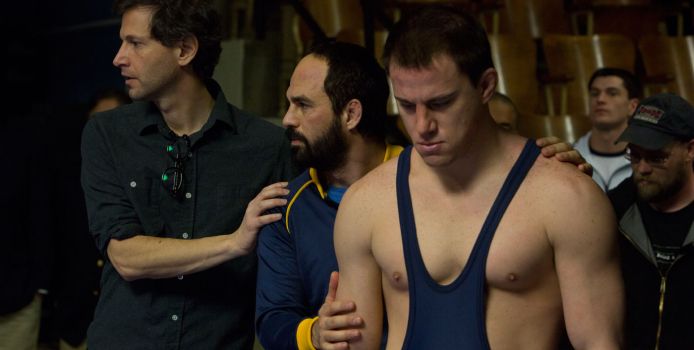
The discussion on the best knockout films of all-time continues. If you missed my review on Million Dollar Baby in December, it served as the start of this discussion. This includes films based on boxing, wrestling, martial arts, MMA, etc.

Biopics are difficult to get right, especially if you’re covering the life story of somebody whose life story is already well known. How do you make it entertaining to an audience familiar with the backstory, yet still entertaining to a new audience who aren’t? Mike Leigh’s latest directorial effort Mr.

2014 should really be known as “The Year of the Biopic.” There have been films this past year that were based on many world-reknown icons, from Martin Luther King to Stephen Hawking to pop singer James Brown. And somewhere in the midst of all those comes the story of Alan Turing, a British mathematician that almost single-handedly won World War II.
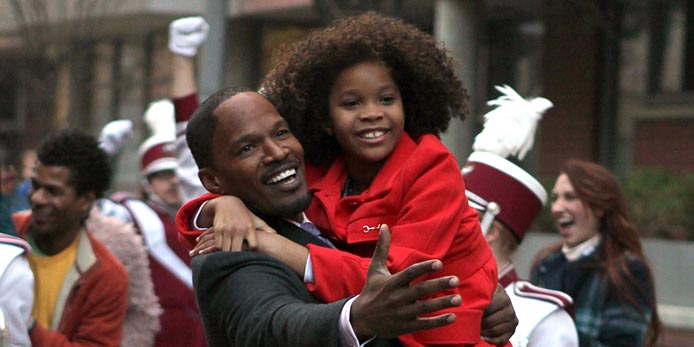
In an era when Hollywood is running out of ideas more than any other previous point in its century-long history, the big studios’ desire to unnecessarily remake everything grows even more unwelcome. It’s not that good remakes can’t be made (after all, The Departed, The Fly and a Fistful of Dollars all exist), but modern audiences are so skeptical of remakes that they tend to stay away in droves. The remakes only seem to happen presumably so that the studios can maintain the copyright to the originals and continue to make heaps of money.

“If it’s in a word, or it’s in a look, you can’t get rid of The Babadook”. The mainstream horror genre is in a bad state at the moment. In the wake of the success of Paranormal Activity, Hollywood studios are taking advantage of the huge financial potential of the genre, and the fact that you can spend very little money on a horror film and make a huge profit off of teenage audiences.

The Theory of Everything is the story of Stephen Hawking, reflecting his life from his early 20’s until decades later after he had become a world icon. It is at times overly romanticized, and tends to overlook certain elements of Hawking’s disease in order to instead focus on the obvious triumphs of his life. It is still a worthy film, though, and this is mostly due to Eddie Redmayne’s fantastic performance.

Every year when Oscar season rolls around I become an increasingly cynical person. I stop enjoying the movies I’m watching and instead start to tick off the list of tropes I see in a game I like to call “Oscar-bait Bingo.” In the coming months, cinema screens worldwide will be treated to my two least favorite Oscar-baiting sub-genres:

Animism is the belief that inanimate objects have souls. In a way, it’s self-reflective as people often project themselves upon many things. Many movies share this view as produced by such companies as Disney and Pixar.
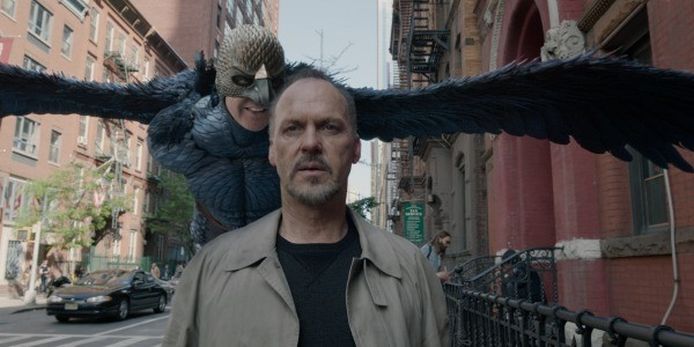
Michael Keaton is one of those “If only he was given a chance, he could have done great things” type of guys. Edward Norton is one of those “If he could just suck it up and take other people’s advice he could be one of the biggest stars in the world” type of guys. This is no secret to us and it is certainly no secret to Alejandro González Iñárritu, who takes full advantage of our outside knowledge to create the only slightly twisted reality of Birdman.

Christopher Nolan has made a solid place for himself in the rank of modern filmmakers. His latest film, Interstellar, further establishes his stance. It is a wondrously beautiful movie, with intense sci-fi sequences, a solid and talented cast, and even some thought-provoking ideas.
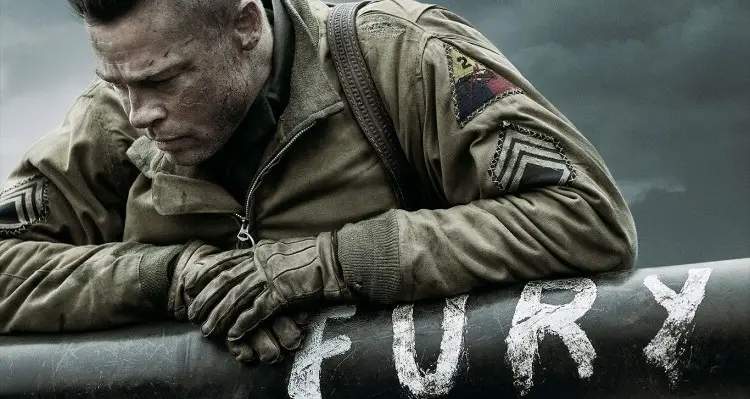
David Ayer’s Fury is the story of an American tank unit led by “Wardaddy” (Brad Pitt) near the end of the European Theatre in World War II. Ayer is still best known for writing 2001’s Training Day, but after he made the surprisingly acclaimed End of Watch, he has been given the chance to direct a full-blown war film. Ayer’s hyper-masculine style is one that could be to the detriment of a war film that is trying to stay grounded in reality, but he is able to dial back his tendencies enough to keep it from being a glorification of violence.
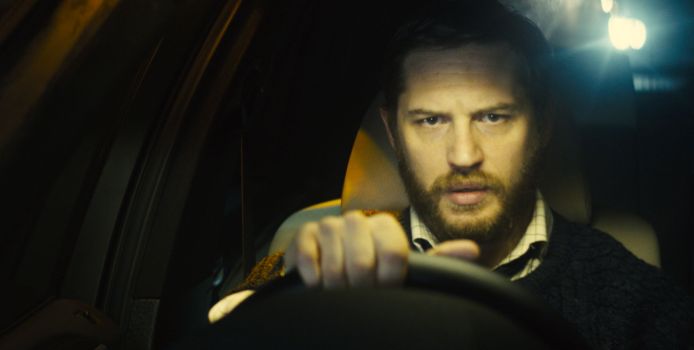
Tom Hardy is one of the most versatile and talented actors in film today. His resume is proof. From his first performance as Twombly in Black Hawk Down, to his most recent one as Bob in The Drop, he has delivered a dazzling array of characters on screen.
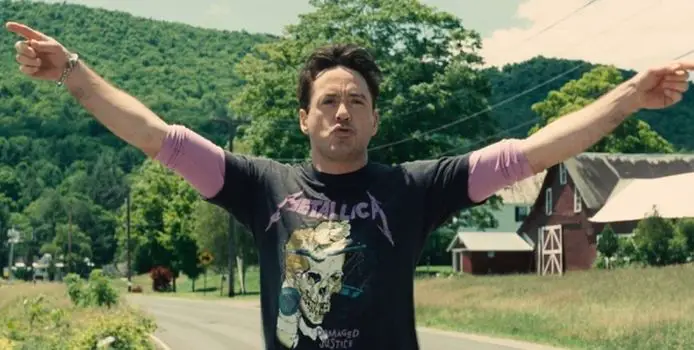
I’ve never really understood the law. That, however, never stopped me from drooping inquisitively over courtroom dramas. With my rediscovery of A Few Good Men on TV a few months ago, this sub-genre managed to spark some affection in my geeky wonderland of a mind.