

history

Rachel Lyon’s wide-eyed documentary Hate Crimes in the Heartland revisits the largely ignored history of racial violence in Tulsa, Oklahoma. In the wake of a racially motivated shooting spree on Good Friday in 2012, Lyon interviews survivors, leaders, historians, and residents to discuss the city’s racially divided legacy and the effects of the “Tulsa Race Riot,” a misnomer for the day long, Ku Klux Klan-led decimation of Black Wall Street’s infrastructure. Interviewees discuss the contemporary effects of the small-scale genocidal effort in 1921 and media coverage of the Good Friday shootings in 2012.
Even if my opinions may come across like those of a film snob at times, one who will do all in his power to avoid anything audiences may actually enjoy. I am not a film critic, but a film fan who sometimes happens to write scathing reviews. I don’t think every movie should aspire to be high art, but I do think cinema as a medium should be either entertaining or emotionally involving dramatically, with any pretensions towards being regarded as art being secondary concerns to filmmakers.
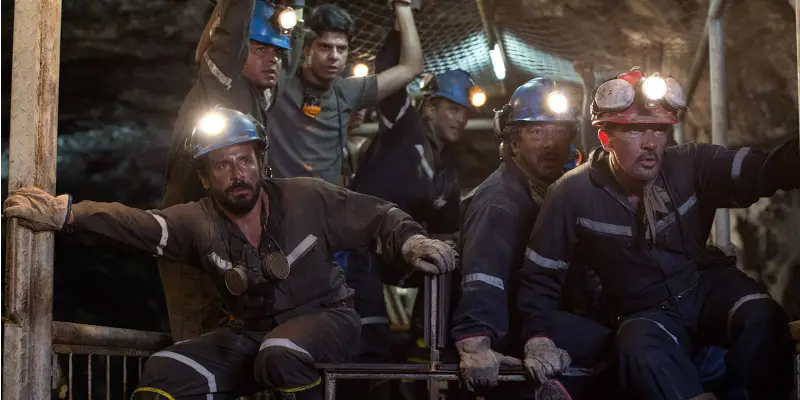
The 2010 Chilean mining incident was an enormous event that had the rare ability to unite most of the world to help the victims. The event gained massive media coverage and resulted in books, interviews, TV specials, etc. So, of course, a movie revival was inevitable.
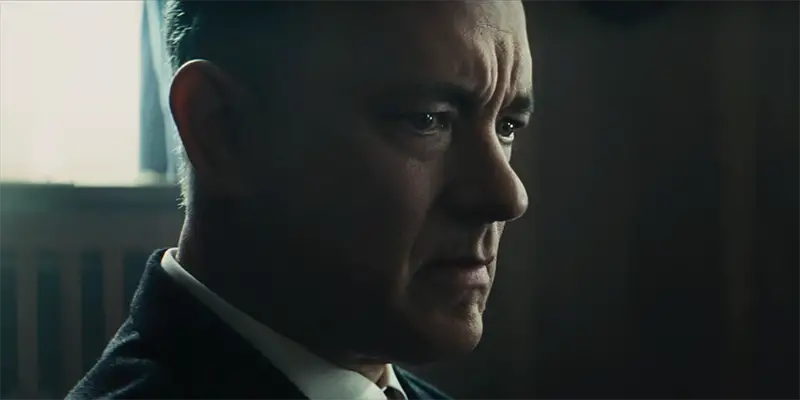
Bridge of Spies is not what I would call a happy film. Gray snow envelopes the dilapidated East German cityscape and we find Tom Hanks’s character interacting with others primarily in poorly lit, often dank rooms. Nearly all of the characters are entirely self-interested with blinders positioned perfectly to block out the undesired effects their actions can have on others.
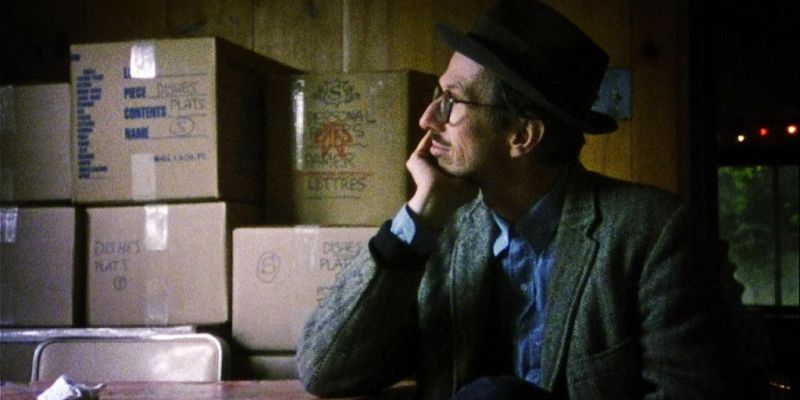
There is a common misconception that documentaries are somehow easier than traditional narrative film making, that all it constitutes is finding something interesting and pointing your camera in that direction. But that is precisely because that is how they are intended to appear. A great documentary is like a great matte painting in a Hollywood feature; it looks completely real and thus its artifice is practically invisible, but it was actually created with extraordinary craft and is the result of a series of artistic choices.
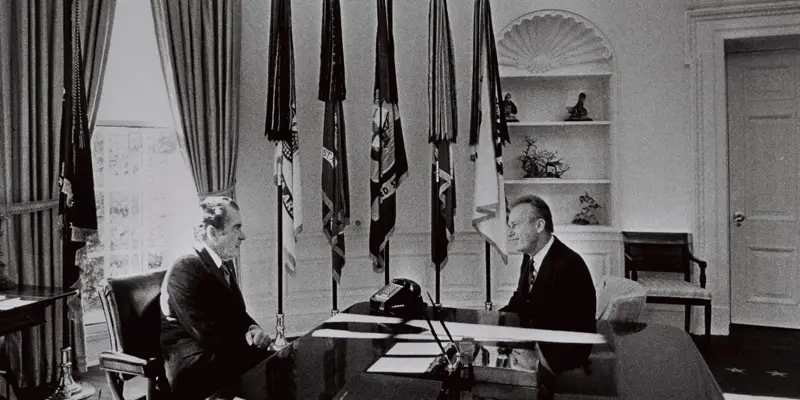
The Israel-Palestine conflict has been an enduring presence in our lives for generations now. Many know little about it, other than that it’s a perpetual and unfortunate situation with little hope for sustained resolution. They are unlikely to add significantly to that knowledge through a viewing of The Prime Ministers Part II:
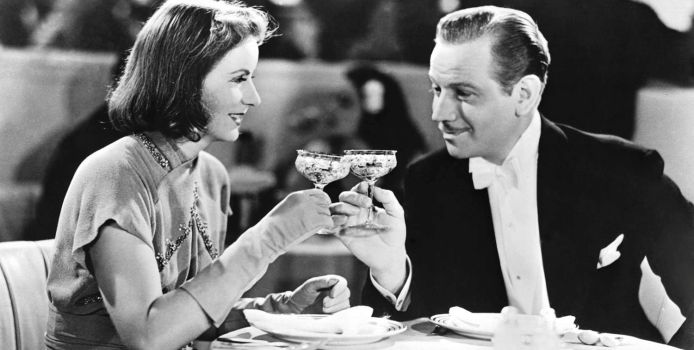
“Comrades! People of the world. The revolution is on the march.
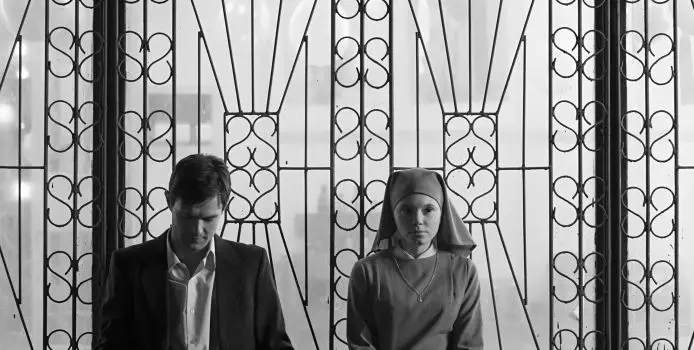
The film Ida by Pawel Pawlikowski is admired by critics and viewers around the world. The movie won awards at important international festivals and it was nominated for an Academy Award in the category for Best Foreign Language Film. A glimmer of hope woke in the Poles after winning a golden statue:
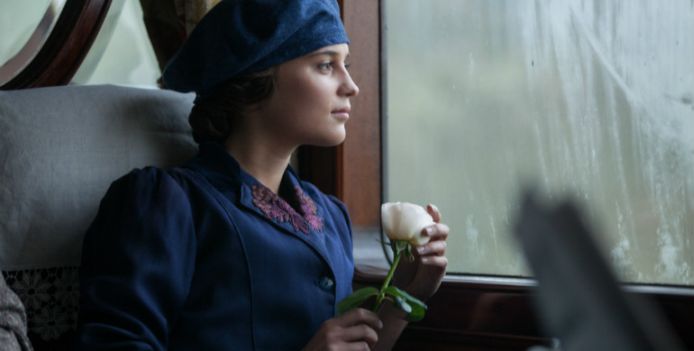
Testament Of Youth is based on Vera Brittain’s memoir of the same name. Her book pays homage to her own losses while growing up during World War I, but also the great loss felt by her generation. Brittain’s book is perhaps unique in that in the UK we are often told about the loss of life during the war.
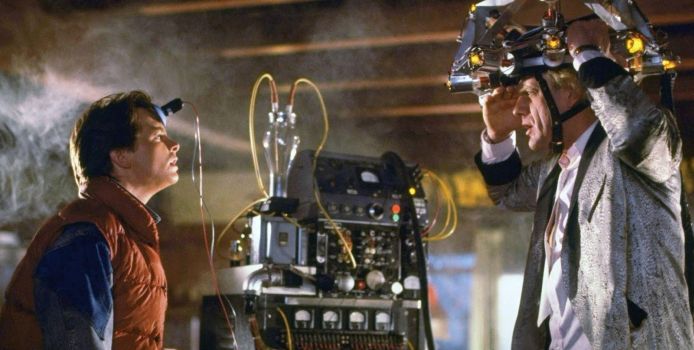
In some ways, the cinema is the closest thing we can experience to travelling through time – certainly the closest of any art form. In the dark room of a movie theatre, an audience can be transported to the distant past or spectacular visions of the future, and even in watching films from the 30’s and 40’s we can look at the lives and faces of people who died many years ago. Time travel became popular as a literary device with HG Well’s The Time Machine – published in 1895, the same year that the Lumière Brothers made Arrival of a Train at La Ciotat.
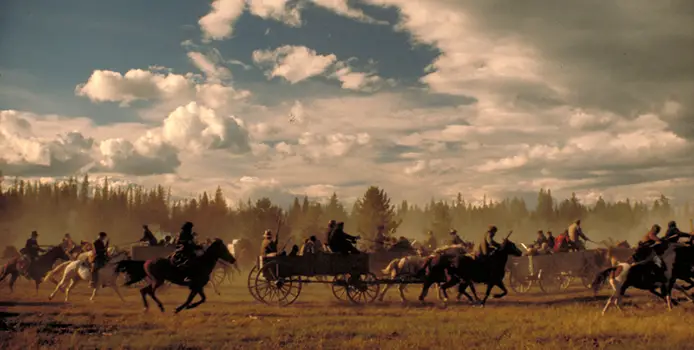
The New Hollywood – The End of an Era By the late 1970’s, the film industry had undergone a renaissance. The New Hollywood movement made it so the directors were the “auteurs” of their films, and artistic freedom reigned over modern movies. Unfortunately, all great things must come to an end, and the demise of The New Hollywood movement was on the horizon.

If you look at the films of Hong Kong before and after 1997, there is a striking difference. The action films leading up the nineties were fast-paced, tough, gritty with an edgy quality that paralleled Hollywood’s assembly line modeled studio era. The years surrounding the handover of Hong Kong to mainland China around 1997 proved to be an uncertain time for Hong Kong’s bustling film industry.
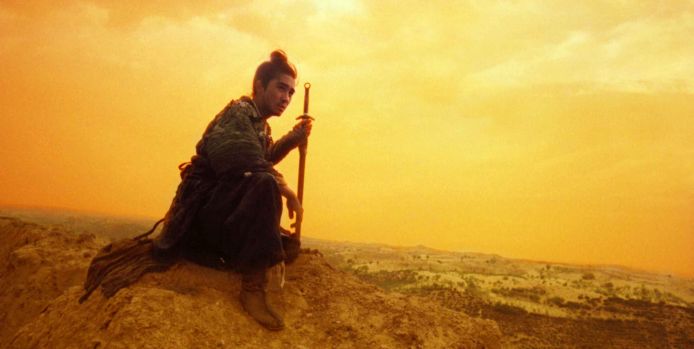
The 1980’s through the years leading up the handover in 1997 were paramount in Hong Kong’s long-running series of action films. They have yielded some of the best titles to have emerged from the crown colony as it was in this era. The very words “Hong Kong” at this point in time stirs up images of hit men wielding two handguns, flying swordsmen, and an endless array of bright neon lights.
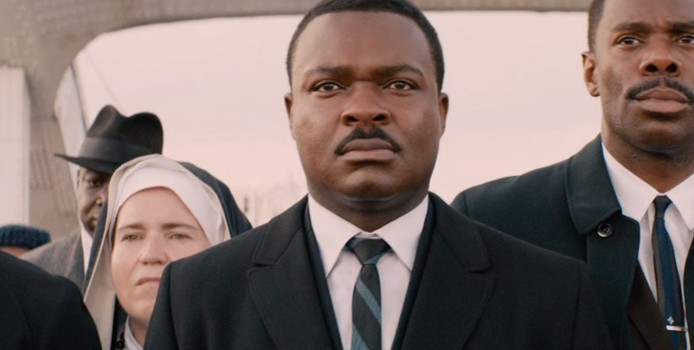
John Legend and Common’s powerful performance of Best Original Song nominee, “Glory,” and brave acceptance speech was one of the highlights of the Oscar ceremony last week. That song was a resonant soul/hip-hop combo that captured the atmosphere of its source film well: Ava DuVernay’s Selma, a historical drama about Martin Luther King and the Voting Rights Act of 1965.
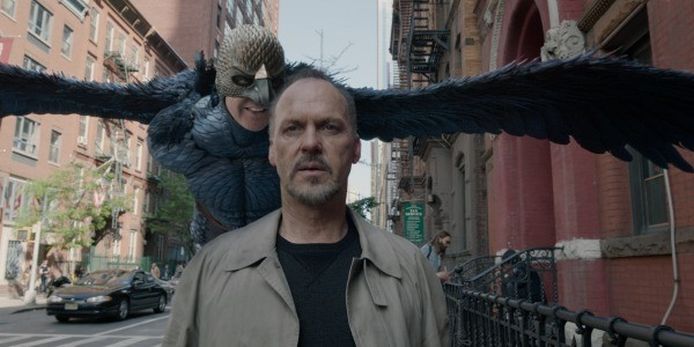
Awarding movies with titles like “Best Picture” is a bit of an overstatement when you consider what goes into making a movie. And when you look through the winners over the years it’s frequently a surprise when you see who won, and the films that got snubbed. For example, 1998 is the year when Steven Spielberg shocked us with his WWII movie Saving Private Ryan, and yet Shakespeare in Love walked away with the Oscar for Best Picture.