

horror
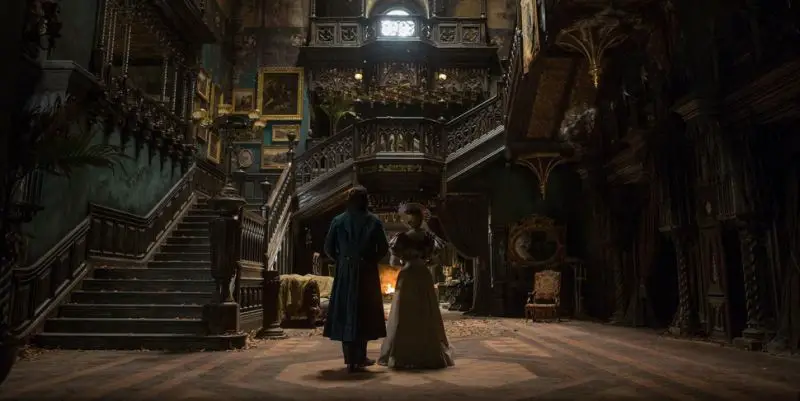
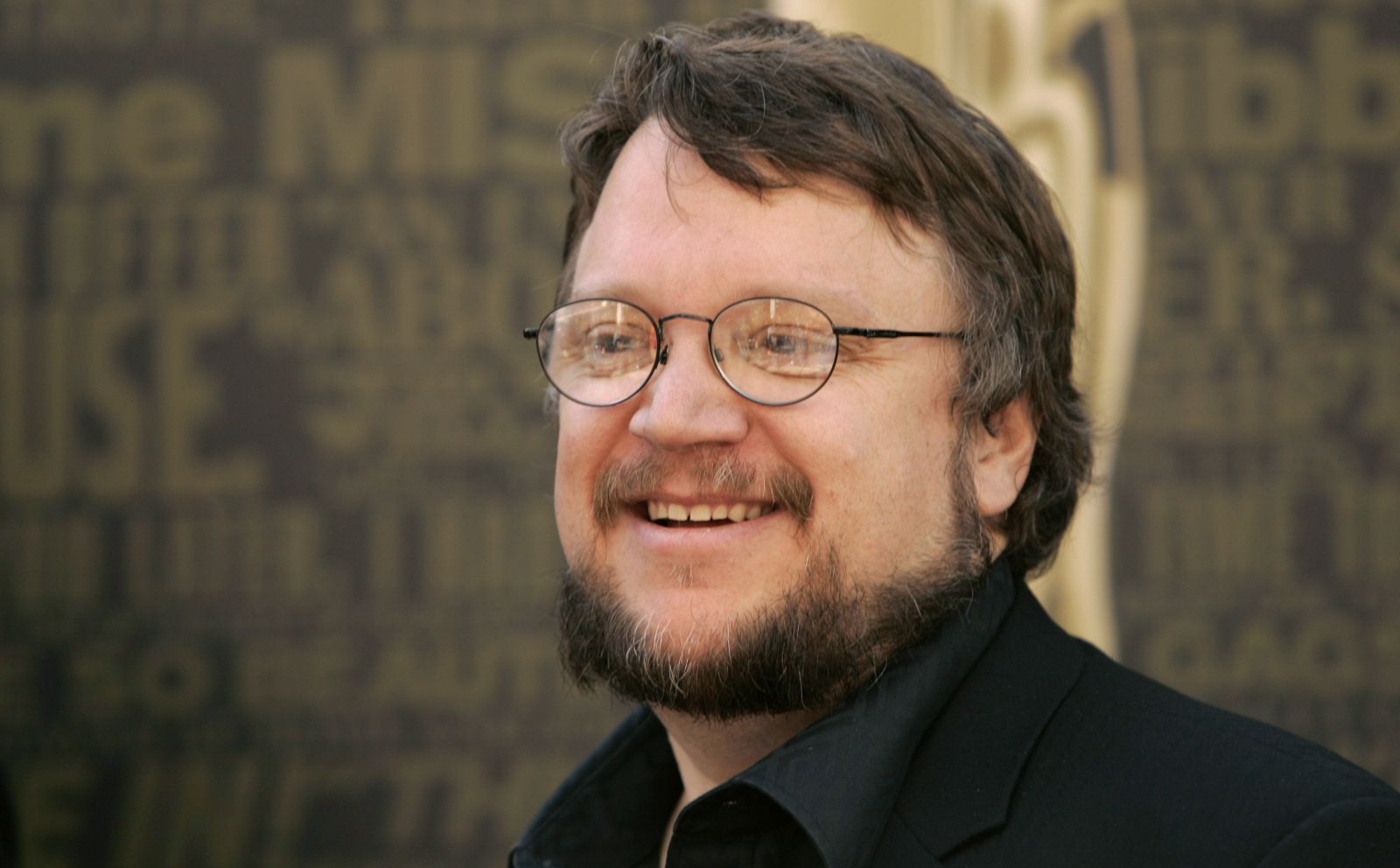
While most genre filmmakers have a hard time choosing between style and substance, Guillermo Del Toro has become the best filmmaker in the fantasy genre by giving equal weight to the visual design and emotional weight of the narrative; both complement each other in the best of his work. Even in a simple blockbuster movie like Pacific Rim, the substance is always there to be seen due to the clear love for the old-school Kaiju movies that inspired it – to date it is the only major studio tentpole blockbuster that feels like the personal passion project it was devised as. Crimson Peak is Del Toro’s return to gothic fantasy, his first film in the English language that could be comparable to his two Spanish Civil War fairy tales, The Devil’s Backbone and Pan’s Labyrinth.
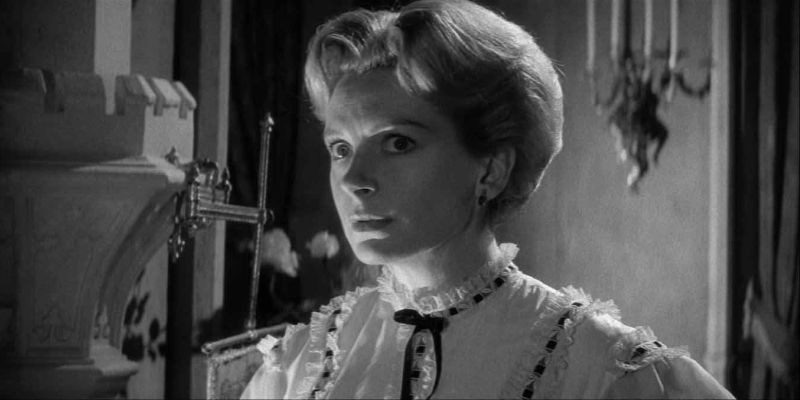
Miss Giddens (Deborah Kerr), the new governess for two orphaned children in Victorian England, arrives at their idyllic country estate in the beginning of the psychological horror film, The Innocents (1961). The naive young woman, who has a lived a solidly middle class existence as a vicar’s daughter, marvels at the stately home and spacious grounds. Everything, including her two young charges, seems innocent and perfect.

Every year I seem to arrive at an impasse with horror films. Like many other lovers of the genre out there, we will always have love for Jason, Freddy, and Michael Myers (just tell Rob Zombie to cut it out). But when you’ve seen one too many teens by the lake, and you hear Freddy say “bitch” one time too many, you realize there’s more to the genre than just blood lust and hockey masks.
Near the conclusion of Hellboy II, we find the eponymous hero at death’s doorstep. Hellboy is laid at the feet of his personal Angel of Death, a shrouded, veiled monstrosity whose ragged wings are festooned with a series of enormous, amber eyes. Elizabeth Sherman, Hellboy’s partner, cradles his unconscious body in a pose reminiscent of the Pietà, an aesthetic emphasized by the magical spearpoint thrust into Hellboy’s side.
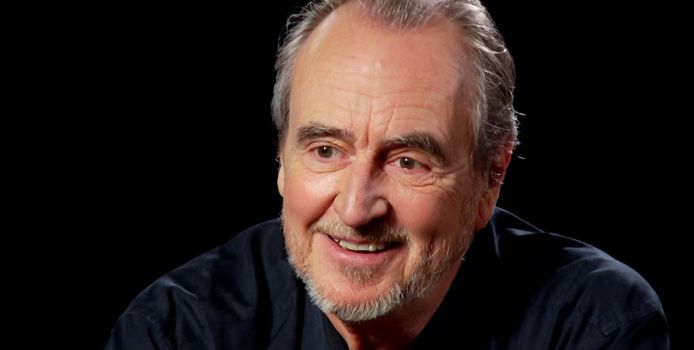
When you think of horror movies, one name should spring to mind: Wes Craven. He reinvented the teen horror genre and made it his own, alongside creating the most feared character in the horror genre:
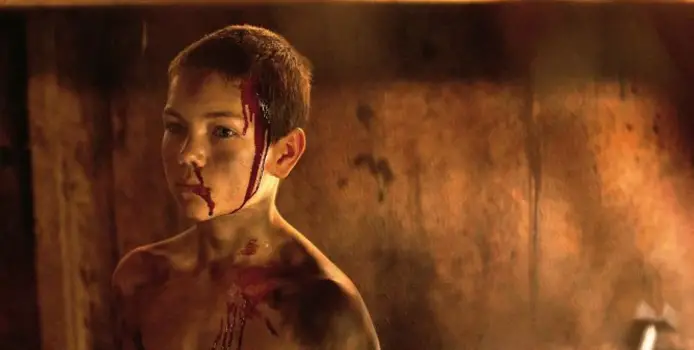
One problem with modern society at the moment seems to be an obsession with nostalgia, which is being milked by marketing companies. This has bled into the hipster movement and has lead to the larger debate of analogue vs digital as digital technologies develop. It is now bleeding into every aspect of pop culture, and it is one which can be seen in film.
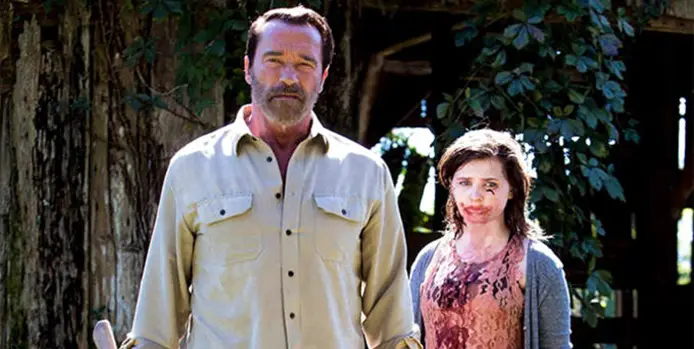
If there is ever a fitting description for Arnold Schwarzenegger’s cinematic persona, then it is this: action film hero. Time and time again, we’ve seen the ex-California Governor’s face adorning several iconic titles, portraying mere mortals (or robots in Terminator’s case) possessing near-superhuman ability, an eye for supersized weapons and a knack for crisp one-liners.
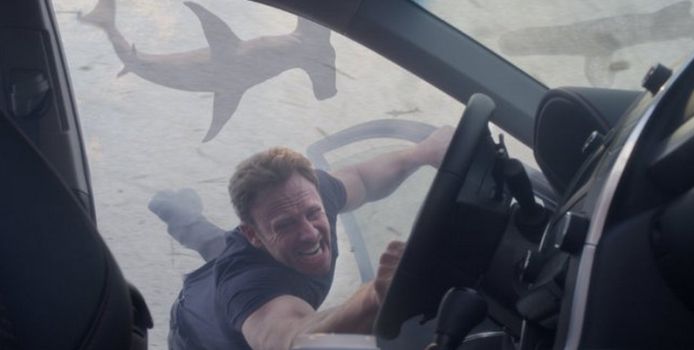
Whoa! Frankie Muniz? I thought he was racing cars after Malcolm in the Middle.
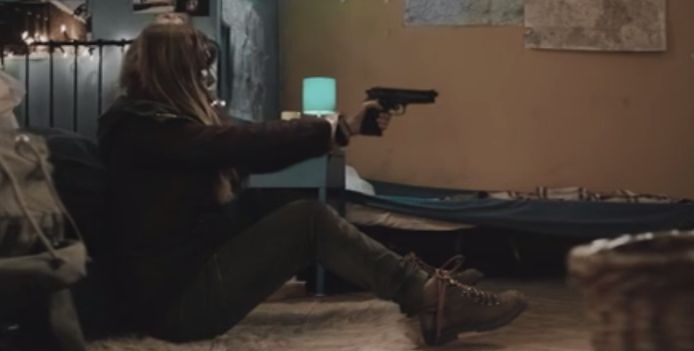
Five Minutes is an interactive short horror film set in a future where the world is overrun with zombies. After being infected, dad John knows he only has five minutes before he turns. But he is loathe to leave his daughter, Mia.
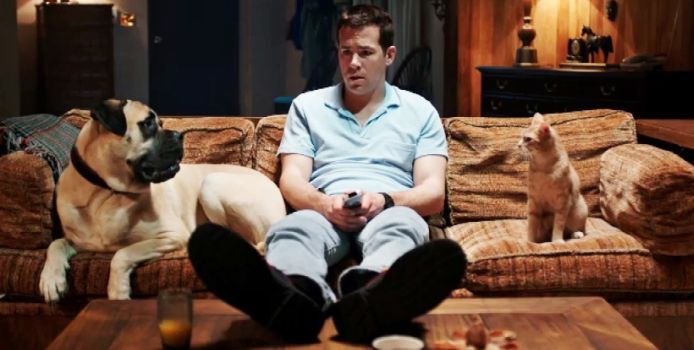
The Voices, the English language debut of French-Iranian director Marjane Satrapi, unarguably gives Ryan Reynolds the best acting role of his career. Sadly, his gleefully maniacal performance is the sole positive – and that is most likely due to the lack of interesting roles he’s been given throughout his career that make this performance stand out in comparison. The character he’s playing is badly devised and written, yet Reynolds somehow manages to make the character compelling.
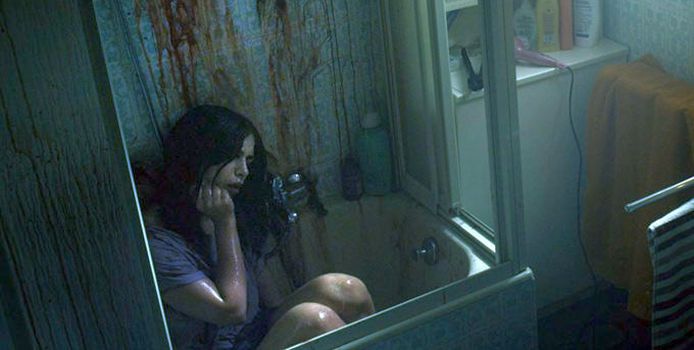
They say that love conquers all. Whether that is racial or gender inequality, the struggle of the underclass, global conflict or even the gulf of time. No matter what, there is a belief that love can cross all boundaries and transform the lives of those who experience it.
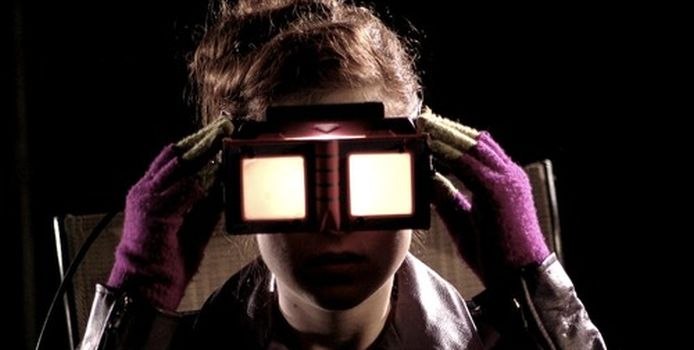
I sat down to watch independent, experimental film How the Sky Will Melt by Matthew Wade the other night with my fiance. Other than bragging about my fiance, I’m including him in the article because he is so very not like me. His favourite movies are comedies, he laughs at fart jokes, and I’m not sure he’s ever seen a David Lynch movie.
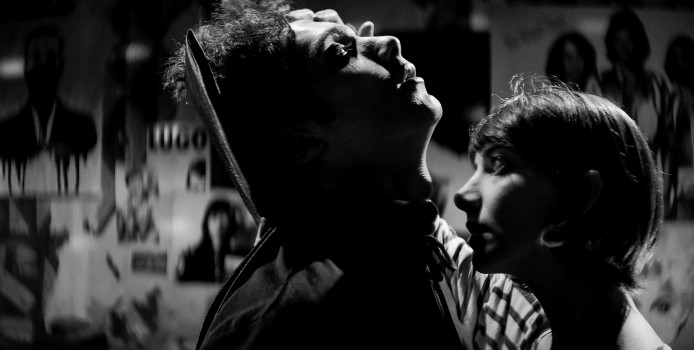
About 20 minutes into A Girl Walks Home Alone at Night, the local drug dealer, Saeed (Dominic Rains), takes a girl (Shelia Vand) back to his flat. His place is pretty pimped out. Think a toned-down version of Alien’s crib in Spring Breakers – the mounted animal heads, the fur carpets and nice furniture, the suitcase filled with drug money and coke lined up on the glass table next to it.
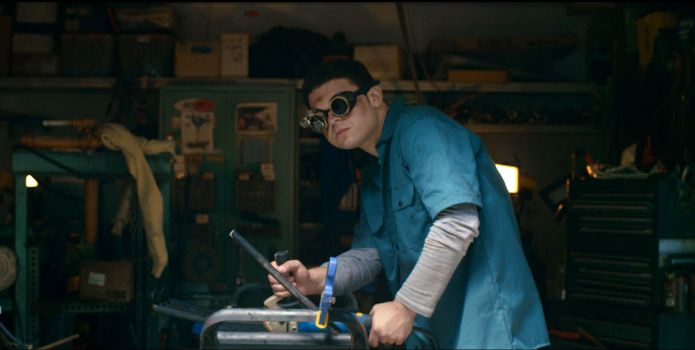
Super Zero is a short by the filmmaker Mitchell L. Cohen. The story centres around Josh Hershberg, a young guy with not much to live for who discovers he has terminal cancer.
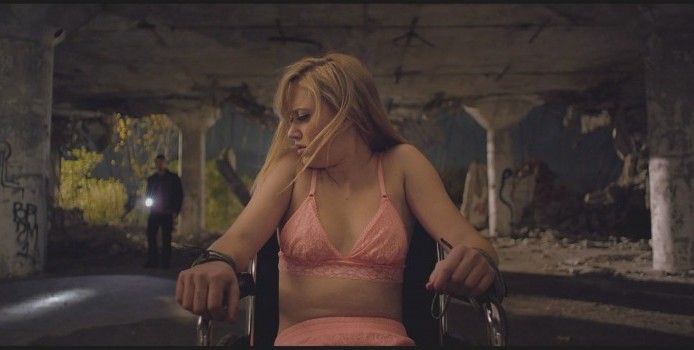
With the blockbuster success of Fifty Shades of Grey in cinemas worldwide, many pundits are claiming that this marks a new era for “sex positive” movies – and much more importantly, the basic idea of a woman being as sexually open as her male counterparts not being a source of cinematic shame, but one of pride. It has only been two decades since what I dub the “unofficial Michael Douglas misogyny trilogy” of Fatal Attraction, Basic Instinct and Disclosure hit cinemas, films that (like Fifty Shades) were successful due to their frankness of sexuality. Yet those movies were inherently misogynist in suggesting that women were mentally unstable, or just plain evil for daring to be as open about their sexuality as men.