

thriller
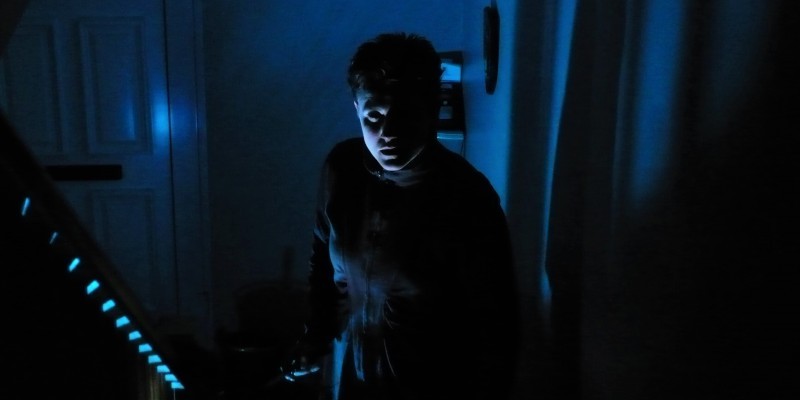
Sometimes watching a movie can feel like a duty. Maybe that’s because I take movies too seriously sometimes (okay, maybe all the time). But explaining why a movie fails is fraught with questions about my own expectations of a movie as they relate to the quagmire of unknowns about the creators’ intentions, let alone the practical budgetary constraints and other contingent aspects of an independent or studio production.
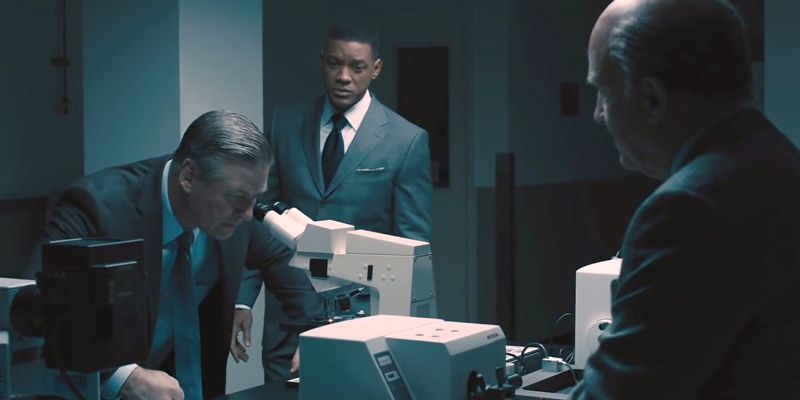
Concussion does to the sports film what I was sincerely hoping it would avoid: it dramatizes its subject in such an unbelievable way that it becomes nothing more than mindless propaganda. Dealing with the true subject of brain injuries within retired NFL players, the film simply floats from one cliché to the next, which left me feeling almost dazed after it had finished.

Frank Sinatra, whose 100th birthday would have been this December, was one of the great entertainers of the 20th century. He had an exceptional voice that made him perhaps the most influential vocalist in history, but Sinatra doesn’t sing a note in his best movie, the Cold War thriller The Manchurian Candidate (1962). This deft political drama, which wouldn’t have been made without Sinatra’s intervention, uncannily predicts many of the tumultuous events of the 1960s and beyond.
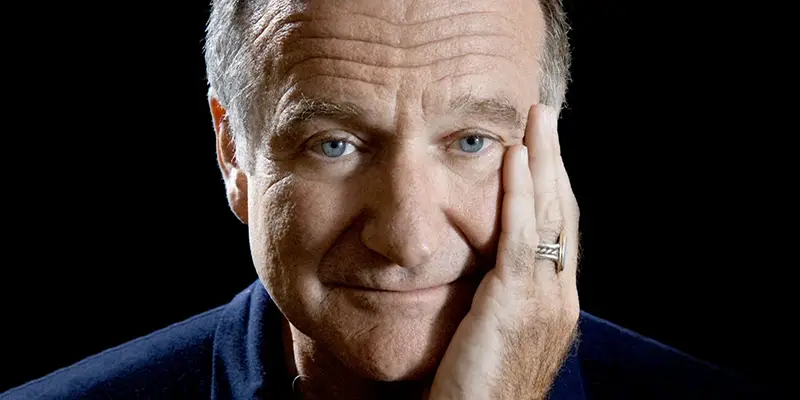
If there is any Hollywood star that could be named among the most influential among both adults and children, it would be Robin Williams. As an actor who went from a stand-up comedian in the 1980s to arguably the most beloved star in the film industry, Williams maintained his memorable and popular status among viewers by his diverse performances and his particular choice of films. Sadly, Williams passed away in August 2014 following complications of depression that are still being investigated today.
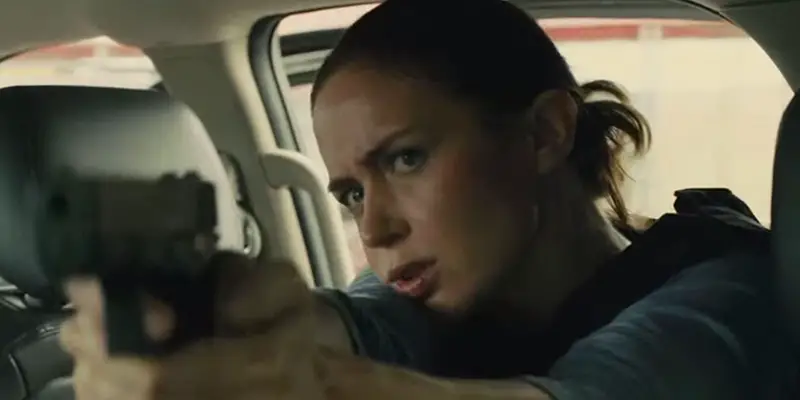
“Your American ears won’t understand, your eyes will see things that make no sense, but in the end you’ll understand,” DOD Operative Alejandro (Benico Del Toro) Brazen sunlight beats down on the terrain, voiding any visible shadows. Homes and domiciles of the Phoenix desert fill and occupy the frame, and the camera remains momentarily stationary. But then, in an instant, the machinery that captures and reproduces light stirs and begins to pan from right to left across the suburban community; as human beings, FBI agents in full riot gear with guns pointed, to be precise, enter into the picture.
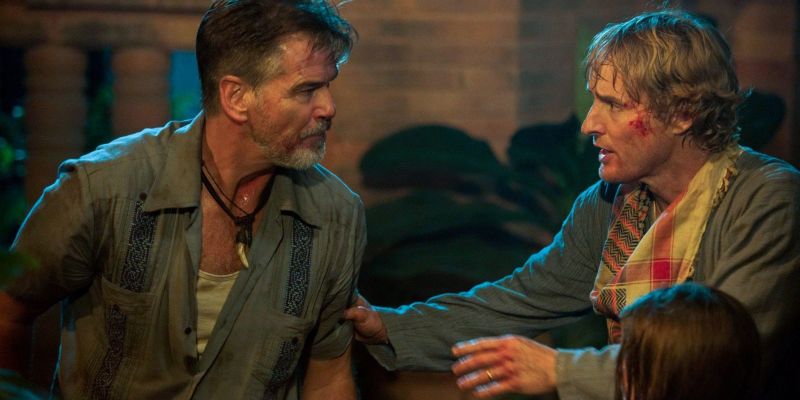
The first I heard of No Escape was in a radio interview with Lake Bell. I’d been a fan of hers for a while, and being still in awe of her performance in Man Up, I was enthralled by her explanation of why she had taken on an action film. She talked of how it was important to her to gain new experiences so she could learn more about herself and her craft.
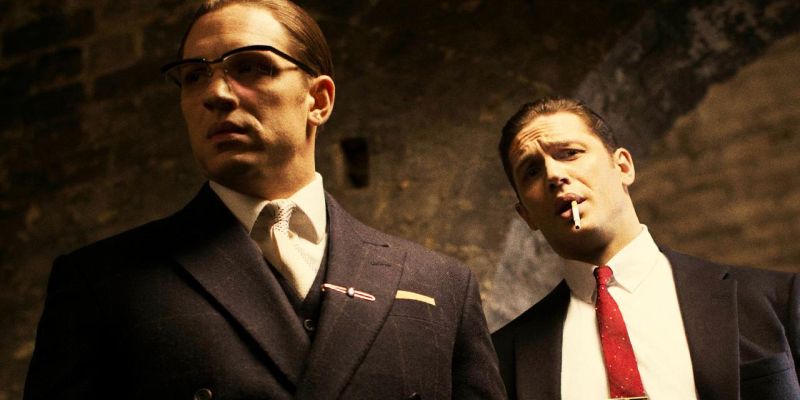
From the minute of its inception I had high hopes for Legend. An earlier attempt at a biopic of the infamous Kray twins has largely been forgotten, starring as it did the brothers from Spandau Ballet. But this one, starring Tom Hardy as both Ronnie and Reggie, with a plethora of great British actors in supporting roles, looked promising.

In 1960, Alfred Hitchc*ck saw the future. The British director had been a force in cinema since silent films, but the 1950’s were by far his most successful decade at the movies. He churned out blockbuster after blockbuster, all filmed in gorgeous color with top Hollywood stars like James Stewart, Cary Grant, and Grace Kelly.

A great director can elevate a movie that is nothing short of trash cinema into something masterful. Throughout his career, Orson Welles repeatedly chose projects (most notably Touch of Evil) as a challenge to see whether he could make a good movie out of source material that was far closer to the gutter than the stars. A cursory glance at some of the best directors of all time, from Welles and Alfred Hitchc*ck to David Fincher and Steven Soderbergh more recently, reads like a list of directors who enjoy cinema at its silliest, yet are such technically skilled filmmakers with a clear love for genre filmmaking that their movies are only ever laughable in a knowing way.

After five movies and nearly two decades, you would think that the Mission: Impossible series would begin to lose its momentum. Remarkably, the series is still just as strong as ever, maybe even more so, with both Ghost Protocol and the latest, Rogue Nation now peaking as my top favorites.
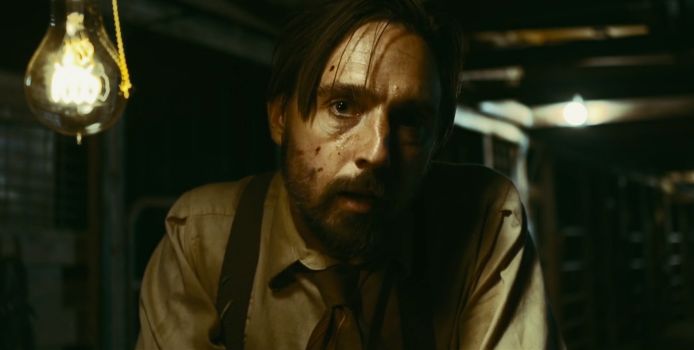
“A Cajun devil hunter goes to the crossroads and meets the devil’s attorney”. The compelling summary of Chasseur had me hooked before I even started watching, let alone the mesmerising central performance from the film’s writer and director, Christopher Soren Kelly. An unconventional structure, perhaps, but a successful one.
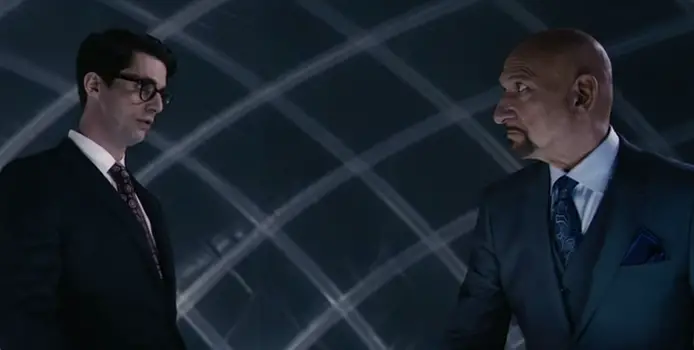
I’ve been toiling over this review for about a week now. A large portion of mainstream film criticism has shifted towards tearing down films, blatantly nit-picking all aspects of a movie and continuously shouting nasty adjectives which seemingly constitutes as a review of a film. I get why it’s so big nowadays, being angry at or disappointed in something will always get a more humorous and memorable responses.
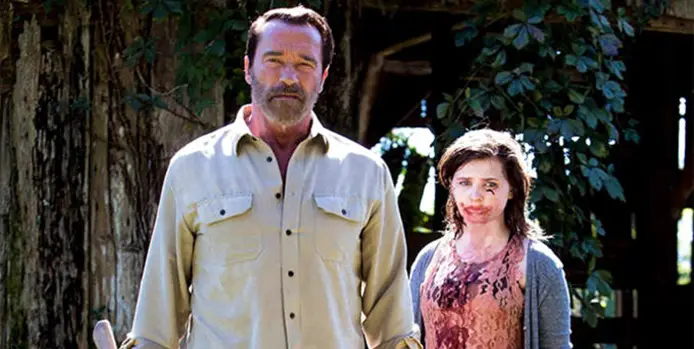
If there is ever a fitting description for Arnold Schwarzenegger’s cinematic persona, then it is this: action film hero. Time and time again, we’ve seen the ex-California Governor’s face adorning several iconic titles, portraying mere mortals (or robots in Terminator’s case) possessing near-superhuman ability, an eye for supersized weapons and a knack for crisp one-liners.
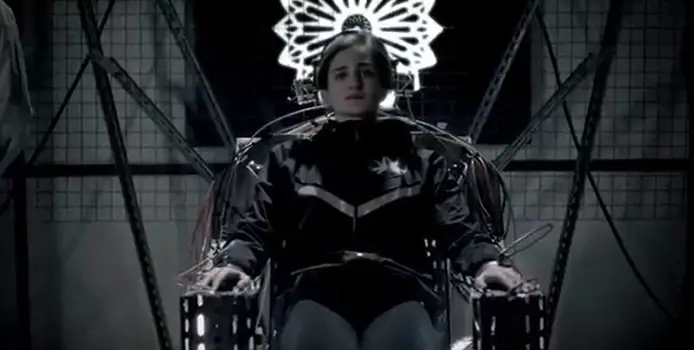
Hereafter is a short supernatural film written and directed by Johnny Kenton. The product of a Kickstarter campaign, the film is about a young woman named Katcher (Lydia Wilson), who is called up to try out for a group called ‘The Guardians’. Who are they guarding?

Even though I may make it look like any idiot can do it, writing reviews is far from easy. The hardest things to review aren’t the plot-heavy science fiction movies or the obscure art house efforts with impenetrable plots like you would imagine – the most difficult movies to review are the films that are just plain boring. I watched Child 44 two days ago, where I made up 100% of the audience for that screening – in the two days since, I have found myself struggling to remember quite a lot of it.