

United States

Fading Gigolo is the comedy written and directed by John Turturro, who also plays the lead role of gigolo Fioravante. Woody Allen plays Fioravante’s pimp, Murray. Both men are in need of cash as their flower and book stores aren’t doing so well.

Christopher Nolan, Wally Pfister, Johnny Depp, Morgan Freeman… The big names attached to this film as well as the potentially great story all promised a pretty awesome movie. The movie, however, did not live up to the promise, at all. Transcendence tells the story of the great, famous computer scientist Will Caster (Johnny Depp) and his wife, Evelyn Caster (Rebecca Hall).

This post first appeared on CinemaAxis.com – David & Me will be screened at the Hot Docs Canadian International Documentary Festival that takes place between April 24 and May 4, 2014. David & Me is a documentary created Ray Klonsky and Marc Lamy – the former also being the “me” in the title.
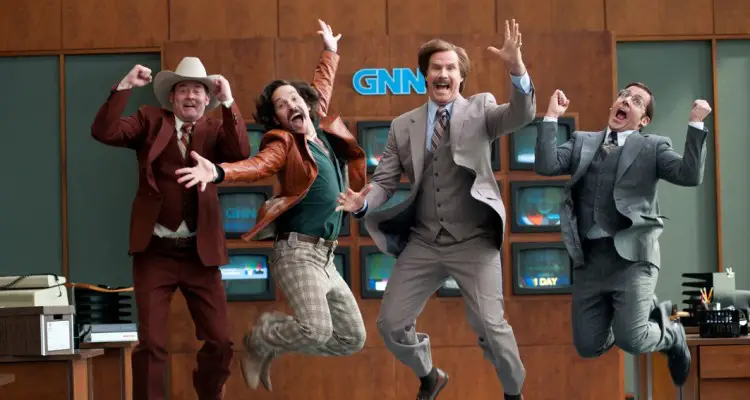
Anchorman 2: The Legend Continues, a misnomer because the comedy was sloppy. It was nine long minutes before my first laugh.
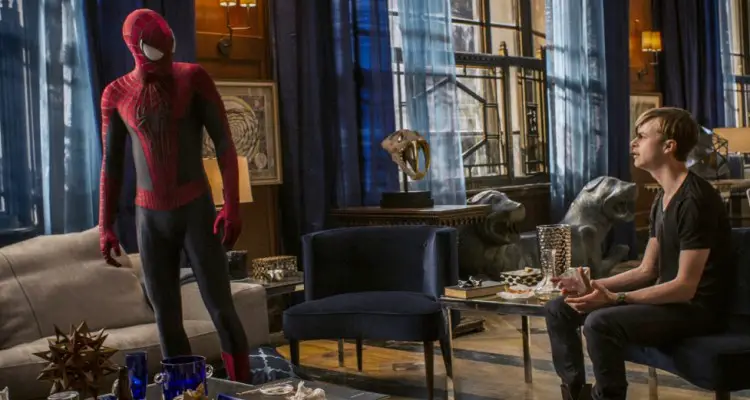
Last night I attended the Australian premiere of The Amazing Spider-Man 2, and because it won’t be released in the US for another two weeks, I had to hand in my phone. My phone’s my only way of telling the time, and during the movie, I constantly felt like grabbing for my phone to check how late it was. The movie felt like it was taking forever.
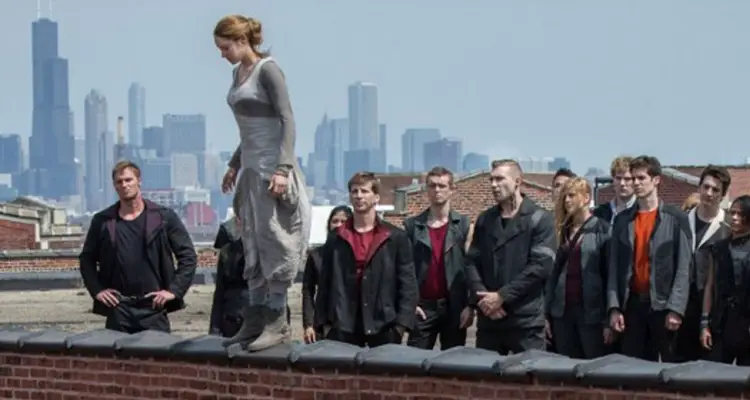
Divergent’s a fun, entertaining movie, but it has a few flaws. We discuss whether the film lived up to the book, and its glorification of extraversion.
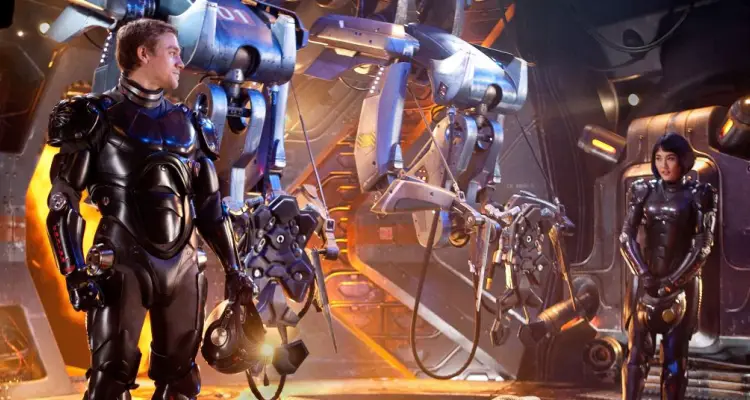
Tyler Rowe’s review of Guillermo Del Toro’s Pacific Rim. Those kaijus and robots were awesome, but we wanted MORE. Of everything.
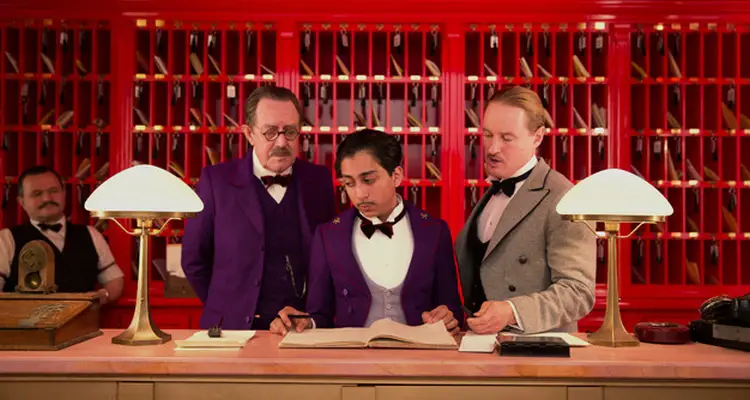
Wes Anderson can be an acquired taste. Settling on gathering enjoyment from his films can come after much deliberation as to whether he’s serious about the utterly finicky nature he employs in his chosen colour palettes, set construction, camera movements and scrupulous plot details. But his films carry far more value than the kind of hipster magnetism that seemingly oozes out of them.
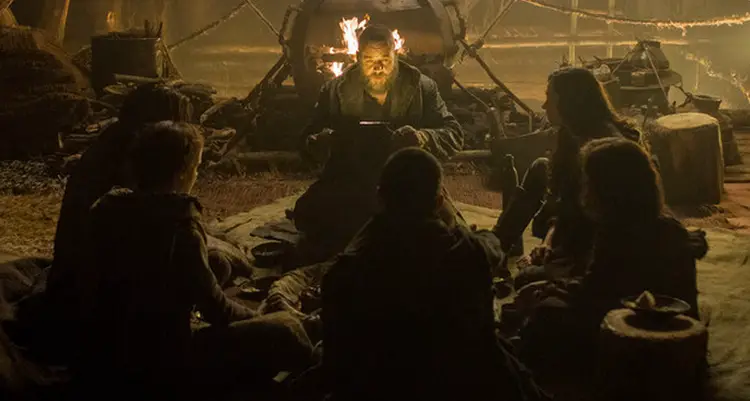
Noah is surreal and magical: nothing what you’d expect of a Bible retelling, but everything you’d expect from Darren Aronofsky, and it’s a piece of art.
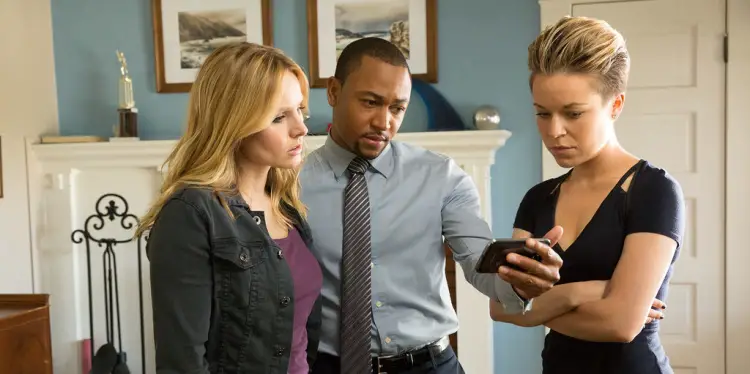
Kristin Bell is back as Veronica Mars! Kimberly Gamble, a “Mashmallow” herself, reviews the movie.
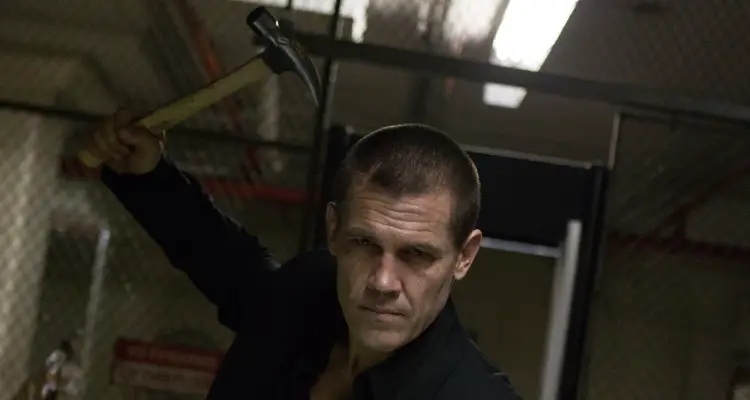
In this 2013 American “reinterpretation” of Park Chan-wook’s Oldboy – which was itself loosely based on a ‘90s manga by Tsuchiya Garon – a misogynistic, binge-drinking ad exec (Josh Brolin) is mysteriously abducted and held captive for 20 years without any explanation. Then, just as suddenly as he was taken, he’s released back into the world with a stack of cash, a phone, and a hankering for bloody, violent vengeance to help him find out why he was kidnapped in the first place. Full disclosure:
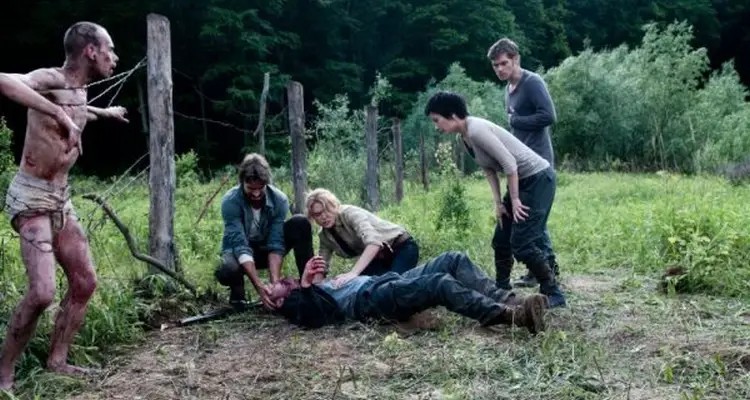
Open Grave has been described as a philosophical journey, but it’s just a story about fear and survival that leaves you in the dark for most of it. Review by Tyler Rowe.
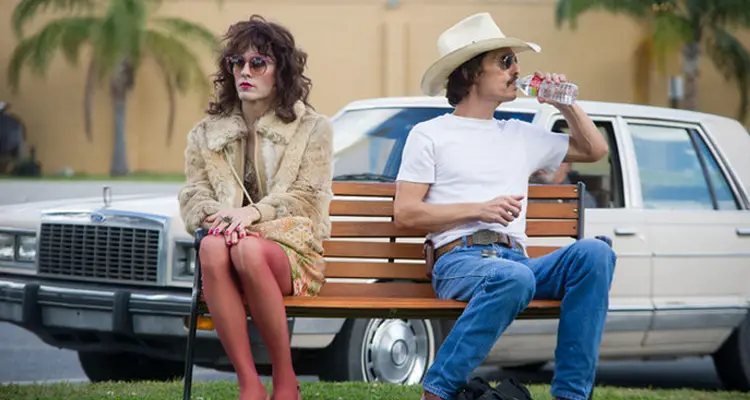
Dallas Buyers Club isn’t just a story about a dude in the 1980’s that got AIDS and built a drugs emporium – it’s much more than that.
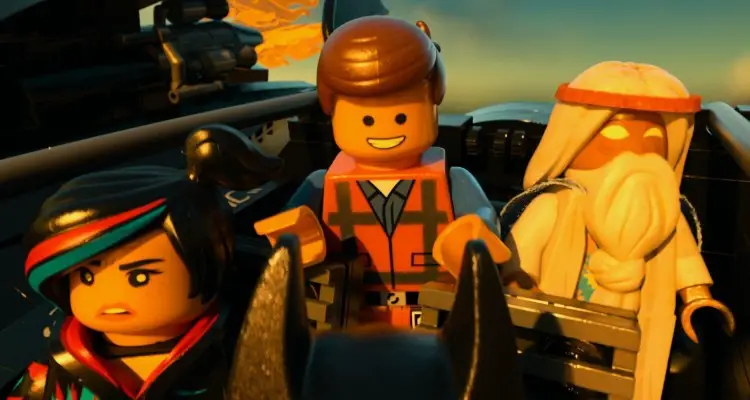
Don’t we all love overpriced coffee? For one, The Lego Movie is chock full of adult humor, and makes for an excellent watch for the grown-ups among us, too.
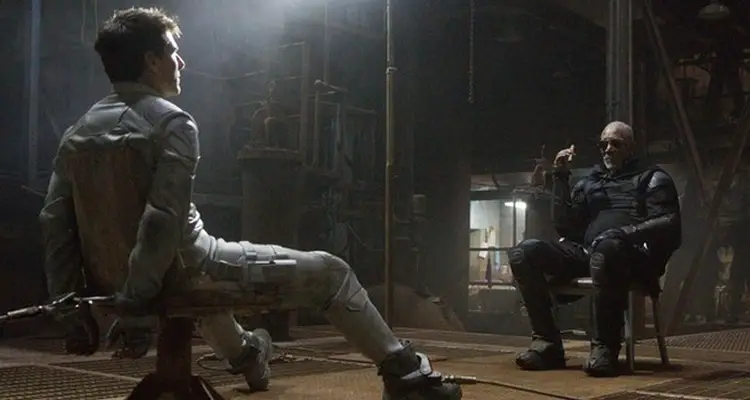
Oblivion was a movie I’d been looking forward to as I’m a huge (dystopian) sci-fi fan. Unfortunately, it was quite a disappointment. Rarely have I seen a movie as unoriginal as this one.