

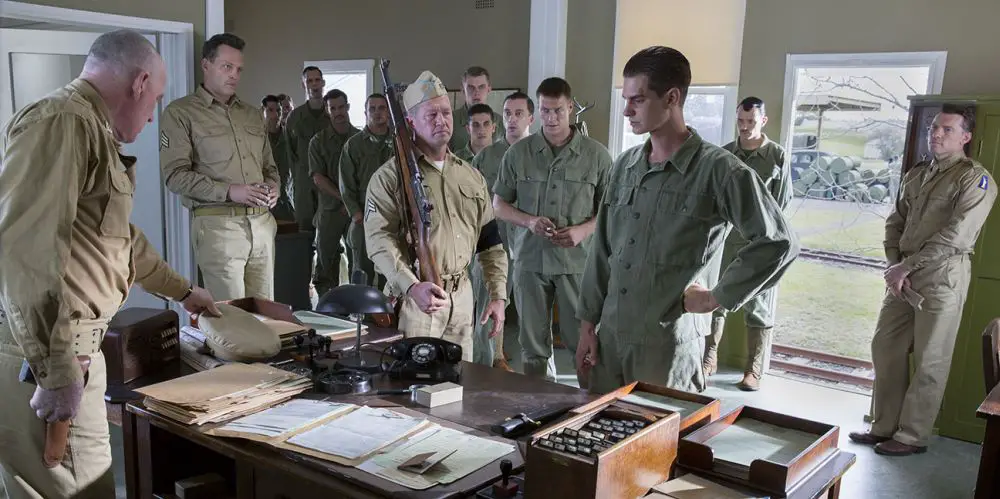
The story of an exemplary man has been paired with a profane filmmaker, forcing everyone to decide yet again if art should be separated from the maker. Advertisements for Hacksaw Ridge have been careful to avoid director Mel Gibson’s name given the damaging things he’s said over the last ten years. He’s largely been shunned by Hollywood during that time, and Hacksaw Ridge seems like a violent but amiable bid for reacceptance.
Horror is in an extremely interesting place at the moment. Thanks to the rise of video-on-demand platforms and new technology, barriers between creator and distributor are disappearing, the amount of independently-made films are rising and the availability of these films is quite accessible. The trade-off of this is the problem of quantity over quality, which has meant that, much like the exploitation era of filmmaking in the 1970’s, every new or original film that is successful is followed with a string of derivative imitators, looking to cash in on genre recognition or fans looking to branch out on that particular subject matter.

Interpreted from the widely popular young adult fantasy novel by Ransom Riggs, Miss Peregrine’s Home for Peculiar Children is home to the latest magical world from the mind of Tim Burton. Alas, there is no appearance from Johnny Depp or Helena Boham Carter, yet there is no doubt that the somewhat creepy, dire visuals on-screen belong to a Tim Burton film. Aside from the visuals and construction of characters, though, there isn’t much more to this book adaptation.
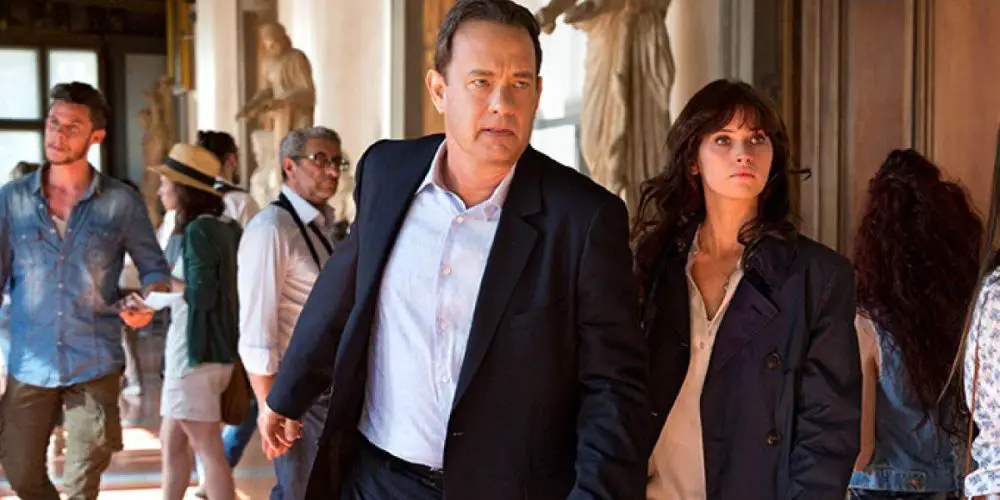
Every Tuesday, Film Inquiry compiles a list of the movies that are opening in cinemas. Opening this week are Inferno; The Unspoken; The Eagle Huntress and Gimme Danger. Note that these are based on the opening dates in the United States.

News of DC’s Wonder Woman writers abandoning her bisexual identity in favour of a completely heterosexual romance with Chris Pine’s Steve Trevor came as Gal Gadot confirmed in a recent interview that this aspect of Wonder Woman’s comic book identity will not be featured in next year’s blockbuster. DC comic writer Greg Rucka confirmed earlier this year that Wonder Woman had “obviously” been in relationships with other women as she lived much of her life on an all-female island and so “it makes no logical sense otherwise” for her to have not had same-sex relationships in the past. The decision by the film’s writers to maintain a heterosexual veneer over an originally LGBT superhero is not really a surprising one.
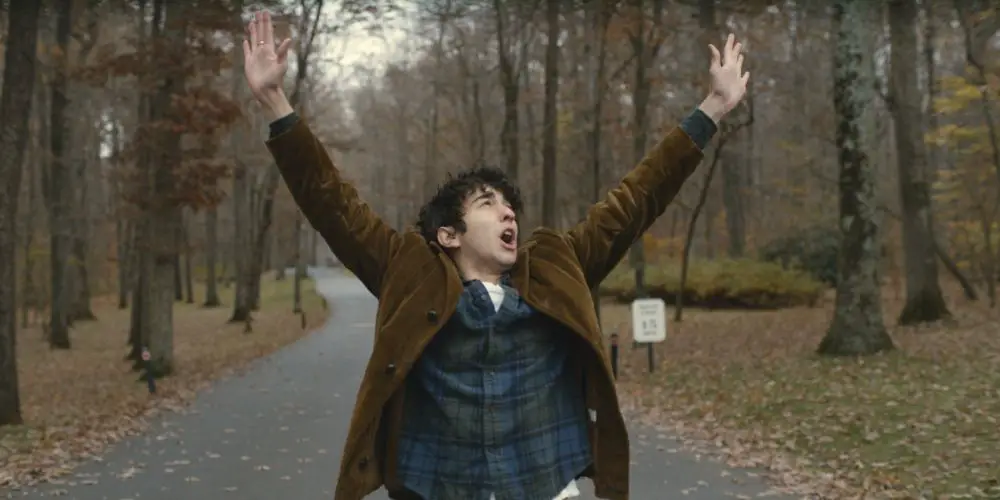
Based on the real life personal experiences of writer and director James Steven Sadwith, Coming Through the Rye offers a strange and circuitous coming of age teen drama about a young boy named Jamie Schwartz who seeks out the reclusive author of “The Catcher in the Rye”, J.D. Salinger, in 1969 New Hampshire.
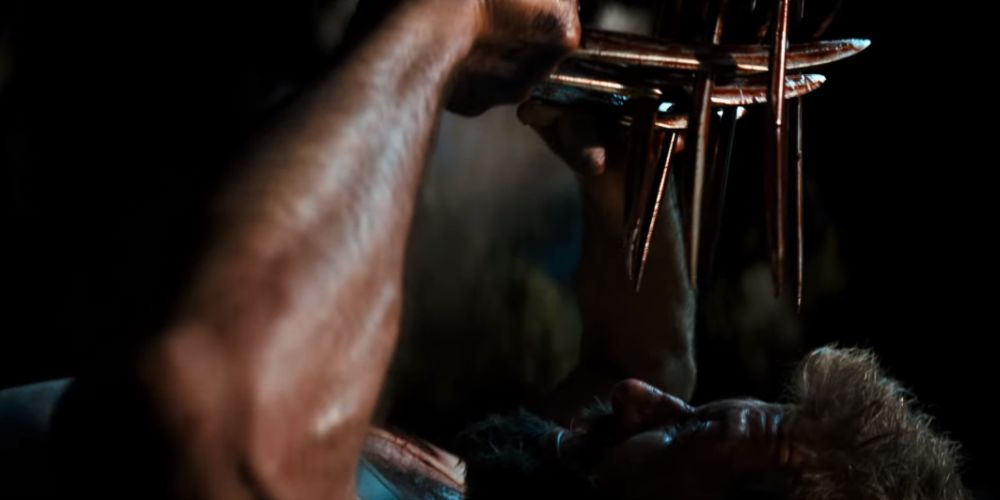
Pain has always been at the core of Hugh Jackman’s Wolverine. X-Men, the franchise opener, bonded Logan and Anna Paquin’s Rogue as the loneliest of the lonely, she for her inability to physically touch others and he for his reluctance to emotionally connect. This dynamic carried throughout the original trilogy and received a wordless nod in Days of Future Past.
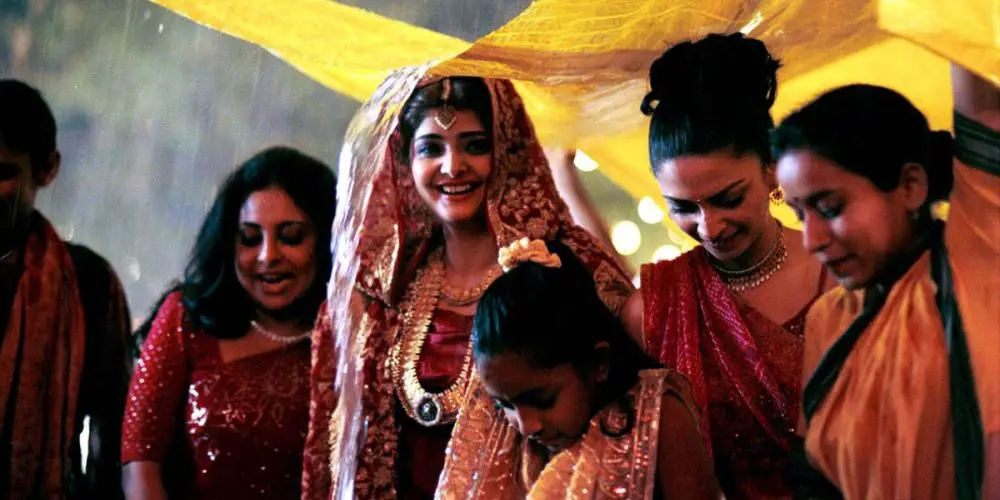
You would be hard-pressed not to find a panel discussion on the topic of ‘Women In Film’ at most leading global film festivals at present, given it’s an issue that has come into increasing focus in recent years. In the Hindi film industry particularly, matters of the portrayal of women and the disparate treatment of actresses have similarly become popular talking points. In its on-screen portrayal of women, Hindi cinema’s approach has historically been quite dire, with women traditionally being depicted as subservient and submissive, with their entire role predominantly being about the male lead.
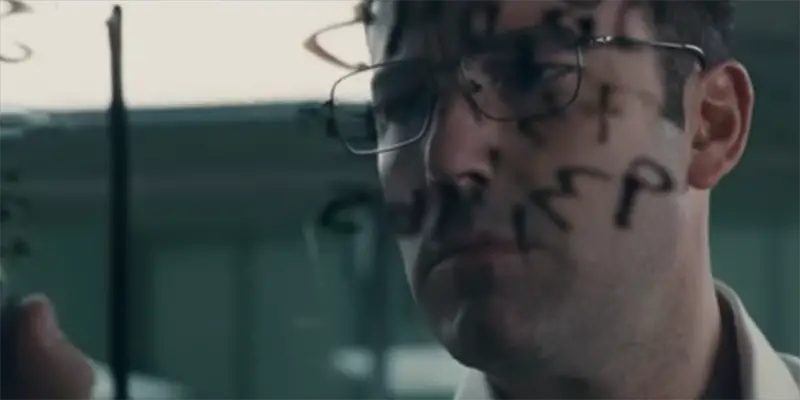
Walking out of the theater, all I could think about was how much I had enjoyed watching The Accountant. It had the right amount of action, comedic relief and character depth – specifically with the film’s main character, Christian Wolff. When it came time to sit and write about what I had seen, though, I found that this great movie may have been more lacking than I had initially thought.
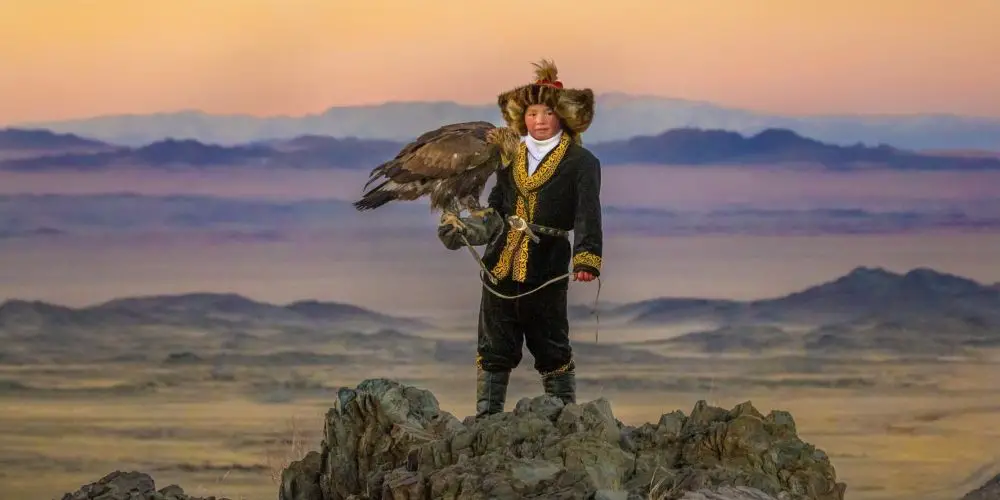
A girl holding an eagle is a cool image, and that’s pretty much the point of The Eagle Huntress, a family-friendly documentary that’s been charming viewers throughout its festival run. The film picks up the story of Aisholpan, a thirteen-year-old training in the male-dominated world of eagle hunting. She’s learning the skill from her father, and in doing so the pair are breaking the traditional patriarchal lineage.

The 60th annual London Film Festival has just drawn to a close, having shown 245 feature films from a number of different countries covering a plethora of genres. Not only that, but it has been a groundbreaking year with the British Film Institute (BFI) hosting a number of talks concerning diversity in the British film industry, while using the festival to announce the launch of its Black Star programme. It’s designed to celebrate and showcase the work of black film and television-makers in a series of talks, screenings and exhibitions running until the end of the year through a variety of theatrical and online platforms.
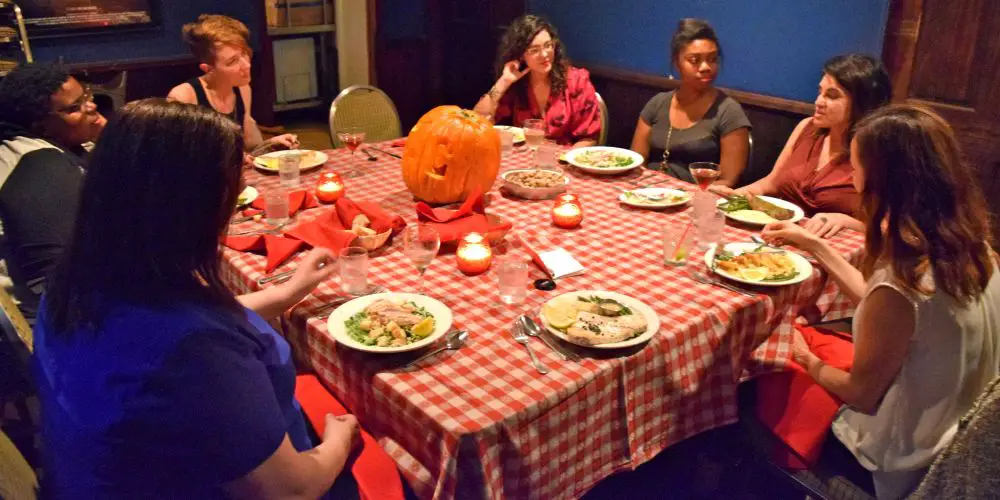
Dinner with Dames Case File Who: Jessica Sharzer, writer of Nerve and American Horror Story, with Cinefemme board, fiscal sponsorees, and referrals – Ritza Bloom, Shenee Howard, Katy Kavanaugh, Jen Mostow, Katrina Parks, Jenna Payne, and myself, Rory Gory What: Dinner 1.
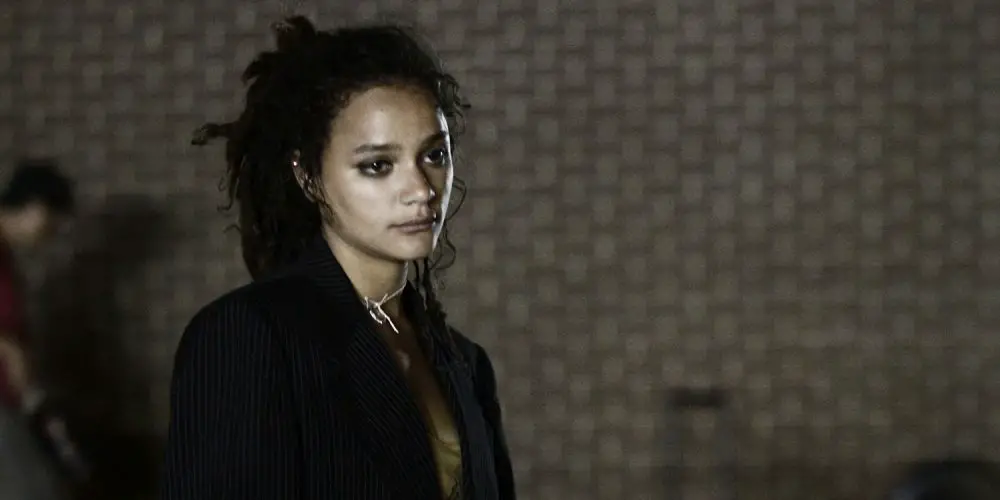
Andrea Arnold is without a doubt cinema’s leading creator of stories depicting the trials and tribulations of working class women, with an entirely non-judgemental eye. Translating her social realist style across the Atlantic, keeping the inherent themes relevant to the lower classes intact, would seem close to impossible, although due to an unfortunate stroke of luck, the Presidential election has made the general idea of class in an overwhelmingly middle class country relevant yet again. Many audiences have been so transfixed by the way Arnold and her long-term cinematographer Robbie Ryan have captured the sweeping vistas of America, a world completely alien to the council estates of earlier films Red Road and Fish Tank, that they have seemed to ignore the fact this is unmistakably a distinctive piece of work.
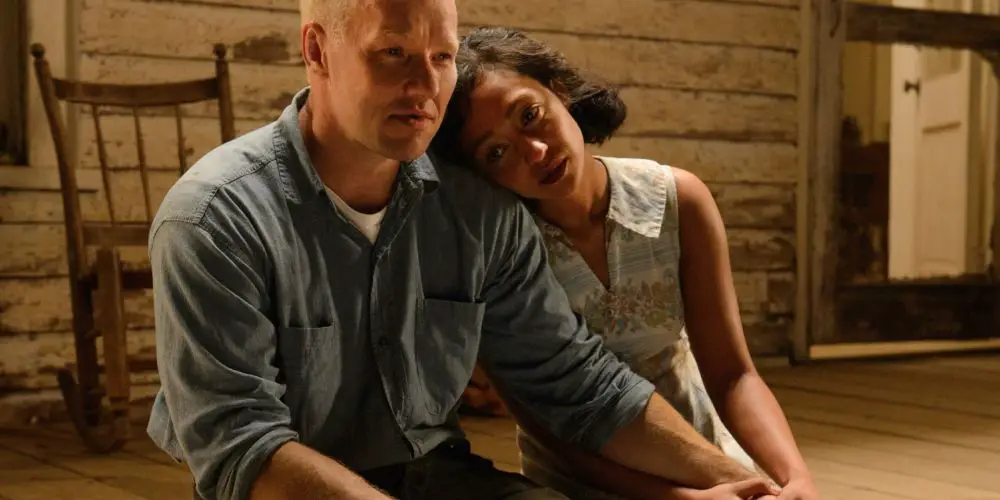
The Supreme Court of the United States unanimously ruled in favor of Richard and Mildred Loving in 1967, overturning their conviction in the state of Virginia and effectively legalized interracial marriage across the nation. The court’s decision can hardly be considered a spoiler for Loving, though, as the case has regained national attention in recent years. The Loving’s outcome established that the rights of liberty and equality can be applied to marriage in the U.
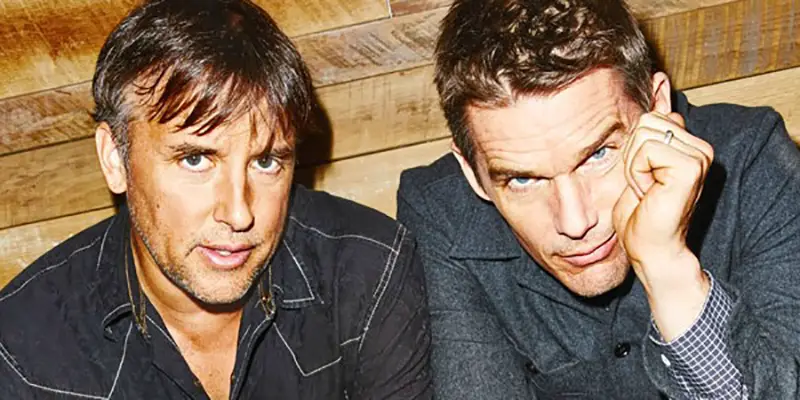
It’s 1993. Ethan Hawke is in a theatrical production of Jonathan Marc Sherman’s “Sophistry”, co-starring with Anthony Rapp, who has just finished filming Dazed and Confused. Rapp has invited Hawke to an early preview screening of Dazed, which Hawke has claimed to have ‘flipped out’ over.