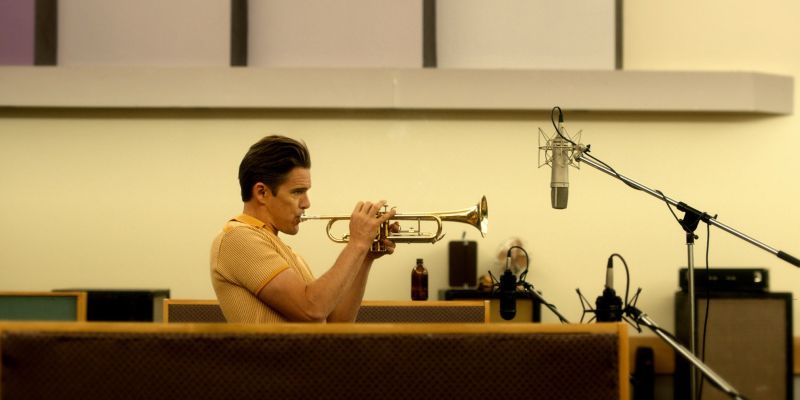
A natural poster child for the 1950’s cool jazz movement, the young version of Chet Baker was all chiseled jaw, coiffed hair, and lounging trumpet. The image has long drawn comparisons to James Dean, and perhaps if Baker had died young he would also be remembered as a piece of nostalgic Americana. But Baker lived to the age of 58, battling drug addiction and enduring the familiar career rhythms of a special talent who just couldn’t hold it together.
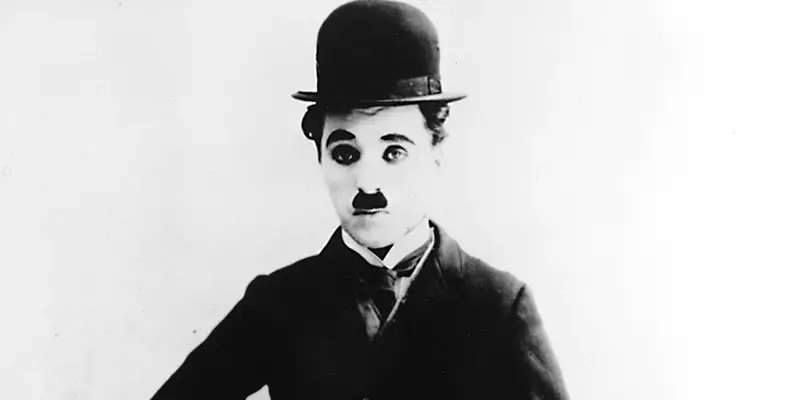
Have you ever thought to yourself: who is the most influential film director in history? It may be a vague question to answer, as ‘influential’ could be interpreted by different styles – from genre to filming techniques to narrative structure.

I’m going to be honest and admit that 15 minutes into this film I didn’t want to watch any more. Which is strange, because usually I’m a glutton for punishment when it comes to films I don’t necessarily enjoy. I’ll quite happily sit through to the end, hoping for a change in direction or a ‘bigger picture’ reveal.
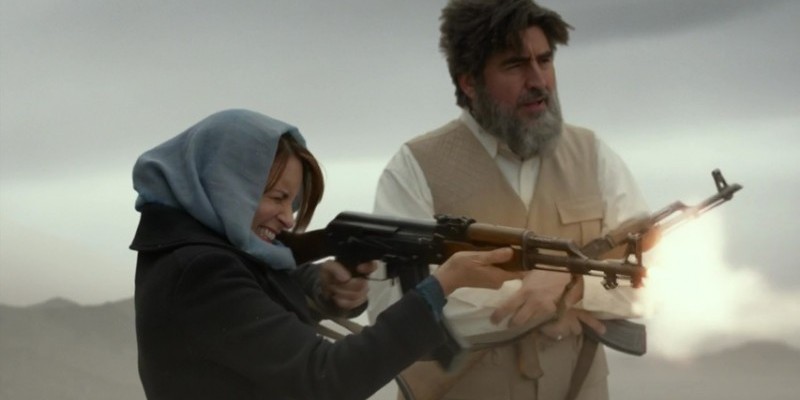
Every Tuesday Film Inquiry publishes the movies that are opening in cinemas! This week: Zootopia, London Has Fallen, Whiskey Tango Foxtrot, The Other Side of the Door, Knight of Cups, The Wave and Emelie.

There has been a historical frequency in film for older men to be depicted in romantic relationships with younger, sometimes much younger, women. This article seeks to examine whether this propensity for older men to be paired with younger women on-screen can reveal something of mainstream cinema’s and, by extension, western culture’s attitudes towards older women, sex and romance. Might more contemporary examples featuring fresh approaches to the age gap be leading us down a new path, featuring a wider range of romantic perspectives?
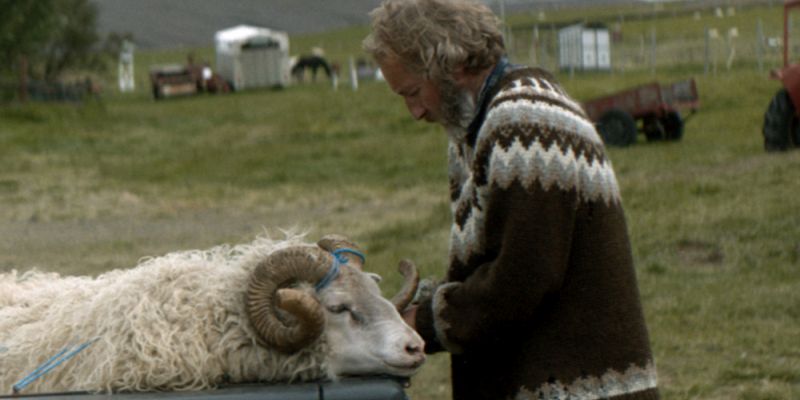
Iceland is slowly becoming one of the planet’s leading cinematic nations, with many directors realising that the country’s desolate landscape is the perfect fit for sci-fi. Christopher Nolan and Ridley Scott have both shot there recently, whereas the upcoming Rogue One: A Star Wars Story was filming there last autumn.
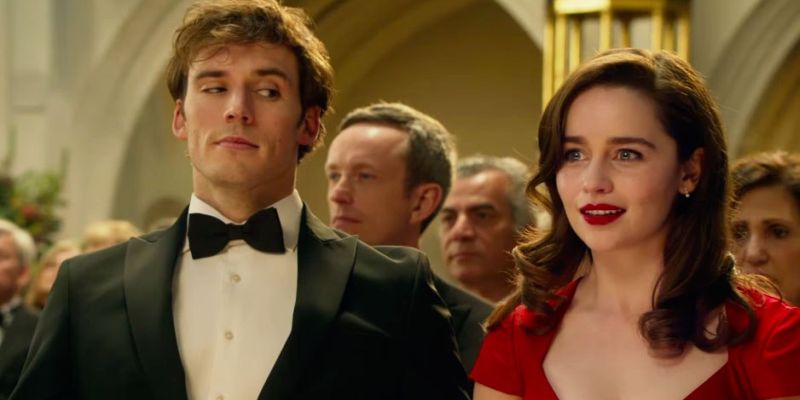
Ah, the tantalizing ‘what the hell is this going to be?’ question. A passing glance at the trailer for Me Before You will cause many to dismiss it as romantic fluff, a rip-off of the Nicholas Sparks concoction of tragedy and smoldering love.

It is always nice to visit the short films that people work so hard on but you never really think about viewing. It is not until the Oscars that these films get any mainstream attention, and that is one of the best things the Oscars provides to filmmakers. This year’s nominees are strong, featuring sad bears, old men who desperately want hand-drawn animation to survive, clumsy cosmonauts, Hindu superheroes, and some brilliant sci-fi.

A remake of the 1969 Italian-French film La Piscine and partly inspired by David Hockney’s ‘Swimming Pool’ painting, A Bigger Splash is the fourth feature film from Luca Guadagnino, and has already made significant waves with critics and audiences alike (sorry for the absolutely appropriate pun). Starring Tilda Swinton as rockstar Marianne recovering from throat surgery, and Matthias Schoenaerts as her ever-loving albeit boring boyfriend Paul, the two of them aim to escape life to an idyllic Italian island in the middle of the Mediterranean. No phones, no work, no interruptions.
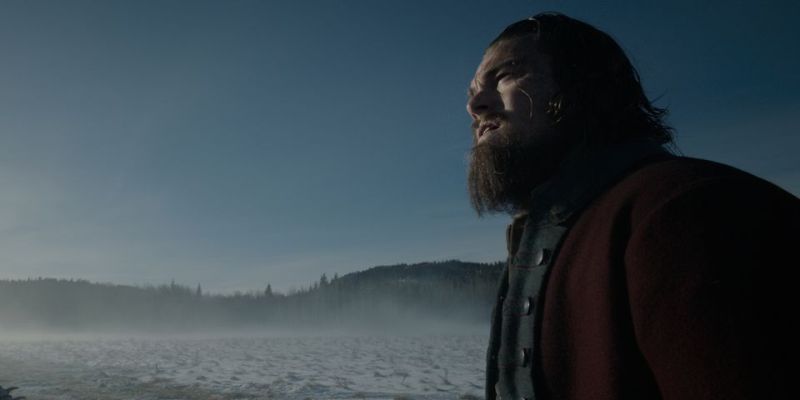
“Literature is invention. Fiction is fiction. To call a story a true story is an insult to both art and truth.
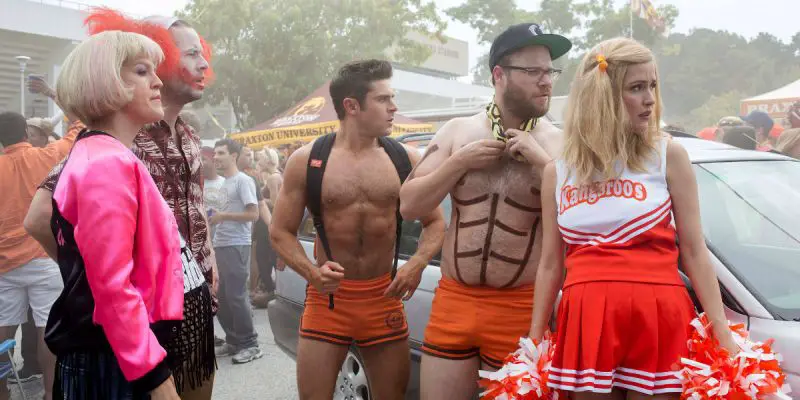
There’s only a handful of films capable of really surprising you, and 2014’s Neighbors genuinely surprised me. Its ad campaign focused on a brand of bawdy, immature humor that doesn’t work for me, and its poster’s implication of a Seth Rogen vs. Zac Efron battle didn’t add any appeal.

William Shakespeare, Arthur Miller, Oscar Wilde, Samuel Beckett and Harold Pinter; when it comes to playwrights who have had their work go from stage to silver screen, the list sees no end. Whilst everyone cannot resist a new portrayal of a timeless piece of literature incorporated with modern twists and/or special effects, audiences are constantly being introduced to plays through the expression of cinema. While this is a positive notion, it does however highlight the contrary:
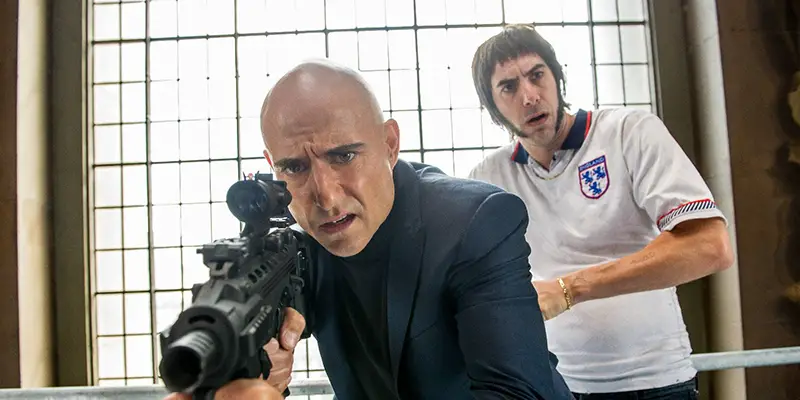
It’s no secret that Sacha Baron Cohen makes comedies that age badly, no matter how well-regarded they are upon their release. His reputation as a satirist with his finger on the pulse of contemporary societal prejudices ensures that days and weeks after initial release they become regarded as documents of America’s unforgivable past. With Grimsby, Cohen makes his first British movie in fourteen years, after his execrable debut Ali G In Da House – and it is the first time his brand of social satire feels not just outdated, but tired prior to release.
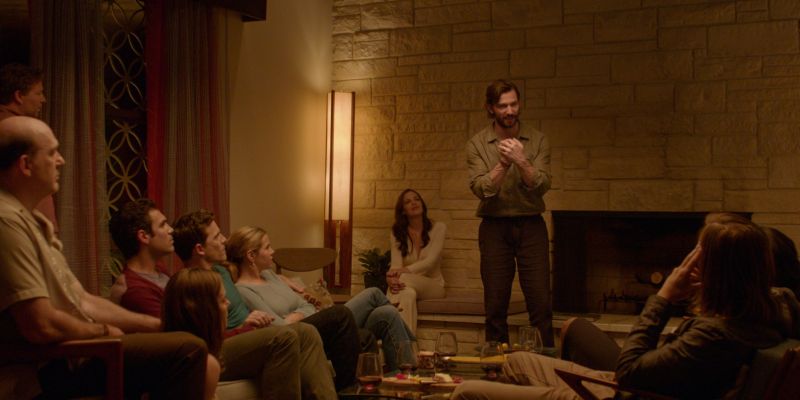
Oh, there’s plenty to be afraid of in The Invitation, the upcoming psychological pot-boiler from director Karyn Kusama. Any time paranoia works its way into a film the audience immediately loses its bearing, unsure of which character is lying, which is telling the truth, or if everything they’re seeing is just the fever dream of an ill mind. A blow could come from anywhere, and we humans are hard-wired to fear uncertainty.
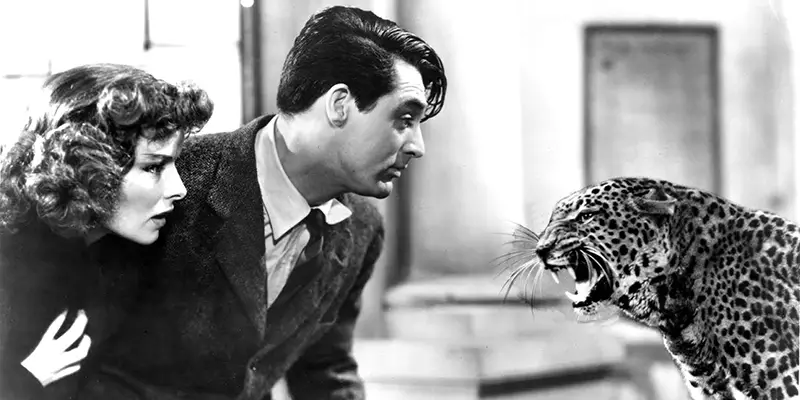
Screwball comedy is a predominantly American film genre popularised during the Great Depression. The golden era of screwball comedy was the 1930s and early 1940s, with hundreds of films being produced and the genre fast becoming one of Hollywood’s most popular. However, from the mid 1940s, evolving circumstances saw it becoming increasingly obsolete, with true screwball comedies beyond the 1960s being few and far between.