

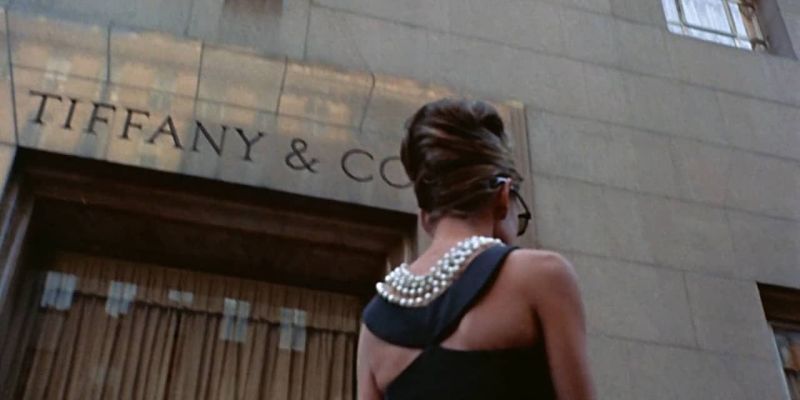
Over fifty years ago, novelist Truman Capote narrowed in on the jewelry company Tiffany as the poster child for what would become one of his most famous pieces. “In Cold Blood” arguably brought him more fame, but “Breakfast at Tiffany’s” has lingered in the cultural zeitgeist longer thanks to its immaculate thematic work. The novella would have dimmed if Tiffany’s had faltered, but the store still stands tall in New York City, a bastion of hope that, perhaps one day, we can all have breakfast there.
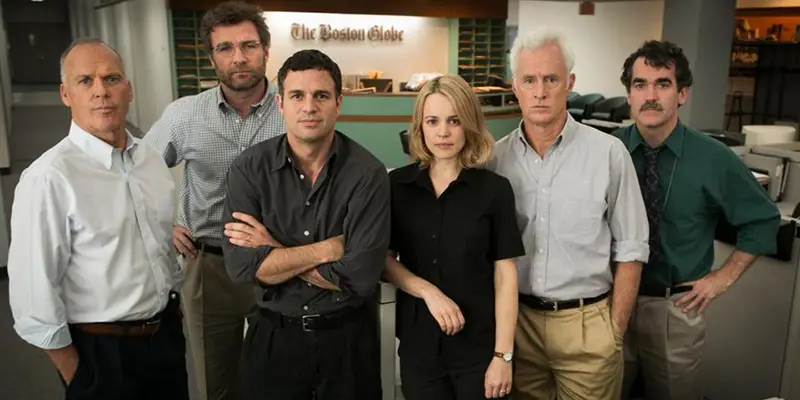
“Awards bait.” The phrase is bandied around a lot this time of year in the run up to the Oscars. But what exactly is it?

Since 1989, when Batman became a mainstream film series for DC, and in 2002 when Spider-Man kicked off Marvel’s campaign, the legacy of the superhero on the silver screen has progressively grown. Particularly throughout the 21st century and through to the 2010s decade, superhero adaptations and the science fiction genre have practically dominated the Hollywood film industry, with the vast majority becoming massive commercial triumphs. We have seen a number of films released each year, and in 2016 we are awaiting a variety of superhero/comic book adaptations from Marvel, DC and others.

Every week Film Inquiry publishes the movies that are opening in cinemas! This week: Hail, Caesar!

As the title suggests, Denmark’s A War (originally titled Krigen) takes on a topic broad enough to play well anywhere in the world. War is messy, decisions must be made in the heat of the moment, and their ramifications are devastating. When a father and company commander makes a questionable call while deployed in Afghanistan, it follows him back home to his already tumultuous family.

First released with Kung-Fu Master! in 1988, Jane B. Par Agnès V.

Entering the world of an Agnès Varda film requires coming to terms with who she is as a filmmaker. She understood and explored the ways in which documentary and fiction are inextricably linked while generally eschewing linear narratives, working instead to show her own complex relationship with her films as she made them. Films like Jane B.
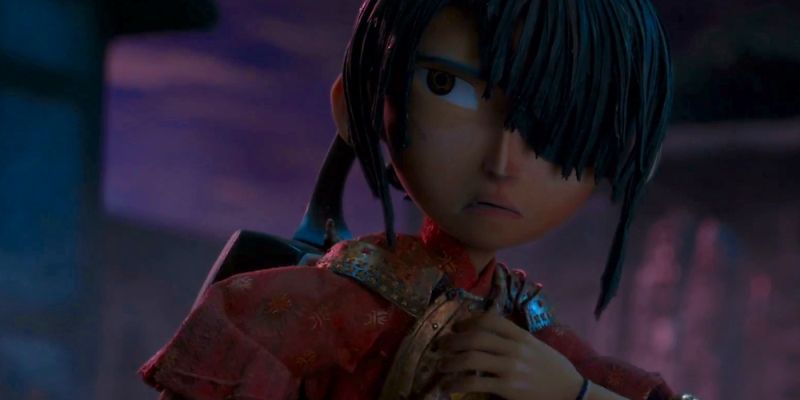
Theatrical animated releases have evolved since their early years in the cinema. What started out as intermission filler accompanying news reels, grew to full-length features of fairy tales of classics. Innovative techniques such as rotoscoping, claymation and stop-motion animation gave birth to fare which mature audience members could marvel at as an artistic innovation disguised as light-hearted children’s entertainment.

Between fronting various rock bands, starring in ’80s B-Movies and baring it all for dinner guests in the Aloha state, Jon Mikl Thor has been existing on the fringes of American pop culture going on 5 decades now. The subject of the new documentary I Am Thor, my review of which you can read here, he is poised to come roaring back onto the heavy metal scene and beyond. Jon was gracious enough to take the time to speak with me about the documentary, his career, and all that lays ahead.
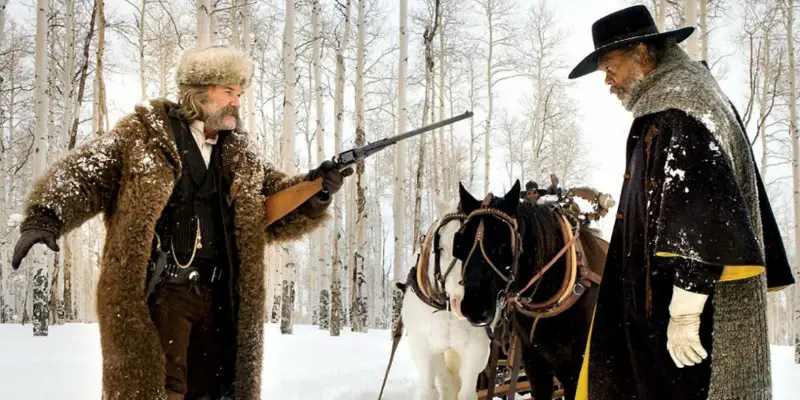
There is none righteous, not even one. — Romans 3:10 Film is a memory machine.

Jodie Foster’s sporadic directing career continues with Money Monster, and it’s all but guaranteed to be her biggest hit. The leading duo of George Clooney and Julia Roberts alone should generate more than the $25 million Foster’s directorial debut Little Man Tate made back in 1991, and so far the box office totals for her movies have declined with every outing. Money Monster will crush that trend thanks to its leads, a summer release, and a storyline that’s both topical and entertaining.

If people know one thing about Kathryn Bigelow, hopefully it is the fact that she became the first woman to win an Academy Award for directing The Hurt Locker. But the reality may be people know her because she directed Point Break or was married to director James Cameron. Most of her career, she has been pegged as a female action director, a label which diminished her influence and films.

The outcry against this year’s vanilla list of contenders for the 2016 Academy Awards is reverberating across the country with Spike Lee and Will and Jada Pinkett Smith boycotting Hollywood’s most prestigious fete of the year. Even Mark Ruffalo, nominated for Spotlight, considered joining the boycott before ultimately opting to attend the award ceremony. The Academy of Motion Picture Arts and Sciences made an announcement on Friday regarding new diversity initiatives, but I would hardly say that they’re ‘leading’ the industry by placing some restrictions on lifetime voting and finally attempting some diversity recruiting.
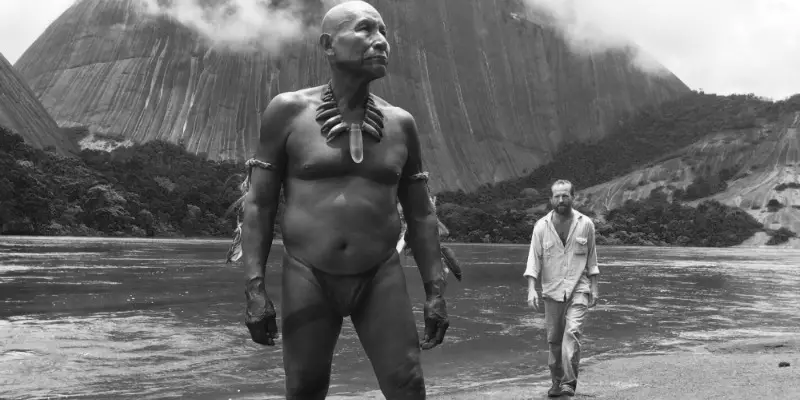
When men find a world different from their own, their minds race with fanciful thoughts of what it might contain. The legends of the native people seem somehow plausible, and men risk everything to find the magical items squirrelled away in its depths. This narrative has played out innumerable times throughout history, often leading to devastation for the land that the men find so captivating.

Documentary filmmaking is an interesting thing: while an actor in a fiction film can (though certainly doesn’t necessarily) excise their own personal ego and inhabit a role entirely separate from themselves, the documentary subject does not have this luxury. In fact, for the subject of a documentary to be successful it takes precisely the opposite skill; to be fully present in oneself, perpetuating the most “you” version of you possible.