
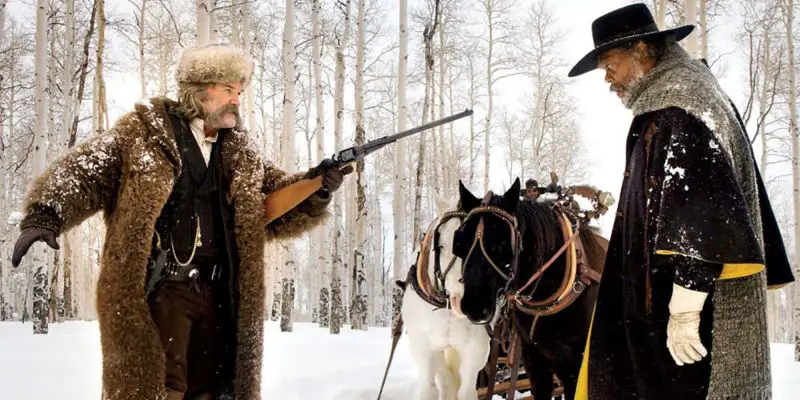
As 2015 comes to a close, the promises of 2016 in film leave excitement fizzling like the fireworks of New Year amongst Quentin Tarantino fans. We have been treated to an influx of releases ripe from the mind of the divisive director over the past few years, with Inglourious Basterds and Django Unchained providing much controversy and dividing many opinions, but it is The Hateful Eight that is now beginning to incite anticipation about its January release. But, as this excitement grows towards the end of Tarantino’s twenty-fourth year in the filmmaking business, the success he enjoys now has progressed in an initially unexpected way.
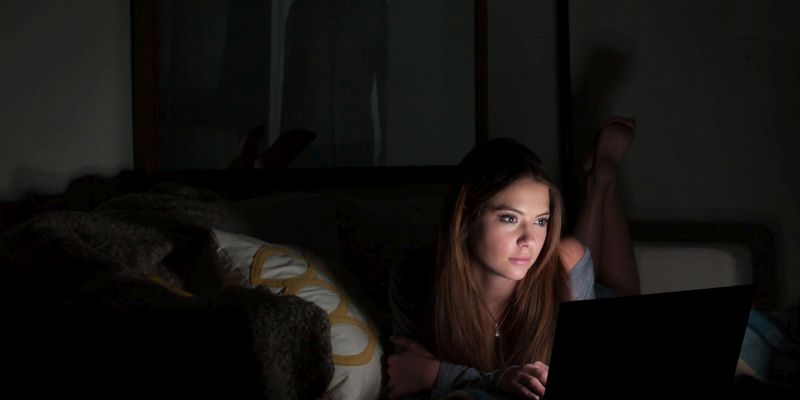
Emma (Ashley Benson), a graduate student living alone in NYC, is being watched by a stalker who hacks into the technology that surrounds her – laptop, cell phone, and other web connected devices. This obsession continues to grow as the hacker records Emma’s most intimate moments. When the thrill of watching isn’t enough, the situation escalates to a dangerous and terrifying level.
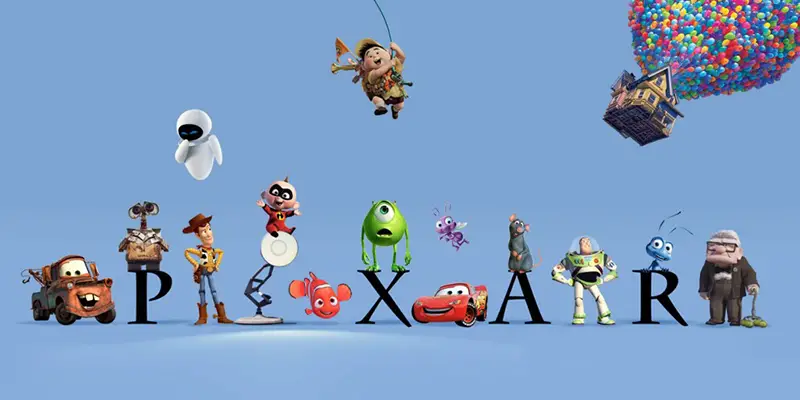
Like a variety of genres in Hollywood, animation is a growing field that has been significant in various forms of media. There have been successful corporations across the globe that are not only skilled in putting hand-drawings and computer graphics to motion, but are also creative in their storytelling. Pixar Animation Studios is a vital example of an exceedingly successful animation company with an abundance of projects that have become cultural favourites.
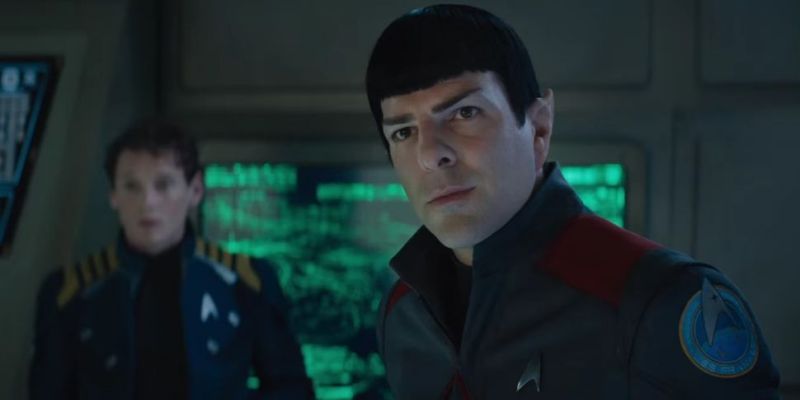
It’s no longer your dad’s Star Trek, or even mine. The Next Generation was awesome and we’ll probably never get anything like it again. Instead, welcome to the trailer for Star Trek:
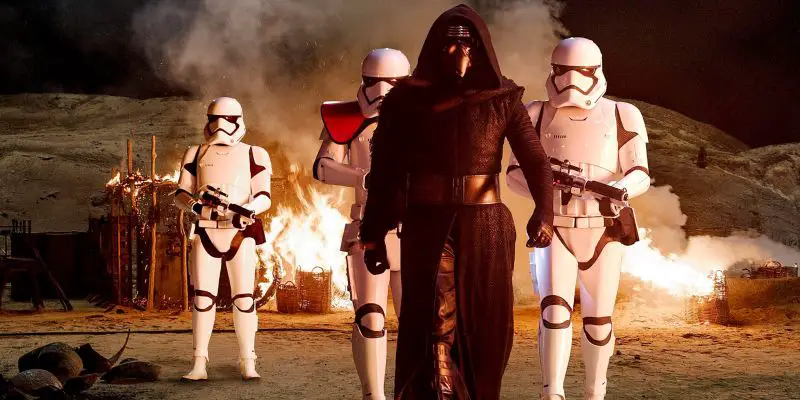
With the recent blockbuster release of Star Wars: The Force Awakens I have heard nothing but praise for the new protagonists and how they (or the adorable BB-8 Droid) are the best thing to happen to the revamped series. Before I rant, let me say how much I loved the new heroes.
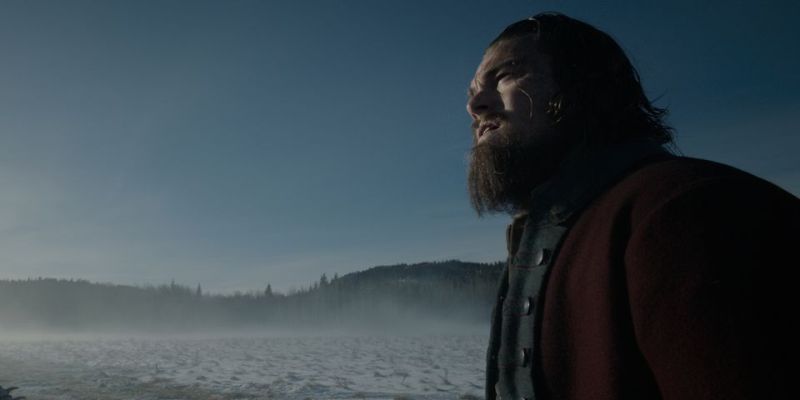
I went to the woods because I wished to live deliberately, to front only the essential facts of life, and see if I could not learn what it had to teach, and not, when I came to die, discovered I had not lived. — Walden (Henry David Thoreau) Set in the remote wilderness of Montana and South Dakota in the 1820s, director Alejandro Iñárritu’s biographical western, The Revenant, follows fur trapper Hugh Glass (Leonardo DiCaprio) and his remarkable quest of survival and retribution. Having been mauled by a bear and left for dead, Glass must find a strength and resolve to overcome the elements and fight his way back to civilization while attempting to have a cathartic release from his experiences.
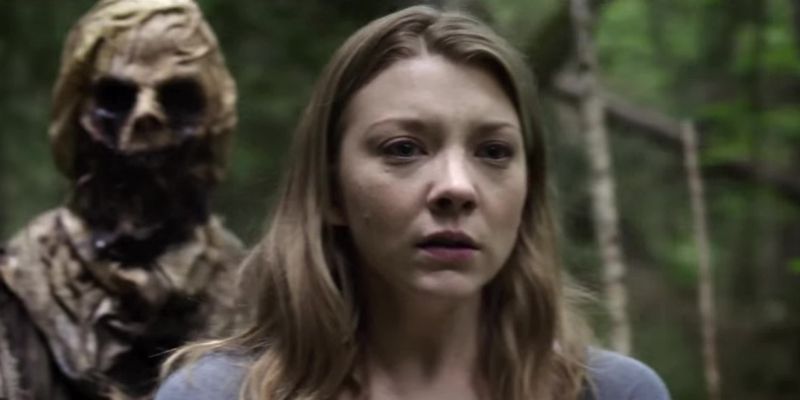
Every week Film Inquiry publishes the movies that are opening in cinemas! This week: The Revenant, Anomalisa, Yosemite, The Forest, The Masked Saint, Wazir, Anesthesia and The Treasure.
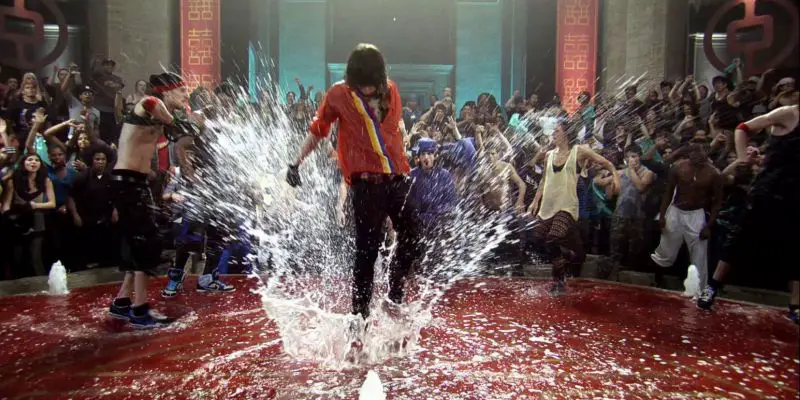
Let’s start with a brief history of musical cinema. When Al Jonson’s 1927 film The Jazz Singer became both a critical and commercial success, it ushered in the wave of “talkies”: films with audio.
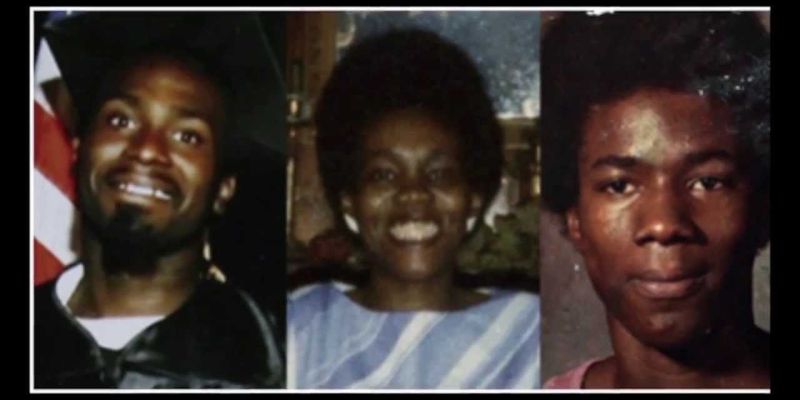
Rachel Lyon’s wide-eyed documentary Hate Crimes in the Heartland revisits the largely ignored history of racial violence in Tulsa, Oklahoma. In the wake of a racially motivated shooting spree on Good Friday in 2012, Lyon interviews survivors, leaders, historians, and residents to discuss the city’s racially divided legacy and the effects of the “Tulsa Race Riot,” a misnomer for the day long, Ku Klux Klan-led decimation of Black Wall Street’s infrastructure. Interviewees discuss the contemporary effects of the small-scale genocidal effort in 1921 and media coverage of the Good Friday shootings in 2012.
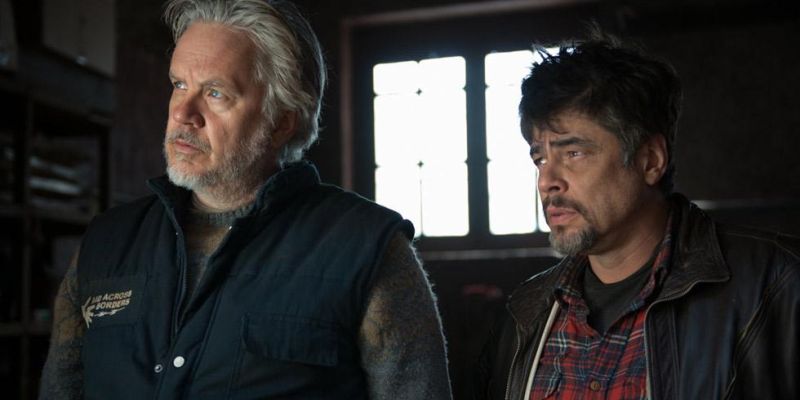
Coming soon is the story of aid workers and their involvement in fixing a crisis centered around an armed conflict zone. It’s difficult to explain the film’s gravitas or lack thereof but it tries to be akin to the old MASH TV series. When dealing with difficult situations, you might assume people take a somber or serious attitude to cope, but what if you’re constantly surrounded by events and situations involving death and heartbreak such as wars?
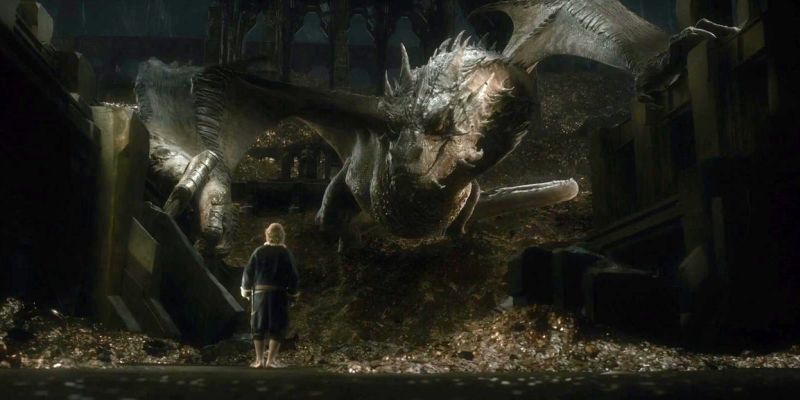
With technological developments taking hold in Hollywood, perhaps the most prominent has been the use of motion capture. Motion capture is a technology that syndicates computer-generated effects with human performance. The idea, particularly within the science fiction and fantasy genres, is to produce further realism on part of an actor’s approach to a role and how they portray it.
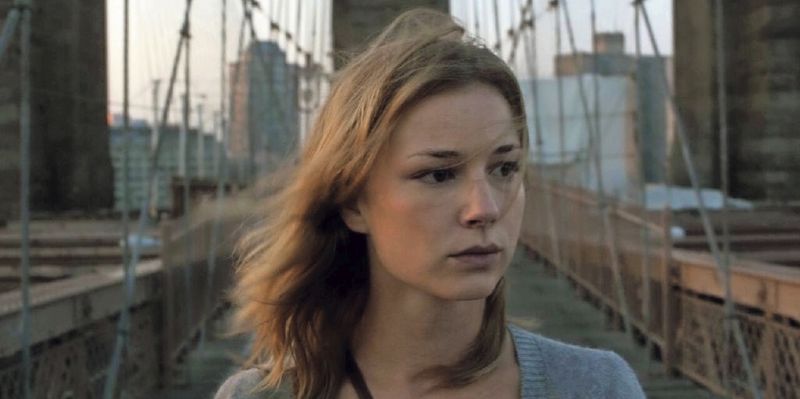
The Girl in the Book tells the story of a young book editor in the world of New York publishing. Played by Emily VanCamp (whom I primarily know from the delicious soap opera-like Revenge), Alice has to confront the dark pages of her past when she is assigned to work with a best-selling author who she knows from when she was young. The author, played by Michael Nyqvist seems to have a particular interest in teenage girls, so I think we can guess what must have happened to Alice in the past.
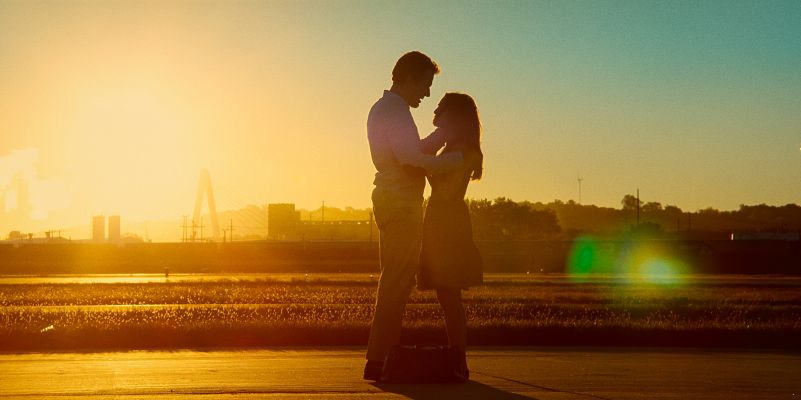
Reese Donahue (Jessica Rothe), an aspiring writer, leads a seemingly ideal life, with a bright future ahead of her. One day, she finds out her mother left her 10 million dollars, but her father kept it from her. She’s faced with a dilemma – she feels betrayed and alone, and is going to have to decide whether or not to take what her mother wanted for her.
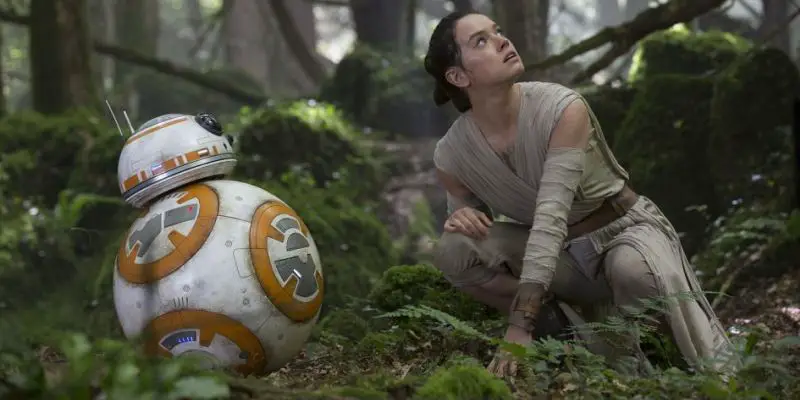
Warning: This article contains spoilers for Star Wars: The Force Awakens.
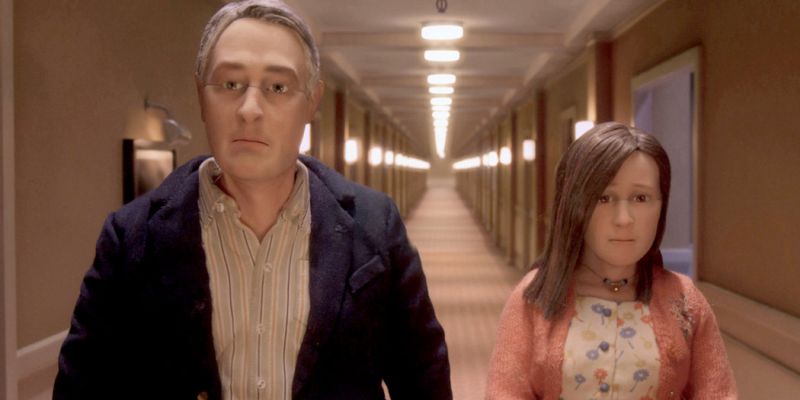
Anomalisa is the upcoming film by screenwriter-turned-director Charlie Kaufman, who is famous for writing scripts for great (and quirky) movies such as Being John Malkovich and Eternal Sunshine of the Spotless Mind. Anomalisa is, interestingly enough, a stop-motion film. It tells the story of Michael Stone, who writes books about costumer service, and struggles with his inability to connect to people.