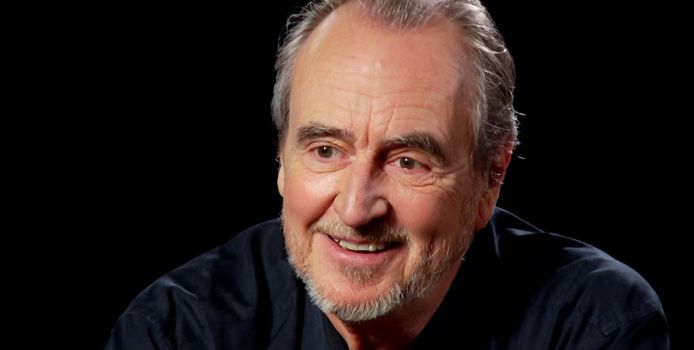
When you think of horror movies, one name should spring to mind: Wes Craven. He reinvented the teen horror genre and made it his own, alongside creating the most feared character in the horror genre:
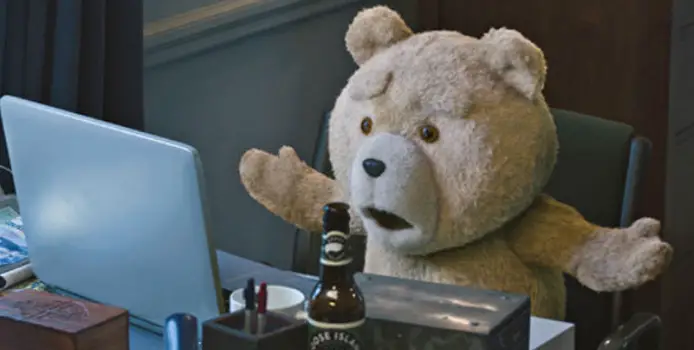
Ted 2 is exactly what you think it is. Seth MacFarlane is an entertainer who infuses all of his work with the same pop-culture heavy and juvenile abundant humour, from his roots in Family Guy to this, his third cinematic effort. The first Ted was a cinematic surprise, over-performing at the box office to become (at the time) the highest grossing R-Rated comedy of all time.
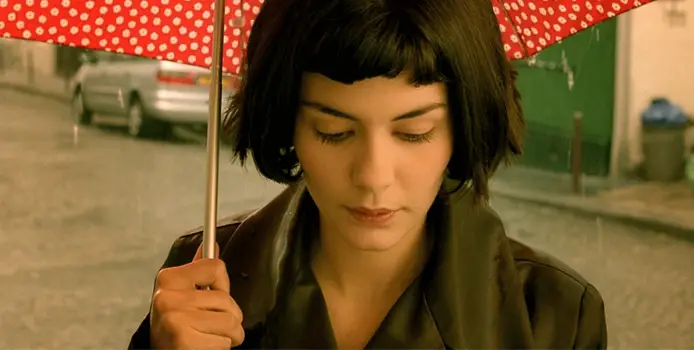
Breaking the boarders with transnational themes and making people cry and laugh in the same way? Genre as a global system? Why not!
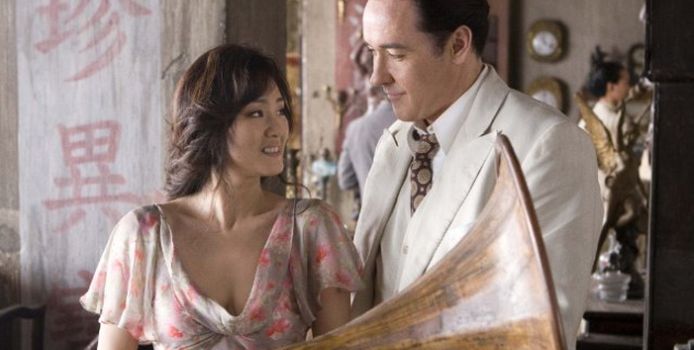
Interesting. Yun-Fat Chow doesn’t seem to age while Li Gong does. Alright, due to the fact that my favorite Hong Kong actors are getting old, I’m really adamant about doing this trailer discussion.
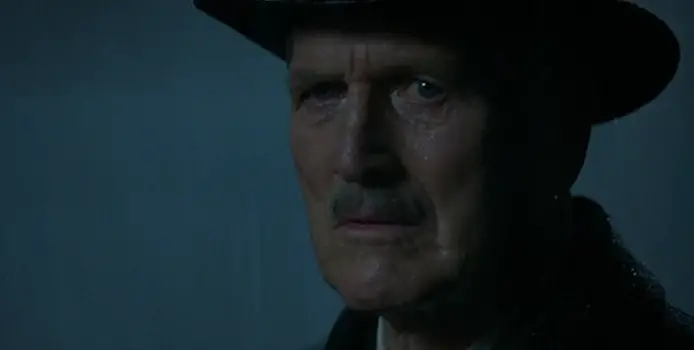
Having recovered from the shock upon discovering that summer 1990 was a quarter of a century ago, I recently reacquainted myself with one or two of the cinematic treats that I first enjoyed at the tender age of 15. Darkman got a repeat viewing, as did the sorely underappreciated Quick Change with Bill Murray. I was especially pleased to find that my personal favourite alumni from the class of ’90 had aged so well:
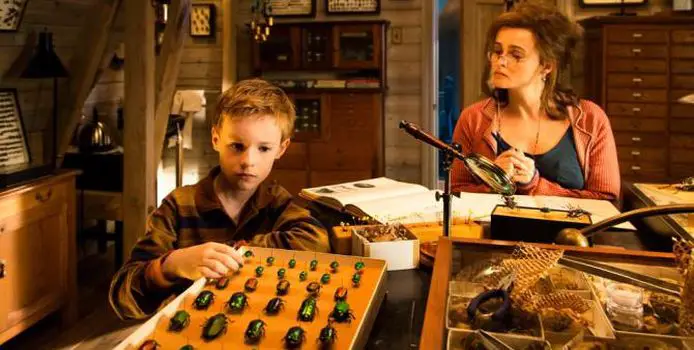
Here comes every new parents’ nightmare, an unattended child. T.S.
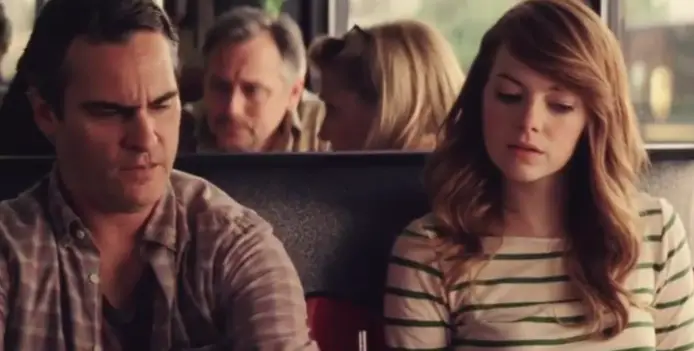
Reviews of Mission Impossible: Rogue Nation, Inherent Vice and The Diary of a Teenage Girl, an essay on music in film, and a list of Youtube channels everyone passionate about film should follow: just a small collection of the great articles that we published last month!

“Comrades! People of the world. The revolution is on the march.
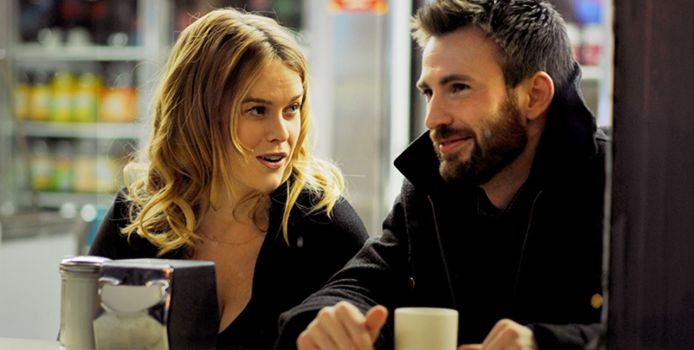
Every week Film Inquiry publishes the movies that are opening in cinemas! This week: The Transporter Refueled, A Walk in the Woods and Before We Go.
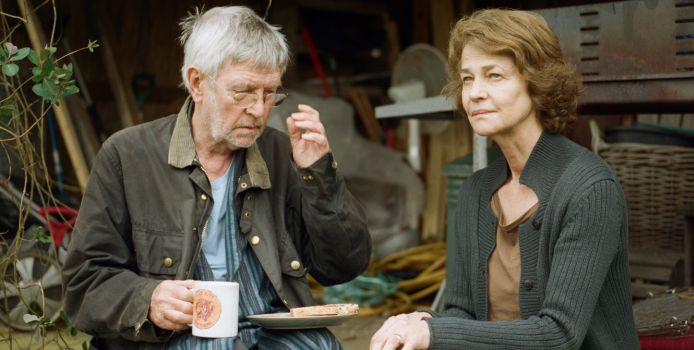
45 Years is unquestionably well-written and well-acted, to such a high degree that is literally impossible to argue otherwise. To say that Charlotte Rampling and Tom Courtenay give two of the most emotionally effective performances of their long and illustrious careers is equivalent to saying that the sky is blue and the world is round; it is so plainly obvious, arguing in its favour seems like a waste of time, as the greatness is clearly there for all to see. Emotionally engaging from the opening minutes On paper, the film feels like the opposite of director Andrew Haigh’s previous film Weekend; that film was about two men who meet and fall in love over the course of (you guessed it) a weekend, after a one night stand turns into something deeper.
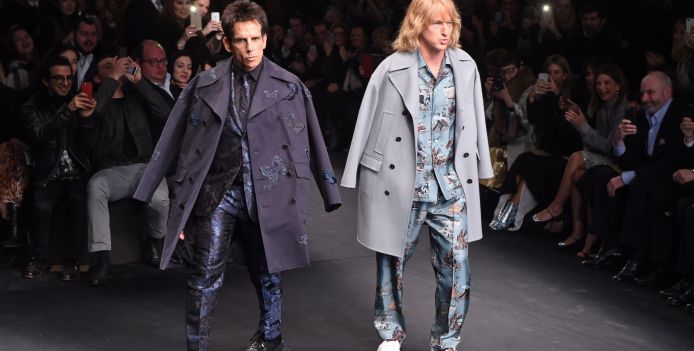
Let’s face it, you’ve been waiting for this one. Derek and Hansel are back and ready to blow your mind. Sadly, the trailer is just a teaser with no scenes from the movie.
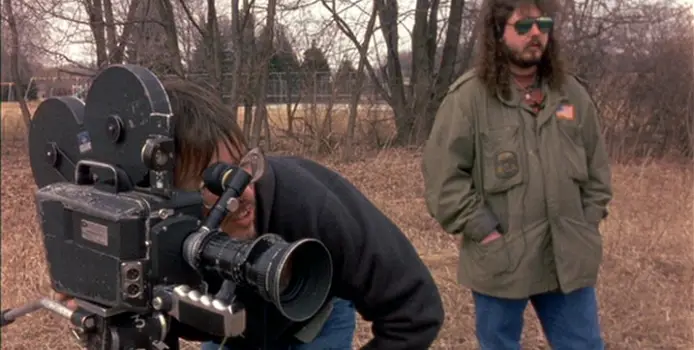
Over at our official Facebook page , we are currently posting daily Film Recommendations, with each week being a different theme. This is a collection of those recommendations! Last week’s theme is Film-Related Documentaries, films which highlight the utter chaos and hard work which goes behind all the movies we love.
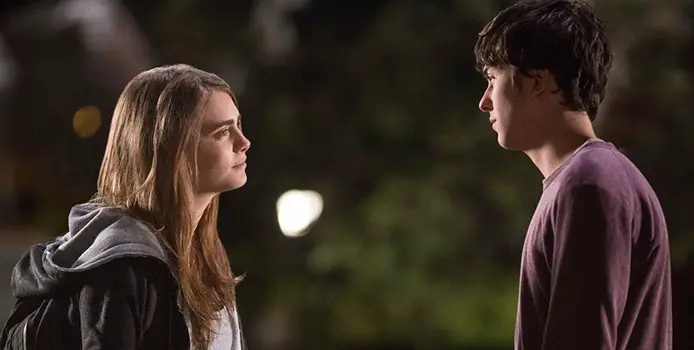
Paper Towns is an adaptation of John Green’s book of the same name. You may already have read or watched his highly successful The Fault In Our Stars, and have come back for more. Why wouldn’t you, he’s John Green?
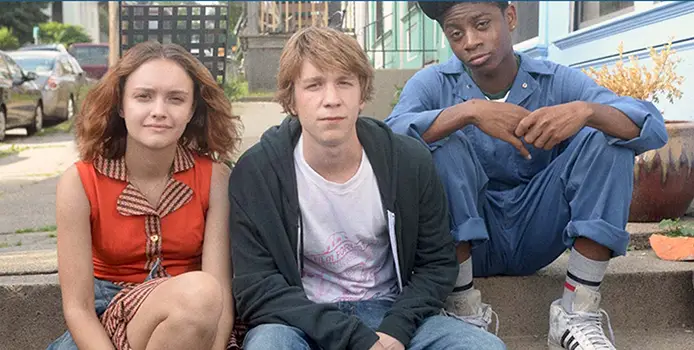
Although not without empathy, it is hard to argue against the statement that teenagers are some of the most self-centred people alive. I know this from being a particularly self-centred teenager, who at thirteen regularly made statements of self-loathing in order to gouge sympathy and attention from my peers. It was an attention seeking phase that I mercifully grew out of very quickly, but I can at least be forgiven for it for being young and stupid.
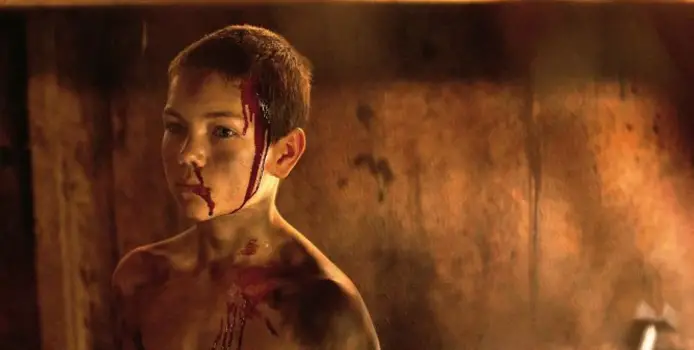
One problem with modern society at the moment seems to be an obsession with nostalgia, which is being milked by marketing companies. This has bled into the hipster movement and has lead to the larger debate of analogue vs digital as digital technologies develop. It is now bleeding into every aspect of pop culture, and it is one which can be seen in film.