

comedy

Is it selfish for adults to demand more from children’s entertainment? Adults have access to a wealth of different mediums of entertainment to enjoy, so should we crave animated films, mostly intended for a younger audience, to cater towards adult audiences? Indicators of these include dealing with deeper and darker themes, adult-only jokes/pop culture references and generally being an entertaining film that doesn’t go for the lowest common denominator.

One of the hardest things to decide when reviewing a film is if the intentions behind the production feel genuine. One aspect that always arises during the Oscar/Award periods is actors doing roles or movies being made purely for “Oscar bait”. The idea of making a movie purely for the sake of gaining awards attention is somewhat cynical, but the transparency of movie production nowadays makes this something that sadly may have some truth behind it.
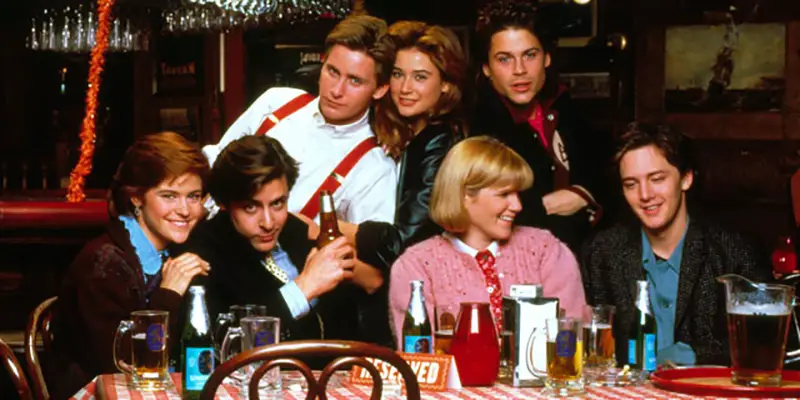
No movie gives an aura of eighties nostalgia better than St.Elmo’s Fire. The Joel Schumacher directed film is somewhat of an underappreciated ‘masterpiece’.

It’s difficult to know where to start when describing Alan Bennett to people who haven’t grown up in the UK. Imagine, if you will, an everyday man, one with a down on his luck and pessimistic sort of look about him. He has a recognisable Northern accent, and a dreary one at that.
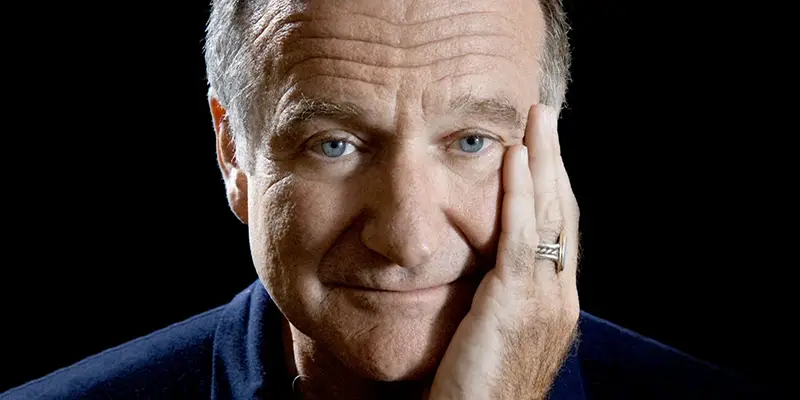
If there is any Hollywood star that could be named among the most influential among both adults and children, it would be Robin Williams. As an actor who went from a stand-up comedian in the 1980s to arguably the most beloved star in the film industry, Williams maintained his memorable and popular status among viewers by his diverse performances and his particular choice of films. Sadly, Williams passed away in August 2014 following complications of depression that are still being investigated today.
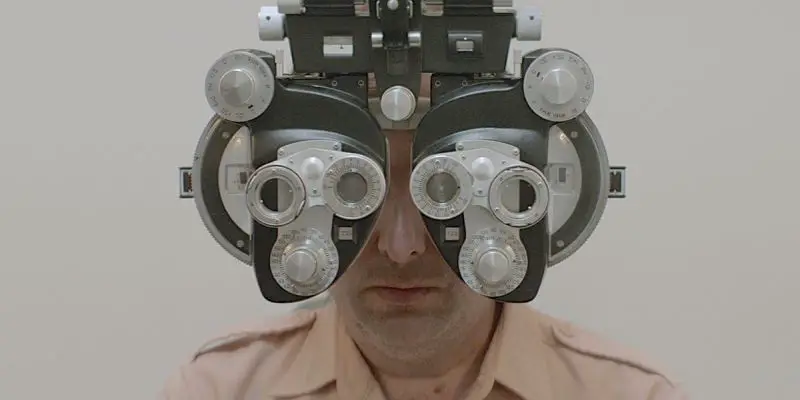
Comedy is a tricky thing; it’s hyper-subjective and typically draws from dark elements to create laughter. The search for one’s own comedy is thus, in a sense, the result of grappling some of the least desirable aspects of the human experience and wrangling it into something with a punchline. This is why the cliché of the “sad clown” is so prevalent and continues to be perpetuated to this day, such as with Marc Maron’s self-loathing diatribes and the tag posthumously attributed to Robin Williams.
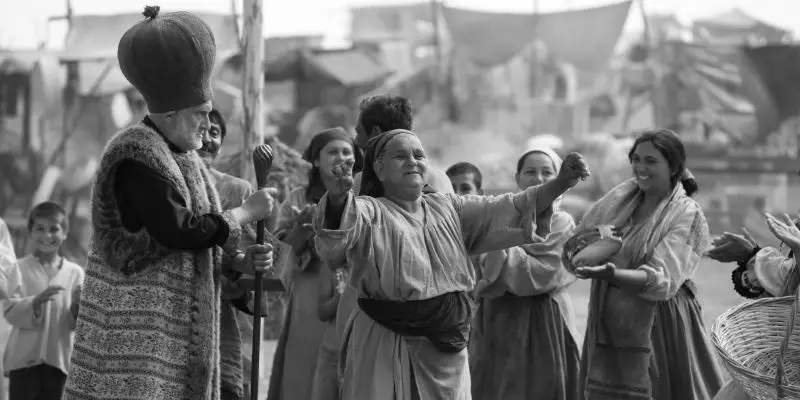
There are two thoughts that go through your head when you hear about a Romanian film which won the Silver Bear for its director Radu June (at the 2015 Berlin Film Festival), and which has been earmarked as the country’s entry into the Foreign Film category at this year’s Oscars. The first is that this must be a very good film indeed. The other is that this is the sort of film that groups of people gather around and agree is an artistic and important film, but ultimately it’s not very entertaining.

The fast-paced life of the food industry is a modern miracle that is rarely appreciated. Any waiter or cook will tell you that no matter the level of industry, be it a McDonald’s or a steakhouse, creating food quickly and to customer satisfaction is a daunting task. Burnt attempts to take this one step further by exploring the mind of someone who loves the fast-paced nature of the business.
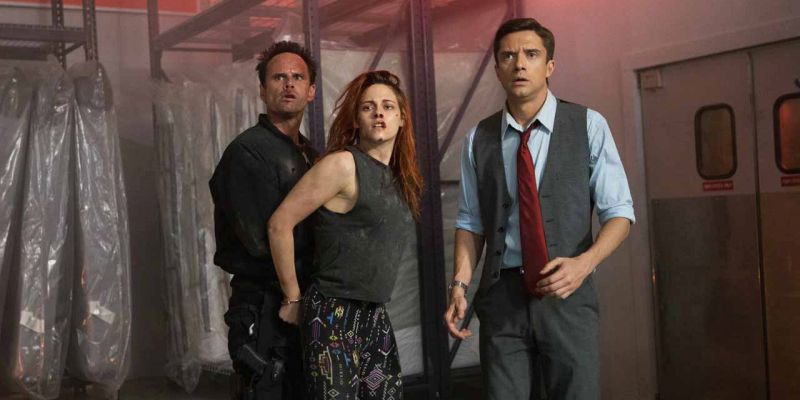
American Ultra is one of those films that sounds really good on paper and even executes well at first, but quickly loses its luster after the quirkiness of its original premise wears off. In this case, its uniqueness comes from the idea of a stoner being a sleeper agent for the government. “Original” might be a little generous, as the film is adapted from the graphic novel of the same name; nevertheless it is something new to the screen, and it stays fun while it continues to feel that way.
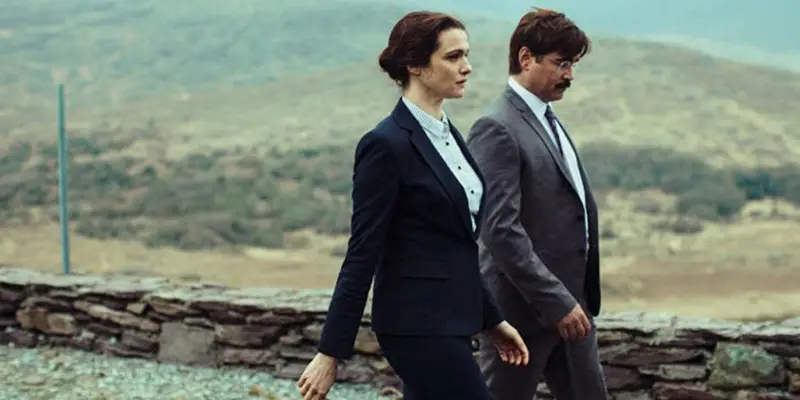
Technology has made finding relationships easier than before, yet also far more difficult to sustain. Less than a day before writing this review, my boyfriend broke up with me. It took eight months to realise that we are completely different people with different interests, with the realisation of our incompatibility unwelcome but inevitable.
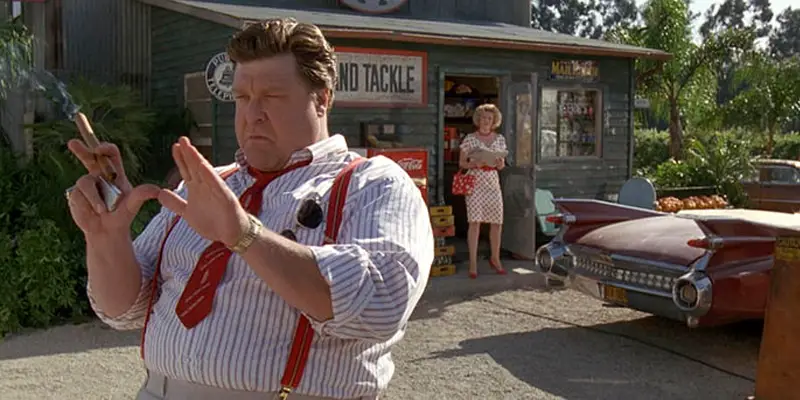
Over at our official Facebook page, we are currently posting daily film recommendations, with each week being a different theme. This is a collection of those recommendations! This week’s theme is focused on the works of genre director Joe Dante.

John Hughes had the innate ability of tapping into the voice of a generation unlike any other director I’ve seen. His movies continue to make a lasting impact on the film industry – and it’s easy to see why. Ferris Bueller’s Day Off, The Breakfast Club, Pretty In Pink and a plethora of other “teen” films that redefined the genre, gave thousands of hearts and minds a voice – something coveted if you were an angsty teen growing up in the mid-eighties.
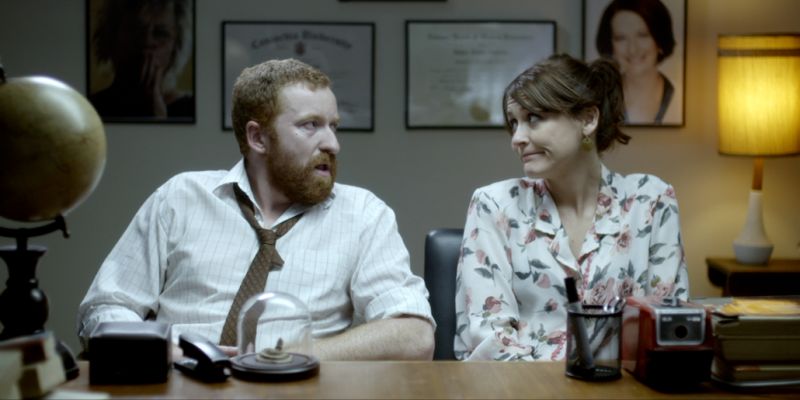
In this darkly comic short film, director Jackson Mullane explores the age-old question of ‘would you live your life differently if you knew you had two weeks to live?’ Red Nuts features Kevin MacIsaac as Sam, a thirty-something ginger-headed nobody watching helplessly from a rut in his life as his marriage falls apart. But when he is diagnosed with a terminal illness, he embarks on a night of debauchery and anarchy, sticking his middle finger up at the rules and living his life to the full.
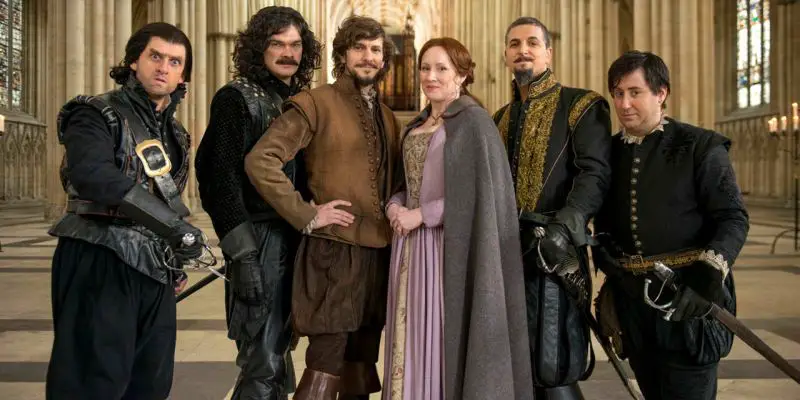
Bill is the first feature film from the comedy team behind Horrible Histories, a TV show which I have just this year become a huge fan of. For those of you not familiar with it, Horrible Histories is in theory a kid’s history show based on the books of Terry Deary. But what it actually is, is an incredibly funny and informative sketch show that appeals to adults and children alike.
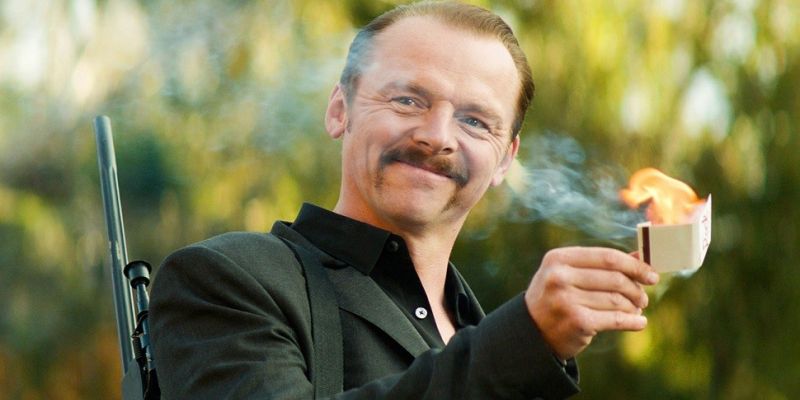
Kill Me Three Times is a film which is the right step forward for Australian cinema, done in the worst way possible. For the past decade, Australia has lacked films that have managed to cross international borders and bring new talent to life, which is a process which used to happen back in the day, from George Miller to Phillip Noyce. The only significant films of the past 10 years to really make any impact are David Michôd’s Animal Kingdom, which reminded audiences and filmmakers of the acting talents of Ben Mendelsohn and Jacki Weaver, who have become international stars.