

drama
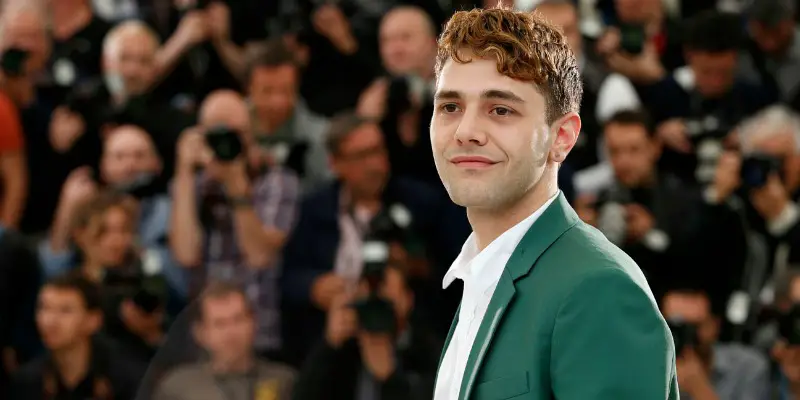
If you don’t keep up, the filmography of Québécois director Xavier Dolan could expand into an intimidating mass. He released five films between 2009 and 2014 and already has two more in the pipeline, additionally serving as writer, editor, actor, and costume designer for several of the projects. That output, along with other extraneous facts, like his young age, has drawn headlines that sadly take attention away from what is an expressive filmography.
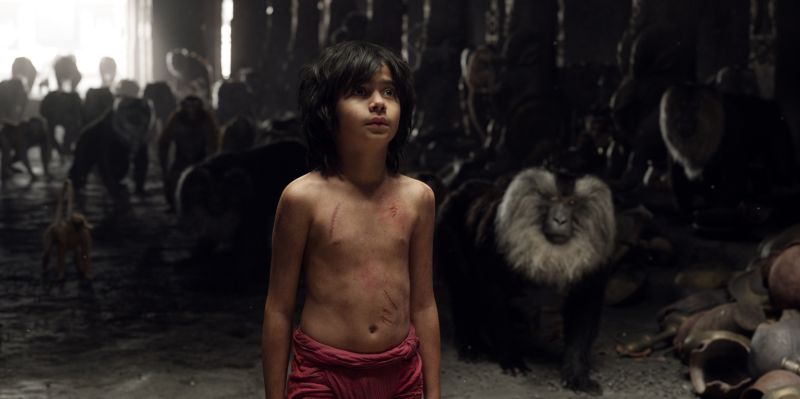
Film is the art of light. Paradoxically, light is that is the ultimate source required for life to exist, and is the greatest substance to cause horrific calamities. Fire was both a blessing and a curse for ancient civilizations to understand and attempt to harness, but it was quite often their undoing.
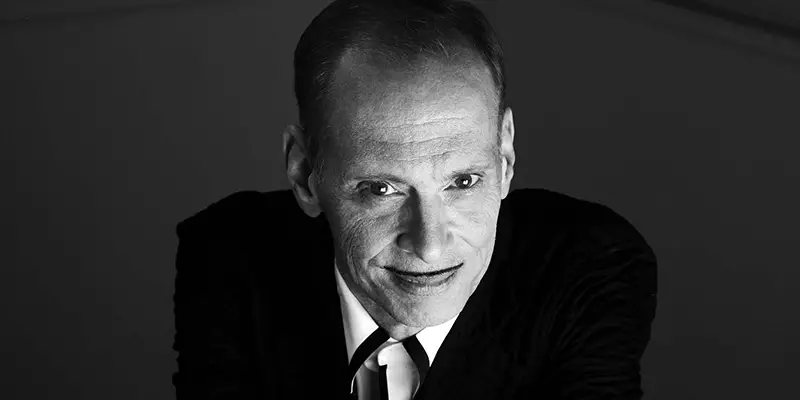
Rarely is a filmmaker as entrenched in infamy as John Waters. Born in Baltimore, Maryland in 1946, the king of counterculture became known in the 1970s for his creative collaborations with the equally infamous Divine and his gang of Dreamlanders. He began work as a director with a series of experimental short films including Hag In A Black Leather Jacket (1964) and the Andy Warhol-inspired Roman Candles (1966).
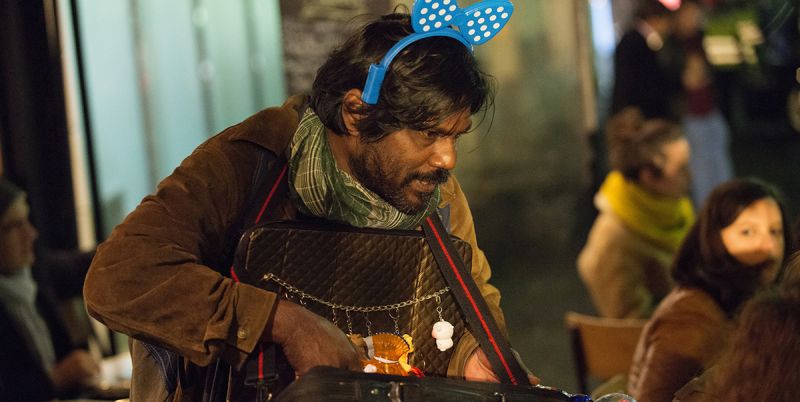
Even in world cinema, the stories we see on screen are largely those depicting the lives and crises of the most well-off members of each respective society – showing situations that still can largely be referred to as “first world problems” without a sense of ironic bite. It is why a film like Dheepan is so urgently needed in the current, self-centred socio-political climate. It firmly puts us in the shoes of characters whose stories are never told in cinema:
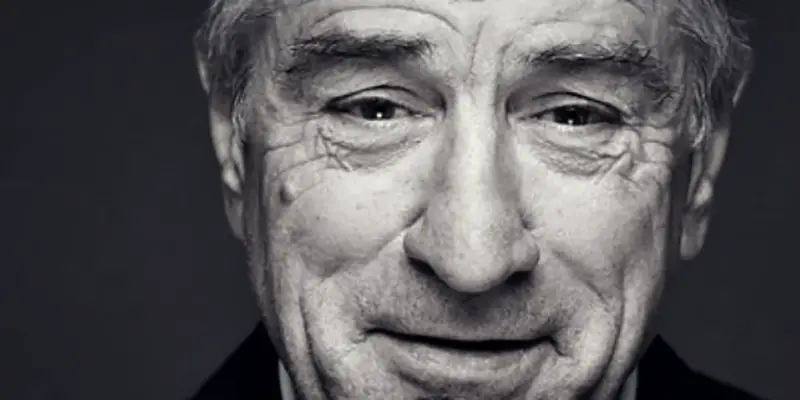
Legend is a word that is batted around pretty easily these days, but one person who is fully deserving of that title is Robert De Niro. One of the most celebrated actors of his generation, the New York born actor has ascended Hollywood’s ranks and is now considered by many to be on par with the likes of Marlon Brando. With seven Academy Awards nominations (two wins), as well as being nominated for eight Golden Globes (one win) and six BAFTAS, De Niro is held in high regard by the industry and public alike, in spite of some questionable career decisions in recent years.
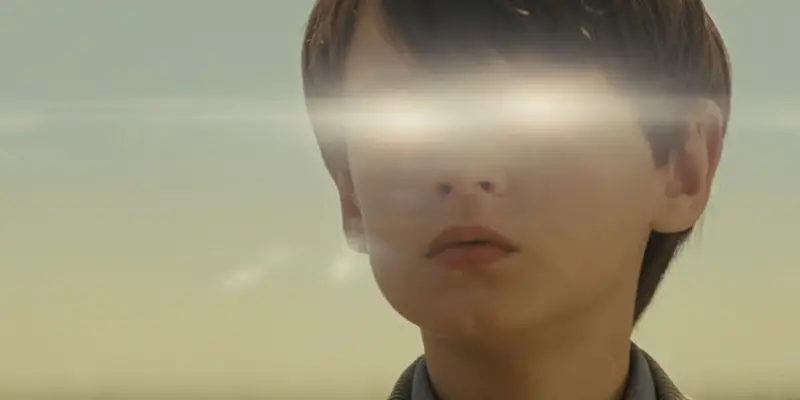
With only four movies to his name so far, and with features ranging in genre from coming-of-age dramas (Mud) to quasi-science fiction (Take Shelter), Jeff Nichols’ films have at least one thing in common (other than that they all star Michael Shannon): they are all intimate productions, both in style and in their focus on the tight-knit relationships around us. Often set in the American South where Nichols himself grew up, his films deal with familial struggles and upsets in usually uneventful communities.
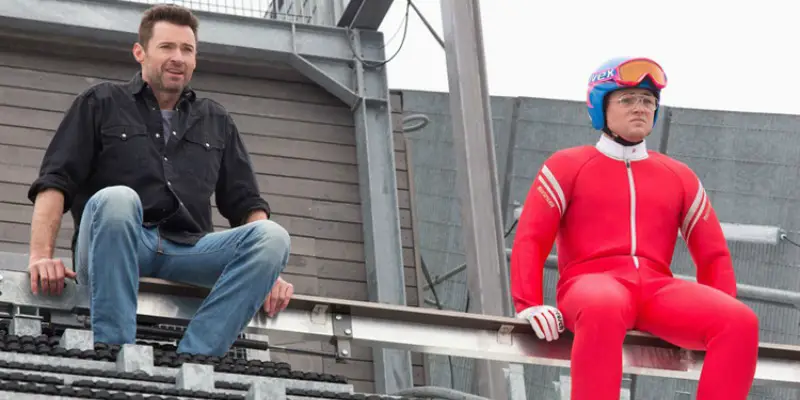
I have been following the production of Eddie The Eagle for a very long time it seems. I’m a great devotee of director Dexter Fletcher (Sunshine On Leith is excellent), I love a good sports movie, even better, I love a British underdog sports movie. Of course, if you know me or are familiar with me at all you’ll know I also absolutely adore Taron Egerton.
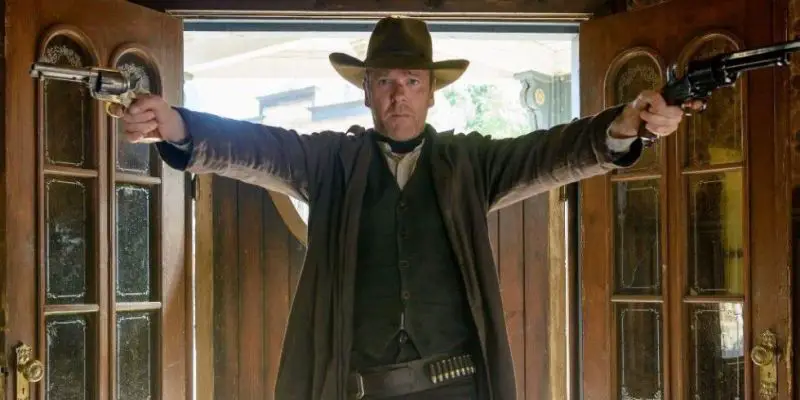
In the days of the revisionist Western, sometimes a throwback to the simple pleasures of the genre’s oldest delights are all that are needed. The only problem with revisiting old cliches is that no amount of nostalgia or charm can make them feel original again, and if performed without either, it comes across as laboured box-ticking in order to fulfil genre requirements. Forsaken unfortunately is the latter, possessing an initial kitsch charm that wears thin quickly when it transpires the film has no unique tricks up its sleeve.
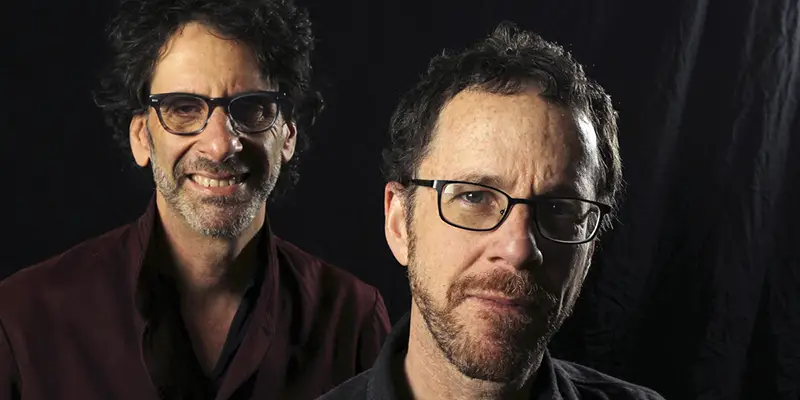
Since they first hit cinema screens in 1984, the Coen Brothers have had a firm grip on audiences and critics alike. Renowned for their idiosyncratic, high quality work, they have found themselves increasingly in demand with studios and actors, many of whom aim to make their next project a Coen Brothers film. They have written, directed and produced all of their own pictures, edited most of them, and have recently ventured into the ‘gun for hire’ realm of screenwriting, contributing to Steven Spielberg’s Bridge of Spies, Angelina Jolie’s Unbroken, Michael Hoffman’s Gambit, and George Clooney’s upcoming Suburbicon.
In classical art forms each specific field has one or two areas that have a more prestigious status. In dance it is ballet, and in the orchestra it is the violin. These two have a reputation of being highly difficult to master, being rigid in both technique and discipline.
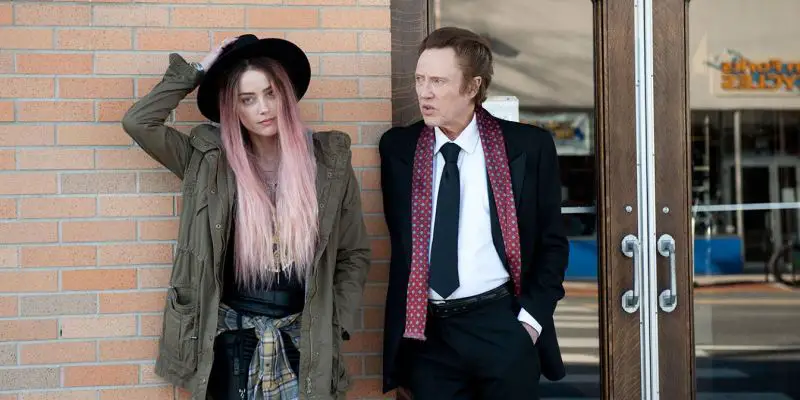
A subtle yet intriguing glimpse at family built on celebrity, One More Time spins a much darker story into a lighthearted drama. Indie earmarks set the tone of the film, as the dialogue-driven character study deftly navigates each family member’s individual flaws while also allowing for a lasting bond with the audience. Pepper in the oddball charm of its male star alongside a borderline Gen X female protagonist, and the foundation is set for a well-crafted, yet easy-on-the-emotions watch.

The subheading on one of the posters for My Big Fat Greek Wedding 2 claims that “People change. Greeks don’t.” Yet, what made the original film so dynamic and engaging is exactly that:
Many of you have seen the classic, fairy tale love stories in films. There is a princess who lives with a curse that was cast on her by an evil witch. The only way she can be free from this curse is by finding true love.
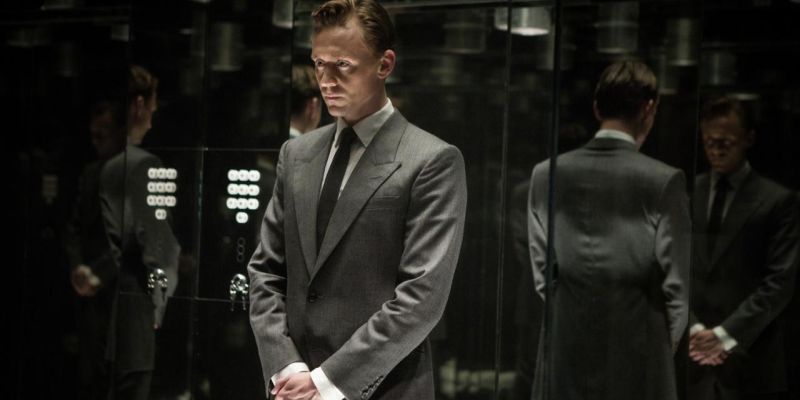
There are few novels considered “unfilmable” that haven’t been translated to the big screen. High-Rise, director Ben Wheatley’s adaptation of J.G Ballard’s cult 1975 sci-fi novel, is the rare movie adaptation that doesn’t feel like it has been adapted, so peculiar and distinctive to the director is the increasing foregoing of narrative in favour of societally depraved surrealism.

Searching For Hell is an international exploration of infernal places around the world, with a loose but entertaining concept of what hell is. In five segments, the audience visits the site of the deepest recorded excavation into the earth in Serbia, the tourist town of Hell, Michigan, a house designed to reconstruct the Buddhist conception of hell according to tenth-century writer Ojoyoshu, the toxic sulphur mines of Indonesia, and the chaotic capital of the Democratic Republic of the Congo. Each vignette has its own style, varying from the carnivalesque to the dialectic to the observational, and the decision to release the documentary online through the Virtual Reality Cinema (VRC) app Cineveo can only add to its dreamlike, haunting quality.