

drama
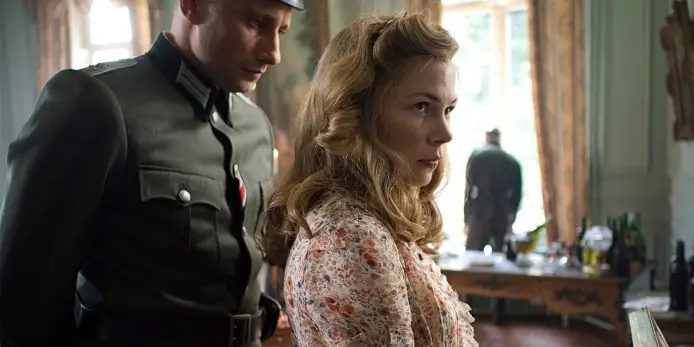
Suite Française is an adaptation of Irène Némirovsky’s novel of the same name. Prior to seeing the film I had no knowledge of its provenance, and will withhold this particular information for now lest it misinform how you read the rest of this review. As always, I will attempt to remain objective.
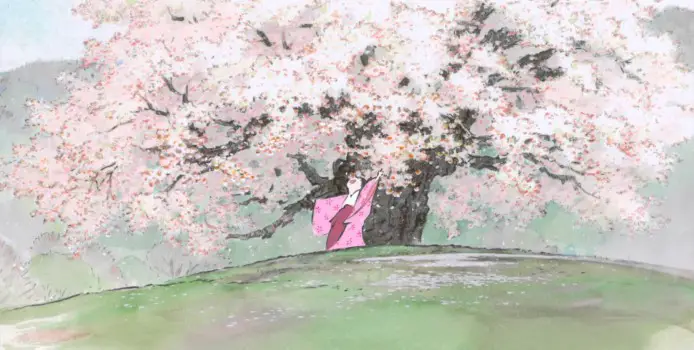
The Tale of the Princess Kaguya tells the folklore of a Japanese princess born from a bamboo stalk in the heavens and raised as the child of an elderly agrarian couple. She lives and grows up rapidly right before our eyes, just like the bamboo from which she was bred. She was meant to live a more “normal” life, though, and is soon thrust into a lifestyle that contradicts her humble upbringings.
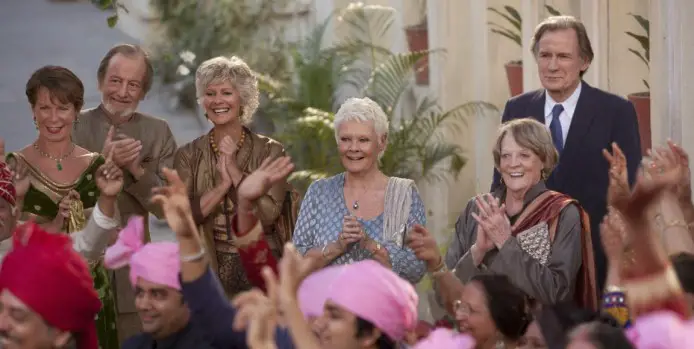
I have to admit, I was a little excited to see that a sequel had been made to The Best Exotic Marigold Hotel. I had liked it and was curious as to what had happened to the characters. But what is more, I went to see the first film with my grandmother and I knew how much she and her friends liked it.

Film Noir is not an easy genre to tackle nowadays, simply because trends in culture have changed. The hard-boiled detective of the black and white screen, the one with the alienated, tough exterior and a penchant for femme fatales – think Dana Andrews in Laura or Bogie in The Big Sleep – would cause no more than a snicker, so removed are they from the world we witness every passing day. Our post-modernist mindset asks for the type of heroes we find authentic, those we can relate to, this is why the grand days of Film Noir have passed – which is not to say some of its elements cannot be used for fine, fine cinema.

Silo is a short film made by the filmmaker David Soll and starring Chris Green. Like many short films Silo is a silent piece (without dialogue but not without sound). But unlike many shorts, which like to take a brief and artistic approach to a story, Silo has been made with a clearly structured narrative.

One of the worst clichés that appears in an alarmingly large number of movies is the “two kinds of people in this world” speech. In Focus, Will Smith’s suave con artist Nicky Spurgeon tells his protégé/part-time lover Jess Barrett (Margot Robbie) his version of the done-to-death cliché: there are two types of people, hammers and nails.

In an article entitled “Why It’s Important to Make More Diverse LGBT Films,” fellow Film Inquiry writer Cherokee Seebalack lamented: “Where are all the LGBT romcoms at?” Where, indeed.
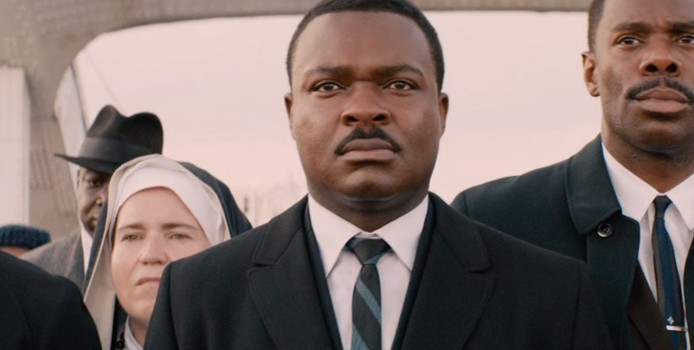
John Legend and Common’s powerful performance of Best Original Song nominee, “Glory,” and brave acceptance speech was one of the highlights of the Oscar ceremony last week. That song was a resonant soul/hip-hop combo that captured the atmosphere of its source film well: Ava DuVernay’s Selma, a historical drama about Martin Luther King and the Voting Rights Act of 1965.

Fifty Shades Of Grey, it’s not often that so few words can spark so great a societal reaction. And to be honest, it is because of this very reason that I went to watch this film. I didn’t read the books, I didn’t care to.

It’s often stated that January and February are the two worst cinematic months of the year, as all of the major new releases are more often than not the terrible movies major studios have just “dumped” there. Yet it could easily be argued that the months leading up to the end of the year (“awards season” or “prestige season”, if you prefer to forget that Hollywood backslapping ceremonies exist) are equally bad. They do usually provide the year’s best movies, yet they also provide the kinds of movies that have been made cynically to get awards.
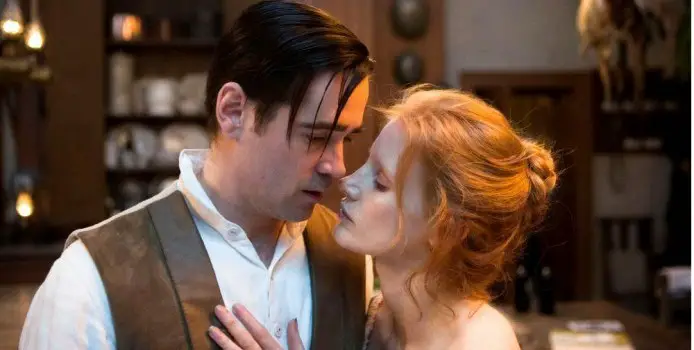
Known as an early work of naturalism, Miss Julie is a story of a Baron’s daughter who makes advances toward her family’s valet, Jean. One midsummer’s eve, tensions escalate between three characters: Miss Julie, Jean, and his fiance, Christine.

Over the course of a film spanning a mere two days, the Dardenne Brothers have demonstrated the fundamental characteristics of life, with all of its virtues and vices unabridged. Money as the root of all evil Two Days, One Night depicts the debacle of a Belgian woman named Sandra, who, after taking sick leave to battle depression, is laid off from her job; a decision voted on by her coworkers, who were forced to choose between her and their year-end bonuses. Through an altercation between the foreman, however, who intimidated a majority of the workers to vote against her, Sandra is given a second chance, which would be a re-vote on the following Monday.

Anna, a young woman on the verge of nunhood raised from the confines of a lonely convent discovers that her only living relative, Wanda, is a judge who abides by an irresponsible lifestyle of hedonism. These two very different personalities clash in Poland’s submission to the foreign film category of the Oscars, Ida. Anna and Wanda embark through the vestiges of Poland to locate the remains of Anna’s parents in order to give them a proper burial, a journey which becomes a heartfelt saunter that causes the pair to question their beliefs.
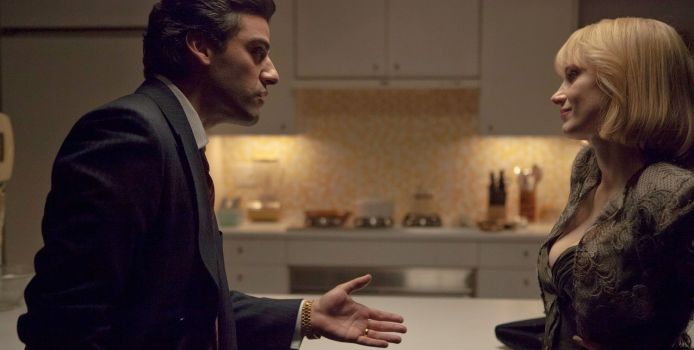
J.C. Chandor may be just starting out, but his film resume is already very impressive.
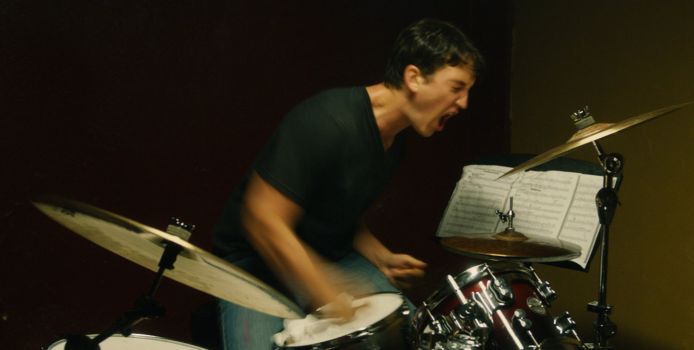
Why do we strive for greatness? What pushes someone to practice something over and over, until his hands bleed, until he perfects it? Can this intensity be brought out in all of us?