horror
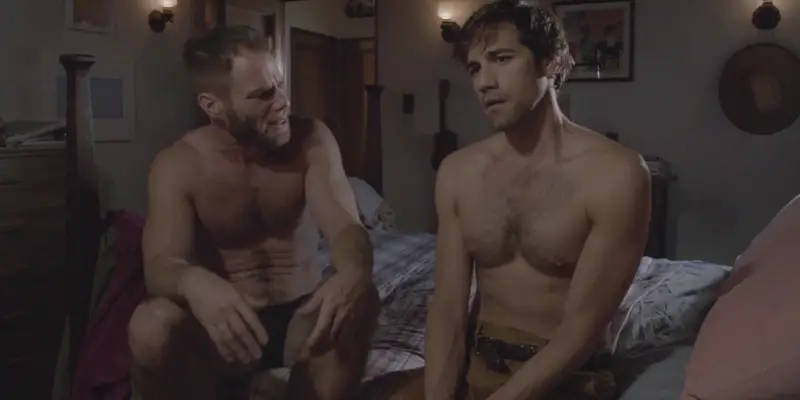
For a horror sub-genre that is frequently criticised for misogynist overtones, it is surprising how many gothic filmmakers haven’t combined the LGBT themes inherent in horror with the rampant violence of slasher film more frequently before. You’re Killing Me is a horror-comedy that puts the emphasis on the comedic elements, its many detours into slasher film never feeling either shocking or as amusing as the film around them. But it is unique for a film in this sub-genre to remove any subtext about societal fears among gay people in contemporary society and just make a straightforward horror-comedy with no deeper thematic resonance.
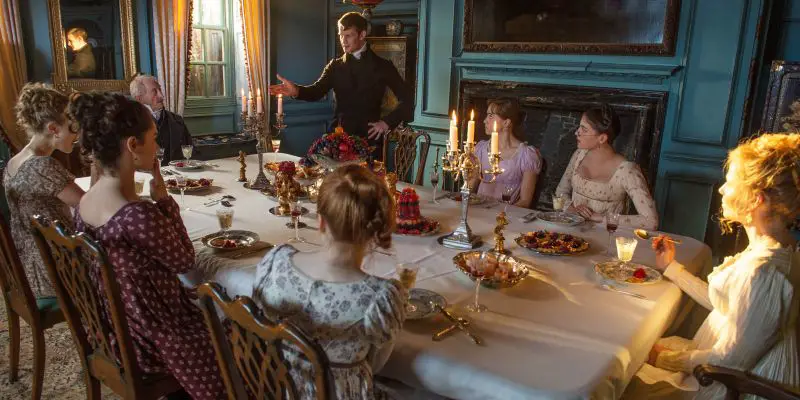
I love Pride & Prejudice and I will never tire of its adaptations and interpretations. I also really like zombie films. I am Pride & Prejudice & Zombies’ demographic.
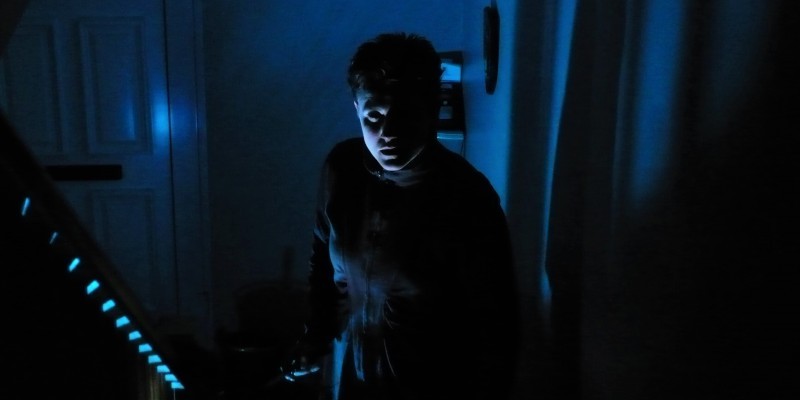
Sometimes watching a movie can feel like a duty. Maybe that’s because I take movies too seriously sometimes (okay, maybe all the time). But explaining why a movie fails is fraught with questions about my own expectations of a movie as they relate to the quagmire of unknowns about the creators’ intentions, let alone the practical budgetary constraints and other contingent aspects of an independent or studio production.
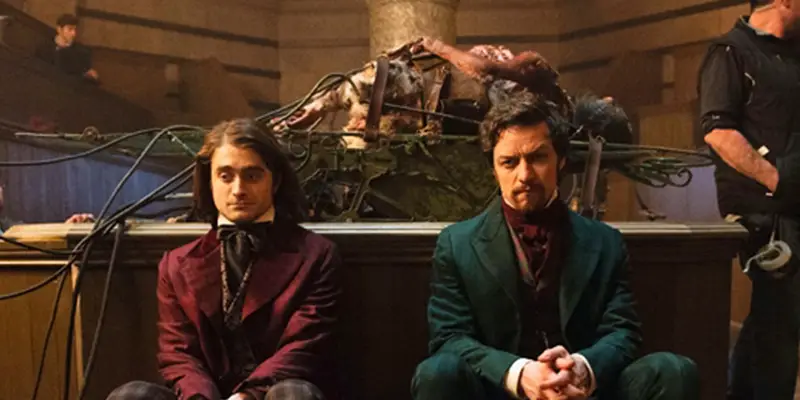
It’s been at least two years now since I first saw Daniel Radcliffe on The Graham Norton Show, sporting the unattractive hair extensions that would define his character, Igor’s, look. Admittedly, I have been excited for Victor Frankenstein since I first heard of its production. A Frankenstein ‘re-imagining’, told from Igor’s point of view, and one starring both Daniel Radcliffe and James McAvoy?
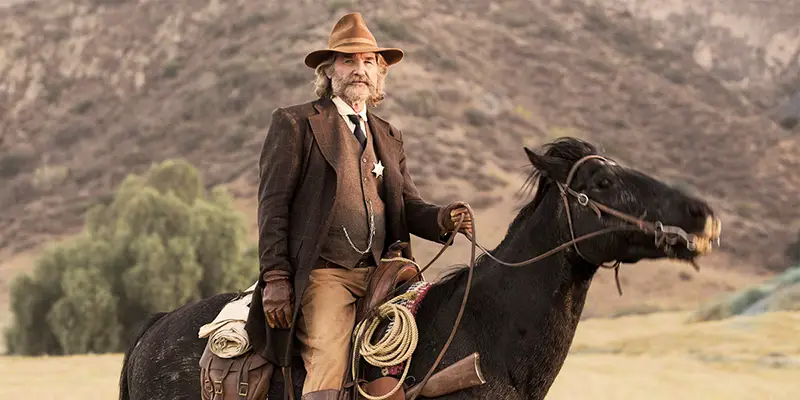
Despite a reputation as an open minded viewer willing to watch cinema of all genres, I have a confession to make: I struggle with Westerns, with many widely acclaimed masterpieces leaving me cold for no easily discernible reason. As much as I love Sergio Leone and many recently made “revisionist Westerns”, how the cornerstones of the genre (the majority of which are directed by John Ford) earned their classic status is unfathomable to me.
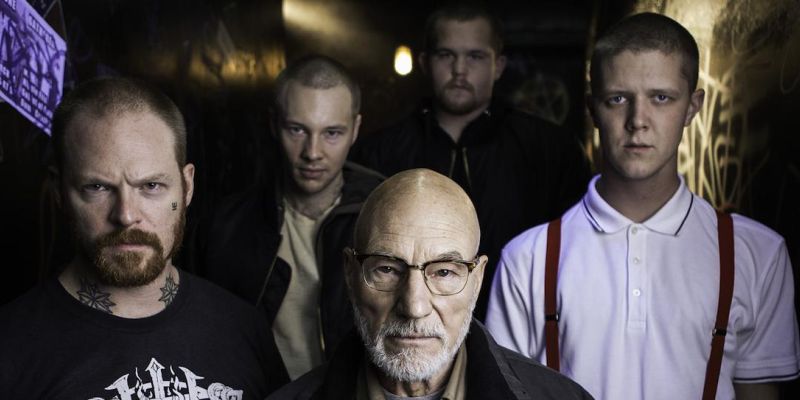
Director Jeremy Saulnier’s debut film Blue Ruin marked him out as a director to watch, a spiritual heir to the throne of the Coen Brothers at their most violent. Like the Coens in their bloodthirsty prime, Saulnier filled Blue Ruin with borderline absurdist humour and fully fleshed out characters who would appear as nothing more than walking quirks were they not so perfectly realised. Most importantly, he achieved something that few other Coen imitators manage – he perfectly understood that the violence in their movies takes place in a moral universe, where no evil deed goes unpunished.
Amicus Studios had the reputation for being the rival studio to England’s famed horror factory Hammer studios throughout the 1960’s and 70’s. While that may be true in some respects, Amicus also had the goods to make some truly enjoyable horror anthologies that managed to be both entertaining and scary. As a devout fan of Hammer studios, it feels nearly traitorous to be praising their rival Amicus, but to ignore their body of work would just be flat out ignorant, as Amicus proved to be a formidable rivalry to the house of horrors that Hammer was known for.

You would be right in thinking with a title like this The Boom Boom Girls Of Wrestling would be a lot of fun even if it wasn’t very good. Made by independent filmmaker Carolin Von Petzholdt, The Boom Boom Girls Of Wrestling claims to be inspired by true events (but I’m pretty sure this is just a gimmick), and tells the story of a group of out of work actresses who train to be wrestlers as part of some kind of reality show. However, on their way to their first event in Las Vegas their bus breaks down and they are stranded in a ghost town where a mysterious slasher (dressed as chicken, because, why not?
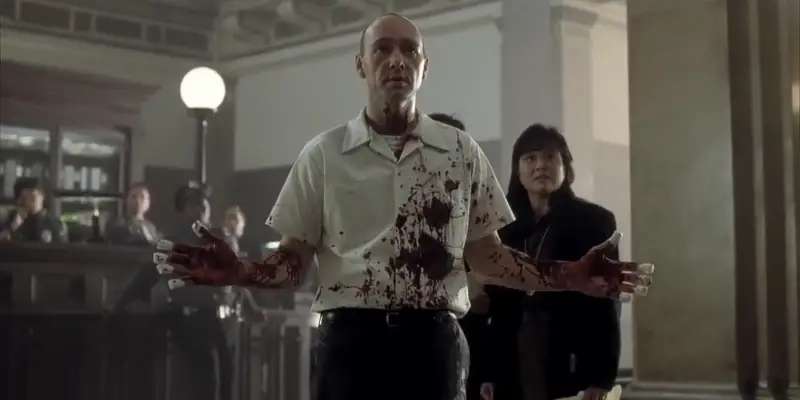
It’s October, so things are getting pretty spooky here at Film Inquiry HQ. Pretty sure I saw a ghost in the water cooler the other day. We don’t have a water cooler, but that’s neither here nor there (though it does lead me to suspect that the water cooler itself was the ghost).
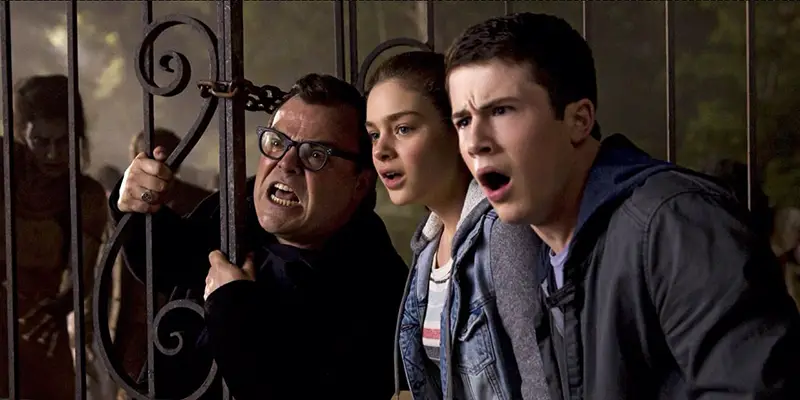
Horror movies geared towards the younger generation are sometimes hard to come by, likely because a large portion of kids do not like to be scared. To make a horror movie for kids, then, you have to somehow tread the line between scary and lighthearted. Luckily, Goosebumps finds that balance, managing to capture not only the charm of Stine’s work, but the scares as well, without straying too far in either direction.
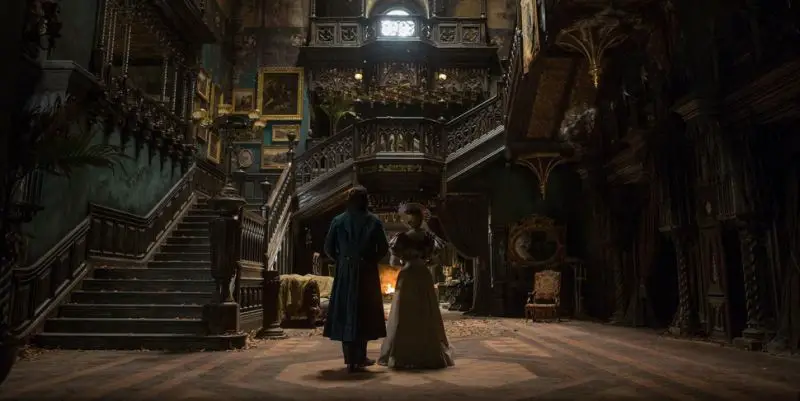
While most genre filmmakers have a hard time choosing between style and substance, Guillermo Del Toro has become the best filmmaker in the fantasy genre by giving equal weight to the visual design and emotional weight of the narrative; both complement each other in the best of his work. Even in a simple blockbuster movie like Pacific Rim, the substance is always there to be seen due to the clear love for the old-school Kaiju movies that inspired it – to date it is the only major studio tentpole blockbuster that feels like the personal passion project it was devised as. Crimson Peak is Del Toro’s return to gothic fantasy, his first film in the English language that could be comparable to his two Spanish Civil War fairy tales, The Devil’s Backbone and Pan’s Labyrinth.
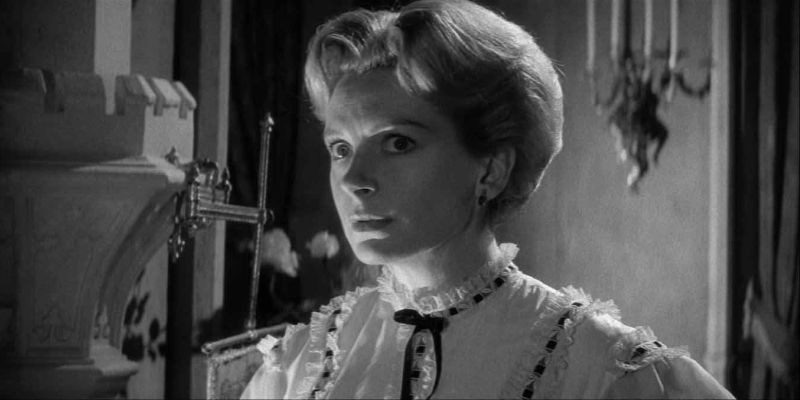
Miss Giddens (Deborah Kerr), the new governess for two orphaned children in Victorian England, arrives at their idyllic country estate in the beginning of the psychological horror film, The Innocents (1961). The naive young woman, who has a lived a solidly middle class existence as a vicar’s daughter, marvels at the stately home and spacious grounds. Everything, including her two young charges, seems innocent and perfect.
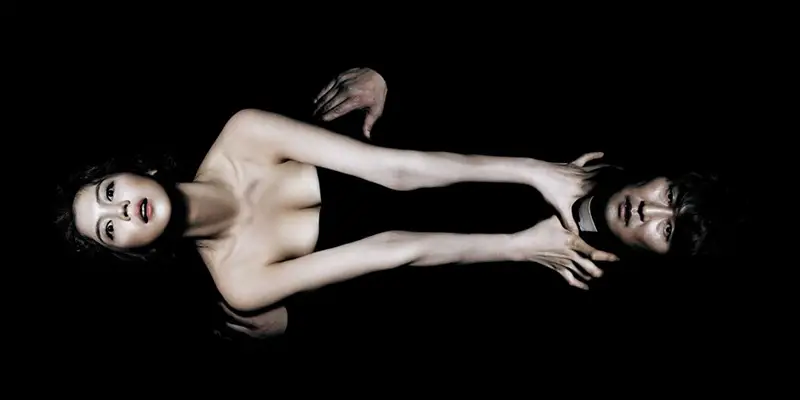
Every year I seem to arrive at an impasse with horror films. Like many other lovers of the genre out there, we will always have love for Jason, Freddy, and Michael Myers (just tell Rob Zombie to cut it out). But when you’ve seen one too many teens by the lake, and you hear Freddy say “bitch” one time too many, you realize there’s more to the genre than just blood lust and hockey masks.
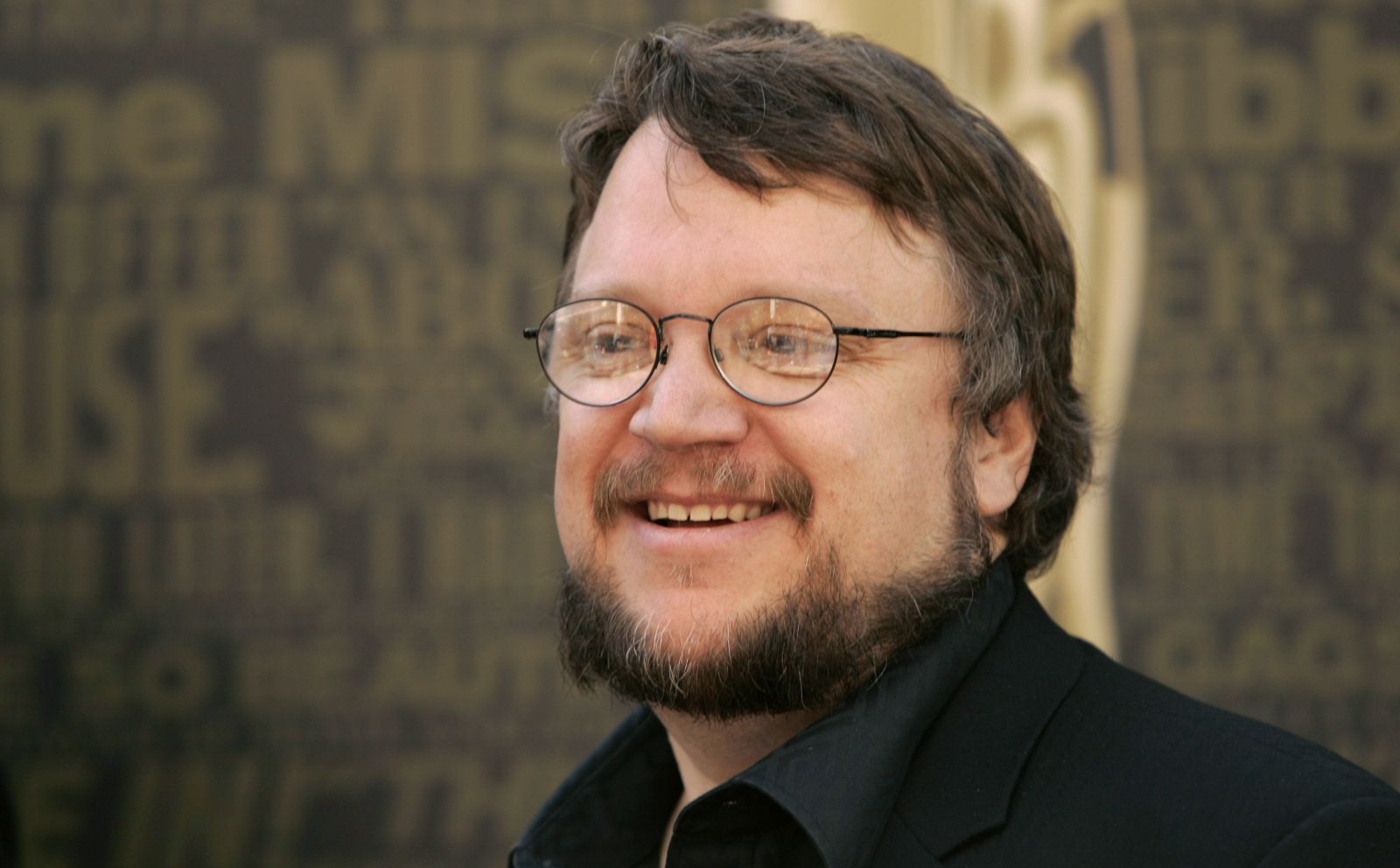
Near the conclusion of Hellboy II, we find the eponymous hero at death’s doorstep. Hellboy is laid at the feet of his personal Angel of Death, a shrouded, veiled monstrosity whose ragged wings are festooned with a series of enormous, amber eyes. Elizabeth Sherman, Hellboy’s partner, cradles his unconscious body in a pose reminiscent of the Pietà, an aesthetic emphasized by the magical spearpoint thrust into Hellboy’s side.
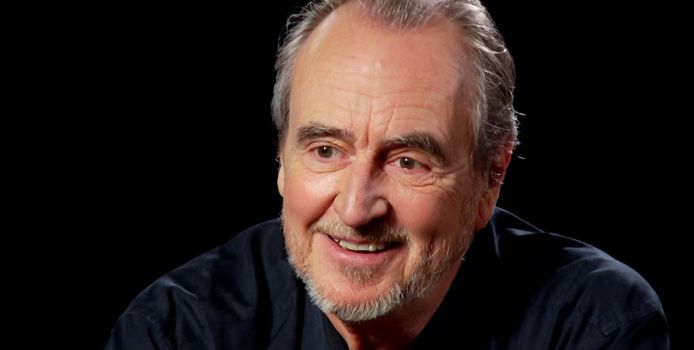
When you think of horror movies, one name should spring to mind: Wes Craven. He reinvented the teen horror genre and made it his own, alongside creating the most feared character in the horror genre: