

war
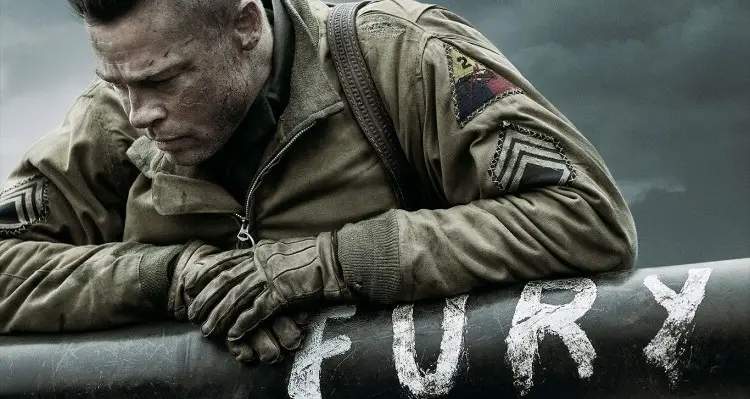
David Ayer’s Fury is the story of an American tank unit led by “Wardaddy” (Brad Pitt) near the end of the European Theatre in World War II. Ayer is still best known for writing 2001’s Training Day, but after he made the surprisingly acclaimed End of Watch, he has been given the chance to direct a full-blown war film. Ayer’s hyper-masculine style is one that could be to the detriment of a war film that is trying to stay grounded in reality, but he is able to dial back his tendencies enough to keep it from being a glorification of violence.
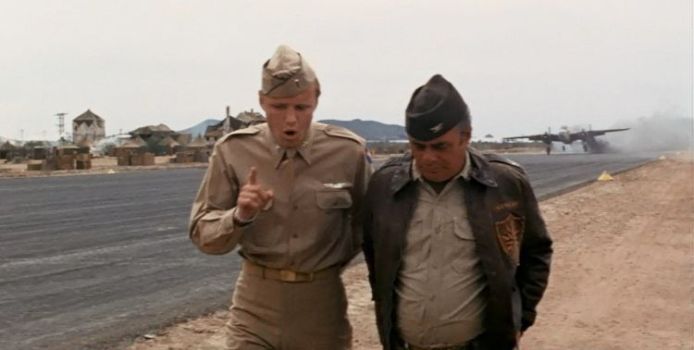
If you ask somebody about the war films they’ve seen, the first titles that come to mind are usually large-scale epics that feature scenes of combat and violence. These films effectively depict the horrors of war. However, the level of action in some of these films can be distracting and compromise our emotional involvement with the characters once we see how quickly they can vanish, and the level of violence that can occur.

When the majority of people are asked for their opinions on the topic of ‘best film directors’, a usual set of names are mentioned. While individuals will naturally have personal and less predictable choices, there is a good chance that at least one of their suggestions will be from a set of list of collectively-decided greats: Kubrick, Hitchc*ck, Scorsese and the like.
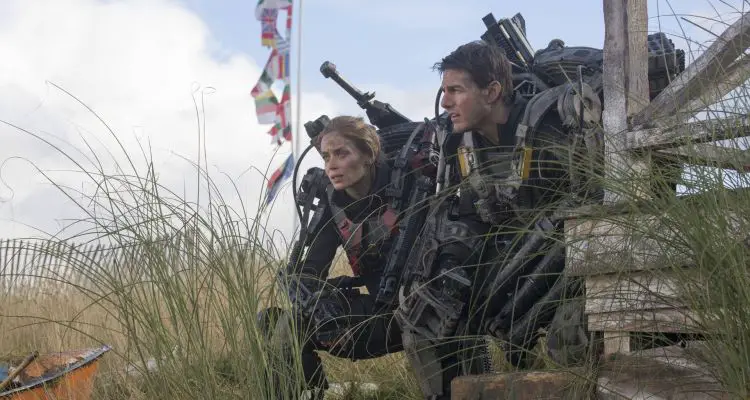
In Edge of Tomorrow, Earth is hit by a meteor infested with a strange and highly violent alien species called the Mimics. They immediately start to destroy the world, and everything the humans do is futile. The alien species is strong and fast, and more importantly, has control over time – though no one (aside from a very select few) is aware of it.