

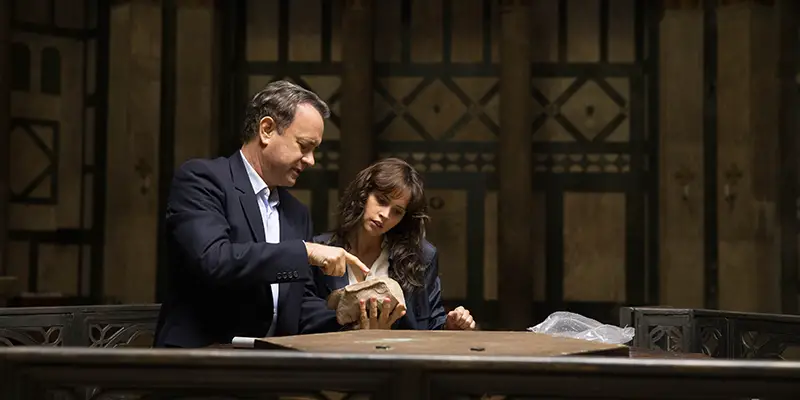
Oscar winners Tom Hanks and Ron Howard reunite in their third collaboration on a Dan Brown adaptation, Inferno. Small wonder. The Da Vinci Code grossed better than $750 million worldwide, and its sequel, Angels & Demons, based on a lesser known novel that marked the first appearance of globe-trotting symbologist Robert Langdon, pulled in close to $500 million.
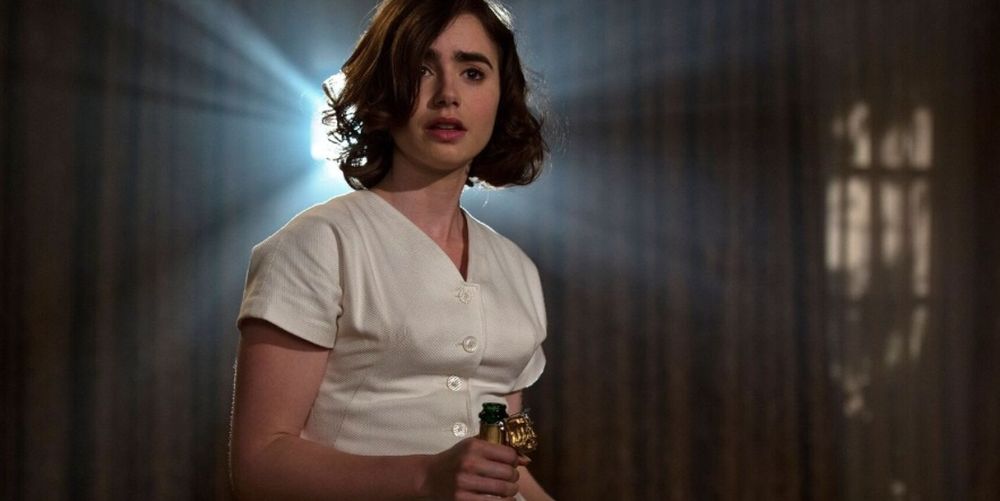
Warren Beatty’s name doesn’t get thrown around as much as it once did, but it’s still a name that carries weight. Many of his acting roles are classics, and while his career has seen him write, direct, and produce only a handful of times, the consistent success of these projects make him one of the great quadruple threats in the industry. The now 79-year-old has largely been absent during the new millennium, but he’s been quietly working in all four capacities on his ‘50s throwback Rules Don’t Apply.

Sure, we’ve all heard the rumours: topping the critics’ pick of the flicks for this century, hell, this millennium so far, is David Lynch’s Mulholland Drive. But what exactly happened up in the darkness of those famous hills, on those enticing yet savage switchbacks?
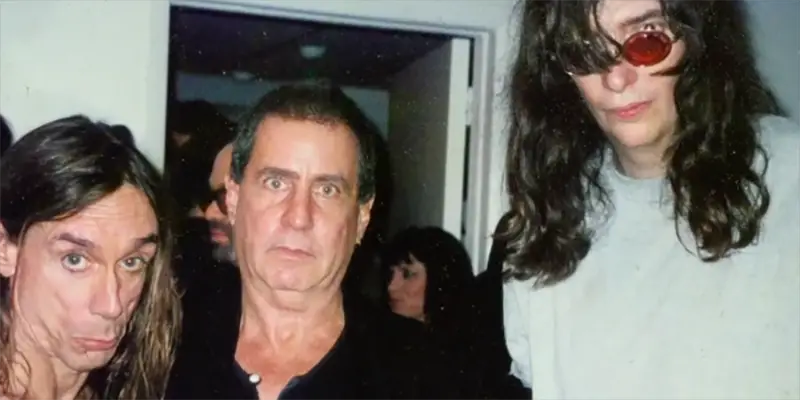
Magnolia Pictures brought important documentaries like Blackfish and Food, Inc to the public at large, and now they’re bringing us Danny Says. While Danny Says might not be an activist film meant to make an impact on our present day lives and the world we live in, Danny Fields made a huge impact on the world of music from behind the scenes – and this is his story, directed by Brendan Toller. Experimenting With Rock n Roll As a fan of documentaries, biographies and music, this film was right up my alley.
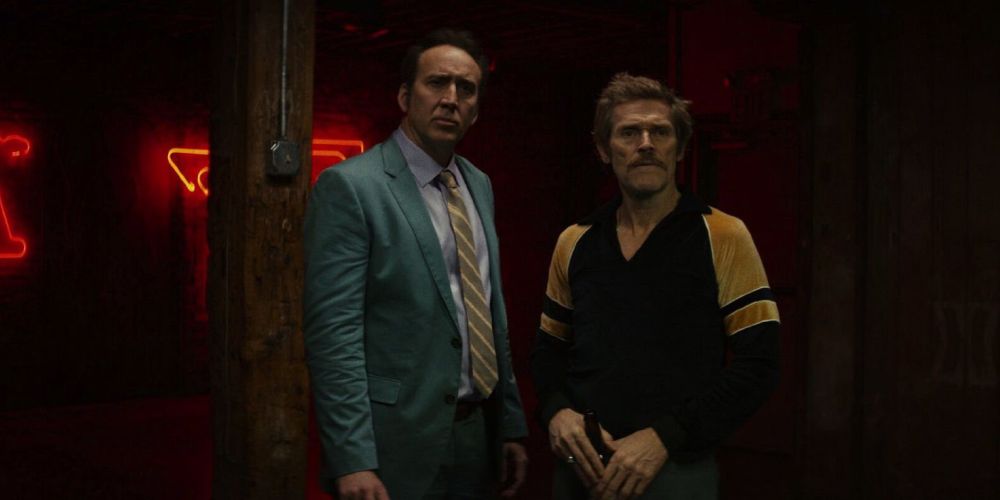
Every Tuesday, we publish a list of the movies that are opening in cinemas. Opening this week are Doctor Strange; Loving; Hacksaw Ridge; Trolls; Dog Eat Dog; My Dead Boyfriend; The Ivory Game; Stagecoach: The Texas Jac Story; CRD and Peter & The Farm.
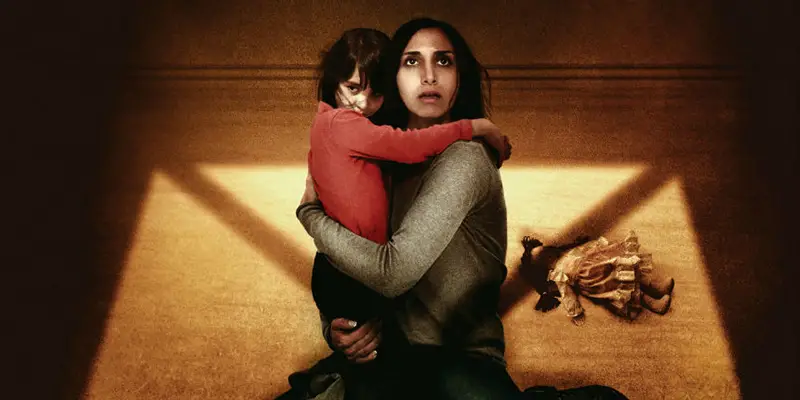
Film is one of the best artistic mediums because it’s always growing; it speaks every language, and every place in the world has their iteration as to what’s scary, twisted, weird or just downright bizarre. Different countries offer different interpretations of horror, from China where vampires hop to Korean Shaman. They don’t wave crosses, nor do they compel the power of Christ upon anyone, but just don’t fall in love with Isabelle Adjani.
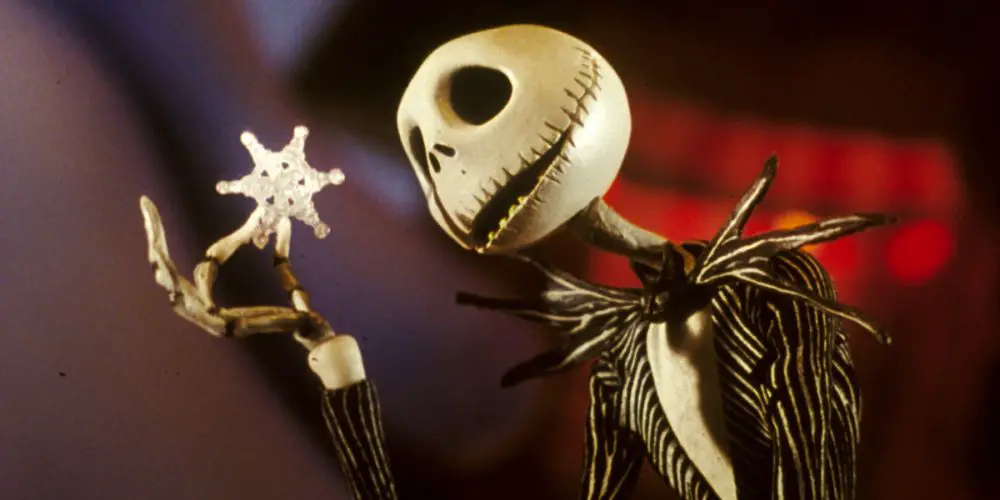
Halloween – the season of ghouls, screams and tricks or treats. It’s the time of year when scares of all kinds are acceptable and even welcomed. We become the creatures of the night, in search for something to satisfy our yearly holiday craving.
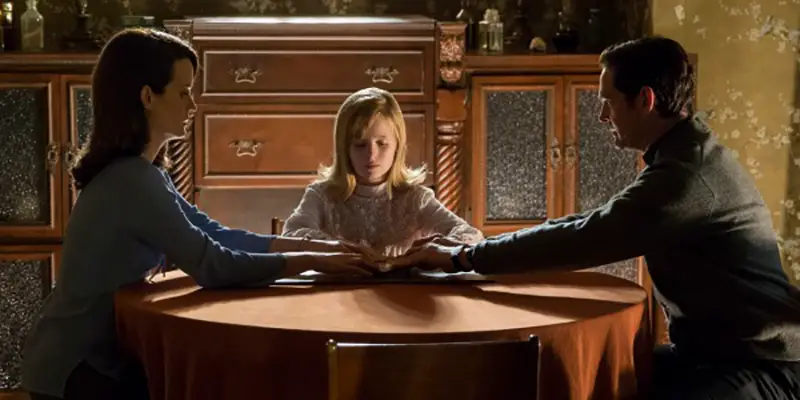
Is this any way to sell a board game? Hasbro’s perennial moneymaker “Ouija” is the basis of Universal’s micro-budget horror franchise in the making, and it’s hard to imagine a game manufacturer working any harder to discourage people from buying its product. The 2014 release Ouija opened at number one, and a followup was inevitable.
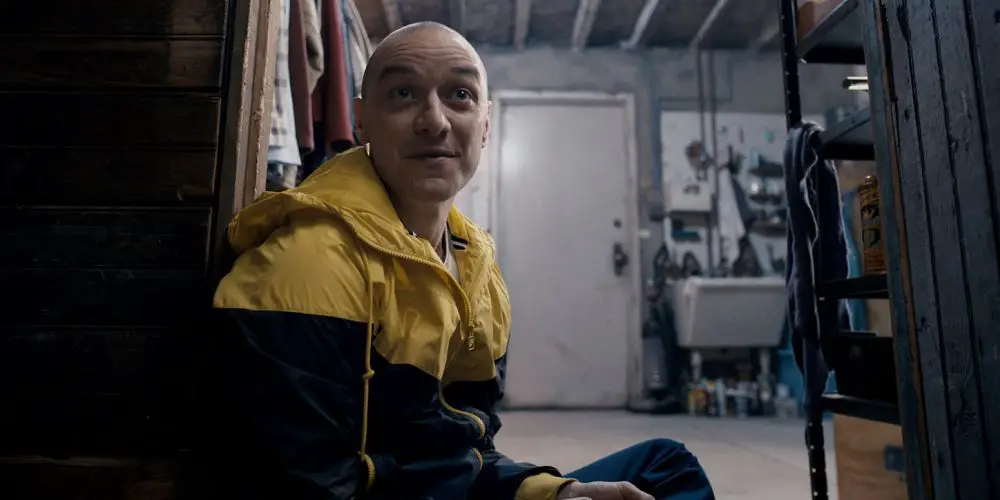
A comeback is a long road, especially when you’ve burned as many bridges as M. Night Shyamalan. The modest success of 2015’s The Visit got people excited for a return to form, but the near ten year stretch of atrocious films that preceded it hasn’t been forgotten.
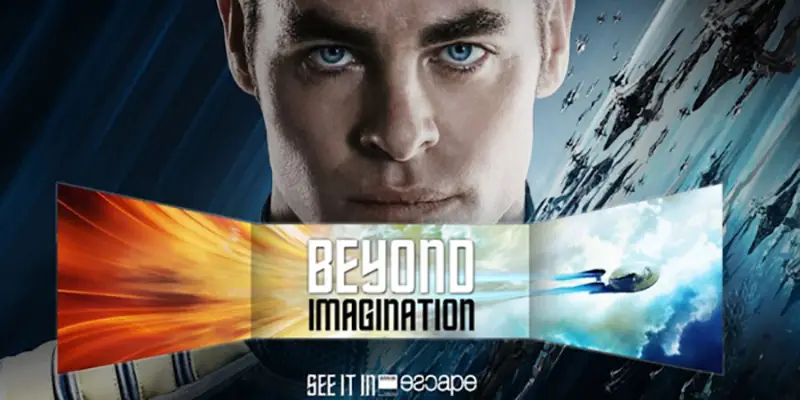
Belgian firm Barco recently made a move to present a new large-format viewing experience, alongside theater-chain in-house offerings, like Regal’s RPX premium experience, AMC Prime, Cinemark XD, and industry stalwarts like IMAX and RealD 3D. The Escape format uses three screens, with a center screen flat and straight ahead, like any conventional theater – the twist is the two side screens, angled, creating a viewing experience that gives the appearance of wrapping around the audience – a 270 degree panorama. With VR emerging on the scene right now, exhibitors will be looking for ways to provide new and different immersive viewing experiences.

Six foot plus, Nick DeRuve looks a movie star. And although he’s done some acting, it’s on the other side of camera, as a screenwriter and director, that the young filmmaker is intent on making his mark. It’s been a long road for DeRuve, from Schenectady, in upstate New York, to LA, and longer still to Toronto, where his movie The Runaway was recently screened.

The spy-next-door genre seems to be showing its age. The idea of ordinary people in extraordinary circumstances fueled dozens of effective Hitchc*ck movies, several of them classics. There’s no reason, really, why it shouldn’t work as well now.
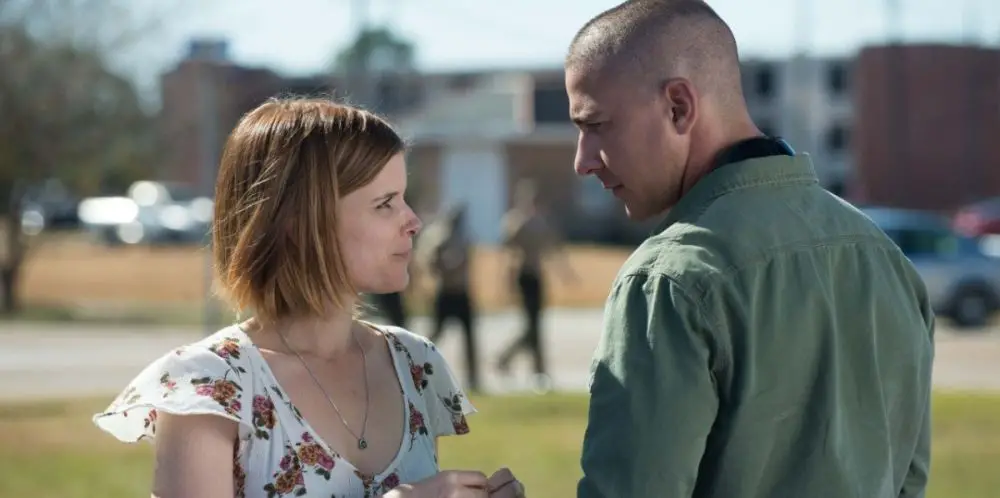
Man Down was shot in 2014 but has been kept on the shelves since, apart from playing at the 2015 Venice Film Festival and the 2015 Toronto International Film Festival. It found its home with Lionsgate, and is getting distribution later this year. Man Down takes place in a post-apocalyptic America though that doesn’t become clear from the trailer.
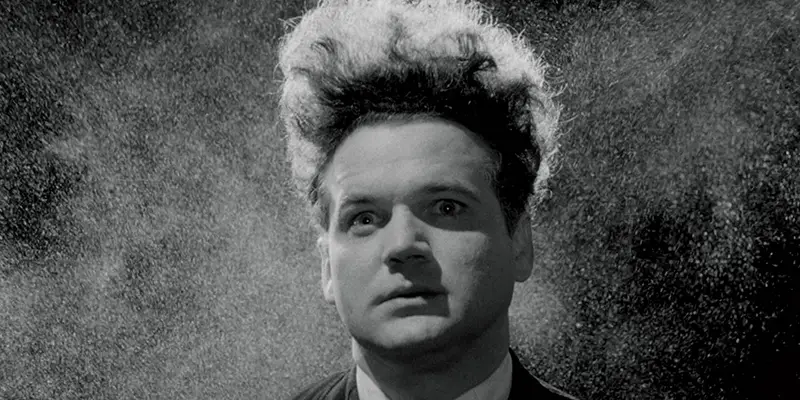
There is one movement cinephiles can thank for heroin addicts sinking into carpets and rose petals exploding from cheerleader’s chests: Surrealism. Not only has the movement influenced some of the most iconic films to date like Trainspotting and American Beauty, throughout the last century surrealism has completely turned cinema on its head; creating a new wave of film that drags reality into the world of insanity.
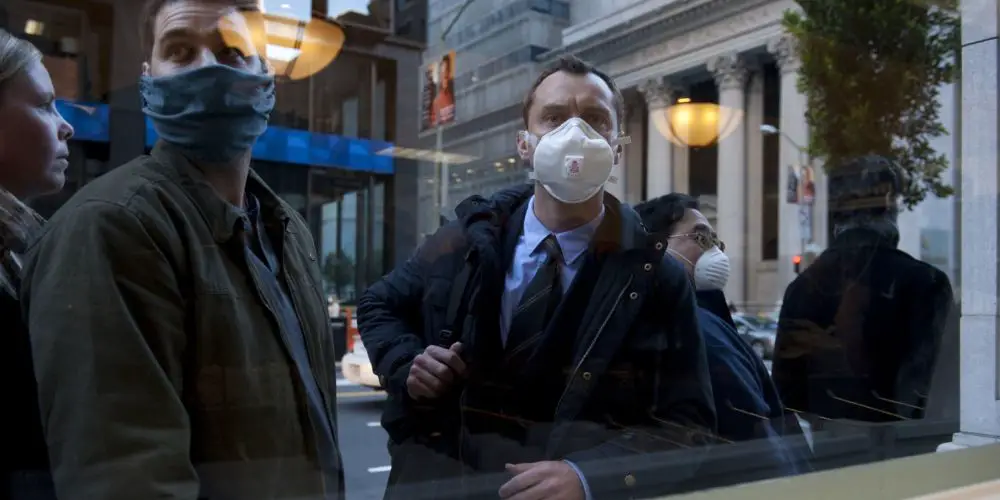
When we think about viruses in cinema, we usually think about them in conjunction with turning us into the undead. Indeed, the stunning alacrity and volume at which Hollywood churns out zombie epidemic films begs us to wonder if we have truly exhausted the “what if?” nature of this particular vein of horror.