

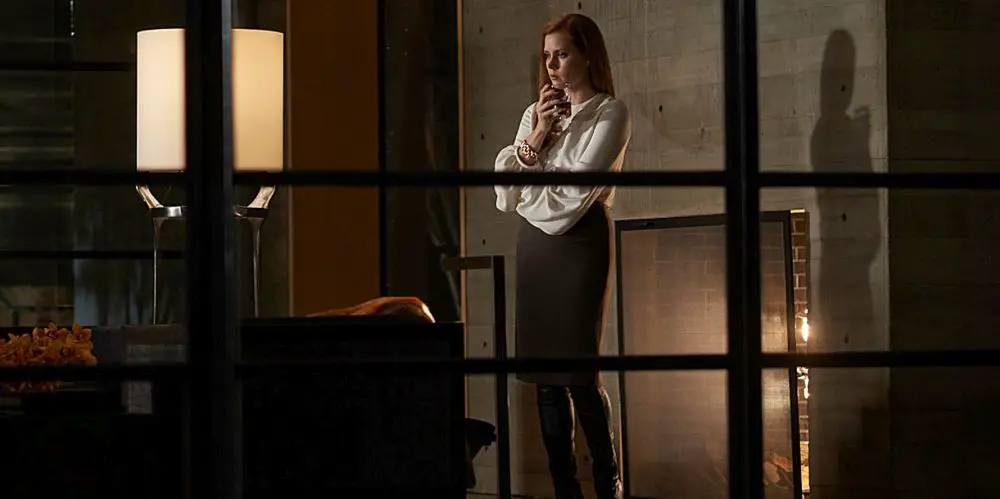
Tom Ford isn’t dabbling in filmmaking. While primarily a fashion designer, his 2009 debut A Single Man turned heads not only for its style but its deeply felt rumination on loss. He co-wrote and directed that project, and while its depth was a delightful surprise, it also set the bar very high for his sophomore effort.

With the #ShortFilmADay challenge, Film Inquiry promotes the watching of short films, and supports indie film and filmmakers! It’s never to late to join! Find more information about the challenge here.
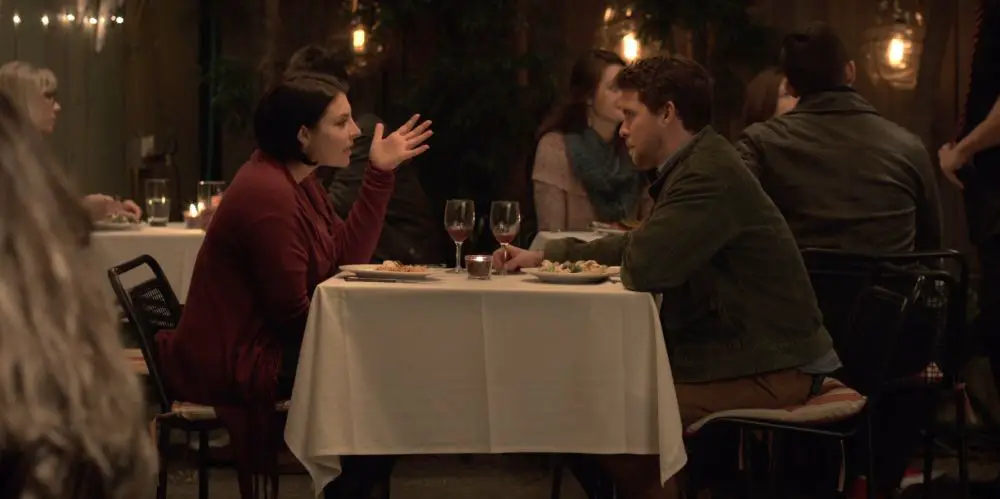
With the #ShortFilmADay challenge, Film Inquiry promotes the watching of short films, and supports indie film and filmmakers! It’s never to late to join! Find more information about the challenge here.

Raj Kapoor, Dilip Kumar, Nargis, Dev Anand, Vyjayanthimala, Guru Dutt, Madhubala, Raaj Kumar, Rajesh Khanna, Meena Kumari, Shashi Kapoor, Hema Malini, Sanjeev Kumar, Amitabh Bachchan, Rekha, Anil Kapoor, Madhuri Dixit, Salman Khan, Shah Rukh Khan, Kajol, Aamir Khan, Aishwarya Rai, Hrithik Roshan, Kareena Kapoor, Priyanka Chopra, Ranbir Kapoor, Deepika Padukone. To a majority of westerners these names will have very little resonance, if any at all. For many cinemagoers on the Indian subcontinent, however, these highly-revered and much-followed household names together epitomise the most significant cultural product in the region:
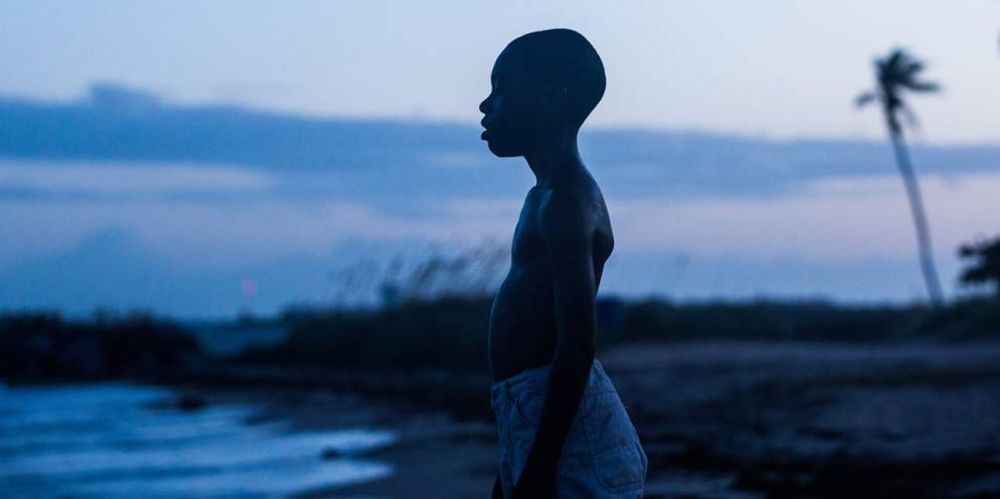
Family. It is something we cherish, and for those unfortunate few who don’t have one, it is something to seek. We are nurtured by familial ties; without them we would be stranded and alone.

Despite frequently being labeled the most reclusive country in the world, in the past half decade or so there have been a preponderance of documentaries about North Korea. TV shows, websites and documentary filmmakers have all offered their own spin on what is colloquially referred to as “The Hermit Kingdom”. Though told in different ways, all of these pieces have generally come to the same conclusion:

With the #ShortFilmADay challenge, Film Inquiry promotes the watching of short films, and supports indie film and filmmakers! It’s never to late to join! Find more information about the challenge here.
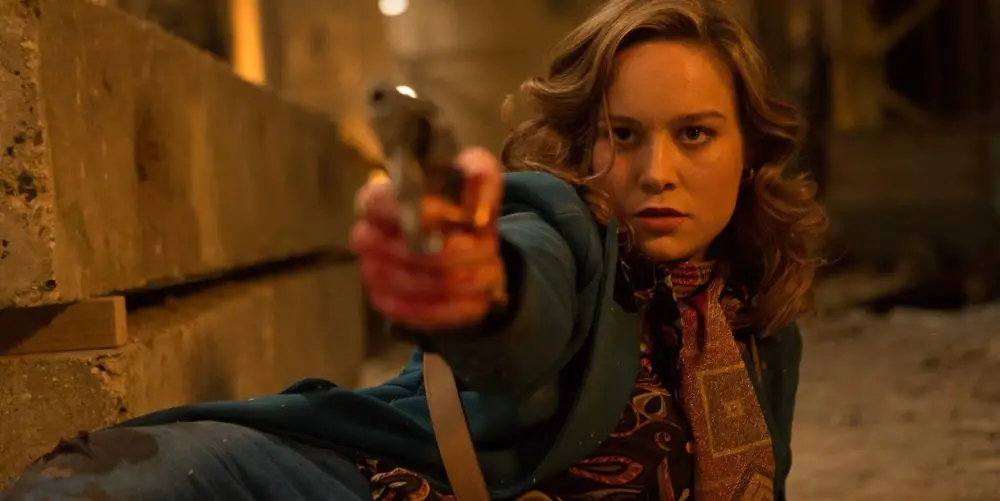
Free Fire really isn’t into small talk. It just wants to put some weird characters in a set piece and let the good times roll. That high bar is why it’s imperative that they got quality actors like Oscar winner Brie Larson.
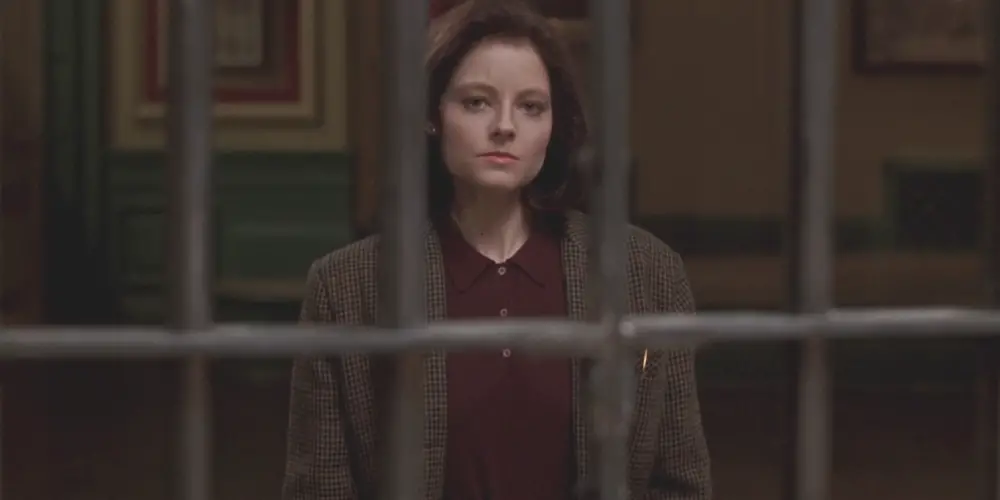
The Silence of the Lambs is an enduring piece of cinema. Jonathan Demme’s crime-thriller touched a nerve because of its mainstream appeal crossed with glimpses of macabre imagery. A young FBI trainee named Clarice Starling (Jodie Foster) is enlisted by her superior to visit with notorious cannibal Hannibal Lecter (Anthony Hopkins) in prison with hopes of gaining insight into another active serial killer:
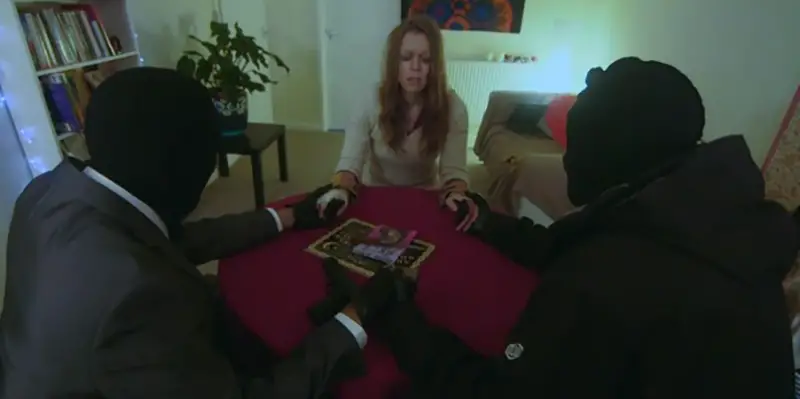
Straight off a win from the 2016 Drunken Film Festival in Bradford, West Yorkshire, England, comes a quirky, well written short. Though bleak and serious in its setting, there are definitely lots of laughs here. Polterheist, written by David Gilbank and Paul Renhard, is an entertaining watch, with a nicely planned plot.
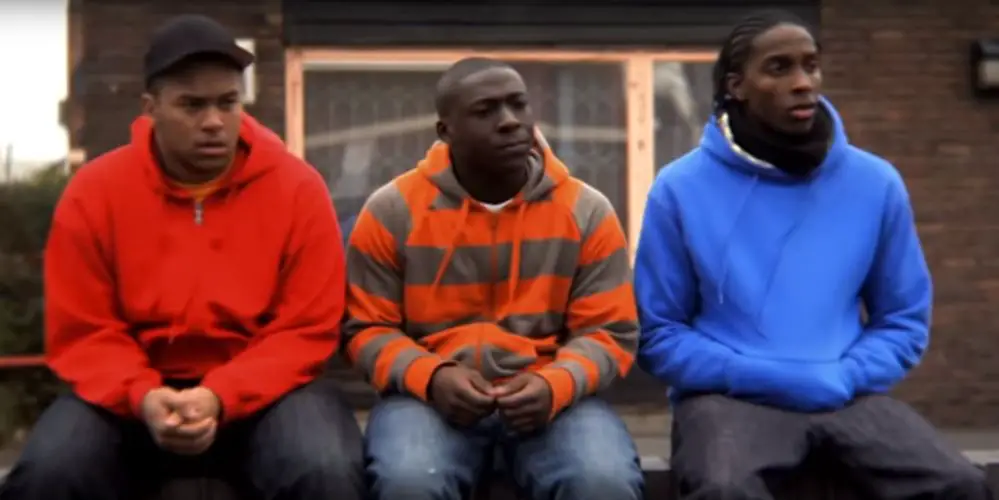
With the #ShortFilmADay challenge, Film Inquiry promotes the watching of short films, and supports indie film and filmmakers! It’s never to late to join! Find more information about the challenge here.

The tradition of fraternity hazing is well-known in America, with rush week on campus being synonymous with strange antics and the occasionally harried classmate. The dark side isn’t hidden, either, which 24-hour news companies jump on to fill time. Annual reports of dangerous stunts and the occasional injury or death are treated with a somber tone, questioning why collegiate-level young men take part in such ridiculous antics.
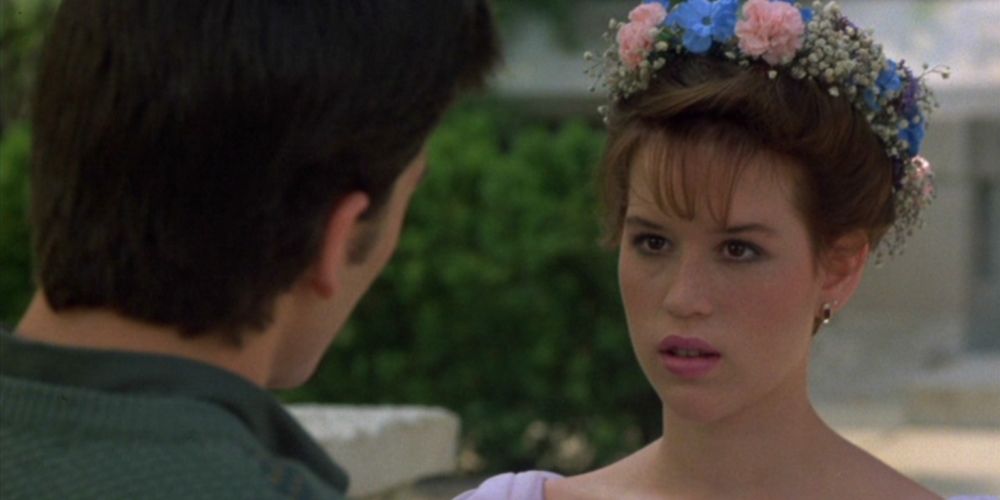
There’s a strange dichotomy surrounding the films of John Hughes, both written and directed. In one sense, there have been few directors that have so understood the angst of the teenage experience. Yet, conversely, Hughes’ depiction of both race and gender are entirely at odds with his apparent insight into the teen condition.

Have you ever had a dream where you were being chased? In this dream, were you being pursued by a faceless monster? Or perhaps you were being stalked by a familiar presence in the waking world?
With the #ShortFilmADay challenge, Film Inquiry promotes the watching of short films, and supports indie film and filmmakers! It’s never to late to join! Find more information about the challenge here.