

With the #ShortFilmADay challenge, Film Inquiry promotes the watching of short films, and supports indie film and filmmakers! It’s never to late to join! Find more information about the challenge here.
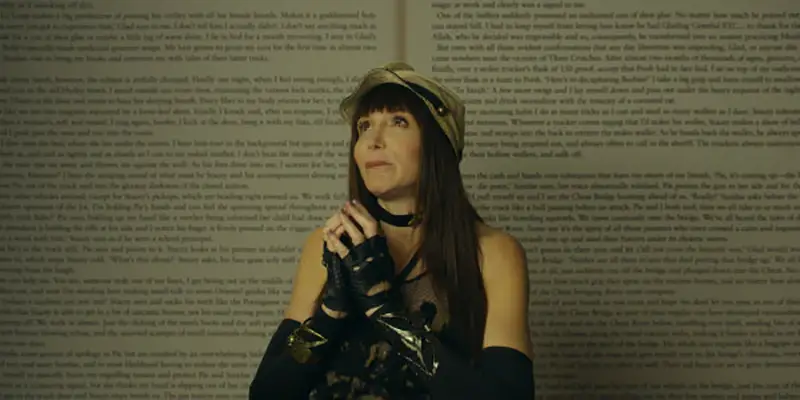
First published in 2000 under the pseudonymn JT LeRoy by author Laura Albert, “Sarah” became a transgressive fiction literary sensation. After holding court with such seminal writers of the sub-genre such as Bruce Benderson and Dennis Cooper, the rising writer of American letters seemed destined for superstardom. Whisked away on the coattails of celebrities impressed with her abilities on the page, Jeremiah “Terminator” LeRoy become the queer it lit boy of a generation.
With the #ShortFilmADay challenge, Film Inquiry promotes the watching of short films, and supports indie film and filmmakers! It’s never to late to join! Find more information about the challenge here.
When I go to TIFF, I like to mix it up: if I get a ticket to a hot title, I’ll also check out something lesser known (or without a distributor). Most times, my screening schedule alternates so that buzzy films and unknown quantities are spaced out fairly evenly.
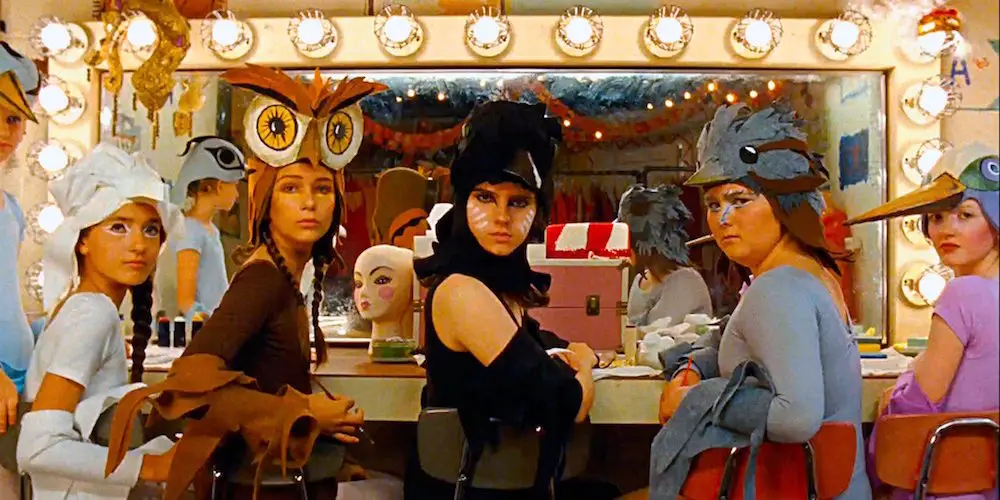
A distinctive and imaginative style plays a part in every Wes Anderson film. His influences range from French New Wave films to Jacques Cousteau’s books and films. One influence in particular intrigues me:
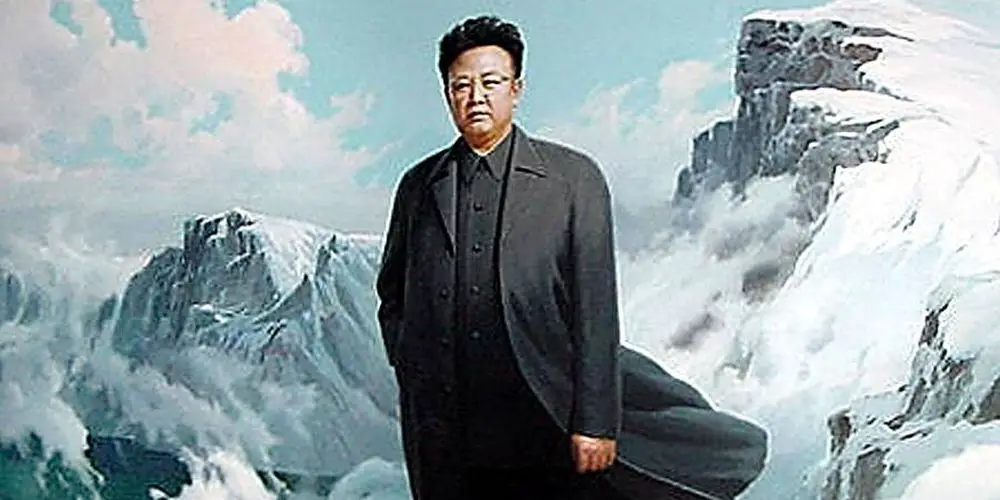
When we think of documentaries about North Korea, it is usually with an eye toward illuminating what to this day remains cloaked in self-imposed mystery. As it has always been an excessively reclusive nation, this state of unknowing has been the primary trait most of the West associates with the DPRK. As a young country, that means most of its brief history is known only to itself, and even then there are probably only a few at the government’s upper echelons that are privy to details not disseminated to a populace fed on propaganda.
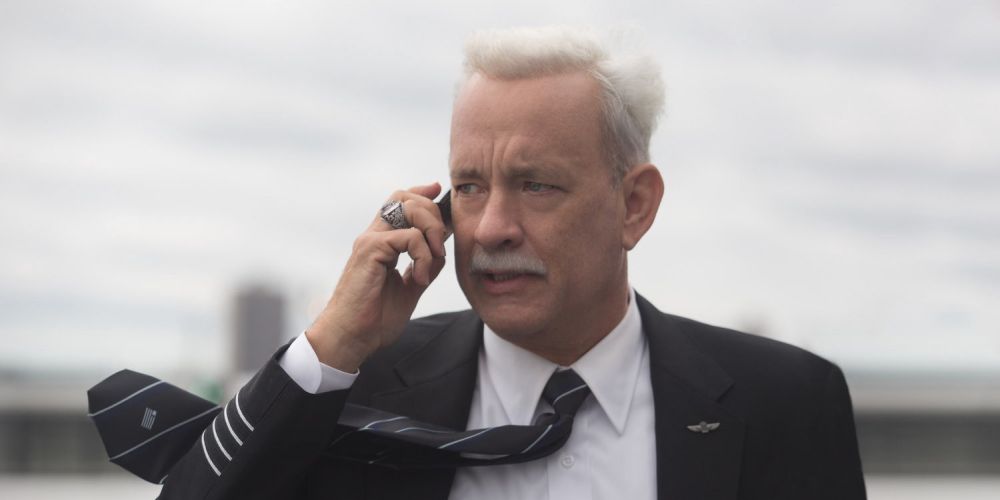
I still fondly remember the day that was subsequently christened the “Miracle on the Hudson”, when it was discovered that a plane successfully landed on the Hudson River after an incident in the air when both engines were destroyed. Amazingly, everyone on board survived. It was one of the first times I had heard of something like this happening, and I would say that most of America, if not the world, was equally spellbound.
With the #ShortFilmADay challenge, Film Inquiry promotes the watching of short films, and supports indie film and filmmakers! It’s never to late to join! Find more information about the challenge here.
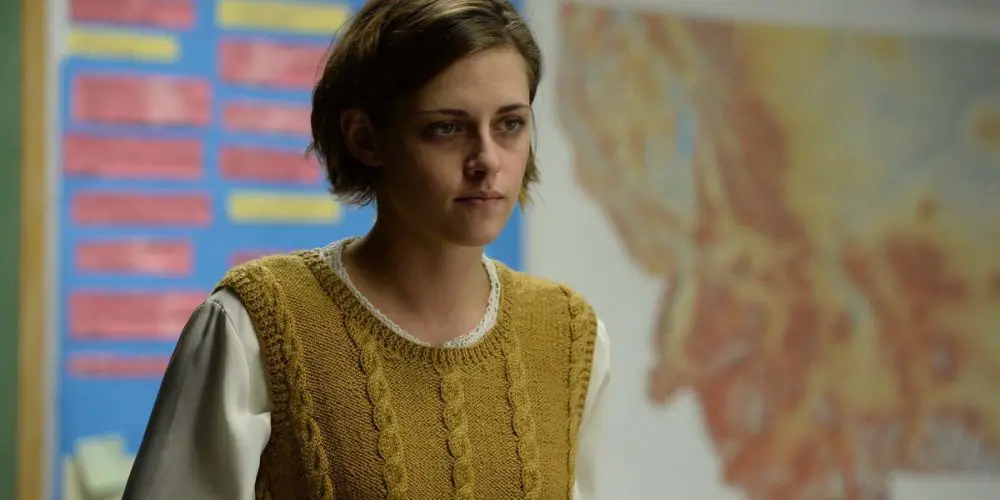
With its small scale stated in the title, Certain Women looks like a traditional Kelly Reichardt film. Intimate and low-key, her movies rarely stretch to include more than a handful of characters leading small lives. This minimalist style tests the patience of some viewers, while others find the delicately observed moments riveting.
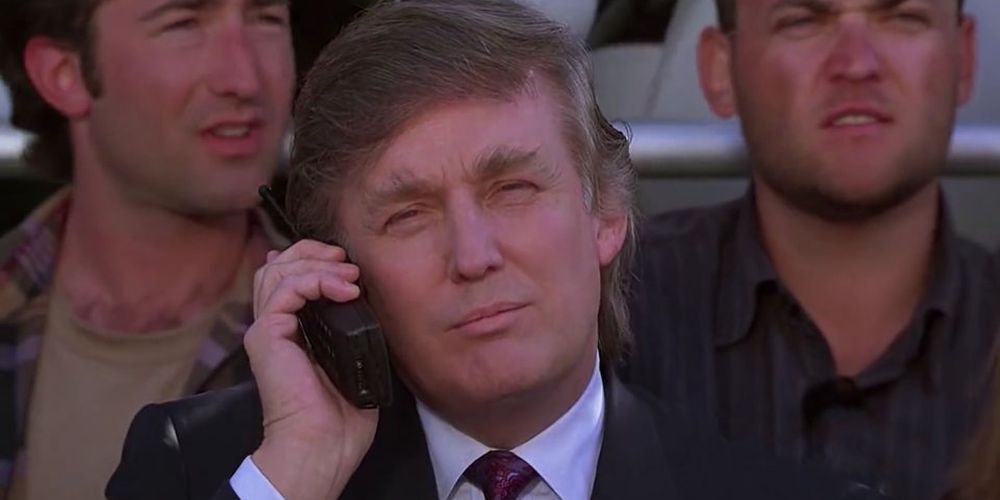
In two months time, the world could have already adjusted to the news that Donald Trump has been named the 45th President of the United States. Trump’s entire presidential platform has been built on two things: the first is a disrespect for taste and decency, building an entire campaign around gaffes that would see any other politician deemed unfit to be a part of the establishment, let alone be crowned leader of the free world.
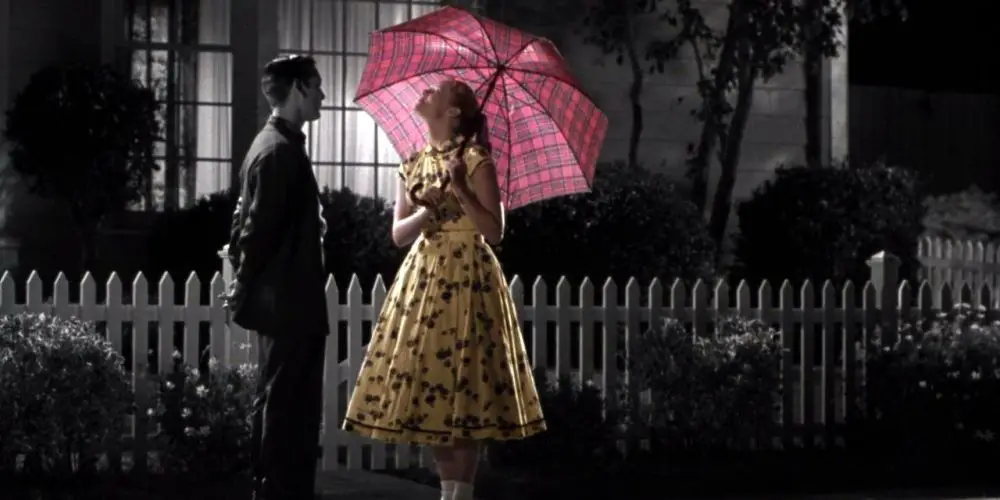
Imagine you are given a TV remote that has the power to transport you into another dimension and back in time. Imagine you accidentally allow the remote to do it. Well, that’s exactly what happens in the 1998 film Pleasantville.
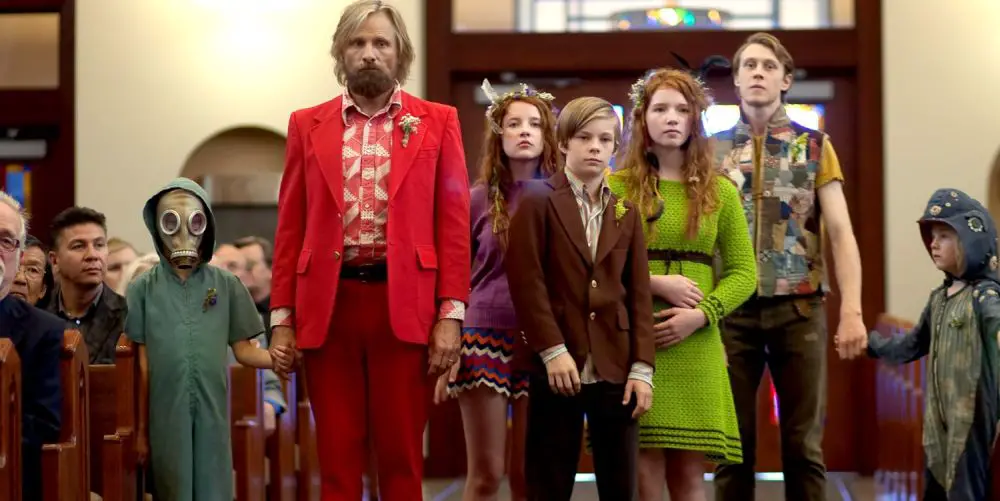
To title your film with the superlative ‘Fantastic’ is playing with fire. Firstly, in this age of Marvel’s silver screen domination and DC’s valiant attempts to catch up, it would be understandable for any jaded cinema-goer to skip this one, expecting another facile, spandex-clad superhero epic; secondly, if it fails the headlines write themselves, and every movie critic worth their salt would crowbar in a reference to the irony of the film’s title. Luckily, Matt Ross’ sophomore effort Captain Fantastic, following 2012’s 28 Hotel Rooms, will have few critics drawing knives, and anyone eagerly searching for an antithesis to the recent barrage of superhero blockbusters in cinemas will be satisfied, if not delighted, when the credits roll.
With the #ShortFilmADay challenge, Film Inquiry promotes the watching of short films, and supports indie film and filmmakers! It’s never to late to join! Find more information about the challenge here.
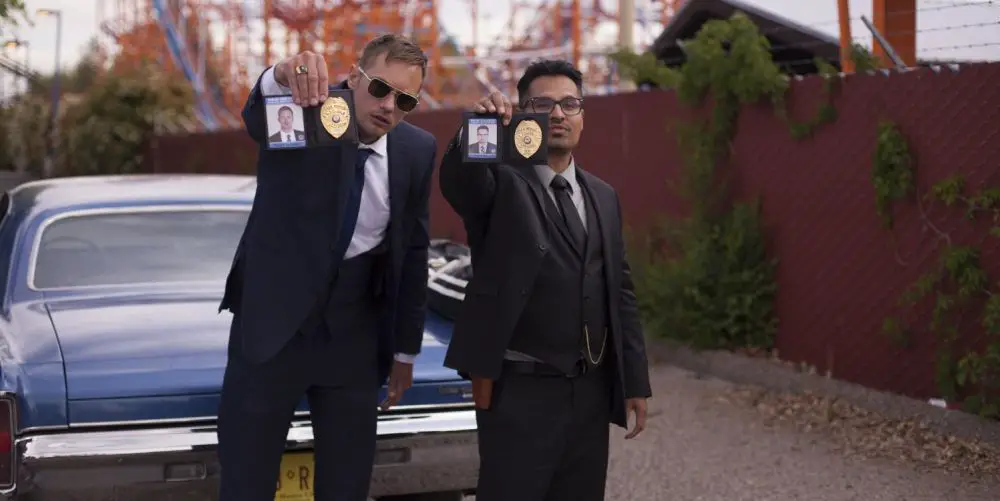
Prepare yourself for another round of bad boy cops in War on Everyone, the latest from writer/director John Michael McDonagh. While sticking to his earned reputation for sharp-witted and thoroughly inappropriate humor, McDonagh takes a few steps away from his normal setup in his third outing. Gone is Brendan Gleeson and the familiar Irish setting, instead taking advantage of American police’s battered reputation as loose cannons with badges.
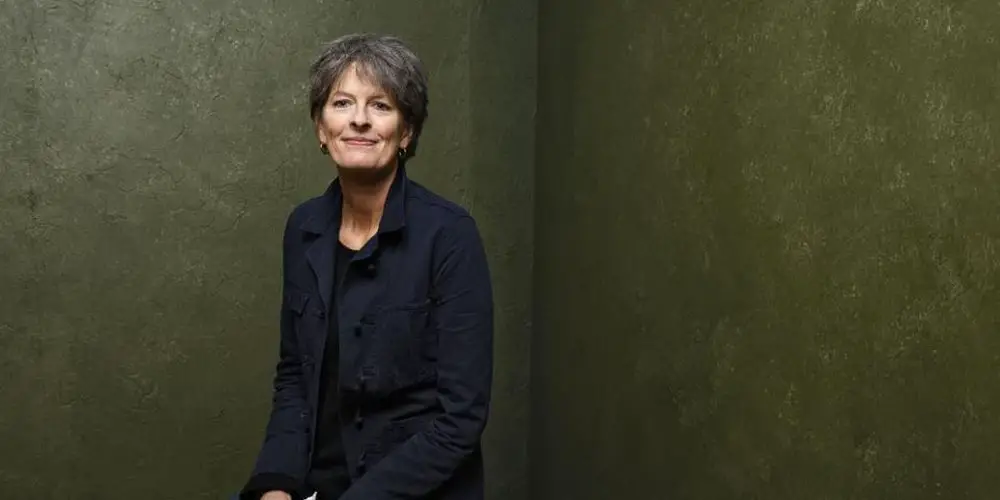
You won’t find out much about Louise Osmond if you look online. She is an Oxford history graduate who joined ITN as a news journalism trainee, and that’s all I or probably any other writer could know about her. But the personal details are irrelevant in the face of such a sturdy, and increasingly successful career as a documentary maker.