


Racism in France has been a long-discussed topic within cinema, from Mathieu Kassovitz’s eponymous film La Haine to 2011’s hit comedy Les Intouchables. In recent days Muslim/Arab citizens have been the focus of racial prejudice from the French justice system; Fatima could not come at a better time with its refreshing take on Arab/French culture. Philippe Faucon adds to this conversation with a portrayal of racial tension in France.
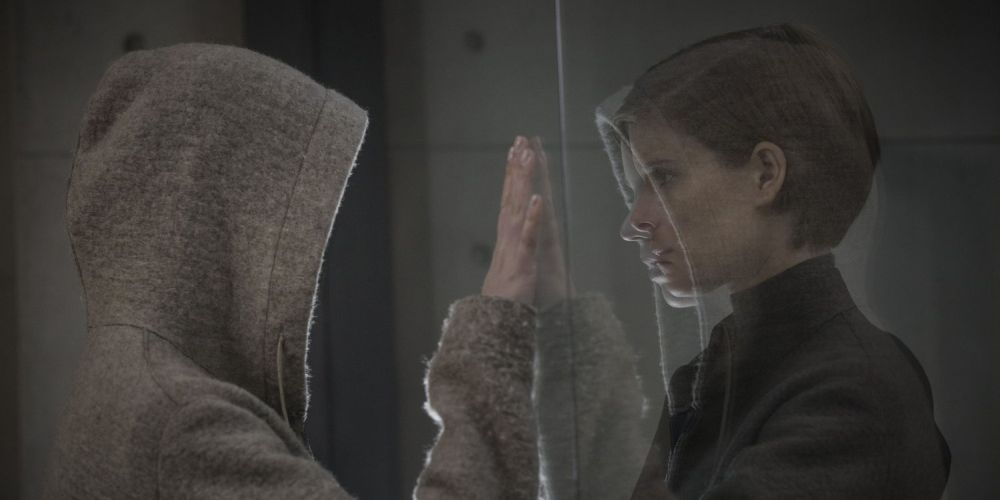
Film Inquiry compiles a list of the movies that are opening in cinemas every Tuesday. Opening this week: Morgan, The 9th Life Of Louis Drax, The Light Between Oceans, Zoom, Skiptrace, No Manches Frida and Yoga Hosers.
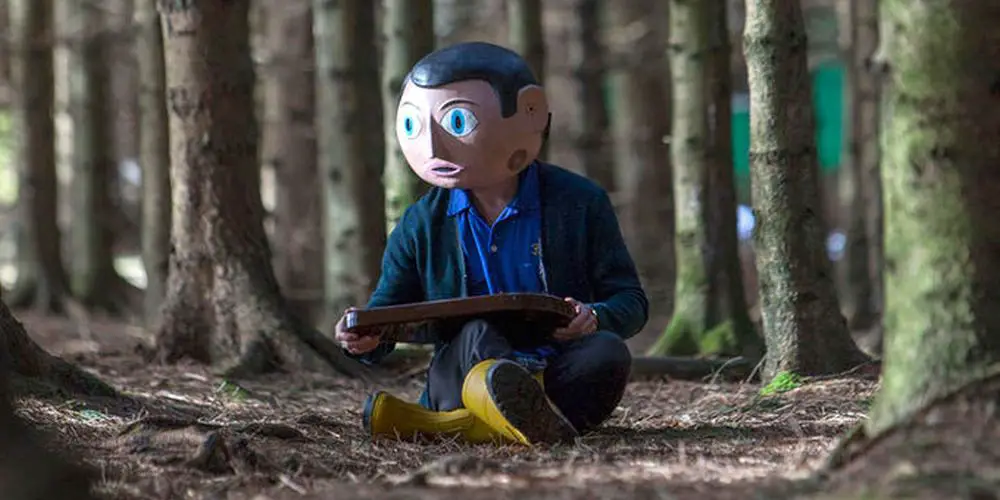
Watching Frank recently, it occurred to me how often the creative process is shown on-screen, and how frequently this process is shown in a hackneyed, unsubtle way. Too often directors attempt to over-romanticise the writing process, and feature endless montages of their artists receiving some form of divine inspiration, as if writing was truly that exciting and easy. Admittedly, showing such a process on-screen is problematic.
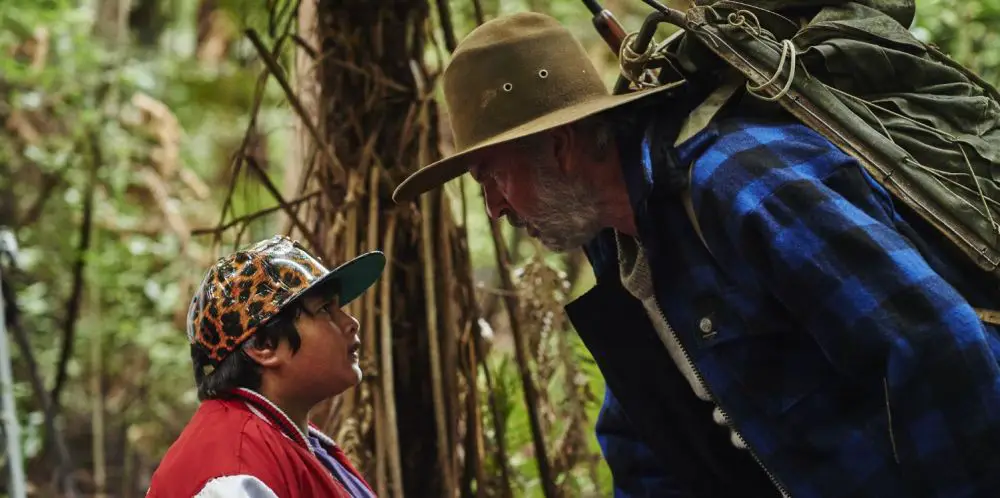
Like much of writer/director Taika Waititi’s other work, Hunt for the Wilderpeople finds humor in asking us to laugh at its characters. They all have some ridiculous traits, and we’re free to have fun at their expense. Some of them are delusional, some of them are myopic, and some of them totally lack self-consciousness.
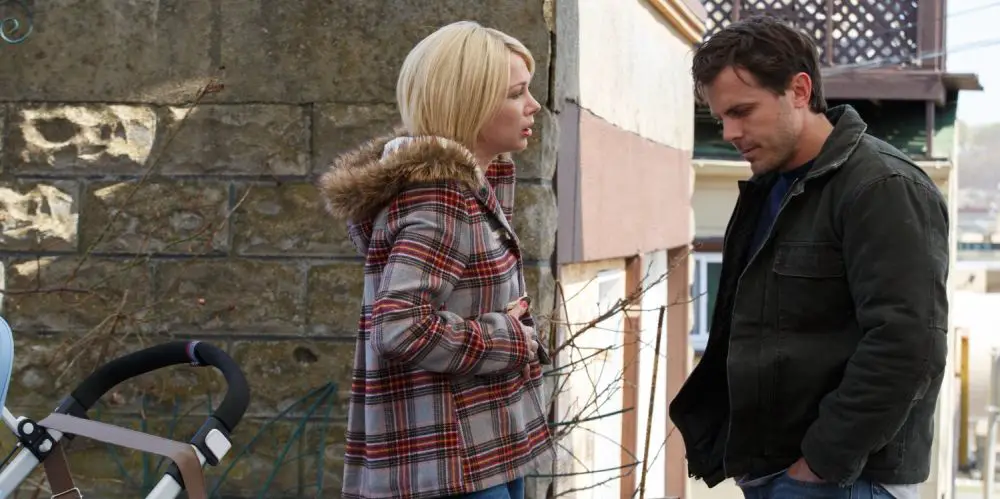
The universal praise and frenetic bidding war that enveloped the Sundance premiere of Manchester by the Sea was hard to miss. That Amazon (with Roadside Attractions) won out with a promised theatrical run and awards season push only heightened its profile, placing it squarely at the forefront of industry-changing conversations about the role of streaming companies in film production and distribution. Amazon publicly states that they’re targeting a void with the films they acquire, providing a home for quality, non-mainstream films that have been suffering since many indie labels closed their doors.
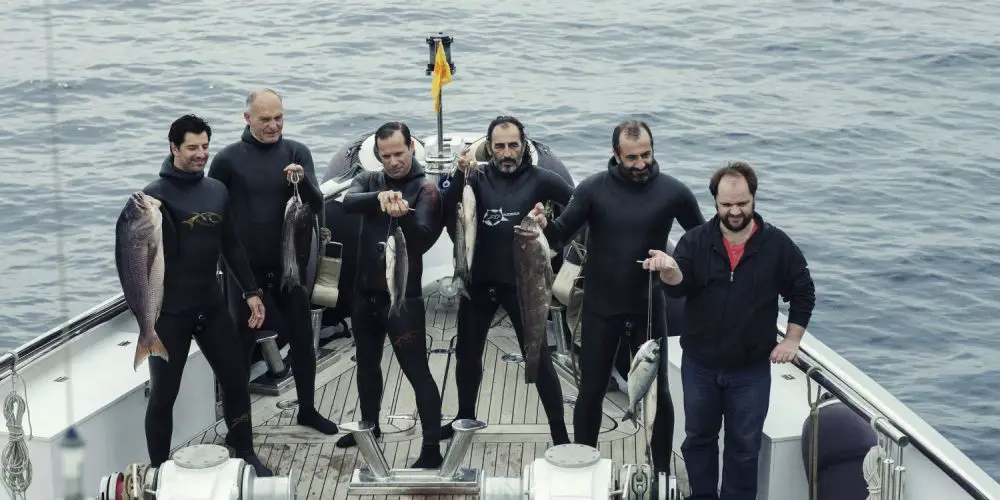
Chevalier is the uncomplicated story of six men on a diving expedition in the Aegean sea, and how their competitiveness is almost the undoing of all of them. Named as Best Film at the London Film Festival in 2015, it is an extraordinary film and one that is unmissable for anyone who enjoys a deeply disturbing comedy. Despite having no female characters, Athina Rachel Tsangari’s Greek comedy speaks from an authoritative feminist voice, forcing hyper-masculinity under the microscope with hysterical consequences.
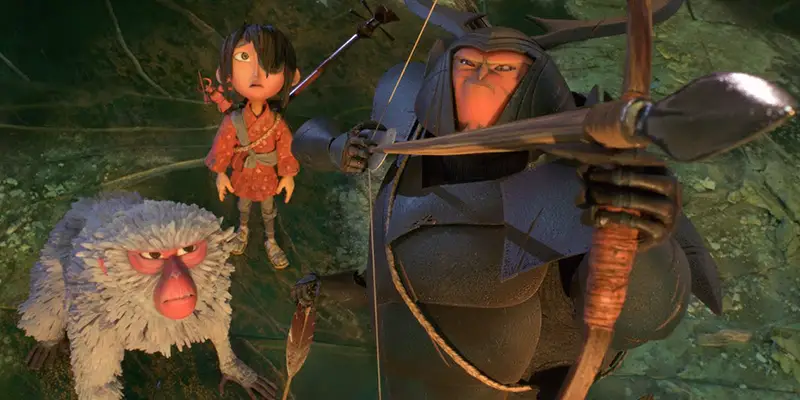
Kubo and the Two Strings is a genuine masterpiece. The word “masterpiece” might be used carelessly and far too often these days when discussing contemporary movies. At the least, Kubo has fulfilled the conventional definition of “masterpiece” no matter how semantically satiated the word has become, if not entirely forging a new meaning altogether.
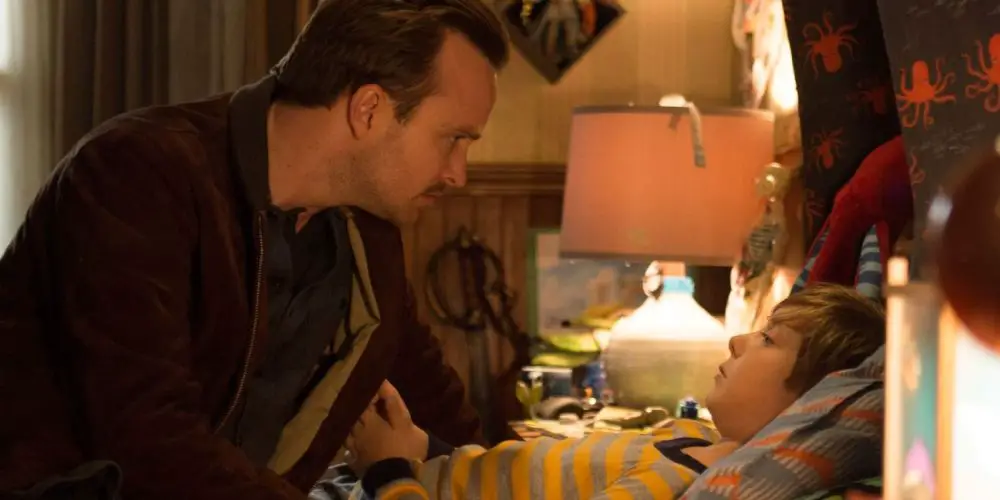
Like a cat, Louis Drax keeps surviving potentially fatal accidents. The latest is a fall from a seaside cliff, and while the boy languishes in a coma, the uncertain events leading up to the incident puts his parent’s culpability into question. His long history of accidents doesn’t reflect well on them, and the open-minded doctor treating the boy in The 9th Life of Louis Drax just might push himself too far to find the truth.

It seems strange that a body of work which has largely focused on the female experience without pontificating, should prove to be so contentious. And yet, Sofia Coppola’s viewers seem to fall largely within two extremes: the devoted and the apathetic.
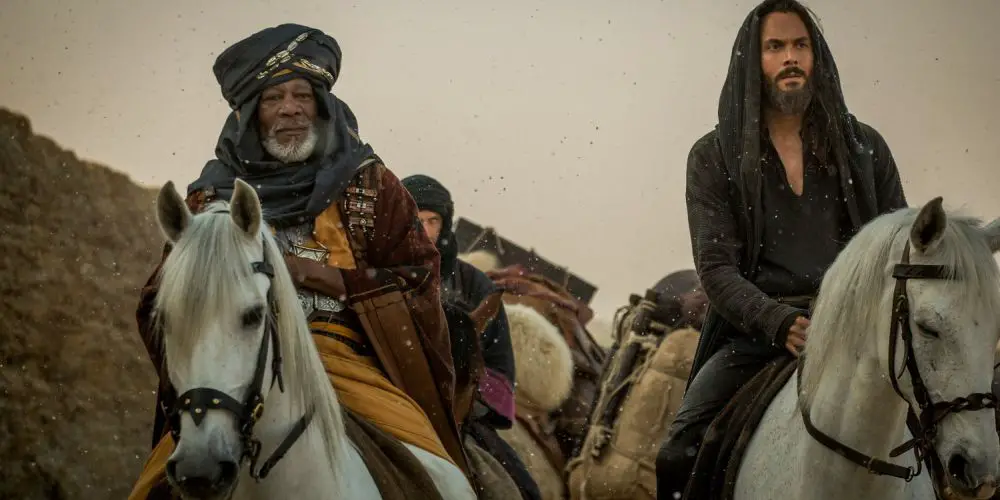
Ben-Hur actually opens with the horses getting ready to bolt from the gates for the chariot race. That will seem heretical to audiences familiar with the Academy Award winning 1959 version of the story. Younger moviegoers may not even realize this is a remake, and may not even realize that the phrase “chariot race” used to refer to a big movie’s big action climax.
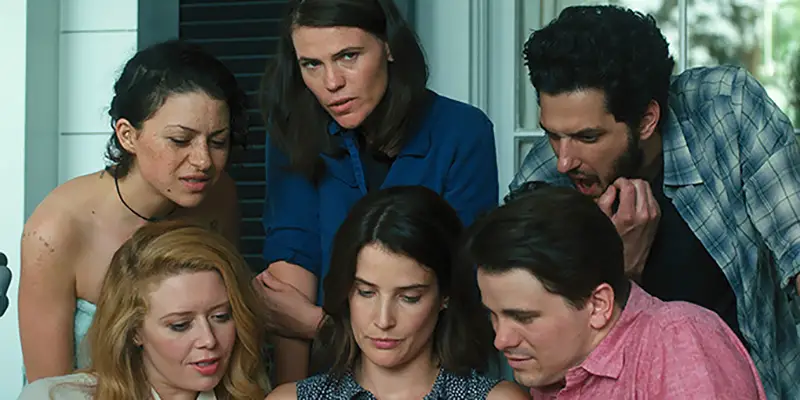
With an ensemble cast telling a relatable story about friends and lovers, Clea DuVall succeeds with her directorial and writing debut feature film. The Intervention stars Natasha Lyonne, Melanie Lynskey, and DuVall, bringing a But I’m A Cheerleader reunion to the screen, and also adds Cobie Smulders and Jason Ritter, among others. This is a fun and heartfelt story about four couples who gather for a weekend away at Jessie (DuVall) & Ruby’s (Smulders) family vacation house.

Something tells me that The Light Between Oceans won’t start with the opening and closing of a butterfly knife. No, this trailer feels like a departure for writer/director Derek Cianfrance, who previously wowed audiences with his ragged love story Blue Valentine and generational epic The Place Beyond the Pines. Those films took a toll on their audiences, and while The Light Between Oceans won’t cover easy material, it looks like it’s coming in a melodramatic package that will make it easier to digest.

In a time when facts, figures and certainties are thin on the ground, when reality itself appears to be fragmented into many non-congruent shards, it is perhaps not so surprising that some sense of perspective can be gained in the comforting darkness of the cinema theatre. Discombobulated by events both political and personal, I sought refuge from Manchester’s silvery anti-summer at a screening of Paul Fegan’s Where You’re Meant To Be, chronicling musician Aidan Moffat’s journey around Scotland in his quest to re-interpret some of the country’s folk standards in a more contemporary light. Throughout the film and the subsequent Q & A with Fegan and Moffat at Manchester’s Home, the theme of authenticity surfaced from the loch of uncertainty that clouds our ability to make sense of these times.
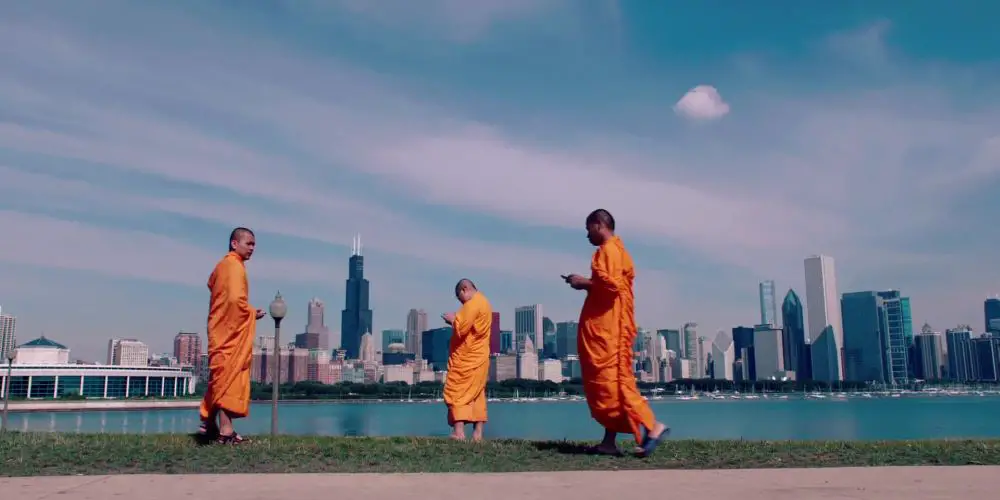
In the fifties, Tex Avery made a series of shorts for MGM collectively called “The World of Tomorrow” in which the animator imagined what wonders the kitchen appliances, automobiles and society of the future will offer. The cartoons present with one fantastical gadget after another, all quite utilitarian, but with tongue firmly planted in cheek. The message is clear, technology may be our salvation, but left in the hands of man there will always be something to muck up.
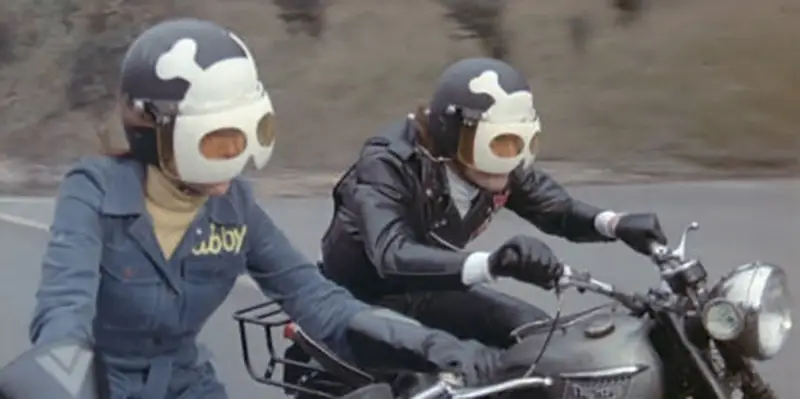
‘So Bad They’re Good’ movies are a thing now. Movie list websites are awash with them. Troll 2 is often the high-watermark, and it appears that most of these no-budget horrors tend to be of American origin.