

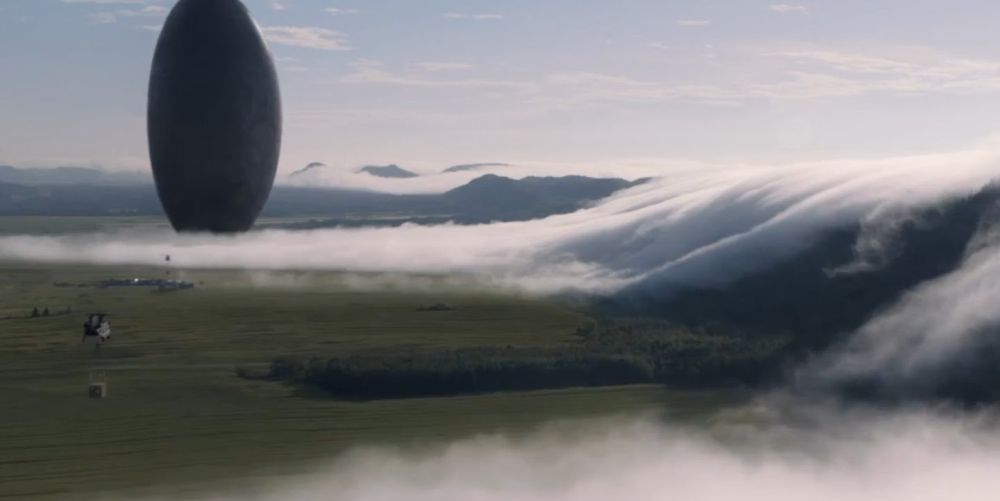
What to do when the aliens arrive is one of the great questions before us, and I don’t just mean in the fictional realm. Humans have been thinking about our introduction since before we ventured into outer space, even going so far as to curate images and sounds of Earth, slap them on a couple gold records, and attach them on the space probes Voyager 1 and 2. The likelihood of these ever being found by intelligent life is minimal, but it’s a pleasant daydream to imagine the utter confusion of anything that might find them.
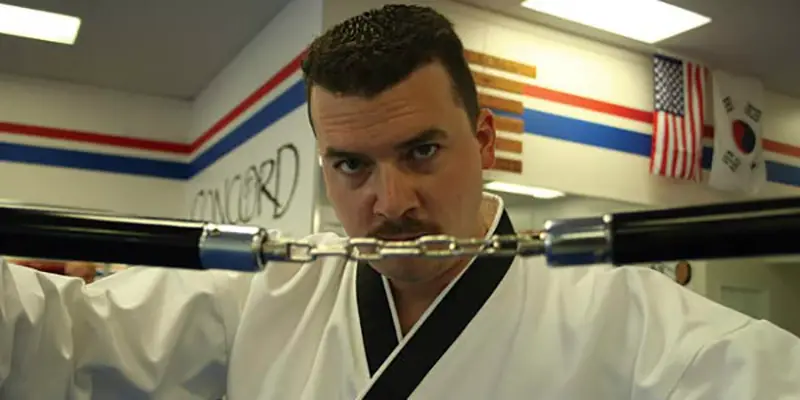
In January 2006 at the Sundance Film Festival, the world was introduced to Jody Hill and Danny McBride by way of The Foot Fist Way. Billed as a comedy, the movie starred McBride as a down-on-his-luck Taekwondo instructor from North Carolina. The film quickly establishes itself to the viewer as a grossly sophomoric bit of business, with plenty of crass dinner table conversations and shallow behavior throughout.

The Phenom is a difficult film to pin down. While trailers and taglines suggest a sports drama in the vein of, say, A League of Their Own or For The Love of the Game, this somewhat sombre drama feels tapered down, unwilling to pander to the feelgood melodrama that can sometimes overwhelm these kind of movies. It’s the story of the improbably named Hopper Gibson (Johnny Simmons), a talented pitcher thrust into the limelight after signing for a major league club straight out of school.
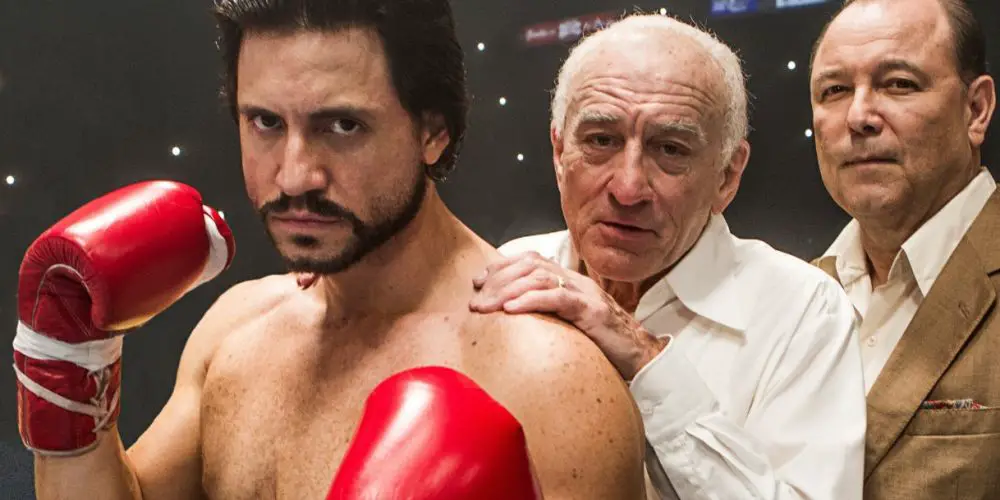
Film Inquiry compiles a list of the movies that are opening in cinemas every Tuesday. Opening this week: Mechanic:
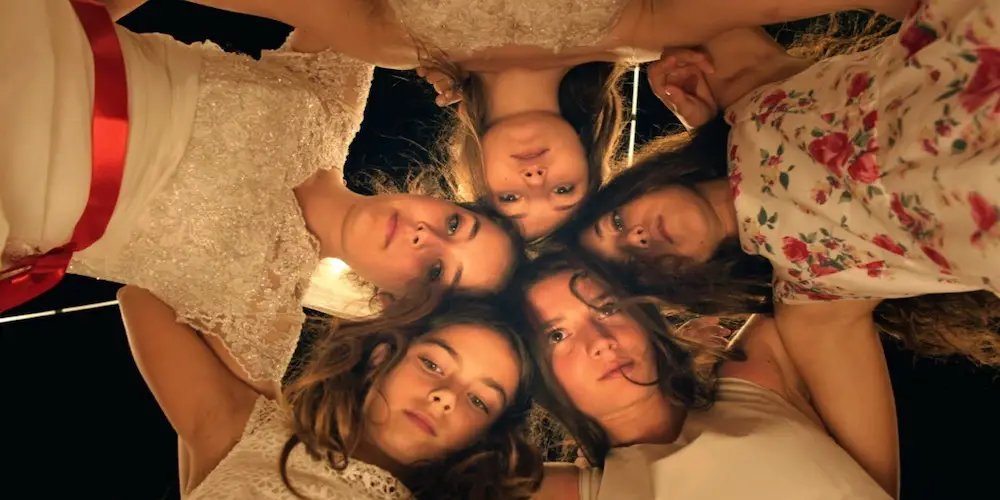
“It’s like everything changed in the blink of an eye. One moment we were fine, then everything turned to shit.” When I heard those words in voice-over I thought:

*Editorial Note: This documentary short won the Best Documentary prize at the first Drunken Film Fest, organised by Film Inquiry’s Jax Griffin. The documentary selections were hand picked by Arlin Golden, another contributor to the site* Every American community is home to countless strange pastimes and traditions, but many of these events don’t fully adapt to modern American life.
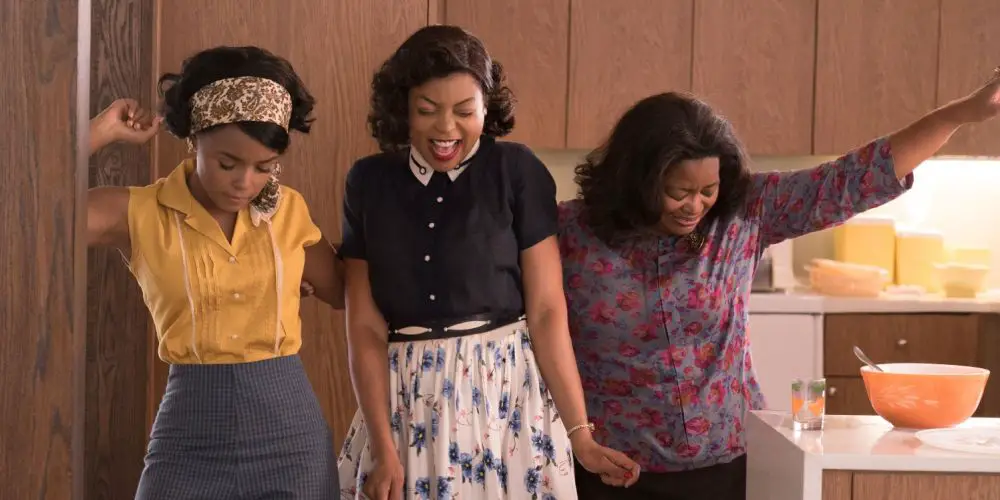
The glossy biopic genre is getting yet another entry in Hidden Figures, which dredges up the forgotten story of African-American women in NASA and displays it with wit and verve. We’re only two years removed from the mathlete battle between The Imitation Game and The Theory of Everything, and while Hidden Figures has no clear rival this year, it will be hard not to draw comparisons to those two recent films. Why?
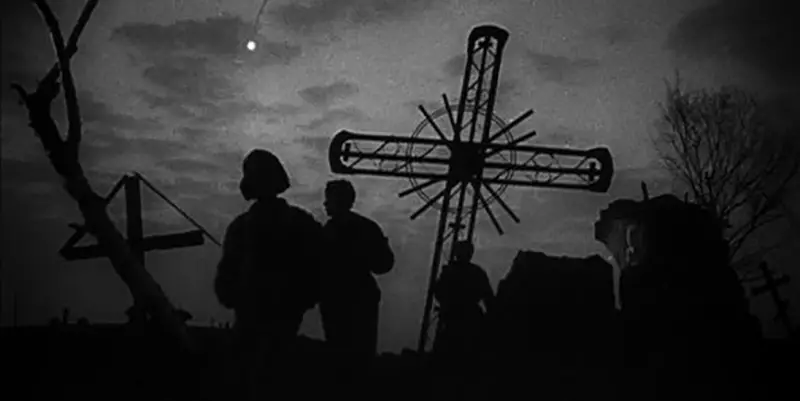
About midway through Andrei Tarkovsky’s feature 1962 film debut of Ivan’s Childhood, in the midst of a Russian battlefield field torn asunder during World II, a cross is backlit by a setting sun. The cross is obscured in shadow and yet its beauty remains. A spiritual man, Tarkovsky was never afraid to ask questions about spiritual matters.
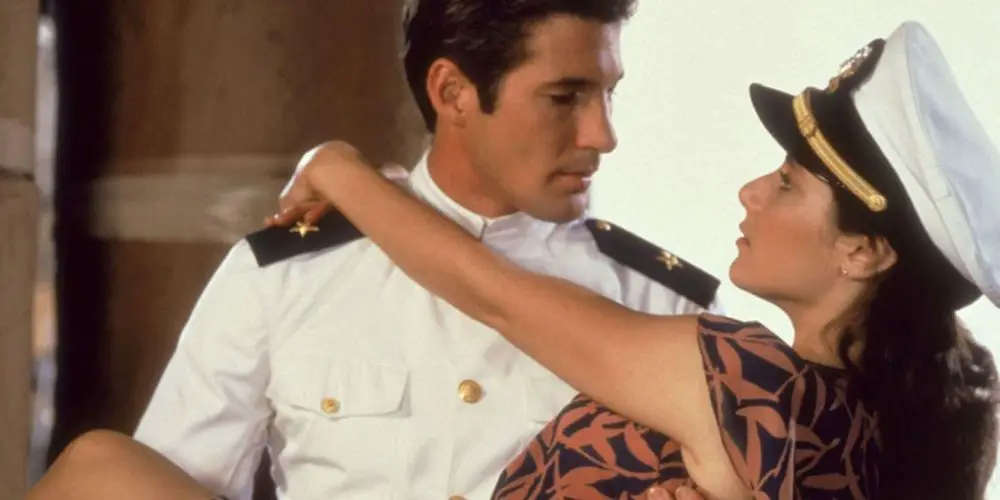
As a person who came of age in the 1980s, I was lucky enough to witness some incredible cultural, societal and artistic developments. The fall of the Berlin Wall, for example. Chernobyl.
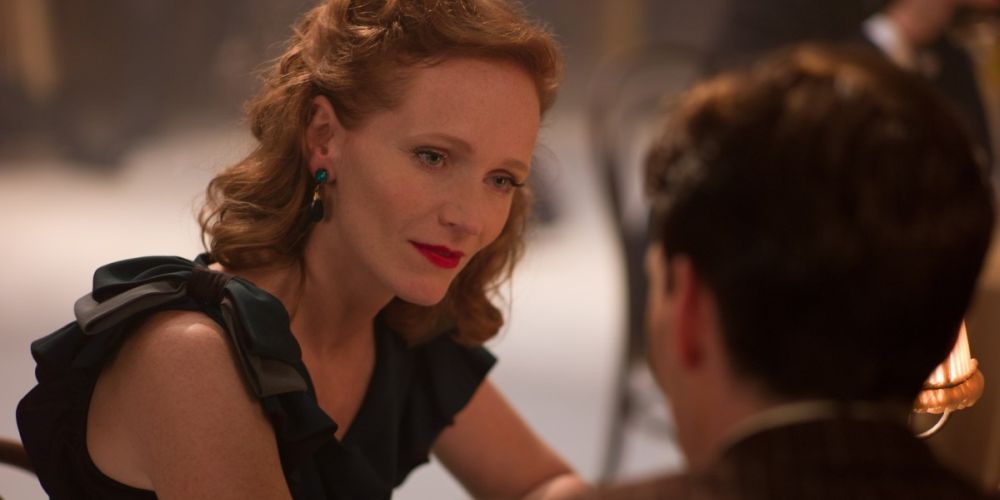
When it comes to World War II, there is never a shortage of stories that are needed and are waiting to be told. Anthropoid is one of these stories. The film begins with an introduction to the true events that have led up to the assassination of a high-ranking Nazi official to be rendered a necessary means in a time of war.
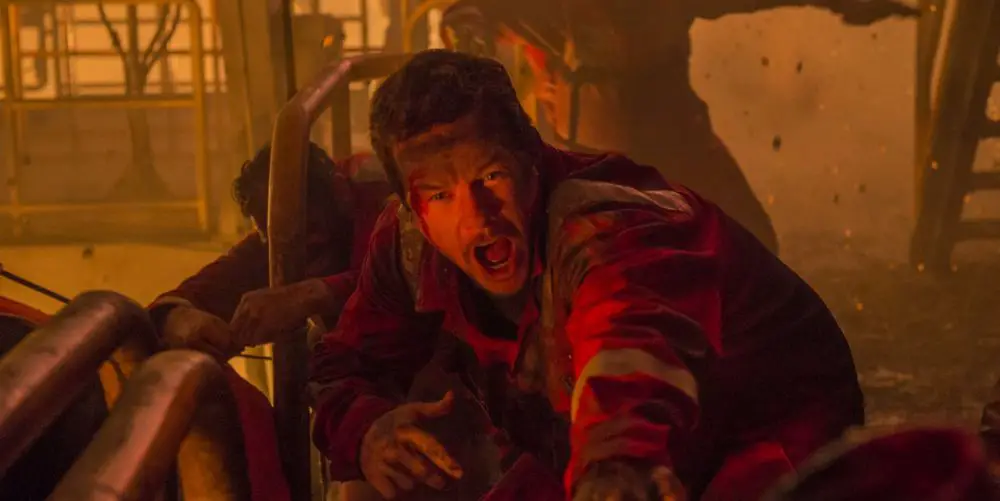
The largest oil spill in U.S. history isn’t the most obvious, or even the most appropriate, place to set a story about everyday heroes, but director Peter Berg and star Mark Wahlberg are doing their best to sell us on that version of events in Deepwater Horizon.
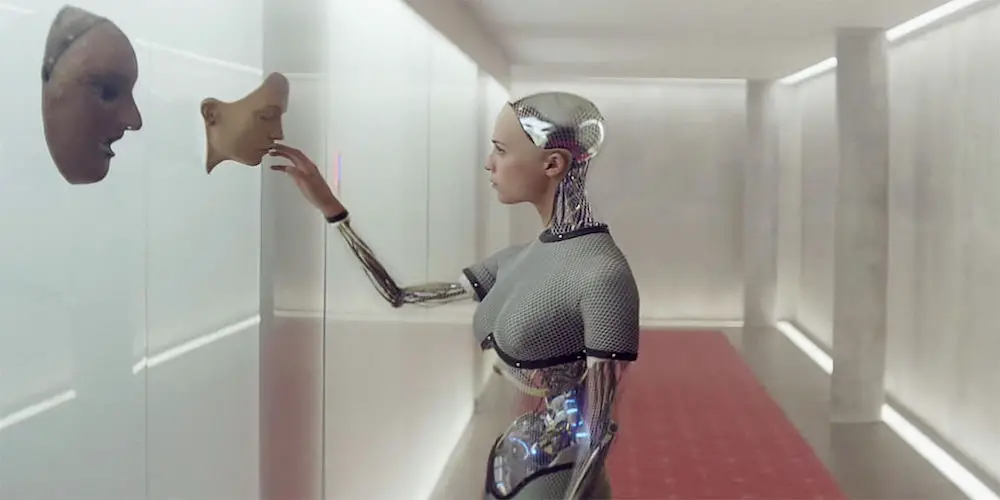
Attitudes about the male gaze have been present in science fiction cinema for years, especially relating to the identity of female robots. This includes the objectification of these characters and the loss of their autonomy, which reflects real life attitudes towards women. Many films have been made to show the dangers of viewing women as objects, yet we still see the male gaze in motion pictures every day.

Class consciousnes and its oft-contingent condemnation of wealth was a theme at the 2016 Cannes Film Festival that one would be hard-pressed to overlook. The most obvious reason for this is the fact that Ken Loach’s poignant portrait of one man’s struggle to navigate Britain’s welfare system, I, Daniel Blake, took home the Palme d’Or. But this topic was also prominent in part because films about wealth, or lack thereof, pervaded the entire festival, spanning its various sections.
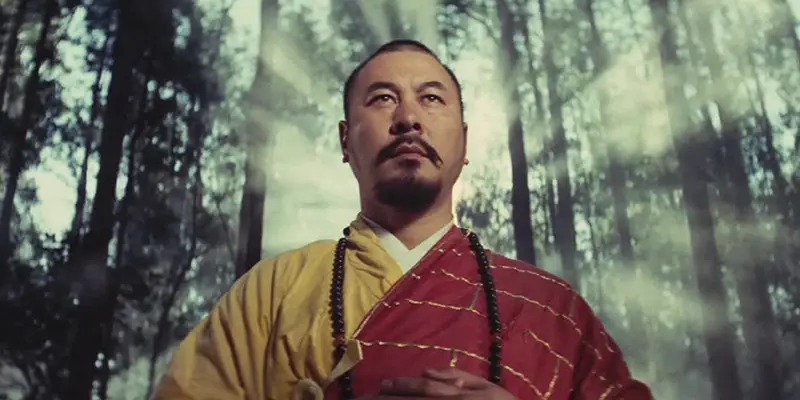
The new Criterion Collection release of A Touch of Zen includes director King Hu’s own notes on the film. In these notes, Hu discusses a conversation he had with a Zen Buddhist who told him that Zen must be understood not through verbal explanation, but through an enlightening experience. Despite his renown as a director of wuxia films, Hu was neither a Buddhist nor a martial artist; but, he believed that capturing an experience of Zen would make for a strong film.
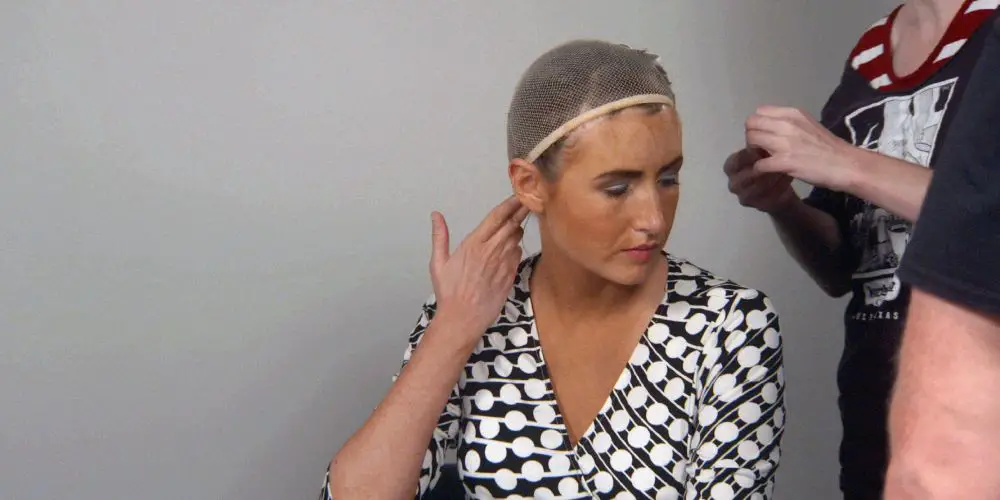
In 1974, TV news reporter Christine Chubbuck killed herself live on-air in Sarasota, Florida. She was 29 years old. As disturbing as the event was, it’s not the only time a suicide has been broadcast, and the memory of it has faded from public knowledge.