


From child prodigy to Star Wars to the Oscars, Natalie Portman’s career has taken a lot of turns. Adding writing and directing roles to her resume isn’t really surprising at this point, but what may catch people off guard is the feature project she picked to debut these new endeavors. A Tale of Love and Darkness is based on the autobiography of the same name by Israeli author Amos Oz, covering the period of his childhood when the British Mandate for Palestine ended and the State of Israel began.
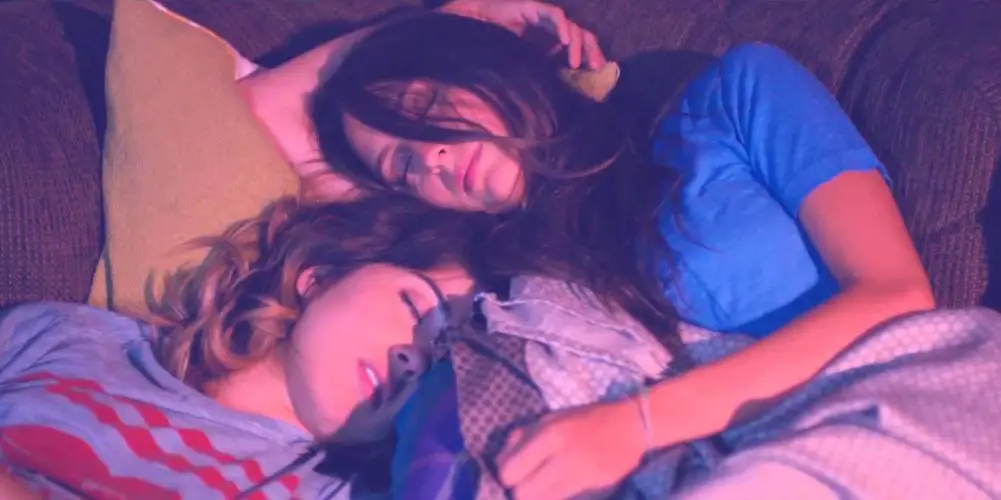
Up-and-coming filmmaker John Carchietta has co-directed and produced several thrillers like Late Fee and The Hills Run Red. He is one of those true horror fans who really knows his stuff. But recently Carchietta proved that he can tackle multiple genres with the debut of his first solo project, a queer romantic thriller called Teenage Cocktail.
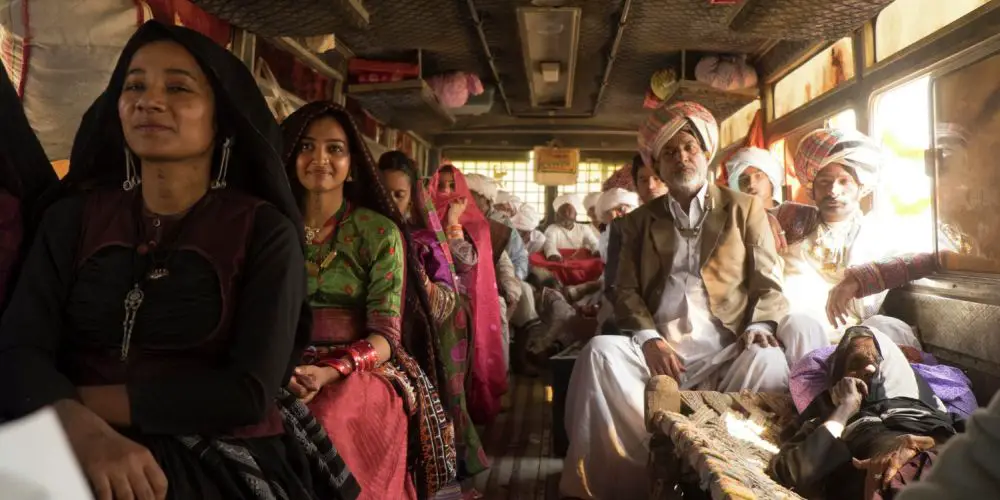
In the beautiful desert landscape of Gujarat, India, director Leena Yadav introduces us to a world of friendship, suffering and heartbreak within a story of four women, trying their best to overcome their individual struggles. Parched explores the ideas of tradition, culture and misogyny in the heart of rural India but with a compelling characters and strong friendships that feel universal to us all. Tradition & Culture The story centers around four women:
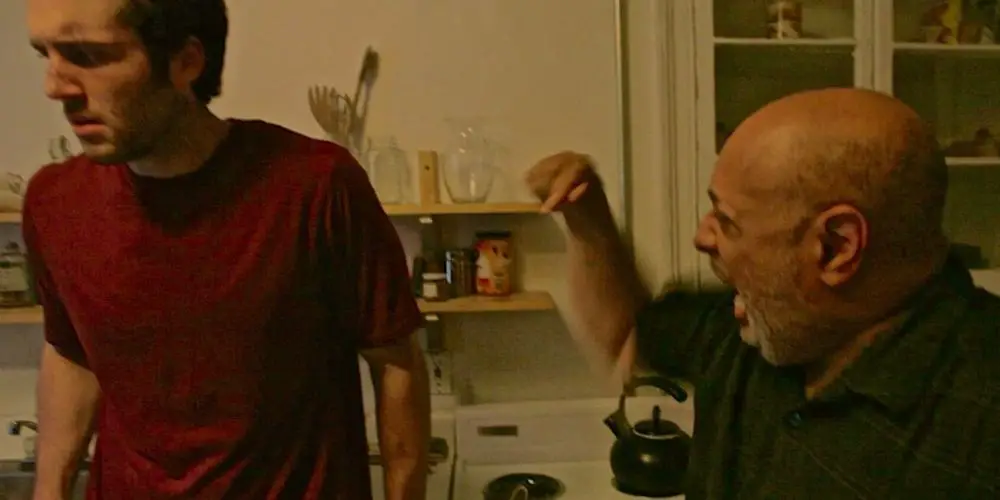
New York City is a discordant place. People with different backgrounds and values build lives on top of each other, creating a diaspora of the world that never quite feels settled. I suppose a settled feeling would go against its treasured idea of endless opportunity, where you can indulge, reinvent, and achieve your dreams.

Every year, ten movies are bestowed the honor of becoming nominated by the Academy. Many of these films will have already had various successes throughout the year – festivals, box office and other prestigious awards. Yet, only one ends the night being declared the best of the best.
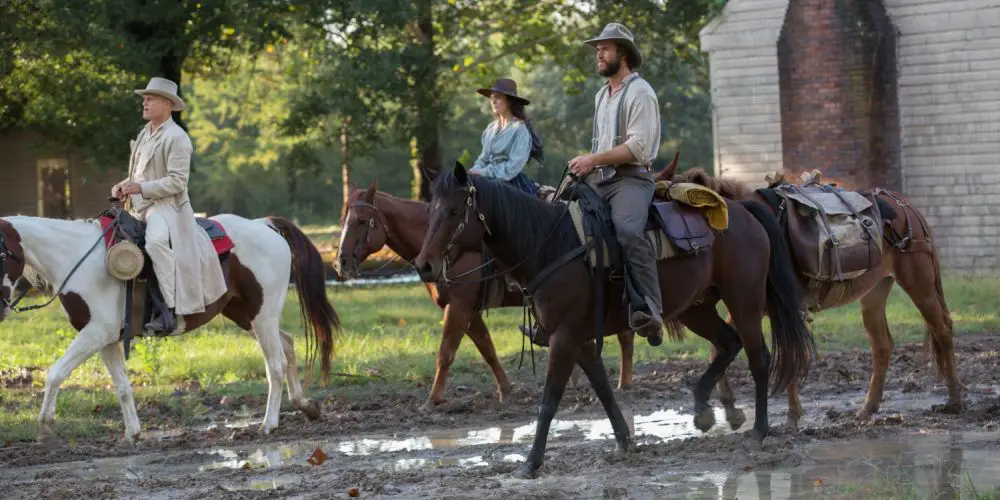
Though starring two A-list actors, The Duel went mostly under the radar when it was first released, opening to limited theaters and VOD. It’s not shocking that audiences wouldn’t flock to see a Western since the genre is not nearly as popular as it used to be, yet in recent years it seems to be making a comeback. Films such as The Hateful Eight, Slow West and Bone Tomahawk have been surprisingly successful, with future Westerns in the pipeline that could be even bigger hits (The Magnificent Seven remake being one example).
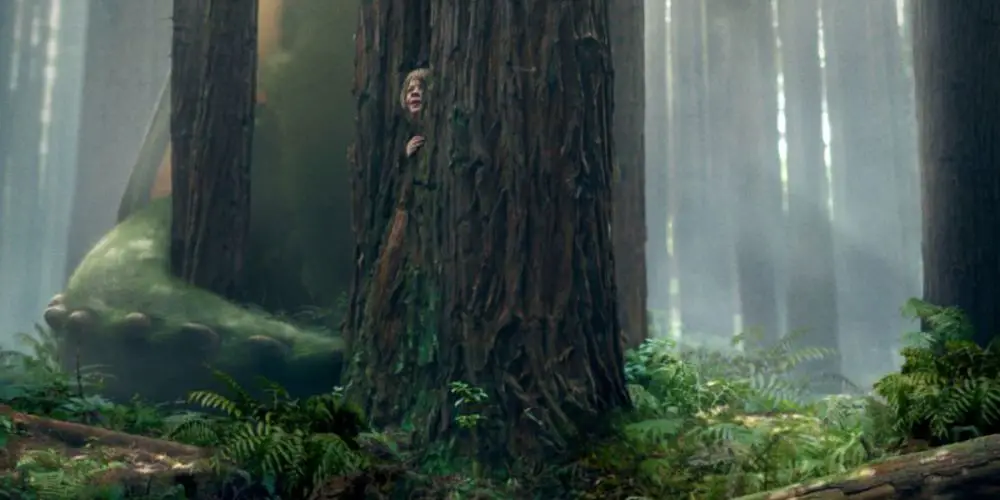
Film Inquiry compiles a list of the movies that are opening in cinemas every Tuesday. Opening this week: Pete’s Dragon, Florence Foster Jenkins, Sausage Party, Hell Or High Water, Antrhopoid, Operation Chromite, Edge of Winter and Ghost Team.
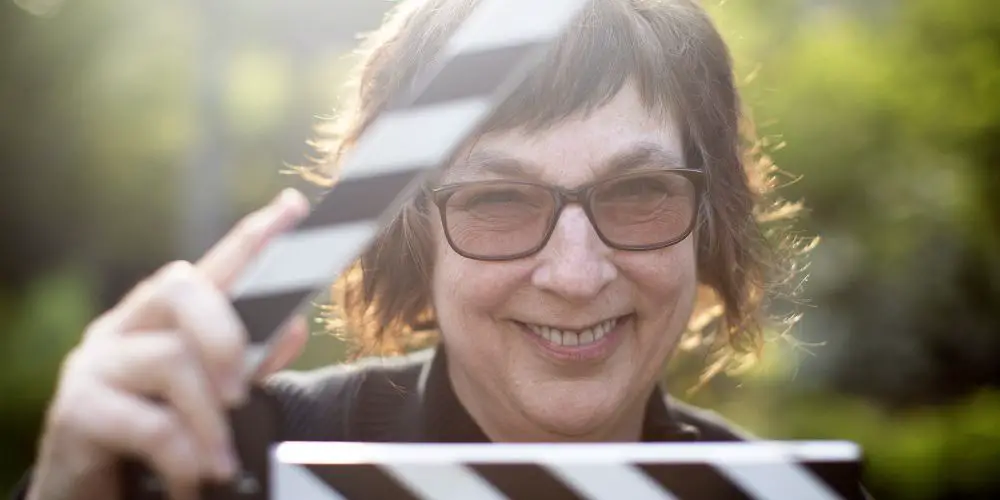
Bluestocking Film Series is an an exclusive showcase for provocative, well-produced films that feature complex female protagonists driving the narrative and leading the action. Moreover, all films submitted to the series must feature a female protagonist, and must pass the Bechdel-Wallace Test. It’s the first ever U.
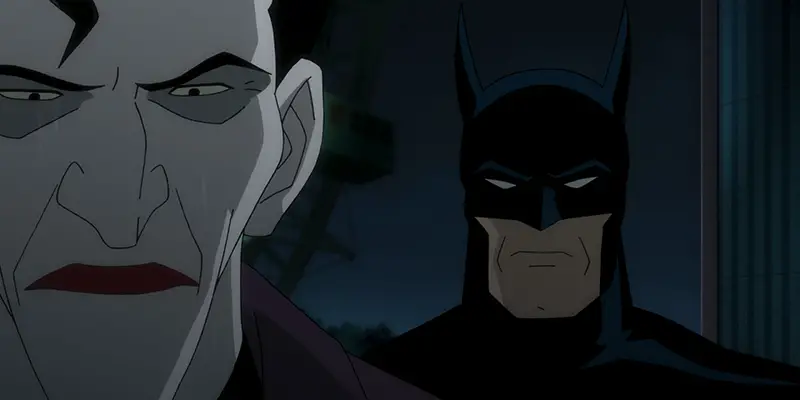
When I signed on to review Batman: The Killing Joke, it was before its San Diego Comic-Con debut. As soon as that screening ended, there was a massive wave of discontent (in some cases, rage) over certain creative decisions made by the filmmakers.
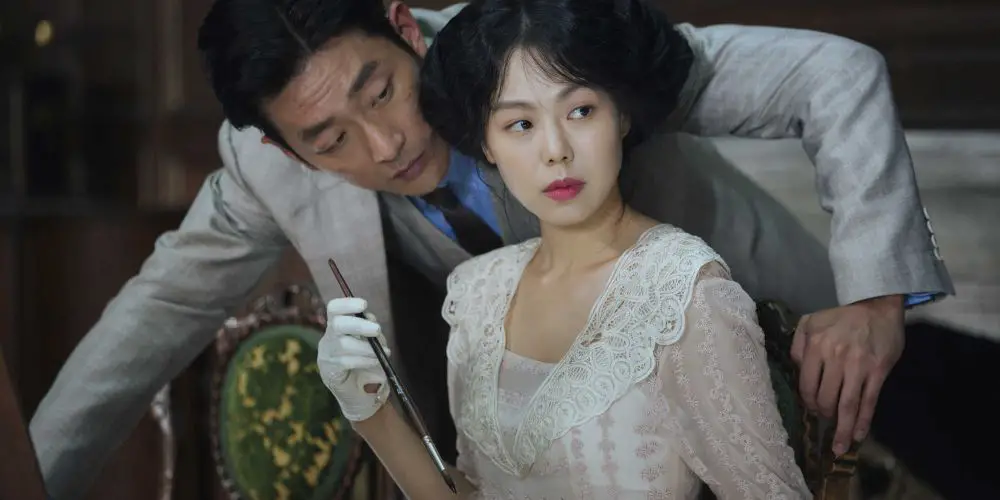
Violence isn’t the only way to thrill people, and while that’s been the primary technique for writer/director Chan-wook Park in the past, he leans more heavily on that other tried-and-true method in The Handmaiden: sex. Working from the novel “Fingersmith” by Sarah Waters, Park and co-writer Seo-Kyung Chung change the setting from Victorian era Britain to 1930s Korea.
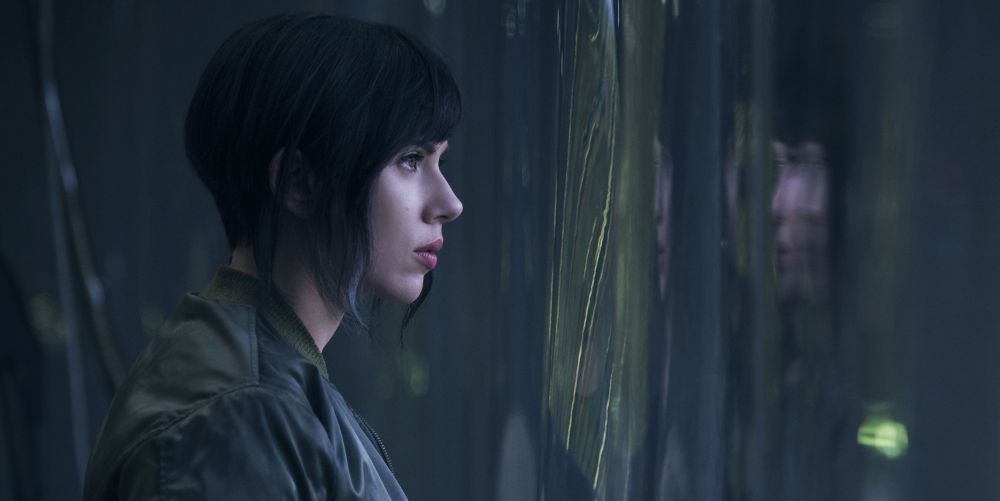
Has Scarlett Johansson ever hurt anyone? Really, has she? Yes, maybe her character Natasha Romanoff in the Iron Man and Avengers movie series has broken a few people’s bones, maybe a fibula here and there.
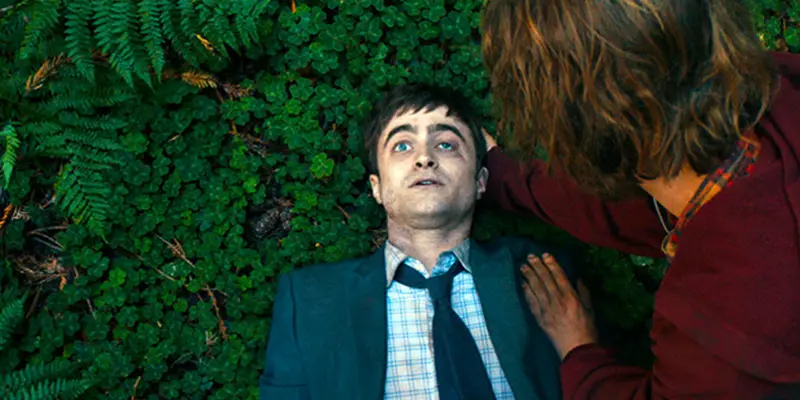
“Why are we here? What is life all about? Is God really real, or is there some doubt?
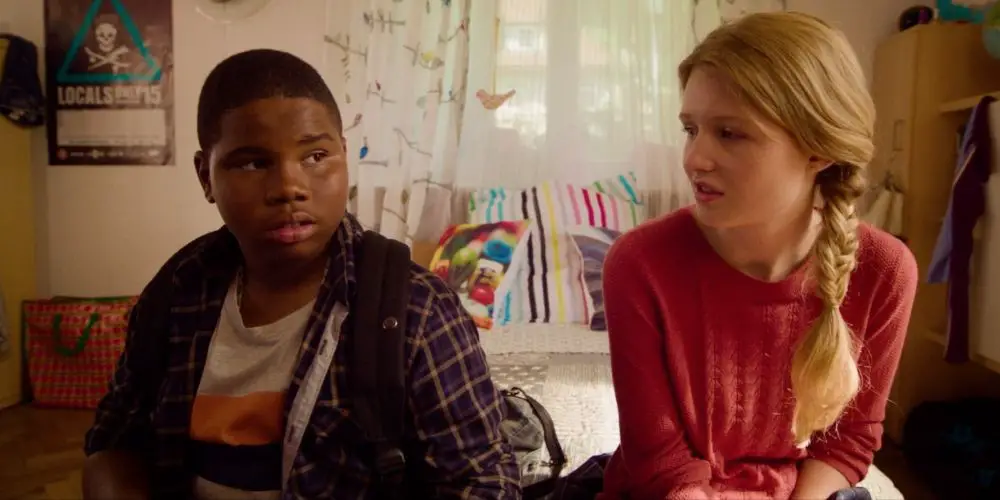
Growing up is hard. Growing up as a minority is even harder. I’ve only had a taste of this experience, as the things that set me apart aren’t as obvious as my accent or the color of my skin, but most of us have experienced the feelings of isolation that come from being different than everyone around them, just not to the extent that Morris feels in Morris from America.
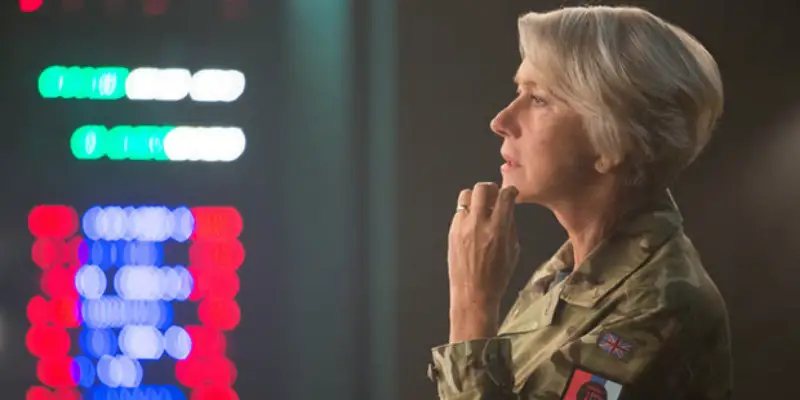
In part one of ‘Gender at War’, we looked at several films which have changed the perception of women in war. Traditionally, women have been pushed to the side – presented as Madonnas (wives, mothers or whores) with no space for them in the gritty action. The increased presence of women as soldiers in war films (instead of passive grieving objects) has forced other questions about the act of war to arise.
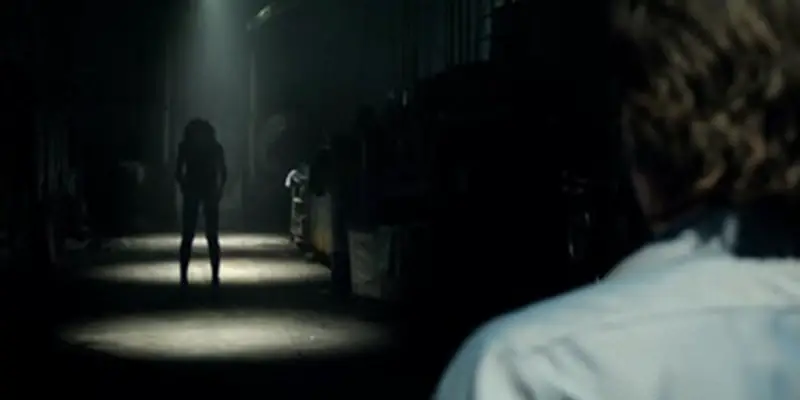
Lights Out initially seemed to be promising. Though reminiscent of other horrors I have seen, the idea of a creature that only lives in the dark is still an interesting and potentially frightening subject; that is, if it’s composed with the right balance in both story and direction. Unfortunately, like many dime-a-dozen horror films, Lights Out suffers from an all-in approach, choosing to simply attempt to scare the viewer by any means necessary rather than working on making it genuine.