

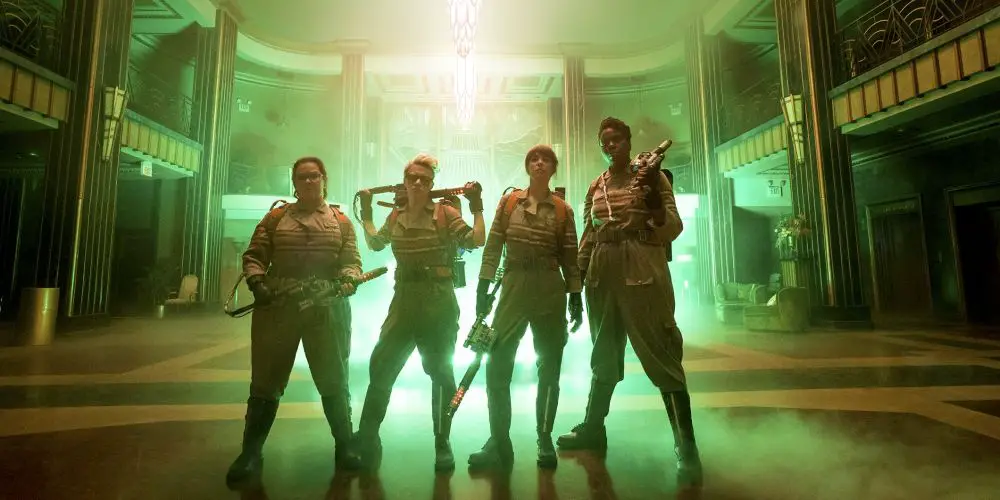
It would be to put it lightly that this film’s reputation preceeded it. After years of people theorising about another sequel to Ghostbusters (1984), naively deciding to overlook the fact that Bill Murray didn’t want to work with Harold Ramis again, and Ramis’ recent death, a new film was announced. The only problem was that noted comedy director Paul Feig was put in charge.
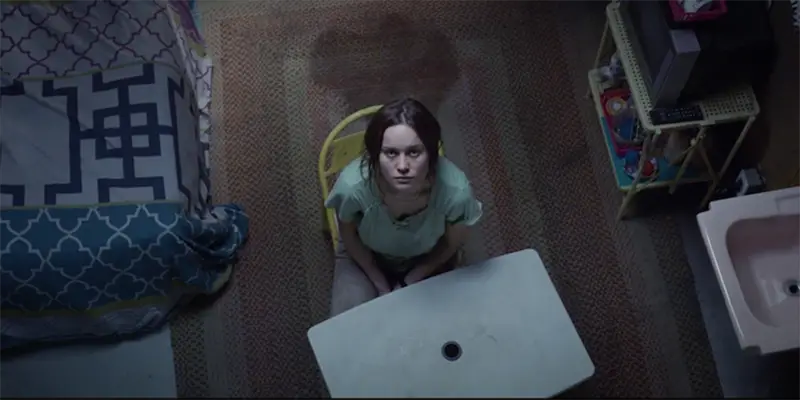
Because the Internet can take a person virtually anywhere in the world and provide potentially infinite vats of knowledge, raising children in a dictatorial environment nowadays seems more ridiculous than ever. The mechanics of detaining an adult with an existing awareness of the outside world is even more bewildering, because chances are they’ve read about the Josef Fritzl case and have at least some idea of how to escape. Alas, cinema, ever the portrayer of such cultural terrors, has provided startling means with which to explore such a phenomenon.
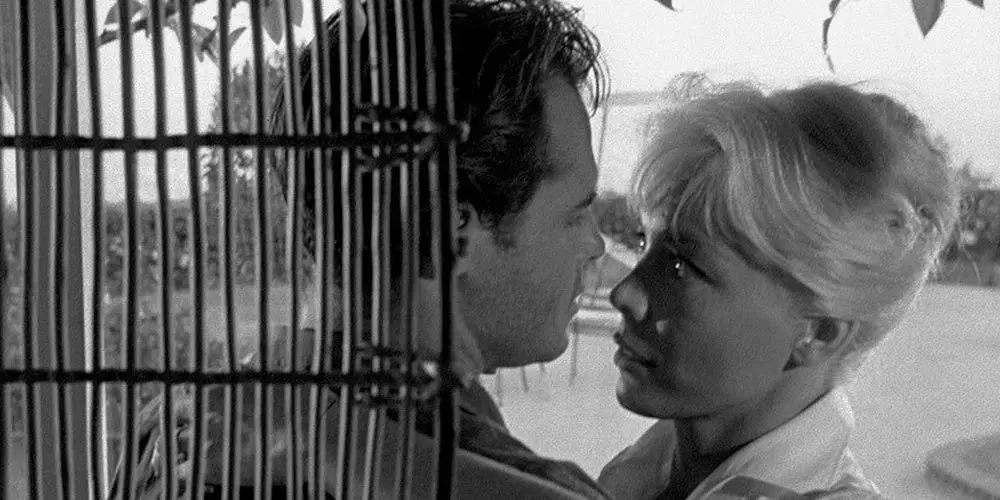
When it comes to cinema, it is truly the best and the worst of times. An unstable economy and the rampant rise of piracy have forced studios to rehash old films and hammer original ideas into the ground just to try and make money, with many mainstream movies now catering towards the profitable Chinese market to make those big bucks that the US haven’t been producing lately. Whilst it’s a dire situation, this new social media age has been a huge step forward in retaining and reviving film history.

When a man exposes government programs that sound more like conspiracy theories than reality, you can bet that someone will make a movie about it. It only took three years for the story of NSA whistleblower Edward Snowden to hit theaters, but that doesn’t mean that it was easy to do. Co-writer and director Oliver Stone has spoken very publicly about the struggle to get financing for Snowden, which he claims was turned down by every major studio in Hollywood.
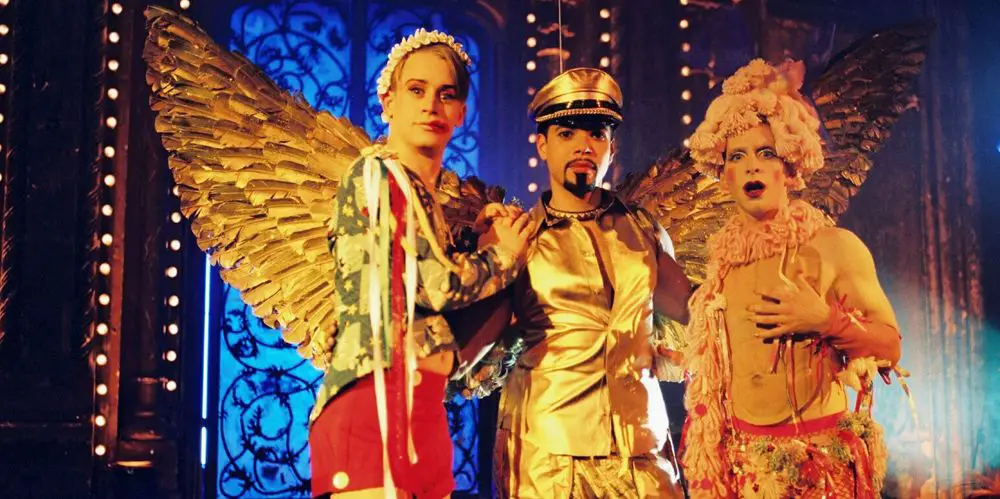
I first watched Party Monster a couple of years ago, when once-infamous club promoter Michael Alig was released from prison, where he served 17 years for brutally murdering his drug dealer. The 2003 biopic, based on James St James’ memoir, “Disco Bloodbath”, flew under the radar during its initial release. But the film’s subject, “Club Kids” of ’90s Manhattan, once commanded TV screens across the country.
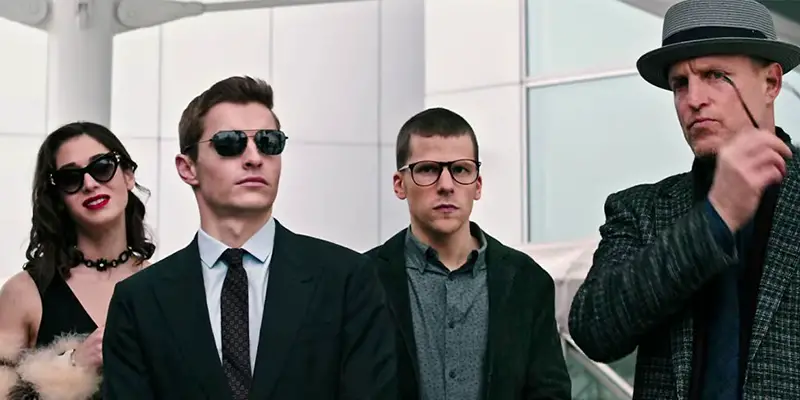
2016 is already shaping up to become the year of reboots and sequels; whether or not they are deemed acceptable is a different matter. Now You See Me indeed worked as a solo endeavour back when the magic was introduced three years previous. The existence of the sequel may come as a surprise to some, due to the mixed responses circling the first instalment.

The Space Between Us is the classic boy meets girl story, except the boy and girl are on different planets and the boy doesn’t know who his father is. It’s science fiction, romance, mystery, and medical drama all rolled up into one hopefully neat package. Admit it, if the film can pull off all these threads, it’ll be a pretty great movie.
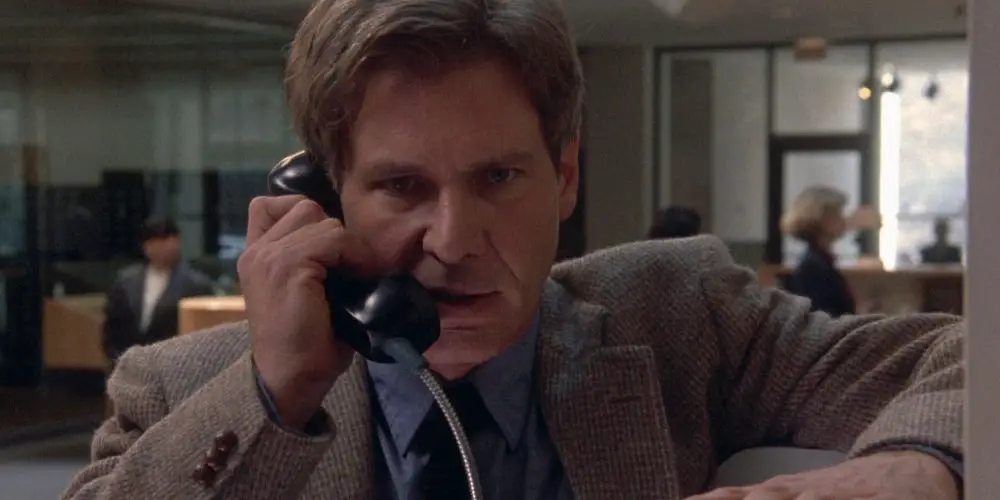
In Andrew Davis’ brilliant 1993 thriller The Fugitive, the filmmakers use a variety of techniques to lead the viewer through the story. They drop hints with color and lighting that viewers are not necessarily trained to consciously notice while they’re watching, and employ a gripping editing style that effectively supports the cat-and-mouse game that embroils the film’s two main characters. Every movie has content, which is what is seen and heard on screen, and what is referred to as form, which is the way in which the film’s creators manipulate that content to their own ends and present it to the viewer.

We are often faced with circumstances that challenge us in ways we feel unprepared to face. Sometimes, these challenges come in the form of an option: to accept or deny, to speak or to be silent, to stay or to go.

I suppose the title A Monster Calls has a double meaning. It certainly refers to the tree-like monster that appears to young Connor, but it could also refer to the monstrous situation before him: the impending death of his mother.
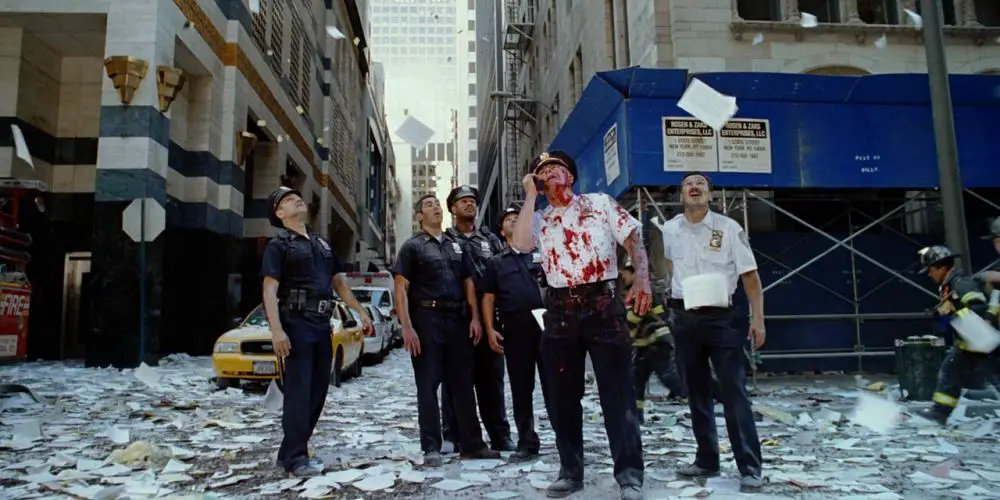
Recently, I had the chance to tour the National 9/11 Memorial and Museum in New York City, which, as you can imagine, is quite a somber experience. Amid the thoughtfully presented exhibits, I started wondering about 9/11 as portrayed in film. Now, when I say “portrayed” I’m not talking tangentially, as when 9/11 is used to jumpstart plot (e.

This little gem of a film won the Nora Ephron Prize at this year’s Tribeca film festival, which is awarded to recognise the work of female writers or directors whose film is making its North American premiere at the festival, and it’s easy to see why. Adult Life Skills is based on writer/director Rachel Tunnard’s short film Emotional Fuse Box and centres on the character of Anna (Jodie Whittaker). Anna is approaching her 30th birthday and struggling to cope with recent life events, which are gently revealed to us throughout the film via flashbacks and Anna’s visual manifestations of the past as she attempts to live in the here and now.
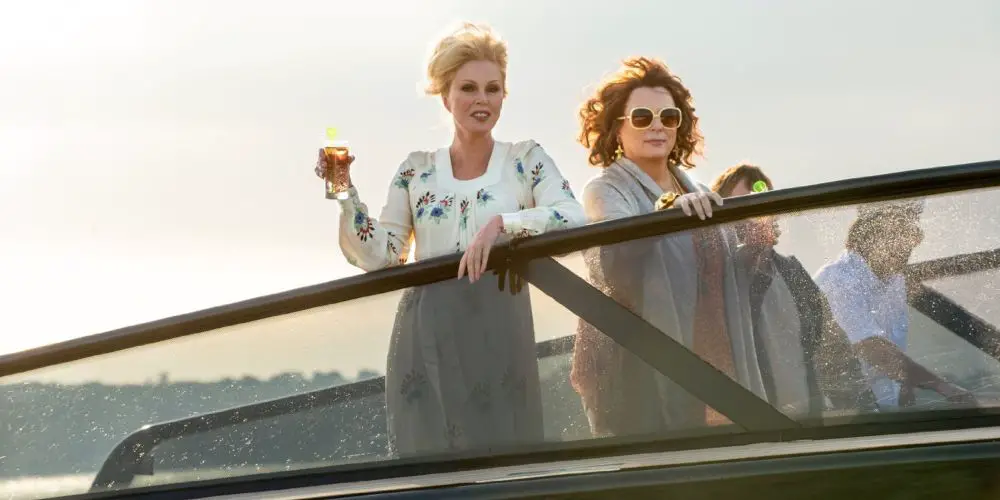
Film Inquiry publishes a list of the movies that are opening in cinemas every Tuesday. Opening this week: Star Trek Beyond, Ice Age:
“Interest can produce learning on a scale compared to fear as a nuclear explosion to a firecracker.” Stanley Kubrick on the importance and power of curiosity. As educators and parents we want to to care for, nurture, mentor, socialize, and provide for our children to the best of our ability.

Jin Mo-young’s debut documentary feature, My Love, Don’t Cross That River, is extremely touching, and from solely watching the trailer of this South-Korean film, you can see why. Released for the festival circuit in 2014, Jin shows us a 98-year-old Jo Byeong-man and 89-year-old Kang Kye-yeol, who’d been married for 76 years. Jin filmed the elderly couple in their mountain village home in Hoengsong County, Gangwon Province for 15 months.