We all know James Franco as one of Hollywood’s top A-list actors and working artists who has his hand in various aspects of the arts, but a handful of film students and emerging talent in Hollywood know him as an instructor, mentor or college professor. In March 2014, he decided teaching at USC, UCLA and CalArts wasn’t enough, so he opened his own school, Studio 4. In October 2014, James taught his first class at his new school:
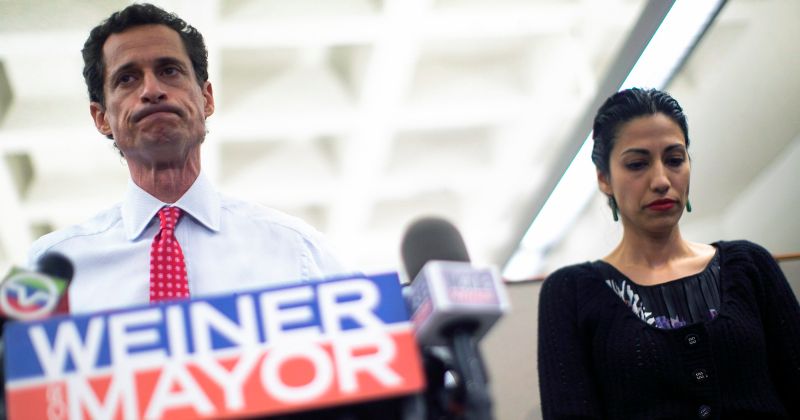
The juvenile humor of a man named Weiner getting caught in a sexting scandal is almost impossible to resist, as you either give in to the giggles or smile at the you-can’t-write-that-shit feel of the situation. For those unaware, this happened in America (twice) to former U.S.
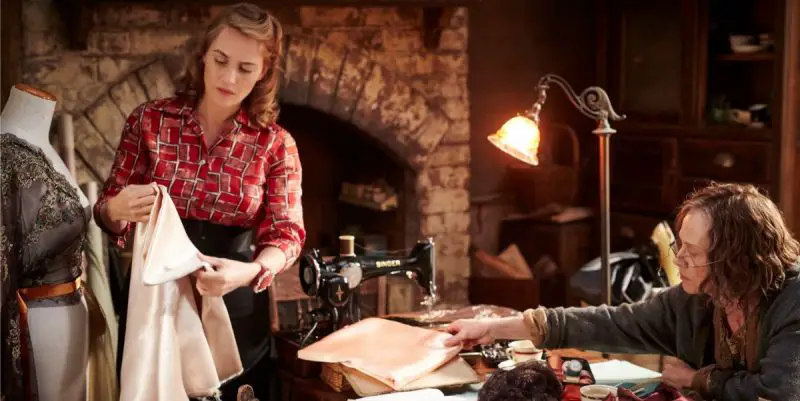
Mise-en-scène is one of the great terms used in film criticism. It is also the most basic and is usually the first thing you’ll learn on any film theory course. Unfortunately mise-en-scène is also, strangely, one of the hardest terms to understand.
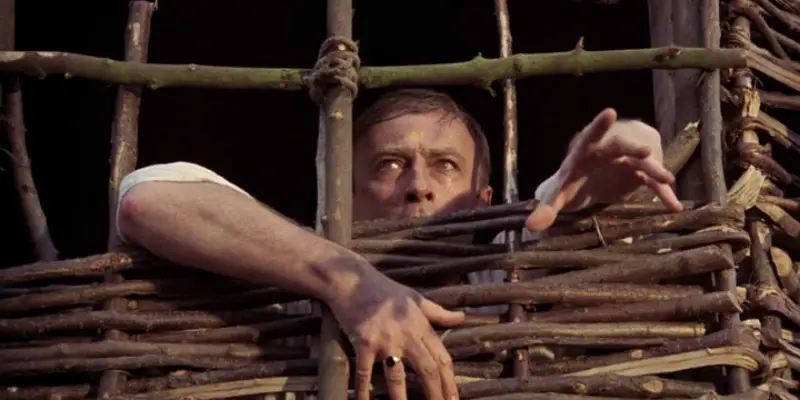
In the brilliant and insightful documentary A History of Horror, British writer and actor Mark Gatiss explores the horror genre throughout many countries. While discussing British horror cinema of the 1960’s, Gatiss uses the term ‘folk horror’ to describe a short but very curious subgenre. The films that make up this genre are unmistakably British and owe a large debt to the trail blazers of horror cinema in Britain:
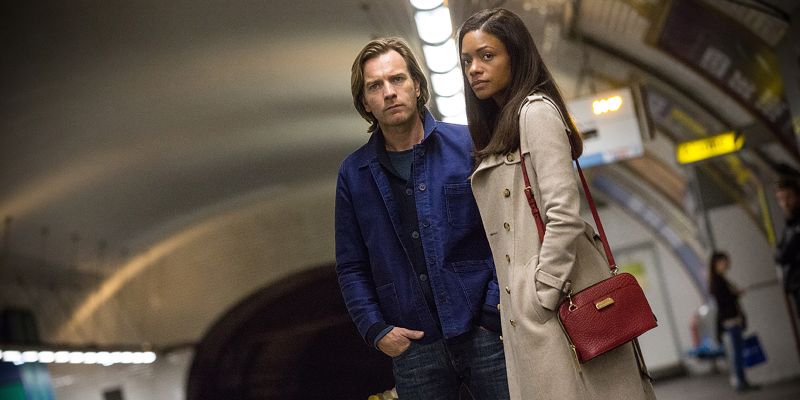
With the spy genre in full resurgence, audiences may not be salivating for another entry. Don’t sleep on Our Kind of Traitor, though, because it’s based on a John le Carré novel (same name), which comes with the promise of a different kind of espionage. Carré generally avoids a lot of action, preferring to keep his spies stuck in the murkiness of the real world.
Aaaaaaaand it’s May. Time to highlight some of the best articles we published last month! Last month we published over 60 articles, and among them many film reviews (like ones for Mr.
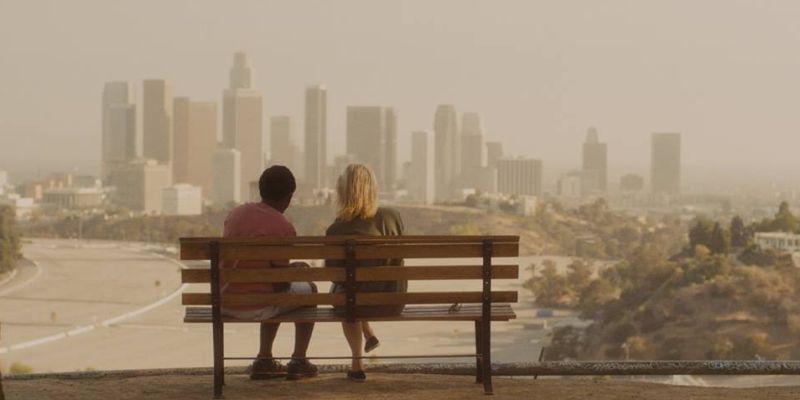
You may be wondering why you are reading a review for a film initially slated for release in 2014, after its première at the Los Angeles film festival, in the here and now of 2016. It tells us a lot about contemporary cinema and the struggle independent films face in finding distribution that this well-made film has waited two years for a wider release when there have been countless lesser films clogging our screens in the intervening time. It has been with the recent support of Ava DuVernay’s company ARRAY that Echo Park has found a cinematic release in LA and New York as well as an international release through Netflix and, if you are looking for something different to the sometimes saccharine cuteness of US indie romances, I would encourage you to seek this film out.
Every Tuesday Film Inquiry publishes the movies that are opening in cinemas! This week: Captain America:
Over at our official Facebook page, we are currently posting daily film recommendations, with each week being a different theme. This is a collection of those recommendations! This week’s theme is female-directed horror films.
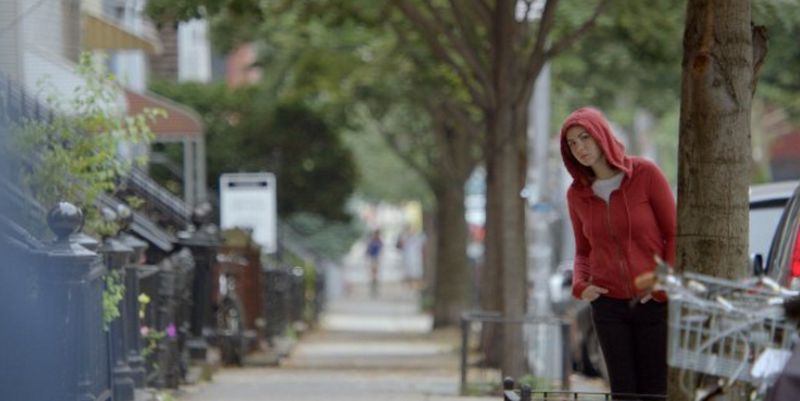
The story of Freckles, written and directed by Denise Papas Meechan, opens with Lizzie introducing herself by voicing her strong hatred she has for the “ugly orange dots” that she refers to as her “star map to loneliness”. This is a story of a woman who has a disturbingly distorted view of herself. Despite her mother telling her that the freckles are “kisses from God”, Lizzie sees them as a curse.
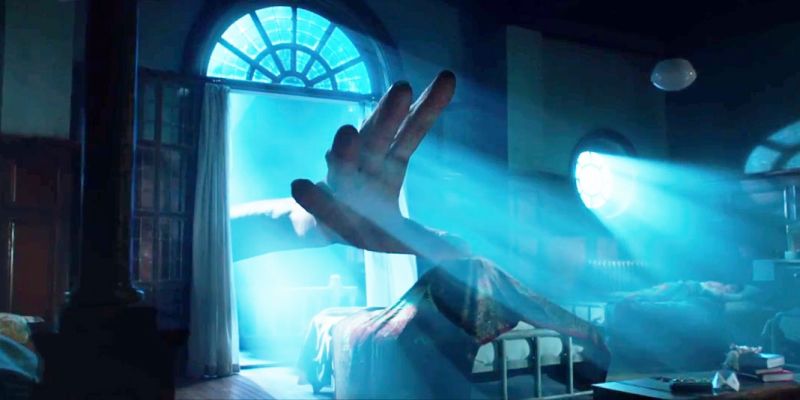
There’s something timeless about Roald Dahl’s children’s stories that always made me assume they were older than they were. The effect likely comes from their blend of weirdly dark situations and moralistic underpinnings, which feels very much like old fairy tales. Most modern pieces for children are toned down or bland, but Dahl didn’t speak down to kids.
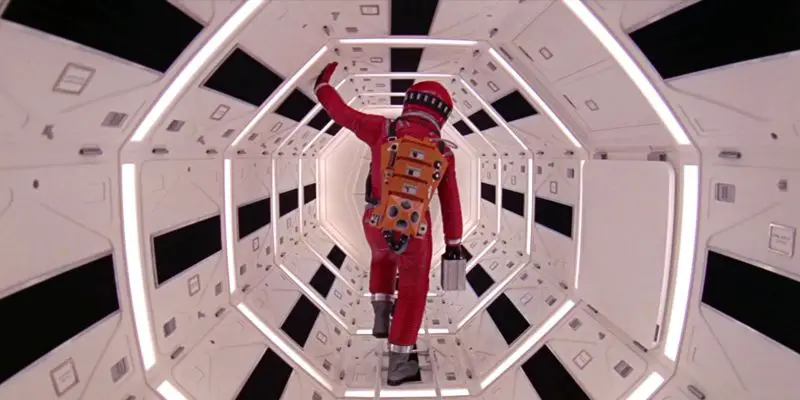
Stanley Kubrick’s classic sci-fi epic, 2001: A Space Odyssey, is a fictional transcendence of classic Greek mythos through the ubiquity of the motion picture camera. As the film’s title suggests, this is Greek philosopher Homer’s The Odyssey told on the grandest of scales and sparing no expense that 20th Century cinema had to offer.
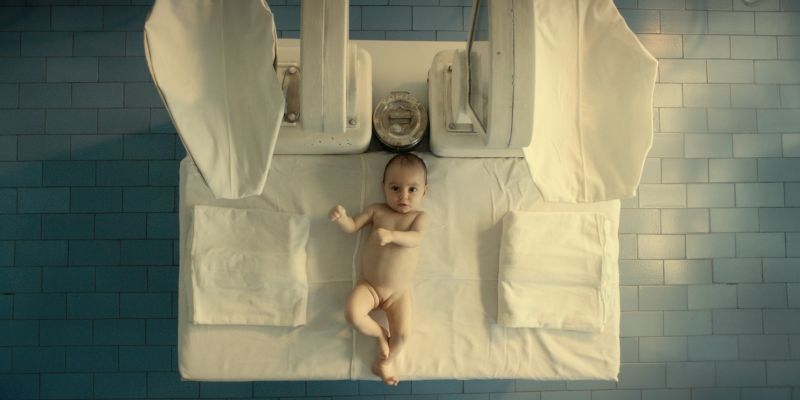
People often tend to demarcate their lives by coordinating them with macro-narratives. For instance, the segment of your life that took place during the George W. Bush administration, or the Vietnam war.
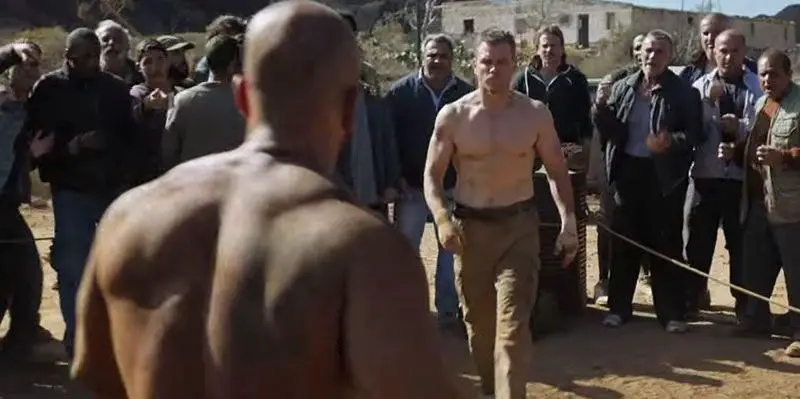
The man with two gunshots wounds and no memory has come a long way since The Bourne Identity, which is what led star Matt Damon to back away from the series after three installments. When the fourth movie, a spin-off featuring a new character played by Jeremy Renner, stumbled with critics and audiences, the lucrative franchise suddenly needed a resurgence to maintain its commercial appeal. In a move that surely made distributor Universal Pictures very happy, two-time series director Paul Greengrass and Damon agreed to come back for another film, and the Renner sequel was bumped to make room for the returning duo.
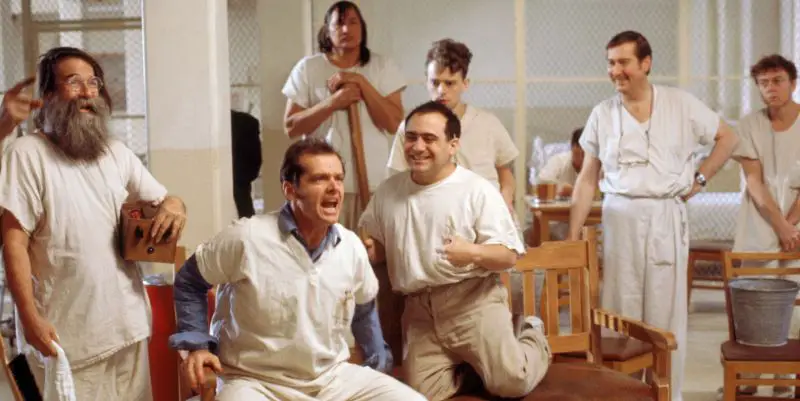
It’s been quite some time since my last volume of Words vs. Moving Pictures, in which I discussed Harper Lee’s To Kill A Mockingbird and compared it to the 1962 film. Since then, it has taken me a long time to try to find another book and subsequent movie adaptation that would be worthy of discussion.