
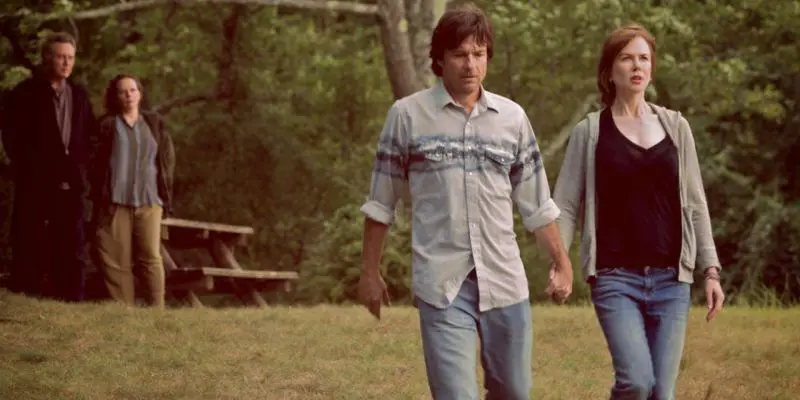
Quirky family dramas are a dime a dozen, so in addition to handling complex relationships and a mixed tone, they must do something to distinguish themselves from the pack. Some projects respond by amping up the quirk while others go for a big emotional payoff. The best manage to do both, which is precisely what people praised the best-selling book that The Family Fang is based on (same name) for doing.
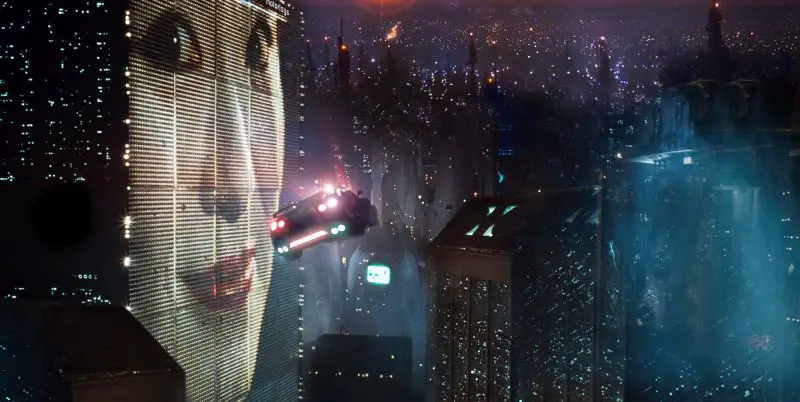
The ideology of originality in modern day cinema is a debate that is frequently discussed and examined, comparing it to what was considered the ‘Golden Age of Cinema’ in the 1900’s. Particularly regarded are the similar story lines and plots that are overused and are becoming somewhat identical, which can comprise of reboots of existing features, superheroes, etc. Along with the sheer amount of sequels that reoccur frequently even when audiences may not particularly want them, leading to them being ignored or neglected.
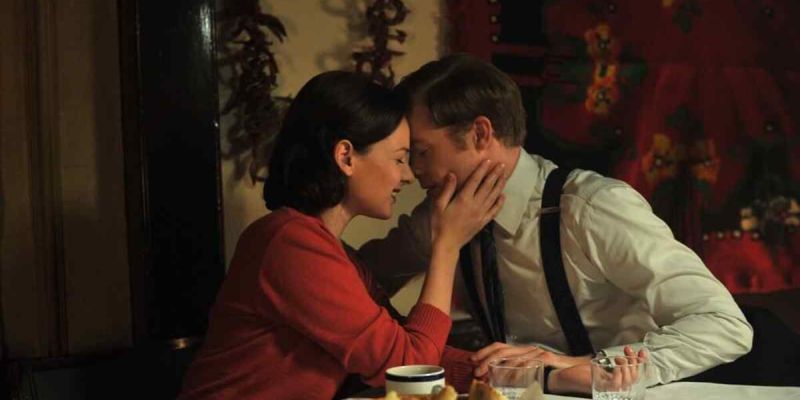
Despite The Falling Snow is a film by novelist and filmmaker Shamim Sharif. The film is based on her book of the same name and plays out over two time periods. In 1950’s Moscow Katya is a spy for the Americans and is encouraged to marry and steal secrets from the young politician Alex.
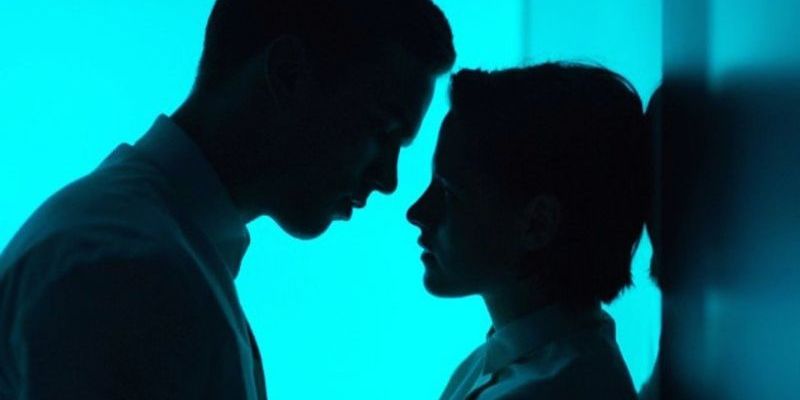
Equals feels so familiar because its setup has been in heavy use since the post-World War I era of science fiction. A totalitarian government that controls people’s emotions? That’s Aldous Huxley’s Brave New World, George Lucas’s THX 1138, Kurt Wimmer’s Equilibrium, and a litany of other stories far too vast to name off.
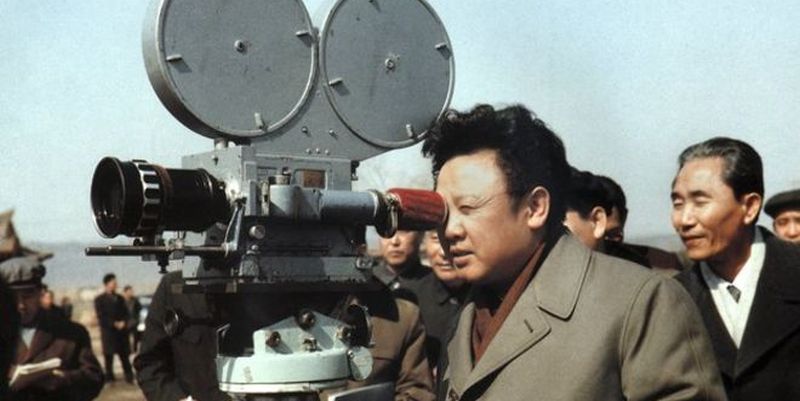
The words “North Korean cinema” have traditionally invoked images of staid, humourless propaganda movies each more concerned with exalting the virtues of the nation’s glorious leaders than sculpting cohesive narratives. For those who have looked into the films emanating from the secretive Asian country it is possible to conclude that, in some instances, this description is rather unnervingly accurate. Many of these stereotypes exist for a reason.
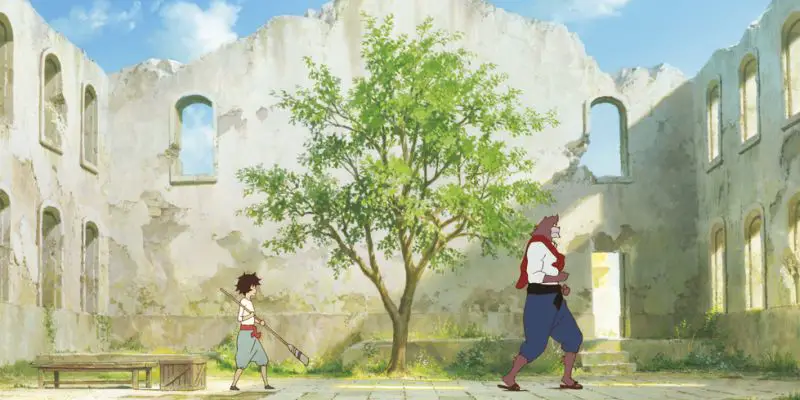
Bakemono no Ko, translated as Monster’s Child, is making its English run under the name The Boy and the Beast. It is a gorgeous-looking film, but what separates it from the rest of the disposable moving images we’ve been subjected to this year is the grace with which it tells its story. I have been to the theaters a lot this year, but I have only been brought to tears a few times.
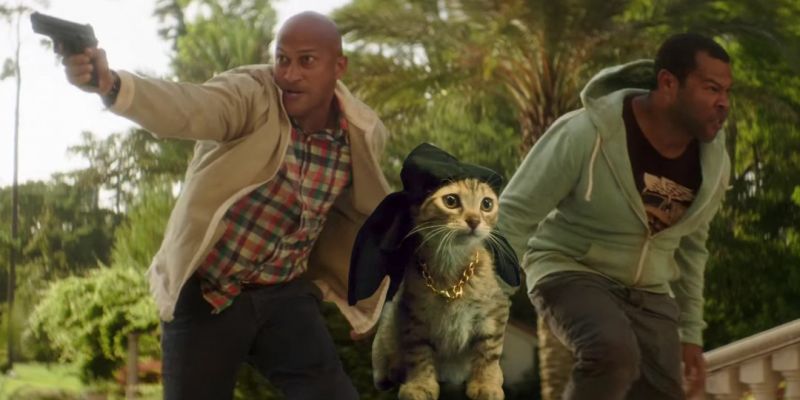
Every Tuesday Film Inquiry publishes the movies that are opening in cinemas! This week: Keanu, Mother’s Day, Ratchet & Clank, Papa Hemingway in Cuba, The Man Who Knew Infinity, Viva & A Beautiful Planet.
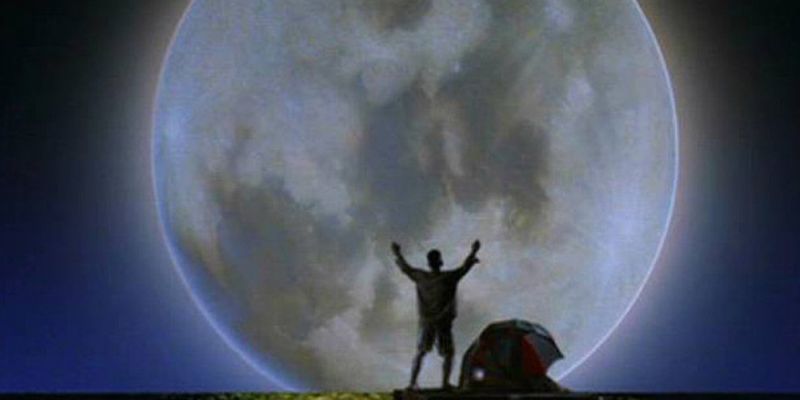
Joe Versus the Volcano came out in 1990. It stars Tom Hanks and Meg Ryan. It’s full of camp, love, adventure, musical montages, and over-the-top acting.
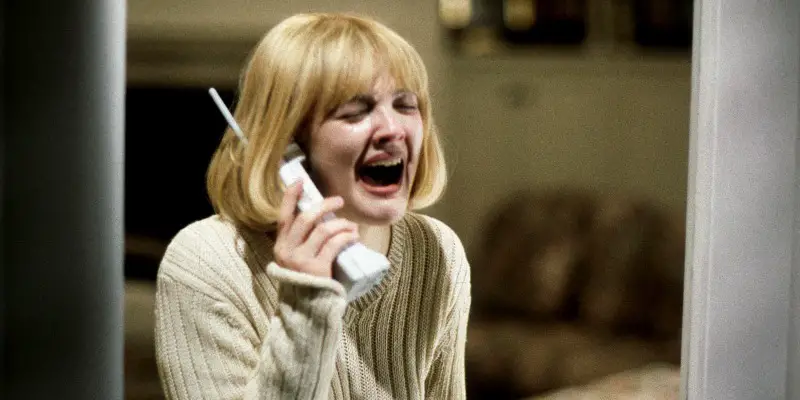
It may be fair to first point out that the question of this article has always been a conflicting issue that continuously floats around in the film industry. People often perceive the growing medium of cinema as a device for entertainment or as a brief, escapist distraction from society’s painful realities. This experience has impacted on how people think and behave within society, and Hollywood continue to question the extent to which films influence reality.
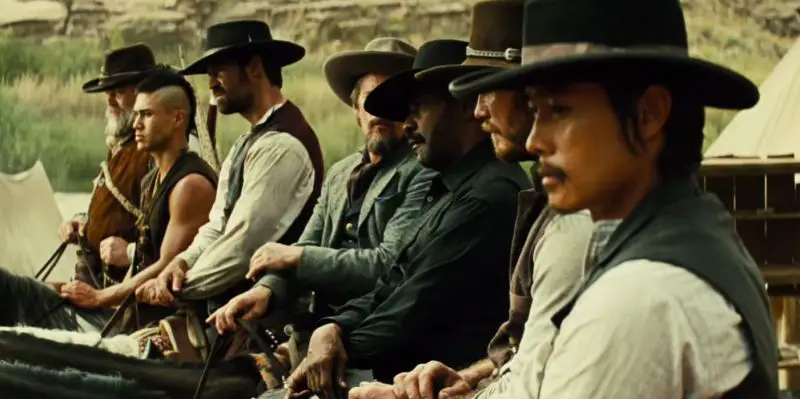
I have a sneaking suspicion that every actor wants to be in a western, but box office results prove that audiences don’t want to see all those westerns. Sure, slinging on a holster and leaning against a fence looks cool, as one of the promotional photos for The Magnificent Seven proves, but without some sort of twist, people are not buying tickets. True Grit (2010) and Django Unchained are perhaps the only pure westerns to crack $100 million at the U.

I’m very happy to announce that we get to give away a super awesome prize pack! Valued at AU$140, you can win an in-season double pass to The Man Who Knew Infinity starring Dev Patel and Jeremy Irons (opening in cinemas Australia-wide on May 5), as well as six DVDs: I’m Not There, Love & Mercy, Nowhere Boy, Slumdog Millionaire, The Motorcycle Diaries and The World’s Fastest Indian.
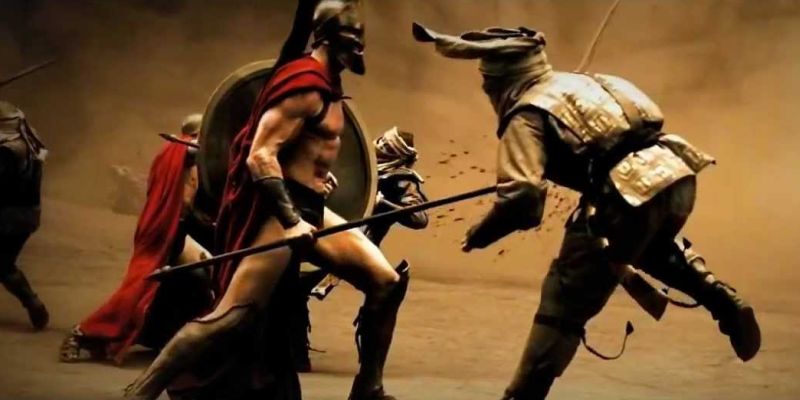
It has been five weeks since Batman Vs. Superman debuted at cinemas worldwide to a gargantuan opening weekend, followed immediately by toxic word of mouth that has caused the film to fade into irrelevancy even as it is still playing in theatres. The fact it could have potentially derailed Warner Bros.
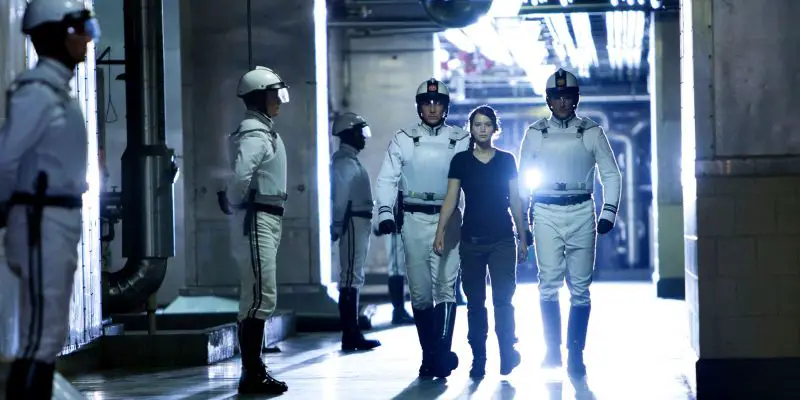
As the title indicates, I have epilepsy. If you ran into me on the street, it’s not something you’d be able to tell about me by looking. That’s not how epilepsy works, generally.
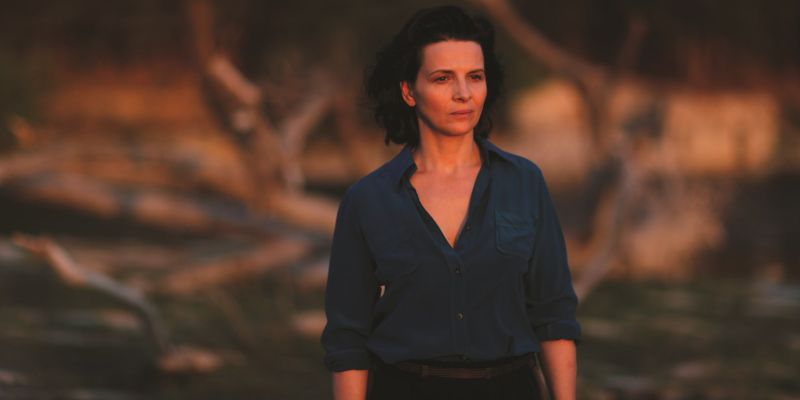
Not much is given away in the trailer for The Wait, the first feature from Italian director Piero Messina. A mother connects with her son’s girlfriend before he is due home, and Sicily is given a quality that can be interpreted as either dreamlike or feverish depending on the individual moment. The extra bit of information I’ll give away is that the film takes place over Easter weekend, which adds some hefty religious symbolism to the idea of waiting.
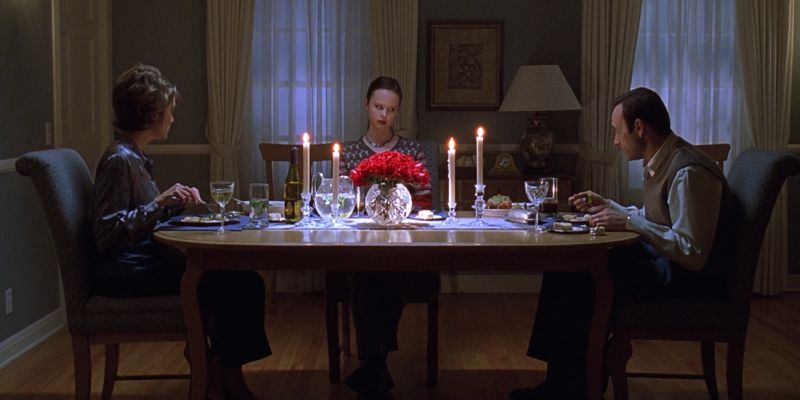
Many of us find escape in our imagination. Fantasy allows our mind to slip away into worlds that differ in ways both big and small from the one in which we most commonly reside. In the 1999 film American Beauty, fantasy takes hold of many of the characters within the story and offers escape to those who lean into it.