

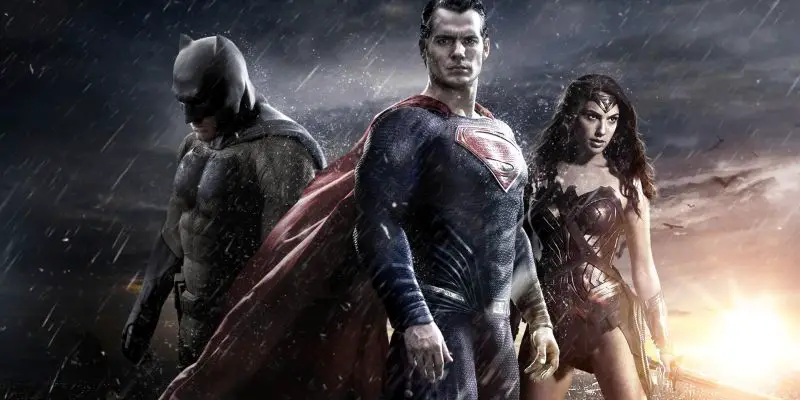
Every Tuesday Film Inquiry publishes the movies that are opening in cinemas! This week: Batman v Superman:
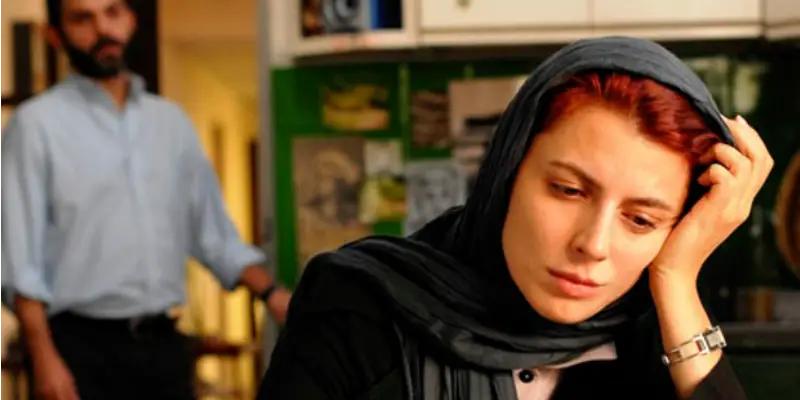
When we come across words like Arabic, Iranian, Palestinian, or any other Middle Eastern nationality, we immediately think of the difference in culture. Especially when it comes to women, we think of Islam’s (justified or not justified) reputation as an opponent of gender equality, an oppressor of women and the rule of men. This preconceived notion is slowly being challenged with a flood of films from the Middle East.

Searching For Hell is an international exploration of infernal places around the world, with a loose but entertaining concept of what hell is. In five segments, the audience visits the site of the deepest recorded excavation into the earth in Serbia, the tourist town of Hell, Michigan, a house designed to reconstruct the Buddhist conception of hell according to tenth-century writer Ojoyoshu, the toxic sulphur mines of Indonesia, and the chaotic capital of the Democratic Republic of the Congo. Each vignette has its own style, varying from the carnivalesque to the dialectic to the observational, and the decision to release the documentary online through the Virtual Reality Cinema (VRC) app Cineveo can only add to its dreamlike, haunting quality.
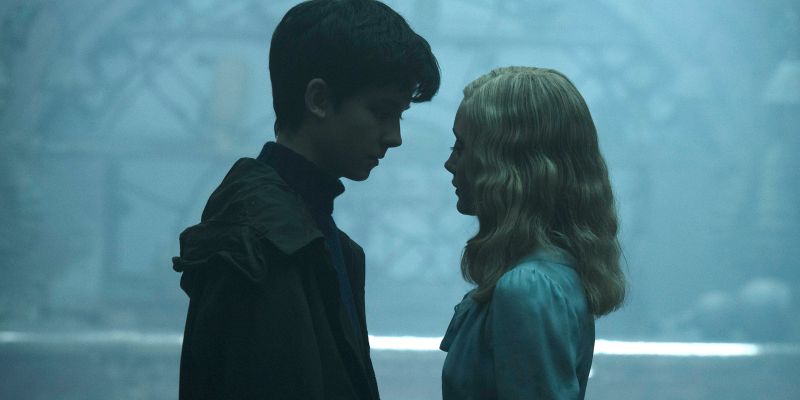
I’ve only vaguely heard of the book on which Miss Peregrine’s Home for Peculiar Children is based (same name), but this excellent trailer hooked me within thirty seconds. That odd imagery and lilting song drew me right in, efficiently setting the mood and freeing the rest of the trailer to tease character and plot. Granted, it focuses mostly on the characters, but when a trailer presents such a lovely group, it’s hard not to look forward to meeting everyone.
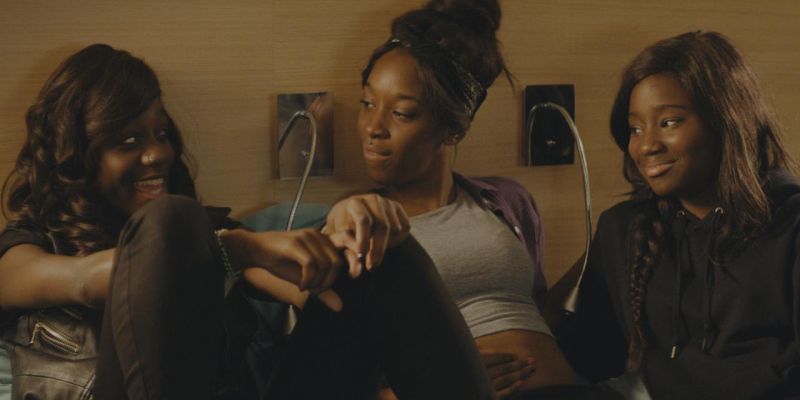
Whether it’s aimed at big kids or little kids, one of the most common themes in films from the last few decades has been the concept of ‘coming-of-age’. What this actually means can vary. For instance, ‘coming-of-age’ films may be ‘teen dramas’ or stories about childhood, sexuality, gender, or (auto-) biography.
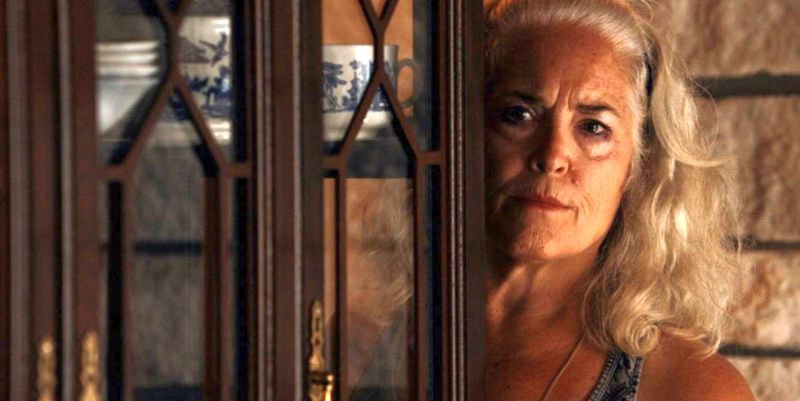
The opening of Trey Edward Shults’ Krisha is intense. A few seconds in, we are staring eye to eye with Krisha, the titular character (Krisha Fairchild). She is looking at us, and we are looking right back.

Zootopia is the cinematic equivalent of a Dr. Seuss novel; though mostly made for kids, it resonates with deeper and socially relevant themes. The political landscape from which this film was born is apparent almost from the start, and though at times less than subtle with its agenda, it still manages to be an incredibly witty, emotional and entertaining movie experience.
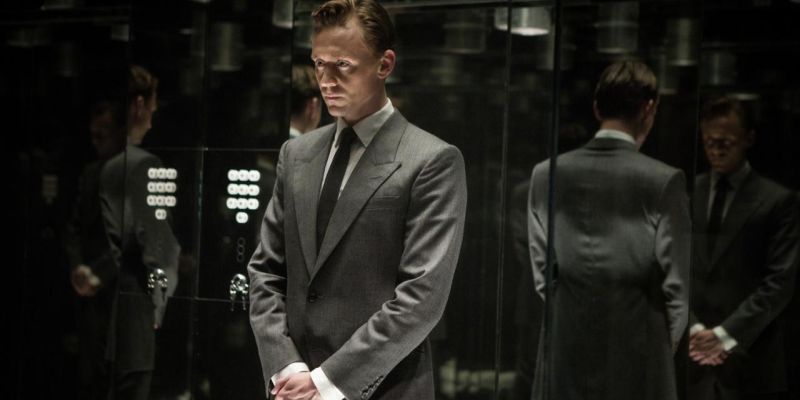
There are so many stories like High-Rise that I’m shocked it’s not a genre to itself. I mean, how many books, movies, and television series are there about an isolated group descending into chaos? The foibles of the human mind are put on deep allegorical display, and a certain kind of person turns up to watch every iteration, nodding in agreement that, yes, humanity sucks.

I recently had the pleasure of sitting down (via Skype) with director Deborah Kampmeier after a special preview screening of her newest film, SPLit. The film is premiering at the Sarasota Film Festival this year, so if you can go see it, get yourself down. Until you get the chance, check the trailer out here.
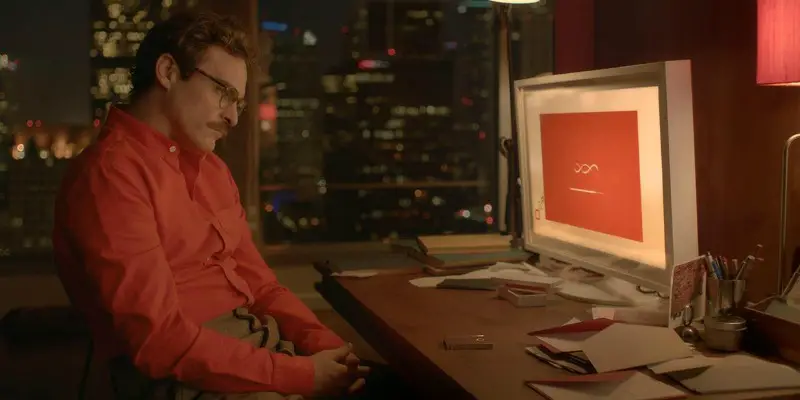
In any sector where publishing one’s writing, there are various types into which one can subvert their writing style. The four most basic are expository, narrative, descriptive and persuasive. When it comes to writing for film and media, though, all four of these sorts can be used.
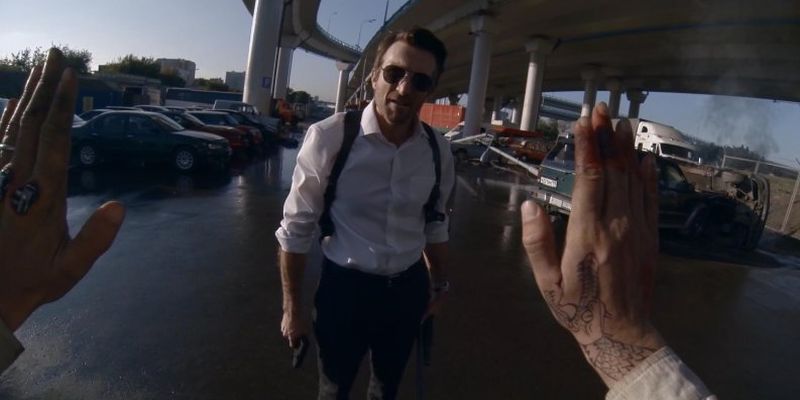
2015’s Toronto International Film Festival gave audience awards to Room, the quietly affecting story of a mother and son, and Hardcore Henry, a first-person action film about a super-soldier fighting his way through Russia. Yes, Hardcore Henry’s win was in the Midnight Madness category, but that contrast is still amazing. I don’t buy into the divide between daytime and nighttime festivalgoers, because I know there’s a lot of people, like me, that start in the morning hours and stay to the raucous end.
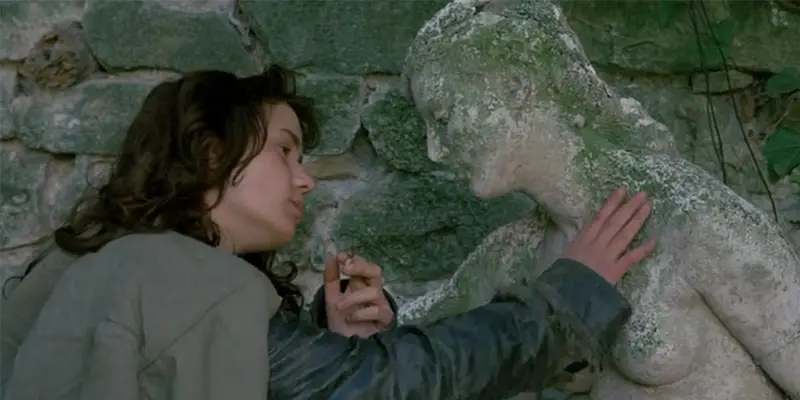
Over at our official Facebook page, we are currently posting daily film recommendations, with each week being a different theme. This is a collection of those recommendations! This week’s theme is women-directed films of the 1980’s.

A strange thing’s been happening in American cinemas in recent years, and it’s the most natural by-product of modern marketing that you can get. There’s been a rise in low budget films targeting very narrow demographics, specifically Christian, Hispanic, and African American audiences. Now that everyone can be monitored and categorized thanks to online tracking, these films are able to launch small but effective marketing campaigns that only their targeted demographic sees.
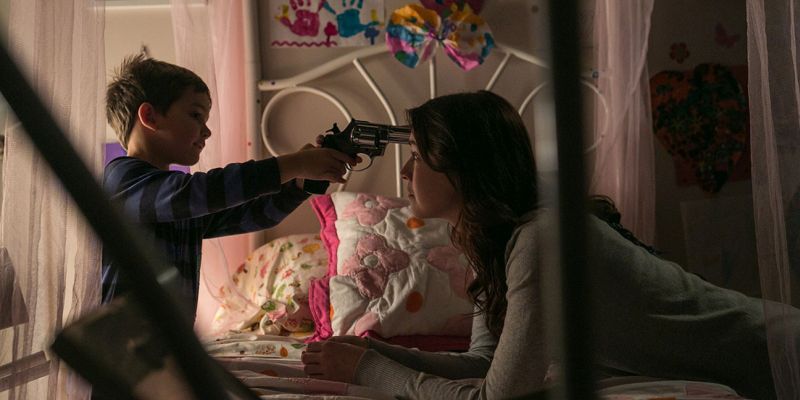
Michael Thelin’s directorial feature debut is perhaps most effective in its earliest stages. When we are first introduced to a sleepy suburban neighbourhood, it is already clear that something is amiss. When we witness the kidnapping of a young woman on her way to babysit, we begin to get some idea of what is in store.
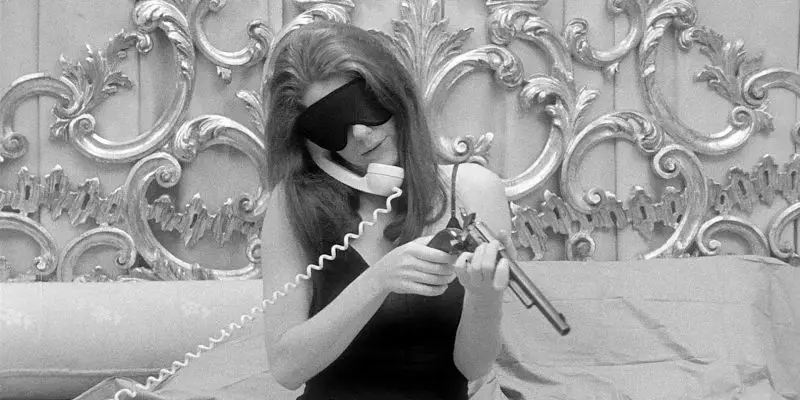
In 1971 a particularly interesting film bestowed with an X rating made its way to a limited release in New York City and Los Angeles. This film was not a commercial success. It was a film that was so “out there” some reviewers refused to even see it.