

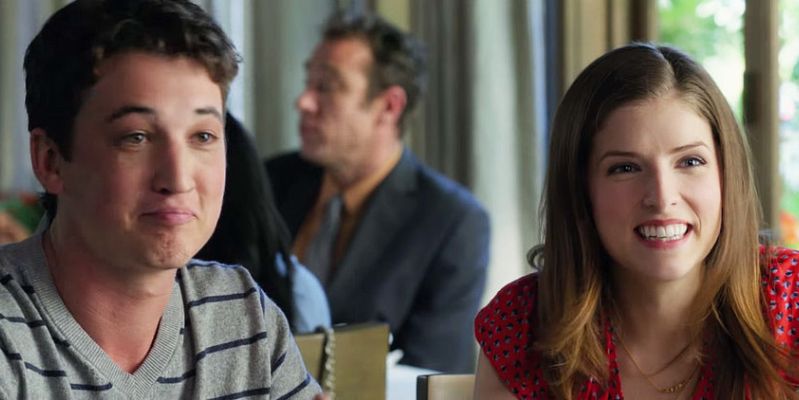
While watching the trailer for Get a Job, I actually found myself thinking about how young Anna Kendrick and Miles Teller looked. I initially chalked it up to excellent genetics, but then I read that the film was shot way back in 2012. It sat in the can for undisclosed reasons (not a good sign), and its director and writers haven’t had a single film credit since (really not a good sign).
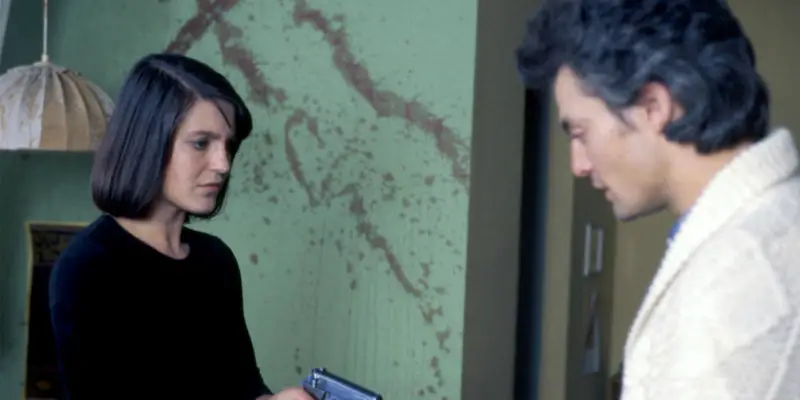
Over at our official Facebook page, we are currently posting daily film recommendations, with each week being a different theme. This is a collection of those recommendations! This week’s theme is focused on women-directed films of the 1970’s.
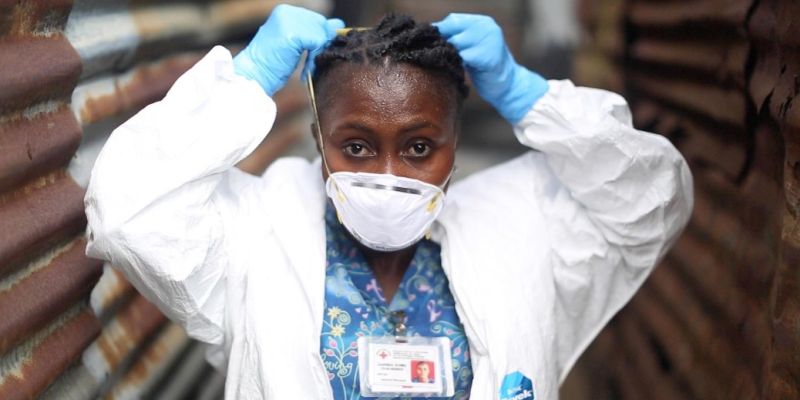
Long maligned no matter the medium, the short film is often seen merely as a launching pad for bigger and better things. However, for documentarians, the short is almost the primary form, as it takes a lot of time, funding and quality footage to come up with a feature-length documentary worthy of release. Thus, for documentary, the short is the rule rather than the exception, and the field is stacked with quality, potent films, more or less unhampered by typical commercial expectations.
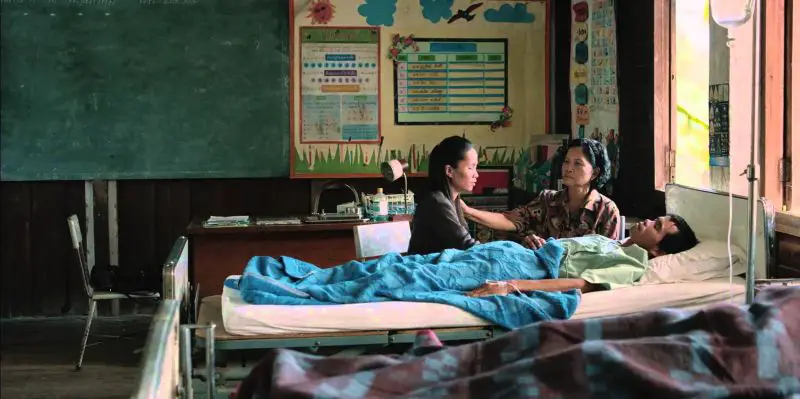
A darling of the Cannes Film Festival, Apichatpong Weerasethakul has been mesmerizing western audiences for years now, most notably with his Palme d’Or winning Uncle Boonmee Who Can Recall His Past Lives. A feverish quality runs through both that and Cemetery of Splendour, which disregards any need for narrative clarity and dumps audiences into a world where life, death, and consciousness don’t have solid boundaries. The divide between eastern and western cinema runs deep, and while Weerasethakul is a straight up experimental filmmaker, his Thai roots add an extra layer of mystique to his movies.

It’s not often that you can say that someone is one of your favourite directors, but for a long time you didn’t even know their name or recognise that all the films you liked were theirs. Jeanie Finlay is a special case though, the documentarian who pushes you hard to look at the subject and never at themselves. Through her good working relationship with the BBC I and many of you in the UK have been watching her films without ever actually joining the dots and seeing that Finlay was the filmmaker behind them all.
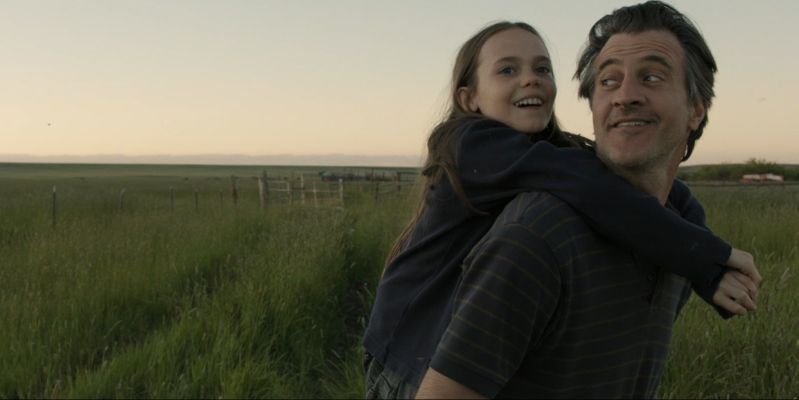
It’s impossible to discuss Lamb without being honest about its premise, so let’s start by ripping off the Band-Aid, shall we? Lamb is about a middle-aged man kidnapping an eleven-year old girl. It’s neither exploitative nor overtly horrifying, but its central relationship is inescapably unsettling.
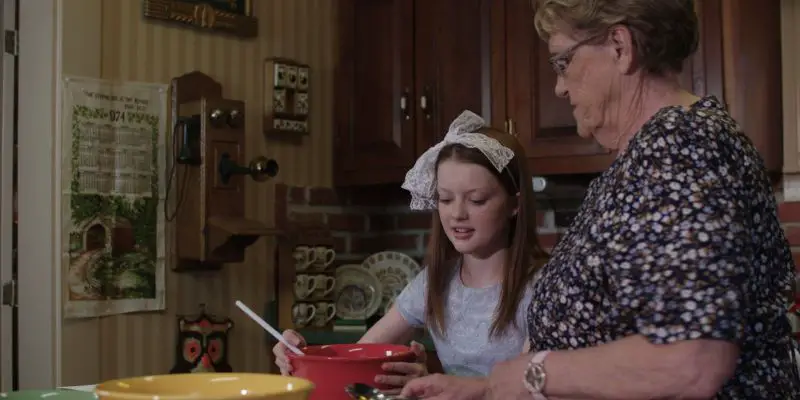
Every week Film Inquiry publishes the movies that are opening in cinemas! This week: Deadpool, Zoolander 2, How To Be Single, Providence, Where To Invade Next, Fitoor and Touched with Fire.
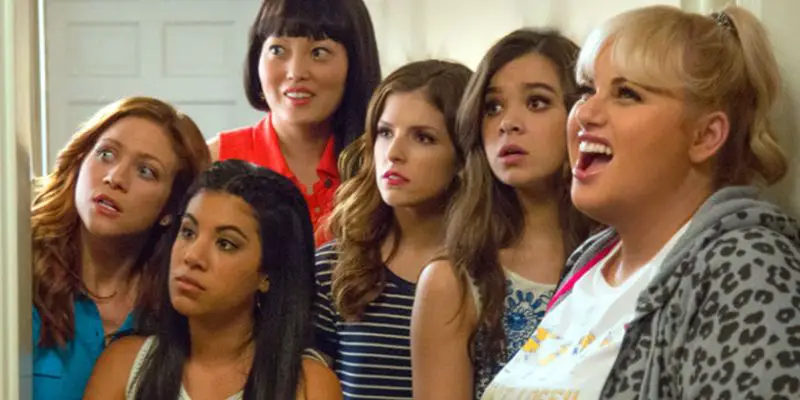
Lately, due to the #OscarsSoWhite,#OscarsSoMale and #AltOscarParty campaigns, a lot of attention is being paid to how The Academy, and Hollywood in a more general sense, fails to reward women and people of color for their work. It’s no longer just a group of angry Tweeters: The conversation is actually, finally reaching the mainstream, and more people than ever are paying attention to what is happening during awards season this year.

Deadpool is a comic book character with an interesting history. Premiering in the early 1990s, he was originally created as a parody of comics in general, with both the DC character Deathstroke and Marvel’s Spider-Man influencing his name and appearance (Wade Wilson is Deadpool’s real name, while Slade Wilson is the civilian name of Deathstroke). Over the years, though, the character has gained an unusually strong following, even for those that are not typical comic book fans.
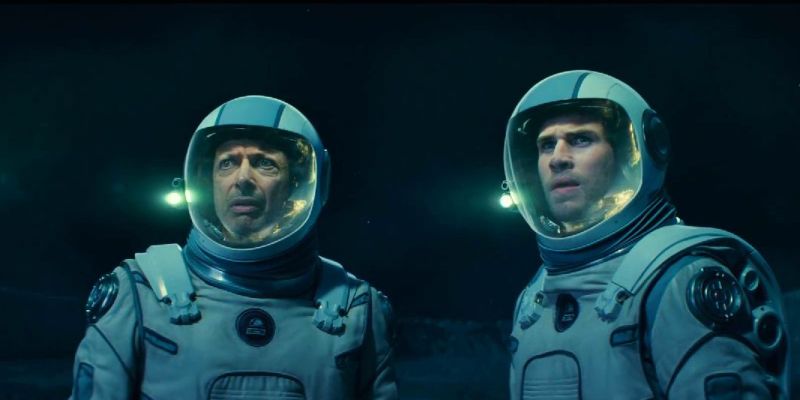
If Jeff Goldblum’s character is to be believed, then we aren’t the ones making the resurgence. The aliens have outpaced us in the twenty years after their July 1996 attack, and it looks like that equates to bigger spaceships! Let’s face it, nobody’s going to a Roland Emmerich movie for Shakespeare-esque drama (unless you went to that movie he made about Shakespeare).
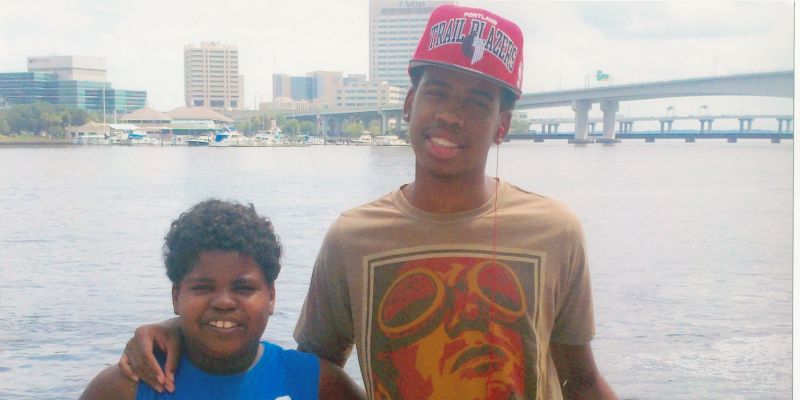
On November 23rd 2012, 17 year old Jordan Davis was shot dead inside a friends car at a gas station. He was shot by Michael Dunn, a 43 year old white male, because of an altercation which began when Dunn asked Jordan and his friends to turn down their music. The situation escalated and a few minutes later Jordan Davis was dead.
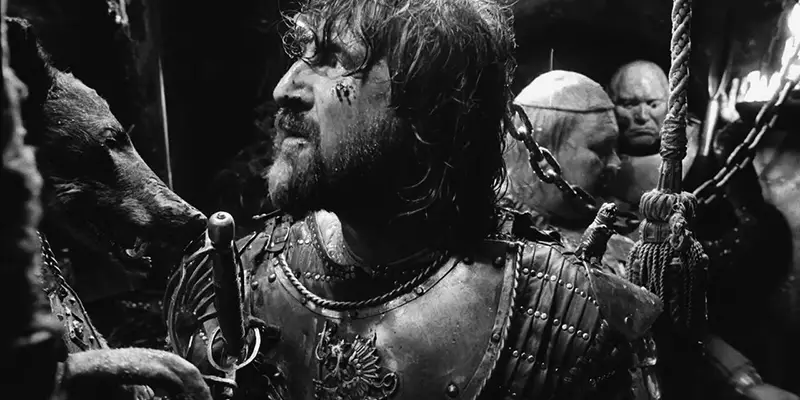
Aleksei German once said “I am not interested in anything but the possibility of building a world, an entire civilization from scratch.” While “worldbuilding” has turned into a sort of buzz term, it’s fair to say that he did succeed in creating a meticulously detailed world that is as equally claustrophobic and terrifying as it is expansive and daunting. Aleksei German’s final film Hard to Be a God, an adaptation of Arkady and Boris Strugatsky’s novel of the same name, turned into a subject of curiosity given the thirteen-year production, dense source material and the death of the director before the film’s release.
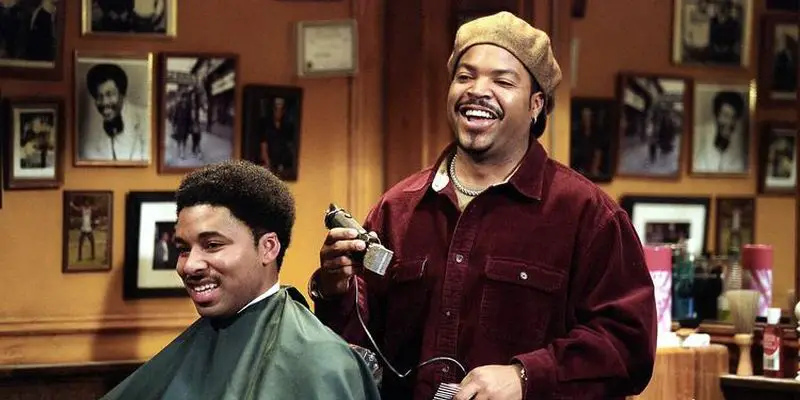
Oh boy, we’ve got a montage of grinning stars in this trailer, which means ensemble fun! A litany of familiar faces has always been a selling point for the Barbershop series, and since ten years has passed since the last entry, there’s been a big cast shake-up. Most notable is the steep increase in female roles, with the series welcoming Nicki Minaj, Tia Mowry, and Regina Hall into the shop.
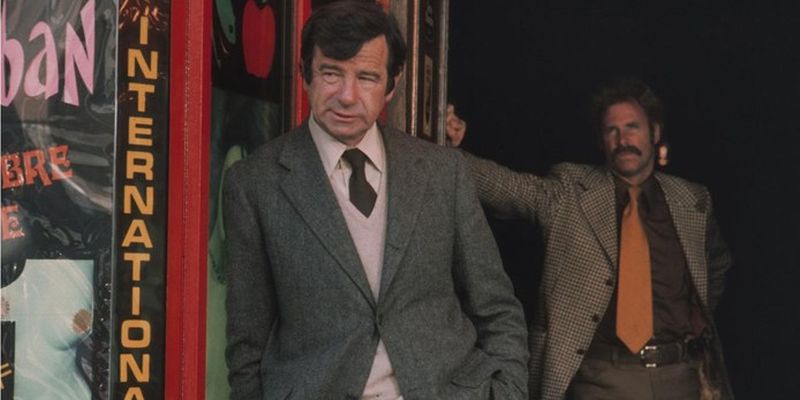
Over at our official Facebook page, we are currently posting daily film recommendations, with each week being a different theme. This is a collection of those recommendations! This week’s theme is focused on obscure cop procedural films.
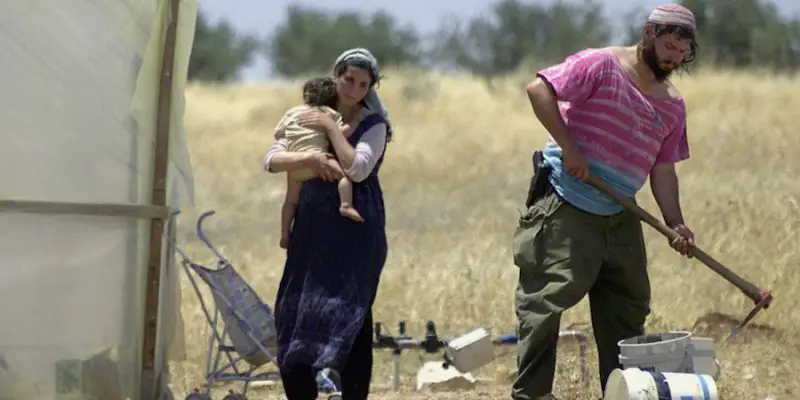
“I heard once somebody describing Zionism as a person escaping a burning building jumping out of the window and falling on somebody else’s head.” – Orly Noy, Israeli peace activist Colliding Dreams is a historical documentary exploring the history and ideas of Zionism, a nationalist movement of the Jewish community. The documentary examines Zionism in relation to the Jewish-Israeli occupation, a highly politically and religiously charged conflict between the Zionists and the Palestinians that continues until this day.