

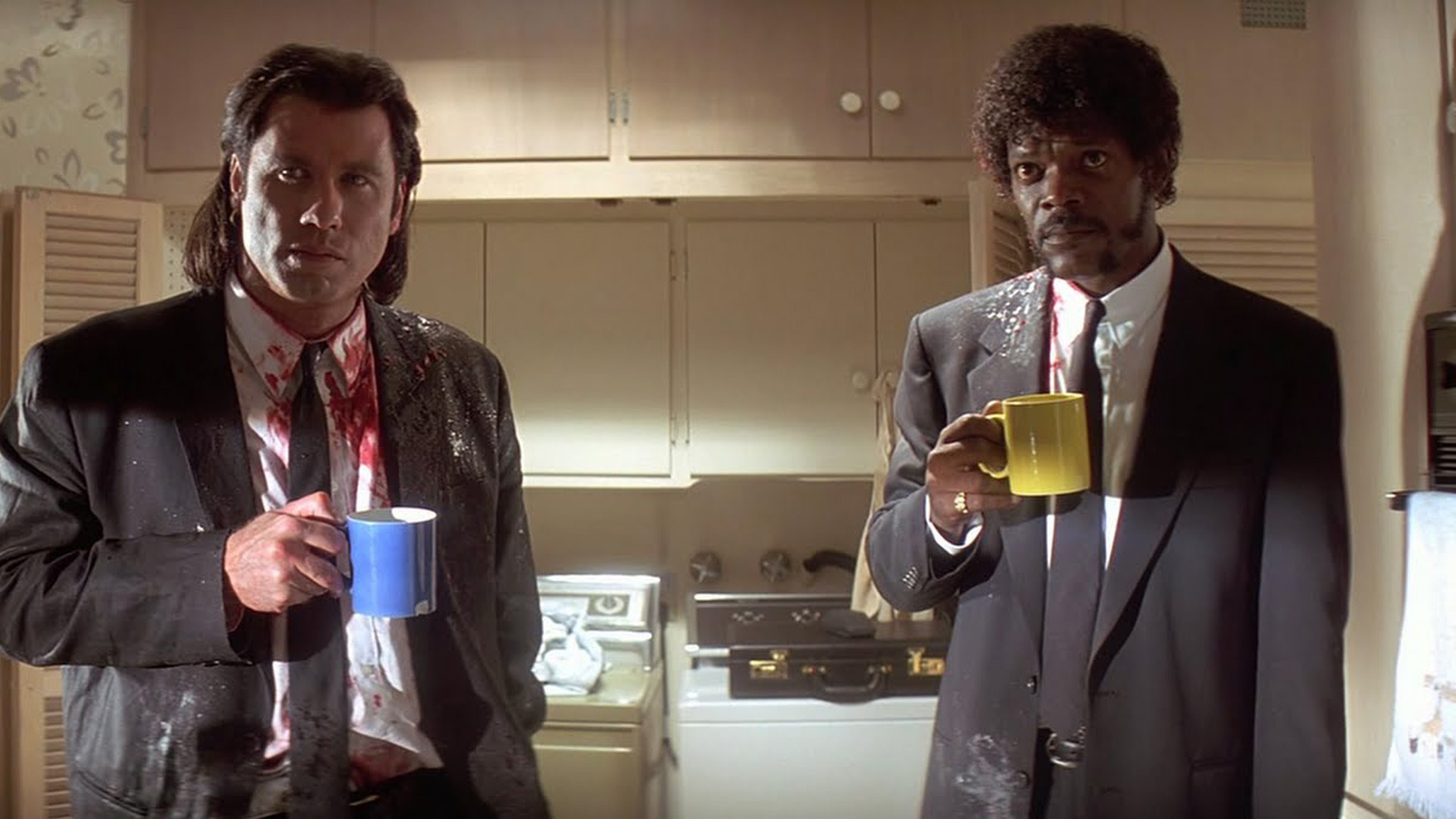
Director Quentin Tarantino has hit our movie screens with violence, gore, action and thrills. His work creates controversy, and it is those controversial aspects that make him stand out as one of the best leading directors in the world of film. With his new film The Hateful Eight scheduled to be released at the end of this year, we cannot wait to see what the quirky director and writer comes up with next.
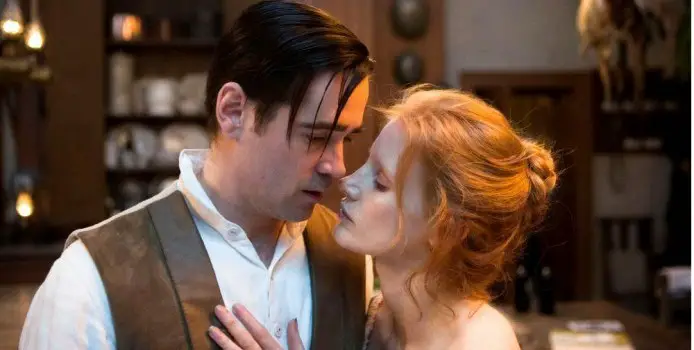
Known as an early work of naturalism, Miss Julie is a story of a Baron’s daughter who makes advances toward her family’s valet, Jean. One midsummer’s eve, tensions escalate between three characters: Miss Julie, Jean, and his fiance, Christine.

There has been an almost endless line of award shows over the last few months where Hollywood’s elite have had all the chances in the world to pat themselves on the back. But now the prelims are over. It is time for the main event.

First, think of the most overused plot of an espionage action thriller. Throw in a young, rebellious kid who dares to walk in his father’s once-proud footsteps. Finally, mix in a cartoonish super-villian with unbelievable plans to destroy the world and a super-secret spy agency that is at their wit’s end in their attempts to stop him.
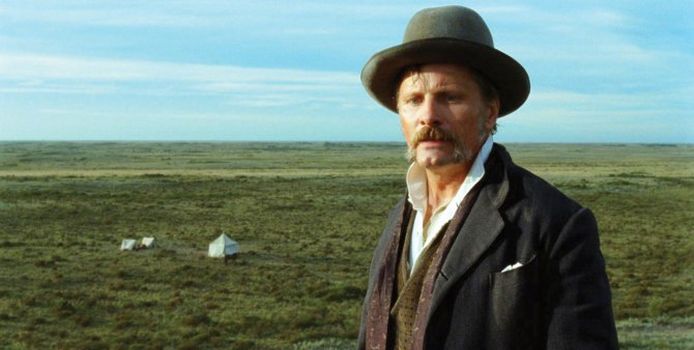
Jauja tells the tale of a Danish father & daughter duo traveling unknown lands and it looks like a visually interesting film. From the opening of the trailer you notice a lack of color saturation. Current Hollywood trends go against this style since it’s outdated.
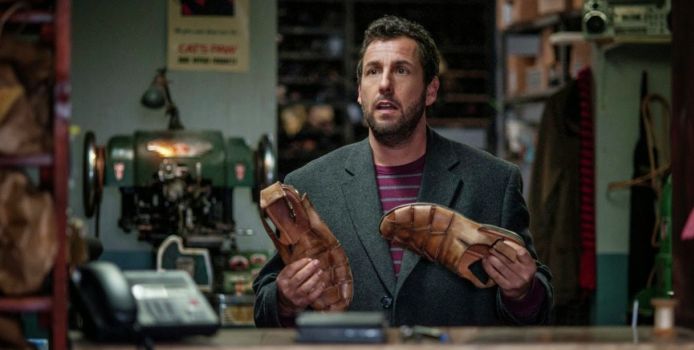
Dear Mr. Sandler, I was one of the few people who defended your recent movies, citing that people are working because of you. Then Jack and Jill came out.

Over the course of a film spanning a mere two days, the Dardenne Brothers have demonstrated the fundamental characteristics of life, with all of its virtues and vices unabridged. Money as the root of all evil Two Days, One Night depicts the debacle of a Belgian woman named Sandra, who, after taking sick leave to battle depression, is laid off from her job; a decision voted on by her coworkers, who were forced to choose between her and their year-end bonuses. Through an altercation between the foreman, however, who intimidated a majority of the workers to vote against her, Sandra is given a second chance, which would be a re-vote on the following Monday.

My visit to Auschwitz was more uncanny than overwhelming As a child my eyes used to always glaze over when my father watched what he gleefully called ‘boring black and white documentaries’, it was all he ever put on the television. Despite this, I still had an interest in World War 2, it was the most pivotal moment of the 20th century and so many films have been influenced by the event, however the Vietnam War films of the 70’s and 80’s garnered most of my attention in my early teens. By my late teens however, I found my once average interest burgeoning to the point where I was the one incessantly watching the boring black and white documentaries.
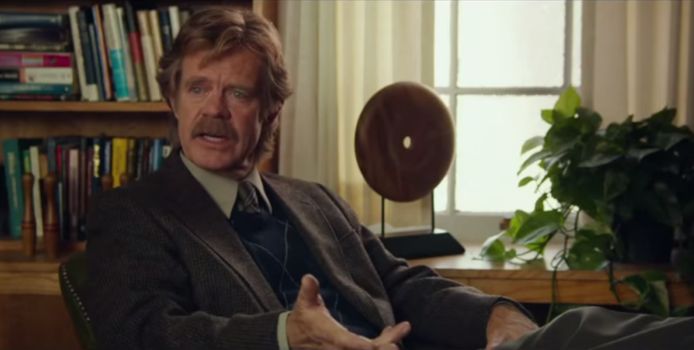
If you happen to believe in the concept of heaven or hell…where do you think you’re going after you die? Another question.
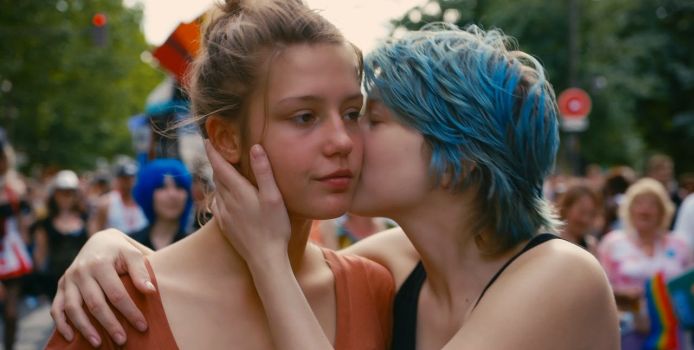

Anna, a young woman on the verge of nunhood raised from the confines of a lonely convent discovers that her only living relative, Wanda, is a judge who abides by an irresponsible lifestyle of hedonism. These two very different personalities clash in Poland’s submission to the foreign film category of the Oscars, Ida. Anna and Wanda embark through the vestiges of Poland to locate the remains of Anna’s parents in order to give them a proper burial, a journey which becomes a heartfelt saunter that causes the pair to question their beliefs.
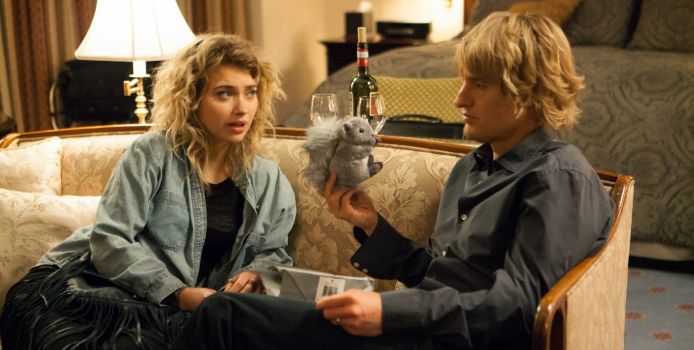
A married Broadway director, Arnold, pays a prostitute 30,000 dollars to go straight. Years later, Ms. former prostitute, Izzy, comes back into his life as an actress.

Every week, Film Inquiry publishes the movies that are opening in cinemas! This week: Hot Tub Time Machine 2, The DUFF, MacFarland, USA, Wild Tales and Gloria.
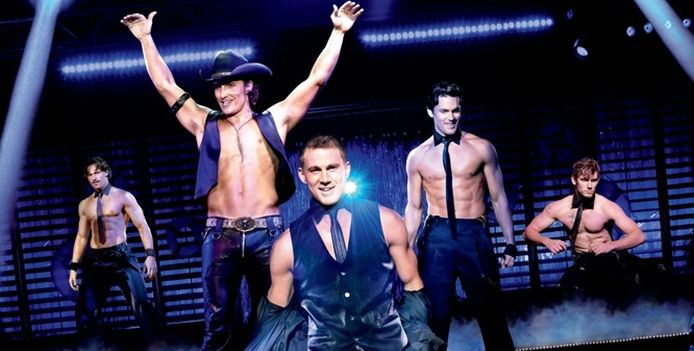
Lay back as Channing Tatum falls to his knees in front of you. Lose yourself inside his deep blue eyes. Notice how the sweat causes his naked chest to glisten under the hot lights.
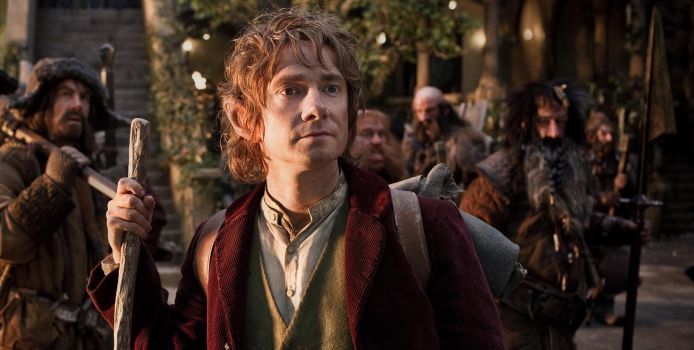
Plot, visuals, and theme are all hugely important to great cinema, but movie audiences love characters, and they remain the most memorable aspect of many films. However, the same character types appear again and again in film – the heroes, the villains, the sidekicks and the damsels in distress. We simply accept this as a part of cinema, and of stories in general, and it’s because all stories follow the same narrative structure, according to Russian theorist Vladimir Propp.