

documentary
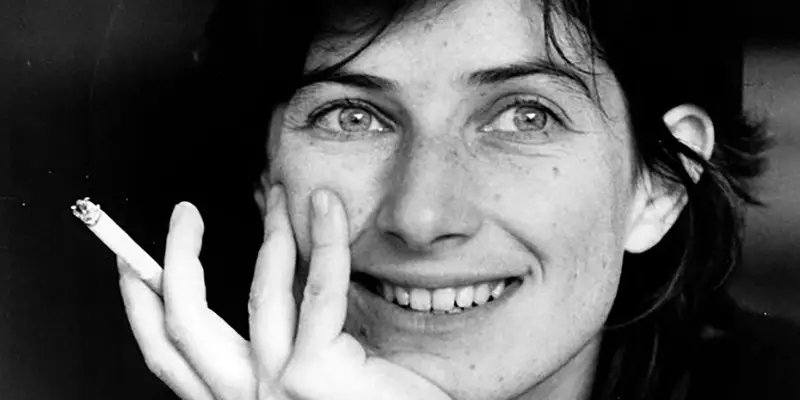
Chantal Akerman is a unique director whose minimalist compositions have earned her a reputation as one of cinema’s foremost screen artists. Best known for her 1975 film Jeanne Dielman, 23 quai du Commerce, 1080 Bruxelles, Akerman’s body of non-fiction work stands out with deliberately punctuated documentaries, giving the term “fly on the wall” new meaning. While Akerman’s body of work is varied, her vision of melding reality and fantasy are sometimes indistinguishable, and this omnibus of her work shines a light on an omniscient eye for capturing the world around us.

We know that the hemp plant has been used in production of products since at least the 1600s. Up until the 1930s, marijuana was legal, used, and widely accepted. In the 1930s, with the onset of the great depression and American paranoia, “reefer madness” propaganda started to sprout up, as a huge anti-marijuana prohibition came underway.
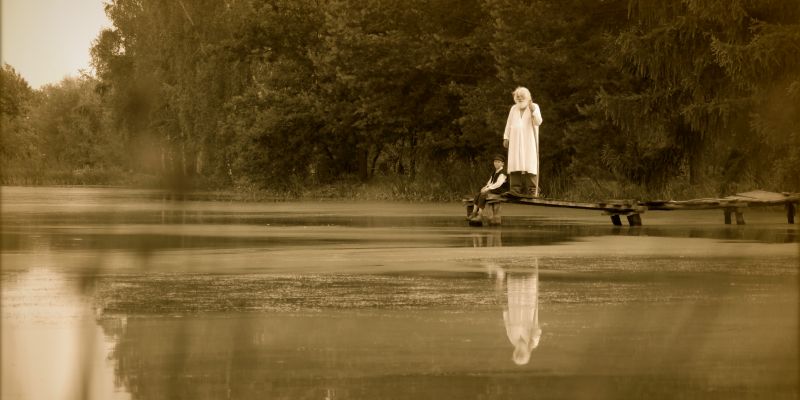
This year saw the very first Wales International Documentary Festival, which ran from 12th-14th May in the valleys of South Wales. Blackwood, to be more specific, north of Cardiff, and the home of the band Manic Street Preachers, the boxer Joe Calzaghe and the Dream Alliance race horse syndicate. They are, in fact, the very reason why the WIDF has found its home here.
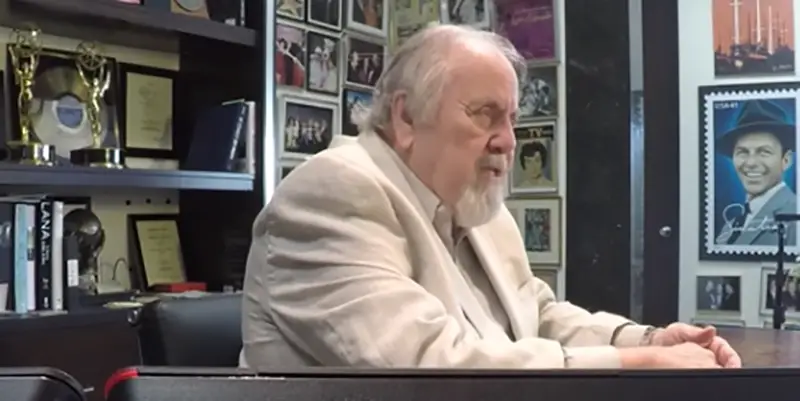
On the surface, what the medical industry should be doing is simple: saving and improving lives. All possibilities should be explored and tested, with the breakthroughs made readily available to anyone who needs it.
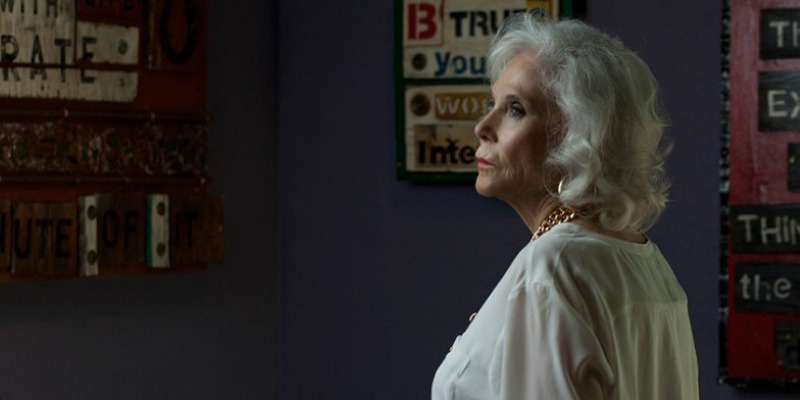
I was on holiday with two of my closest friends last week. Amidst the flow of beer, the puffing of cigarettes and the non-stop giggling, the conversation turned to our grandmothers. We talked about how our grandmothers had grown up in such a different time to ourselves, how we are (as women) afforded things that our grandmothers would never have been.
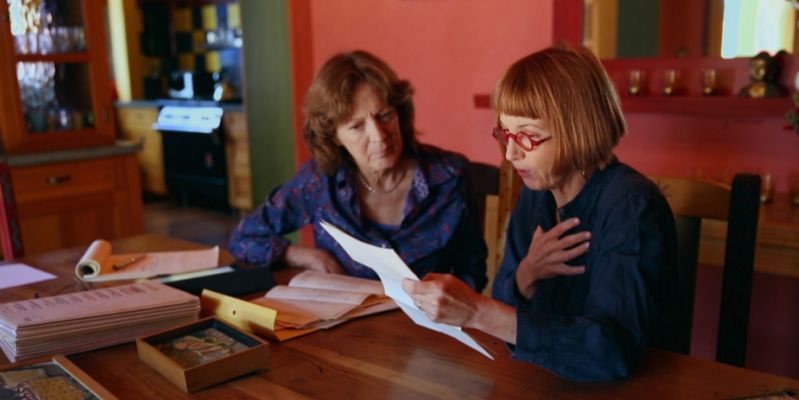
I love a good documentary, more than that I love a good mystery. While documentaries such as The Wolfpack have great stories, it’s the films that delve into the depths of the truth that really shine through for me. Finding Vivian Maier and Carol Morley’s Dreams Of A Life excel at this.
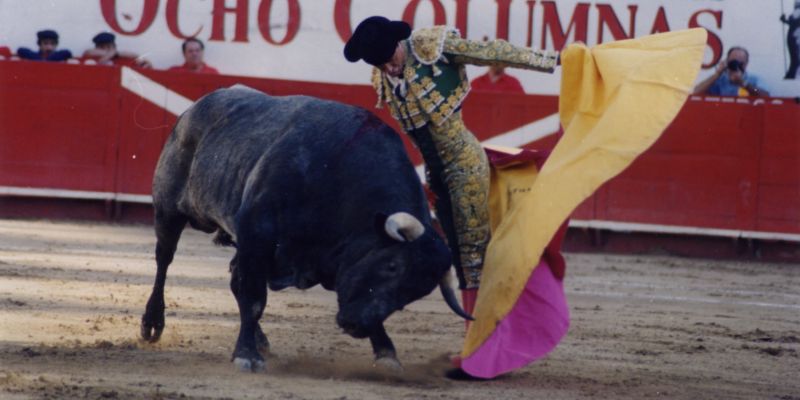
Aside from sports bloopers, a few Hemingway novels and stock footage I don’t know much about bullfighting. Common sense dictates that provoking a bull to charge you to stab it going to be dangerous, and there’s bound to be a daredevil mentality to being a matador. With that rudimentary knowledge, it felt like Gored would provide some insight into bullfighting, the cultural identity of matadors, and the passion of its subject.

Searching For Hell is an international exploration of infernal places around the world, with a loose but entertaining concept of what hell is. In five segments, the audience visits the site of the deepest recorded excavation into the earth in Serbia, the tourist town of Hell, Michigan, a house designed to reconstruct the Buddhist conception of hell according to tenth-century writer Ojoyoshu, the toxic sulphur mines of Indonesia, and the chaotic capital of the Democratic Republic of the Congo. Each vignette has its own style, varying from the carnivalesque to the dialectic to the observational, and the decision to release the documentary online through the Virtual Reality Cinema (VRC) app Cineveo can only add to its dreamlike, haunting quality.
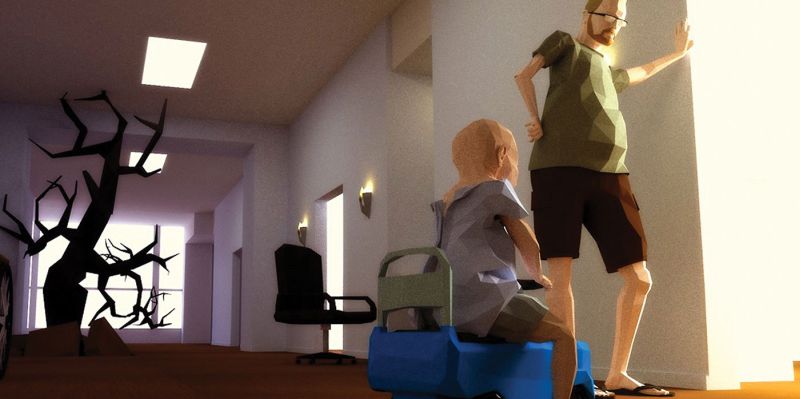
Ryan and Amy are sitting nervously on a sofa in a nondescript room. A doctor addresses them, “Mr and Mrs Green, I’m sorry, it’s not good news”. The doctor continues to tell them that their one year old son’s chemotherapy has not worked.
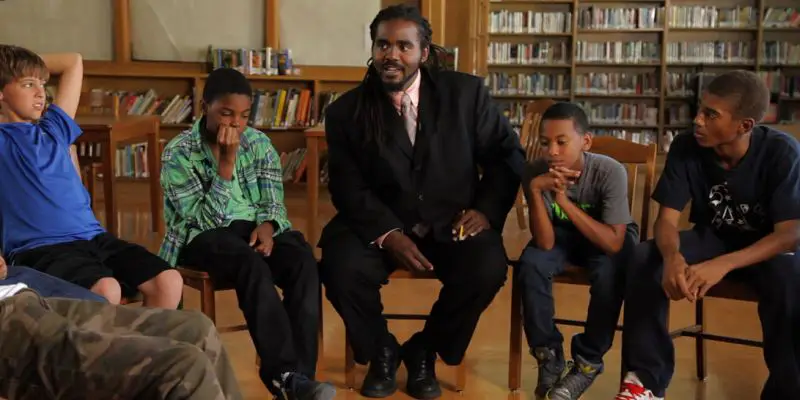
A fatal flaw runs through many conversations about gender issues: they narrowly focus on women. The problem largely stems from comfort, as that is how the battle has been framed for decades.
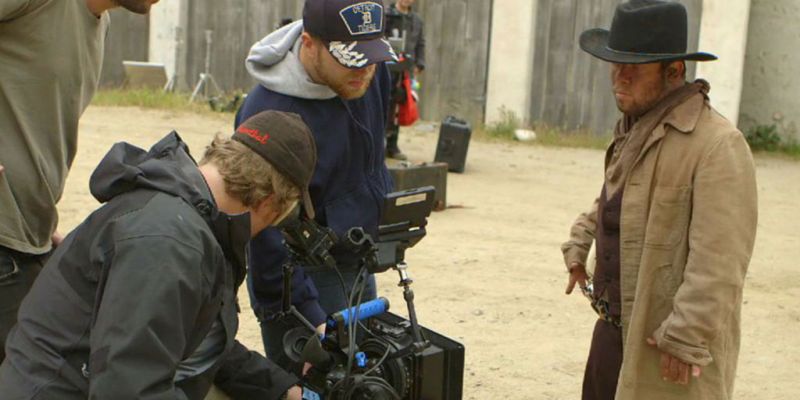
If you’ve ever wondered what inclusive cinema looks like, you should watch Becoming Bulletproof. Michael Barnett’s documentary captures the filming of a Western, called “Bulletproof,” starring performers with different abilities. Among the cast are people who struggle with impediments to speech and mobility, and working with their different needs creates an unique atmosphere behind the scenes.

The old is boring and the new is exciting; right or wrong, that’s just how our brains our wired. So when something is in danger of becoming not just old but extinct, it’s only natural that they would seek to extend their longevity by latching onto something new. We could be witnessing an extinction event for one such aging institution, the daily newspaper.
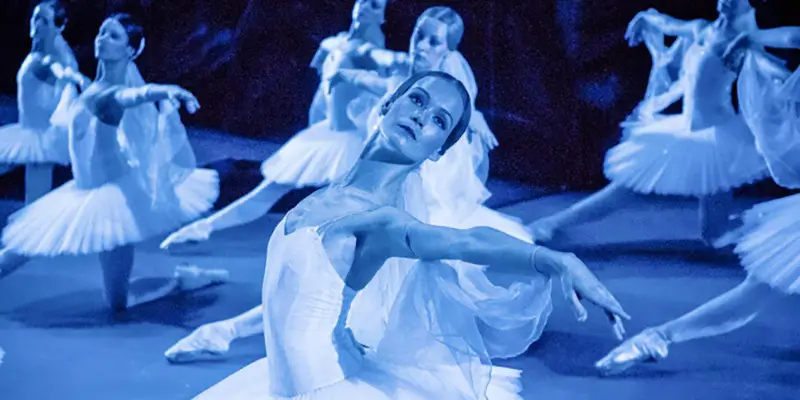
Back in 2013, a prestigious ballet director from the Bolshoi Theater named Sergei Filin was attacked outside his house, and acid was thrown into his face. He suffered third degree burns all over his face and down his neck and was left blind in one eye. After an investigation, it was discovered that a dancer of the Bolshoi paid the perpetrator; the motive was in reference to the casting of Swan Lake in which Filin was responsible.
The world is a terrifying place. Its machinations are convoluted constructions managed by a mixture of public servants or private business people whom we would like to assume have the public’s best interests at heart, but whose true motives are more dubious and difficult to discern. Oftentimes financial imperatives outweigh common sense, and the result is disaster on a massive scale.
Long maligned no matter the medium, the short film is often seen merely as a launching pad for bigger and better things. However, for documentarians, the short is almost the primary form, as it takes a lot of time, funding and quality footage to come up with a feature-length documentary worthy of release. Thus, for documentary, the short is the rule rather than the exception, and the field is stacked with quality, potent films, more or less unhampered by typical commercial expectations.