

documentary

As bubbles fill the air surrounding world famous Red Square, and a young girl is seen relishing in their creation, one is likely to be filled with memories of their own bubble-oriented experiences of a normal, fondly recalled childhood, and imprint said associations onto the scene before them. They would then immediately be rebuked for their premature assumptions, as we travel back with the child to her home, and it is revealed not to be a house, apartment, or even a tent on the street, but a shack built in the heart of a garbage dump. “I’m alive, I cant simply die and go away.

A Syrian Love Story is the latest investigative documentary from award winning filmmaker-journalist Sean McCallister. Renowned for his hard-hitting documentaries which go further than others dare to, McCallister follows a Syrian family over a 5 year period – through love, separation, prison, war and freedom. Beginning an extra-ordinary journey, activists Raghda and Amer meet in their youth in a Syrian prison, detained for their positions as high profile anti-Assad activists.
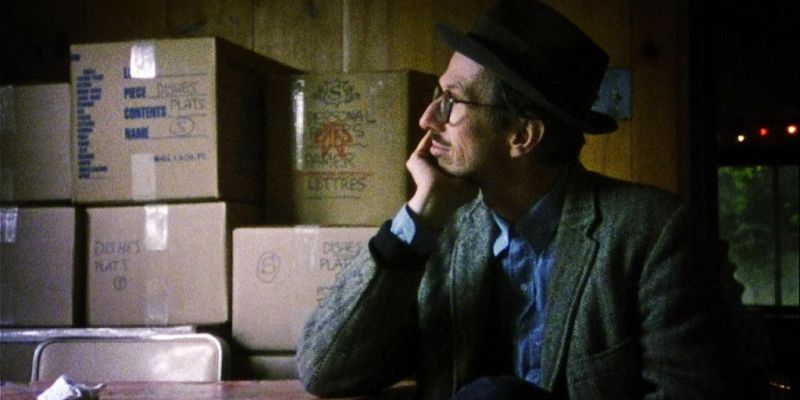
There is a common misconception that documentaries are somehow easier than traditional narrative film making, that all it constitutes is finding something interesting and pointing your camera in that direction. But that is precisely because that is how they are intended to appear. A great documentary is like a great matte painting in a Hollywood feature; it looks completely real and thus its artifice is practically invisible, but it was actually created with extraordinary craft and is the result of a series of artistic choices.
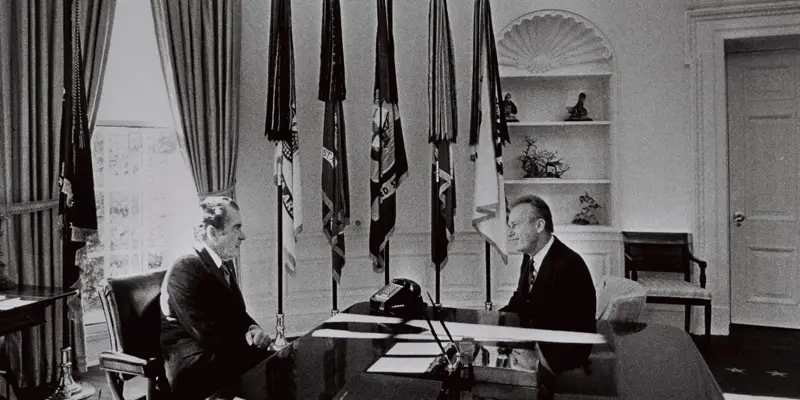
The Israel-Palestine conflict has been an enduring presence in our lives for generations now. Many know little about it, other than that it’s a perpetual and unfortunate situation with little hope for sustained resolution. They are unlikely to add significantly to that knowledge through a viewing of The Prime Ministers Part II:
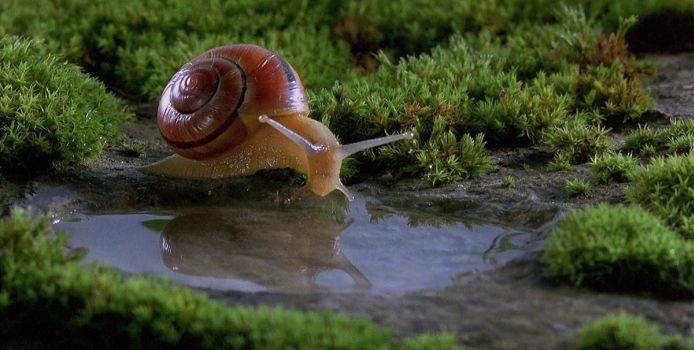
Though documentaries have been around as long as cinema itself, it is only within the past decade or so that they have started to really gain widespread acceptance. Traditionally marginalized as “academic” or “high-brow” filmmaking, the humble documentary has found a home in an age where authenticity and accessibility have grown to be core cultural values. Also, a core cultural value in this modern age are lists:
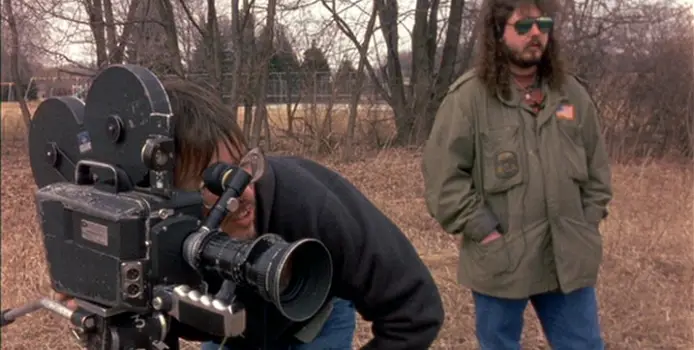
Over at our official Facebook page , we are currently posting daily Film Recommendations, with each week being a different theme. This is a collection of those recommendations! Last week’s theme is Film-Related Documentaries, films which highlight the utter chaos and hard work which goes behind all the movies we love.

Unfortunately, in March of this year, we lost the great documentary film-maker Albert Maysles. With his brother David (who died in 1988), they made some quite important and influential documentaries such as Grey Gardens, Salesman and Gimme Shelter. Their style was using direct cinema; following a subject and shooting a ton of footage without any agenda or plotline planned and creating a documentary in post production.
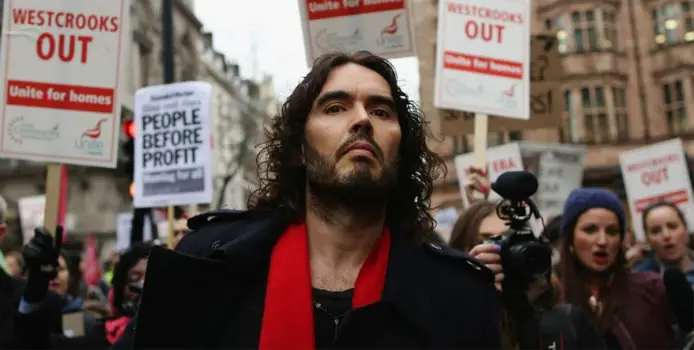
It’s 12:15AM. The once frantic New Year’s Eve party is well on the decline, most party-goers have ventured off, some have passed out or are making out and several lively people remain.
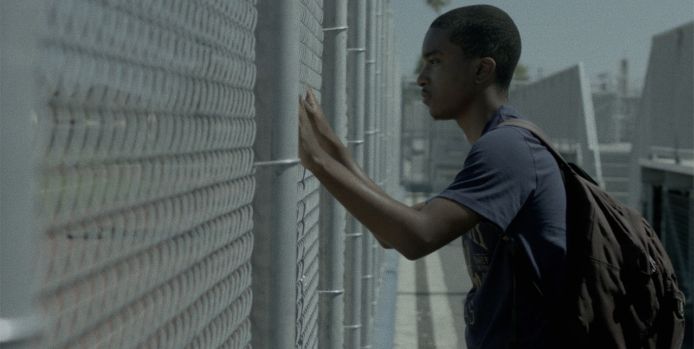
Terrance is a documentary short made by Joris Debeij and forms part of a series of films (I Am Los Angeles) that focus on the stories of people who live in Los Angeles. Terrance documents the life of the young black teenager, Terrance Thompson, his losses, and his resulting depression. All things going to plan, Terrance Thompson will have graduated high school by the time you read this review.

Asif Kapadia isn’t the documentary filmmaker of our times, but he is one of the most timely. In the digital age where all information is online, he manages to make movies comprised almost entirely of footage that can be found on YouTube and somehow turn them into major events in documentary cinema. Since his (ever so slightly overrated) 2011 effort Senna, his style as a documentarian has stubbornly refused to change, yet the way he manipulates archive footage to create something new and horrifying is unparalleled, even if it frequently favours emotional manipulation over creating a deeper look at the self-destructive life of subject Amy Winehouse.
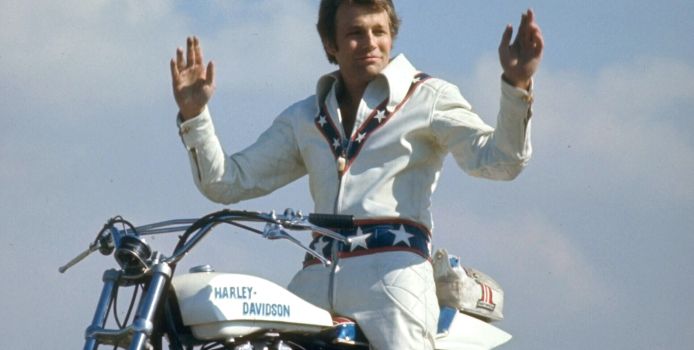
Initially, it seems that I Am Evel Knievel competently weaves archival footage with a range of talking heads. However, the documentary goes to great lengths to embellish a very unlikeable man and omits some of his life’s failings, making it an inferior production to the BBC’s Richard Hammond Meets Evel Knievel, which also has the advantage of featuring the man himself shortly before he died on November 30th 2007. During the 1970s, Evel Knievel was one of the most famous names in America and the world.
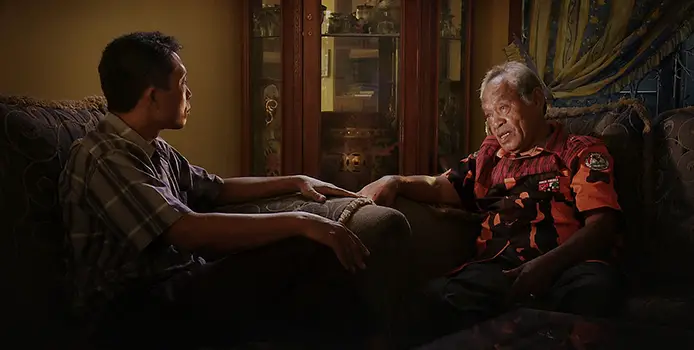
Ignorance truly is bliss. Before watching Joshua Oppenheimer’s harrowing 2012 documentary The Act of Killing, I had no knowledge of the 1965-1966 genocide in Indonesia, which was initially intended on purging “communists” from Indonesian society, but resulted in a million innocent people being massacred. That I could have no awareness of the subject could be blamed on western ignorance – upon receiving the BAFTA for best documentary, Oppenheimer claimed that the UK and US were partly responsible for these atrocities to happen due to their insistence on destroying communism at any cost (a statement that was naturally cut out of the TV broadcast).

This April, Cobain: Montage of Heck, the new rock doc by Brett Morgen, was released into the world. I was a little apprehensive because I felt as if all the insight that we would be given into the life of Kurt Cobain had already been exposed.
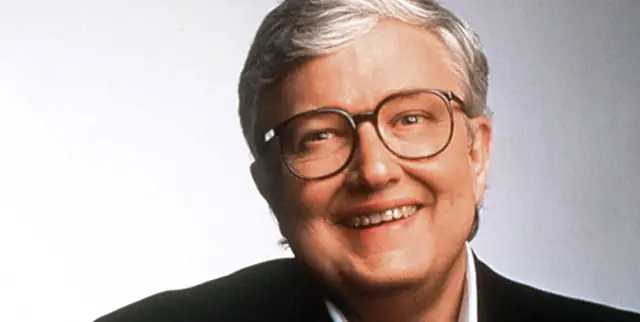
Life Itself is a superlatively crafted documentary that gives a compelling, poignant insight into Roger Ebert, while also delving into the subject of film criticism and its relationships with the film industry. When I want to see a film’s critical reception, I head for Rotten Tomatoes rather than IMDB, because the latter is saturated with fan-boys and uninformed opinion. Rotten Tomatoes introduced me to many different critics who wrote for reputable sources such as The Guardian, The New York Times and The Telegraph, but time and again I was drawn to the small thumbnail image of a white haired, bespectacled man who wrote for the Chicago Sun-Times.

My visit to Auschwitz was more uncanny than overwhelming As a child my eyes used to always glaze over when my father watched what he gleefully called ‘boring black and white documentaries’, it was all he ever put on the television. Despite this, I still had an interest in World War 2, it was the most pivotal moment of the 20th century and so many films have been influenced by the event, however the Vietnam War films of the 70’s and 80’s garnered most of my attention in my early teens. By my late teens however, I found my once average interest burgeoning to the point where I was the one incessantly watching the boring black and white documentaries.