

drama

People like to tout the virtues of ‘unique’ and ‘misunderstood’ independent cinema, but sometimes a film is independent simply because it wasn’t good enough to obtain funding. The problem then is that curious people like me are unwittingly drawn to pretty bad, unknown, independently made films. Well, I’m delighted to say that while Portrait Of A Serial Monogamist is not going to rock your world, it’s better and I would say surprisingly sweeter than the average unknown indie.

At one point in Good Morning Karachi, a fashion photographer is vocal about the contemporary image of Pakistani femininity and culture he believes his photos represent. He claims that his company is the “women’s revolution the country has been waiting for” and that a simple fashion photoshoot can portray a more forward-thinking society to international citizens who portray Pakistan as a bunch of “fundamentalists”. Yet the views about femininity presented by director Sabiha Sumar in Good Morning Karachi are as confused as those presented by a photographer who believes photos of supermodels represents a realistic feminist ideal and aspiration in society.

Naz and Maalik are not your average lead characters. They are gay, Muslim teenagers living a relatively quiet life in Brooklyn. When they aren’t selling lotto tickets and other cheap items on the street for cash, they are discussing college, their religious beliefs, and their relationship, which they largely avoid defining.
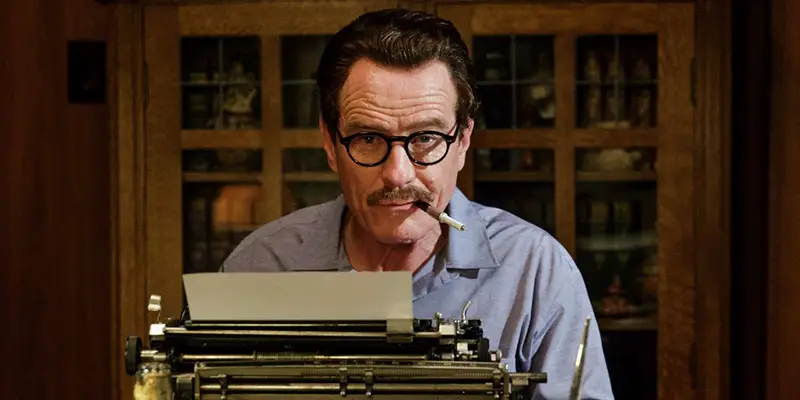
Hollywood and the golden age of film have now all but faded into history, and any glimpse into that world is for that reason a glimpse into history itself. Trumbo is a look at the show business world following the Cold War, when Hollywood started to blacklist people solely due to their political alignments. Starring the very talented Bryan Cranston as the titular character, the film is not only a successful character study and biopic, it is also an engaging and entertaining glimpse at a very dark time in Hollywood’s history.

When a writer/director makes a film set in a country foreign to them, it is clear to local audiences that this is an outsider’s view of their nation and their culture. There’s a reason Lost in Translation is derided in Japan and Match Point is met with sheer indifference in the UK. It becomes alienating to see your country through the eyes of somebody who hasn’t spent the majority of their life there, especially when the film is a work of social realism made by somebody with merely a second-hand knowledge of the realities of life there.

The Falling, the first drama feature by critically acclaimed director Carol Morley, went largely unnoticed on its general release. Despite collecting high praise from the critics, and starring Game of Thrones’ Maisie Williams in the lead role, The Falling was almost a blink-and-you-miss-it situation. This seems absolutely tragic, as I would have no reservations in rating it as my favourite film of 2015.

To successfully make a genre hybrid that satisfies the needs of both genres is one of the most difficult accomplishments in modern mainstream cinema – something made even more difficult when the genres being mashed-up together couldn’t be in a sharper contrast. There is no sharp contrast between the elements to The Keeping Room, director Daniel Barber’s attempt at a feminist revision of Sam Peckinpah’s tales of masculinity in crisis in the old West. A Peckinpah homage that pales in comparison to its influence Essentially, The Keeping Room is a hybrid between the classical Western and the home invasion thriller, with fantasias of violence depicted in a gruesome and shockingly heartless way that would have made the old master proud.

Even though he has recently made a switch from being a controversially quirky indie darling to a critically adored awards favourite, David O. Russell’s storytelling obsessions have always been the same. He has always been drawn to stories about dysfunctional families and the things that either drive them apart, or bind them closer together, varying from extreme to extreme.
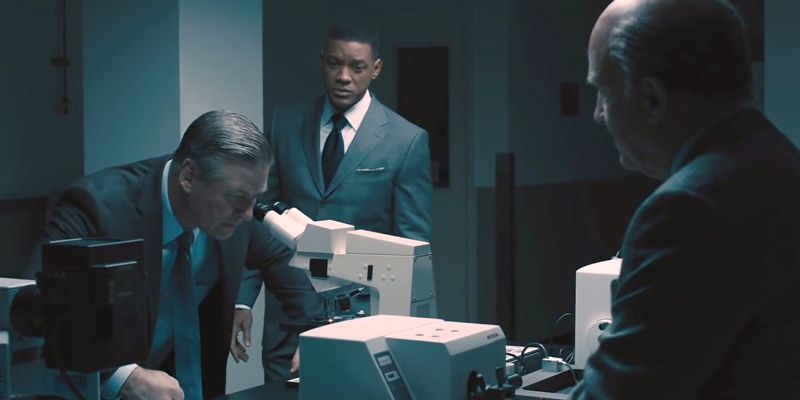
Concussion does to the sports film what I was sincerely hoping it would avoid: it dramatizes its subject in such an unbelievable way that it becomes nothing more than mindless propaganda. Dealing with the true subject of brain injuries within retired NFL players, the film simply floats from one cliché to the next, which left me feeling almost dazed after it had finished.

Let’s be honest, how well do you really know your own finances? Do you keep a budget, evaluate it regularly, and monitor your bank accounts, debt, and investments? Remember, I asked for honesty.

Frank Sinatra, whose 100th birthday would have been this December, was one of the great entertainers of the 20th century. He had an exceptional voice that made him perhaps the most influential vocalist in history, but Sinatra doesn’t sing a note in his best movie, the Cold War thriller The Manchurian Candidate (1962). This deft political drama, which wouldn’t have been made without Sinatra’s intervention, uncannily predicts many of the tumultuous events of the 1960s and beyond.

After bugging my colleagues with discussion on Woody Allen films maybe one time too many, it was suggested that I write his Beginner’s Guide. Surprisingly, the thought hadn’t occurred to me, but I’m very excited to present my guide for you here now. I’ve gone a slightly different approach than usual because of the sheer amount of films the man has made in his still-continuing career, so it’s broken up into segments rather than a few films you should watch to get you started.
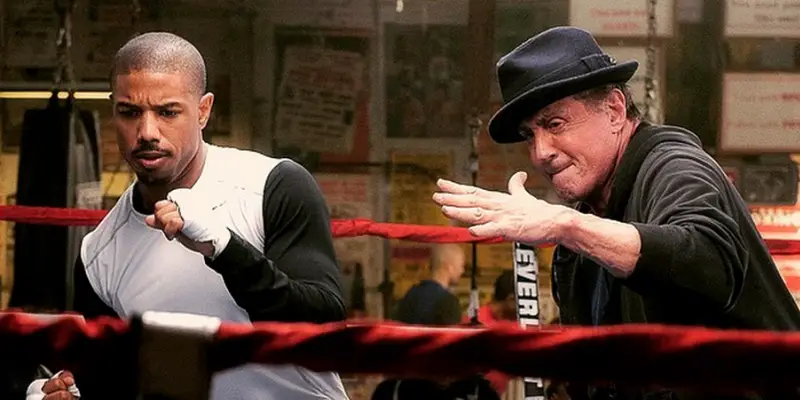
What a relief Creed is. With a current cinematic landscape dominated by remakes, reboots and sequels, the initial idea of Creed just sounded so unnecessary. A pseudo-combination of a Rocky reboot that is a sequel whilst also working as a remake just felt like something we really didn’t need.

One of the hardest things to decide when reviewing a film is if the intentions behind the production feel genuine. One aspect that always arises during the Oscar/Award periods is actors doing roles or movies being made purely for “Oscar bait”. The idea of making a movie purely for the sake of gaining awards attention is somewhat cynical, but the transparency of movie production nowadays makes this something that sadly may have some truth behind it.
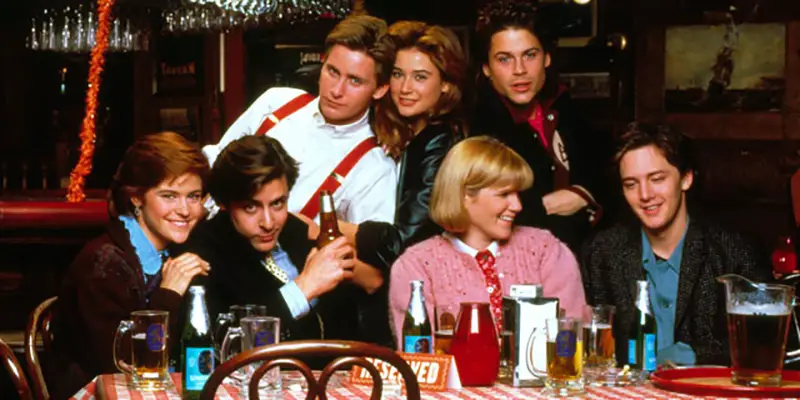
No movie gives an aura of eighties nostalgia better than St.Elmo’s Fire. The Joel Schumacher directed film is somewhat of an underappreciated ‘masterpiece’.