

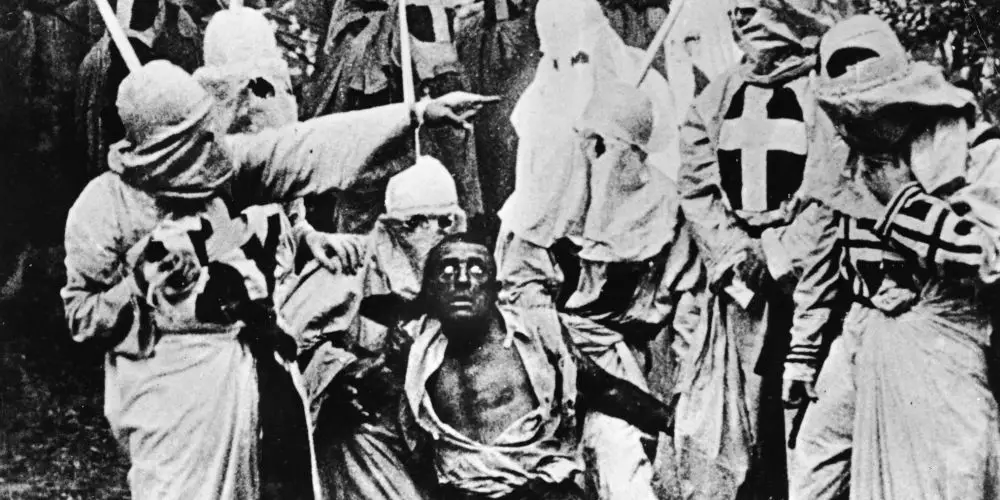
Ava DuVernay returns to the documentary format with 13th, a look at the amendment of the United States Constitution that simultaneously abolished slavery and established a loophole for denying rights to targeted groups. The troubling wording in the amendment has to do with convicted criminals, who are the only people exempt from the abolishment of slavery and involuntary servitude. That exemption, while small at the time, has snowballed into a huge issue thanks to America’s system of mass incarceration.
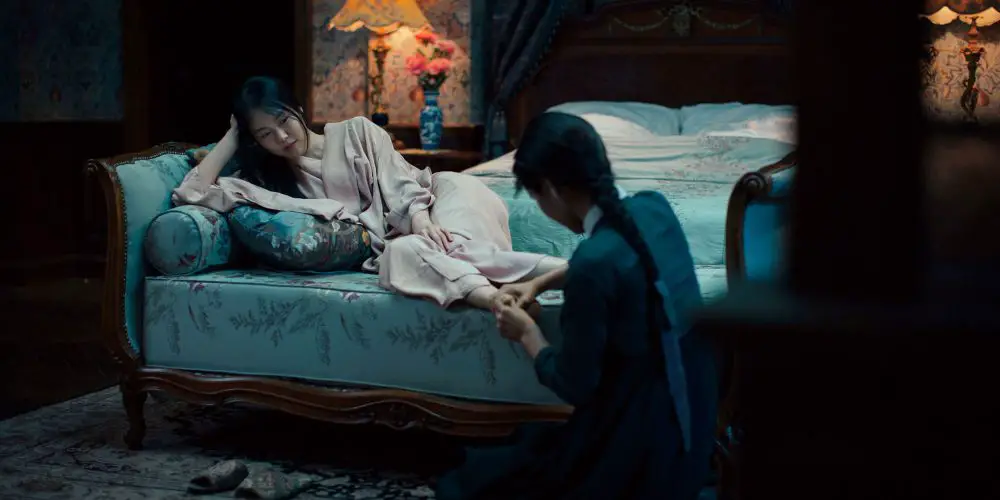
Every Tuesday, Film Inquiry compiles a list of the movies that are opening in cinemas. Opening this week: Max Steel, The Accountant, Kevin Hart:

As readers may or may not know, I took a break from writing these past few months as I was running my first ever film festival. The Drunken Film Fest (DFF) had its inaugural year in Bradford, England this past summer and it was pretty successful for a first year free film festival, if I do say so myself. However, my background when it comes to festivals is not in running them, but rather in trying to get accepted to them.

Bleak thrillers that satirize the modern nuclear family seem to be increasing in popularity in recent years. The most prominent example would obviously be Gone Girl, based on Gillian Flynn’s novel of the same name and directed by David Fincher. The latest film that could classify within this subgenre is The Girl on the Train, which contains many similar elements to Gone Girl, including a mysterious disappearance of a woman, which the film’s events revolve around.
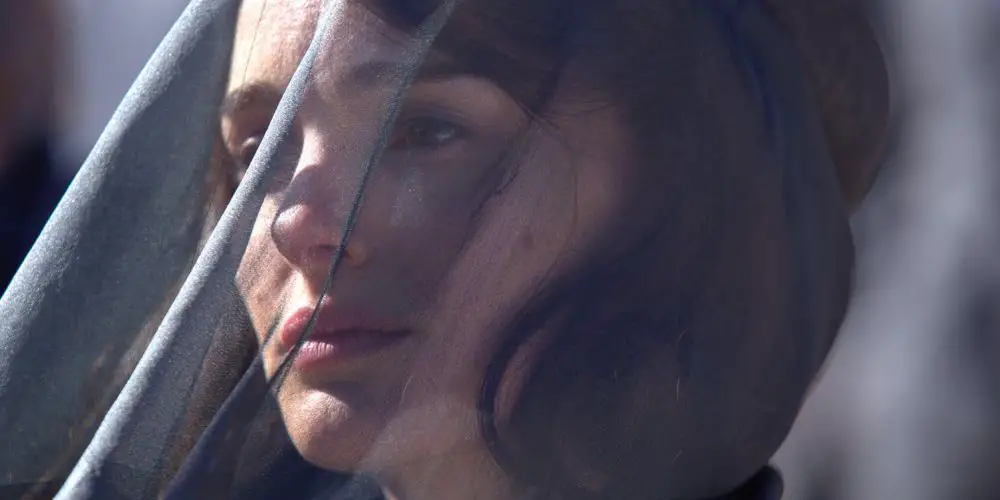
The first televised presidential debate in America took place in 1960, pitting the tanned and dapper John F. Kennedy against the sallow and literally sick Richard Nixon. It was a tumultuous time for the country, with each candidate taking tough questions ranging from the cold war to civil rights issues.

It now appears to be a given that every few years, Woody Allen produces a film hailed by critics as a “return to form”. In keeping with relatively recent late period offerings such as Blue Jasmine, Midnight in Paris and Vicky Cristina Barcelona, Café Society has also been afforded that accolade. Is this lazy journalism or a concise way of communicating that he has again crafted a film that bears the hallmarks of this aging auteur’s better judgement?
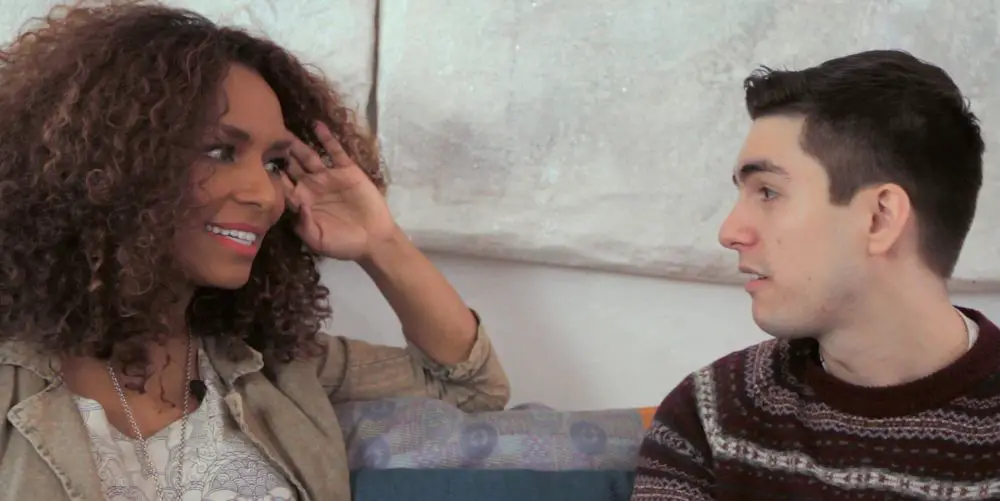
Coming Out is the personal story of young filmmaker Alden Peters. The film follows his coming out process as he tells his parents, friends and siblings how he has repressed his sexuality for a number of years. In using a homemade video style of filming, Coming Out gives us an insight into not only Peters’ journey but into his mindset as he starts to immerse himself into the 2016 LGBTQ lifestyle.

Hollywood seems to be stuck in an age of remakes and sequels. Though original films do exist, they are never as popular or successful as the large-scale blockbusters, which are the only sure moneymakers for studios. Coming from this standpoint, it’s no surprise that Antoine Fuqua’s The Magnificent Seven exists.
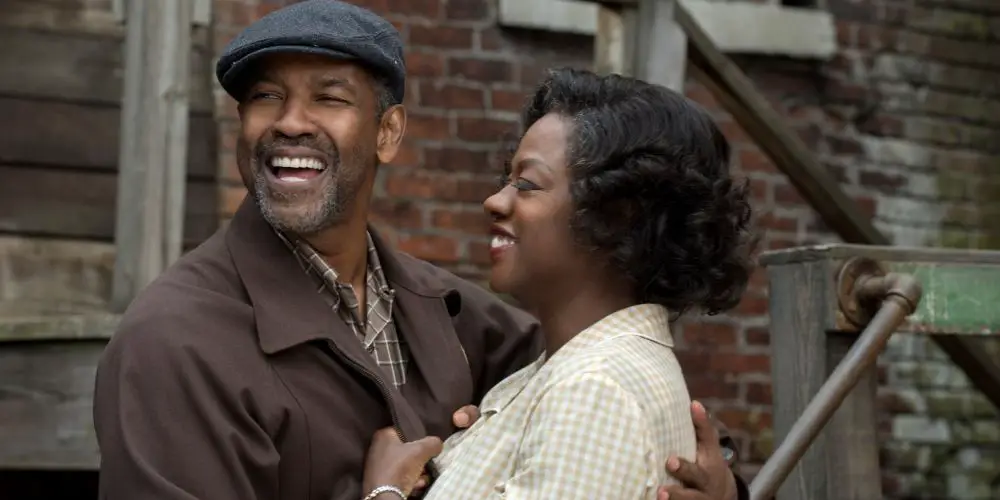
Talk about a project with some serious credentials. Having Denzel Washington and Viola Davis involved is enough to get most people hyped for a substantial drama, but Fences comes with much more behind it. The film is based on the play of the same name by August Wilson, which in the ‘80s had James Earl Jones in the lead, won a slew of Tony Awards, and landed Wilson his first Pulitzer Prize for Drama.

Advertising is one of the driving forces alongside film that is keeping cinemas alive. I analysed how general advertisements are being handled within cinemas in an earlier article titled “Cinematic Advertisements: Forgotten Potential?
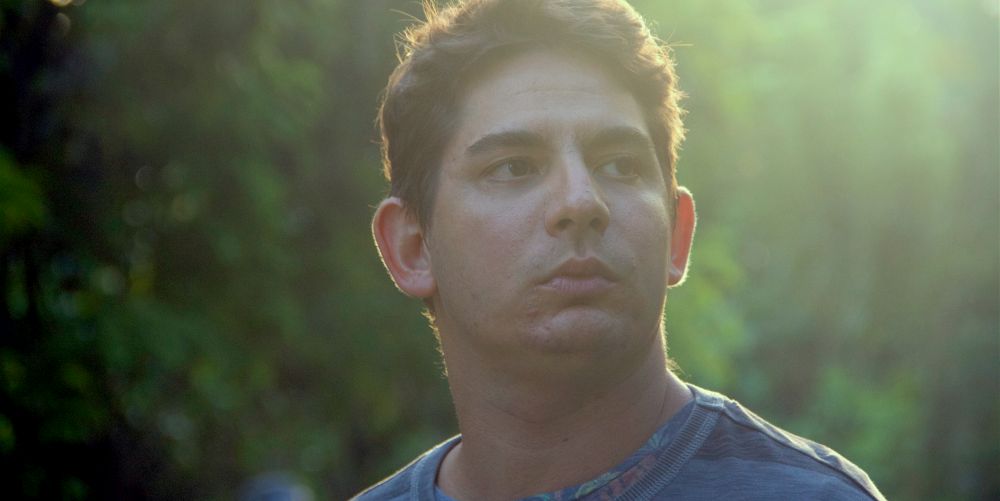
Recently, I spoke with filmmaker Phil Giordano. Originally from Staten Island, New York, he elected to take the NYU’s Directing Program in Singapore, which is where he lives today. In 2010 he released the controversial short film The Empty Playgound, about a man struggling with inner-demons who tries to abduct a young girl from a playground.
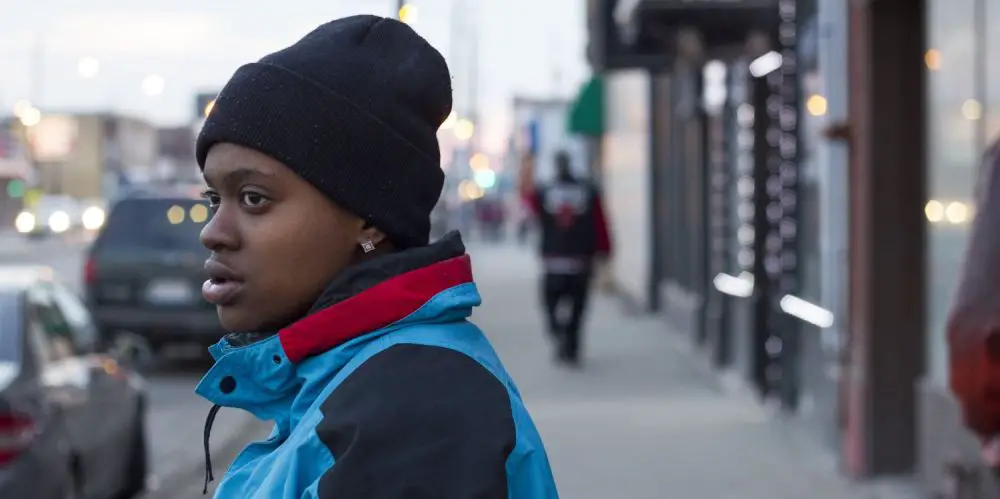
The sincerity of The Homestretch is certainly never in doubt. Depicting the plight of three homeless teens in Chicago, Anne de Mare and Kirsten Kelly’s documentary interweaves the personal stories with various facts and statistics highlighting the widespread nature of the issue. Unfortunately, despite its pure intentions, The Homestretch never really manages to succeed to be truly engaging, regardless of the clear warmth of the three featured youths.

In the world of movies, you should never go home. It rarely goes well, and even if you do attain some measure of pathos, it comes at great cost. Jack doesn’t have much choice in Jack Goes Home; you have to attend your father’s funeral, but if your mother is horror fixture Lin Shaye, you should really know better.
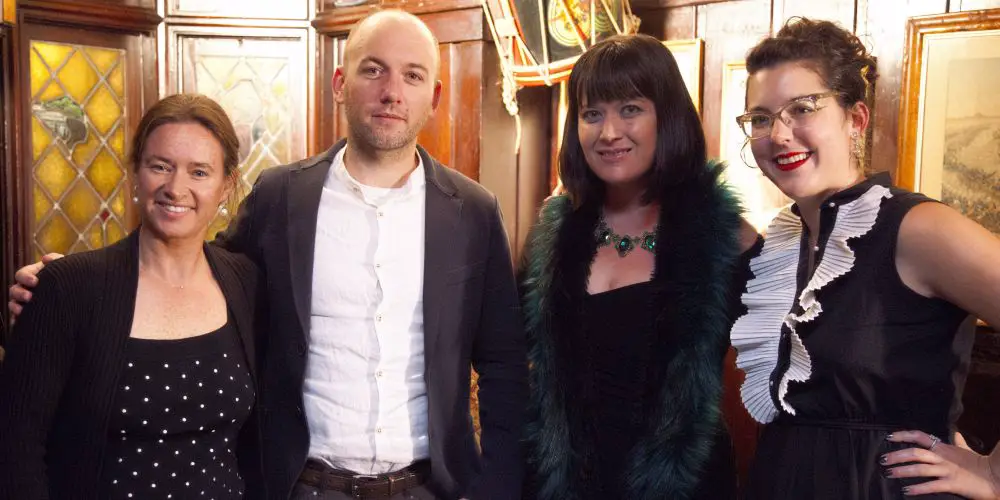
Dinner with Dames Case File Who: Simon Barrett, writer of Blair Witch and The Guest, & Cinefemme board and volunteers – Michele Blackwell, Kimby Caplan, Lagueria Davis, Rory Gory, Heidi Honeycutt, Michelle Kantor, and myself, Jenna Payne What: Dinner 1.
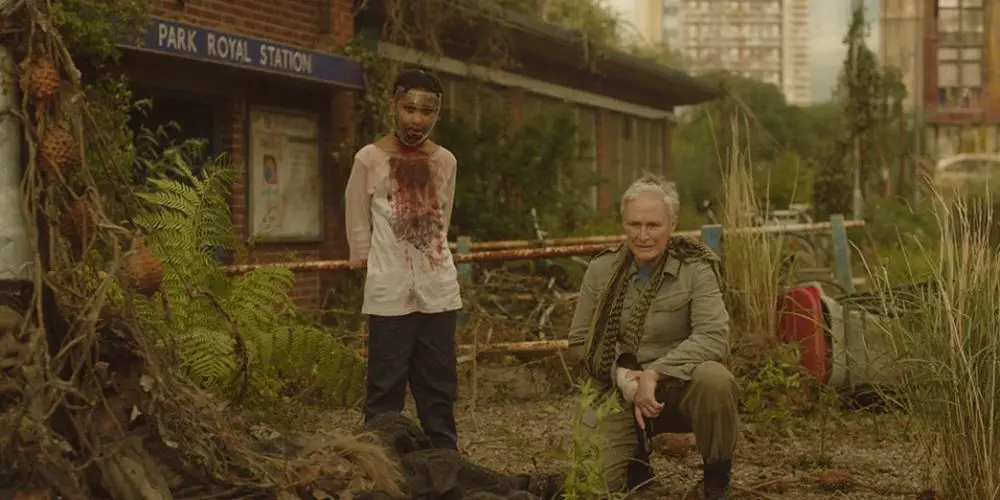
It is easy to see how The Girl With All The Gifts could have been toned down and transformed into a generic YA movie in its cinematic adaptation. In the 2014 best-selling novel, the story is told from the point of view of all five central character. Here, director Colm McCarthy focuses on the titular tween character Melanie, exploring this plague-ravaged world from her point of view.