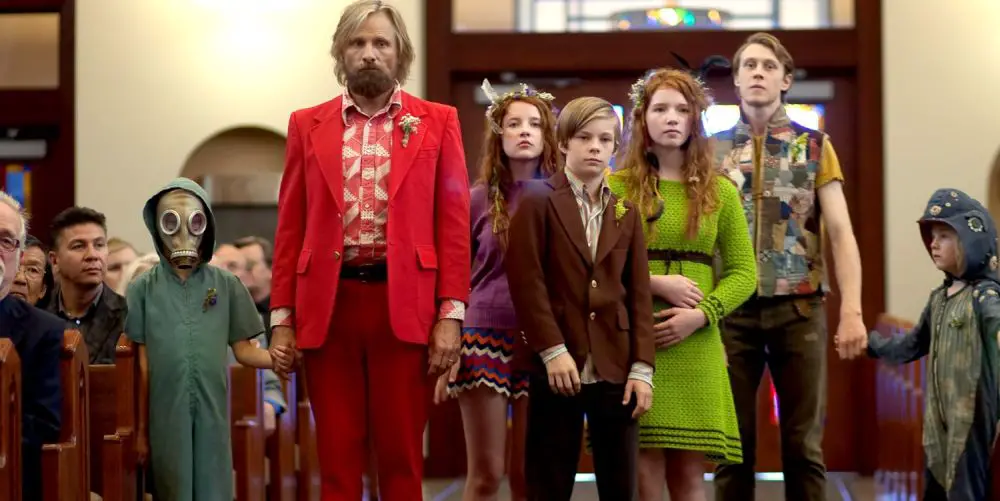
To title your film with the superlative ‘Fantastic’ is playing with fire. Firstly, in this age of Marvel’s silver screen domination and DC’s valiant attempts to catch up, it would be understandable for any jaded cinema-goer to skip this one, expecting another facile, spandex-clad superhero epic; secondly, if it fails the headlines write themselves, and every movie critic worth their salt would crowbar in a reference to the irony of the film’s title. Luckily, Matt Ross’ sophomore effort Captain Fantastic, following 2012’s 28 Hotel Rooms, will have few critics drawing knives, and anyone eagerly searching for an antithesis to the recent barrage of superhero blockbusters in cinemas will be satisfied, if not delighted, when the credits roll.
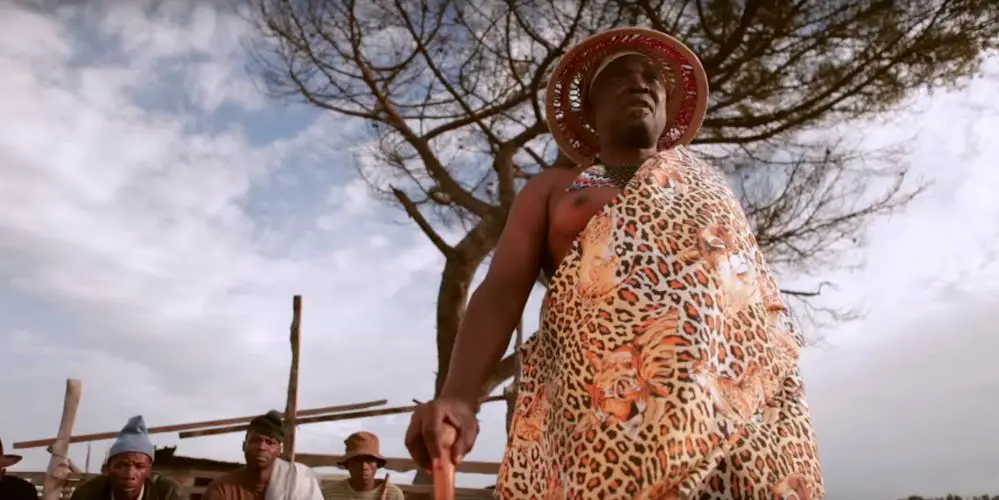
With the #ShortFilmADay challenge, Film Inquiry promotes the watching of short films, and supports indie film and filmmakers! It’s never to late to join! Find more information about the challenge here.
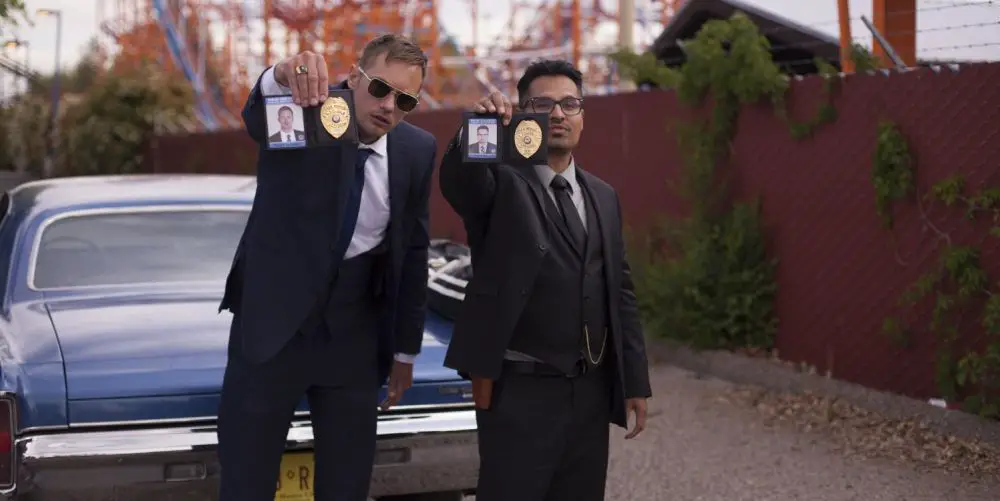
Prepare yourself for another round of bad boy cops in War on Everyone, the latest from writer/director John Michael McDonagh. While sticking to his earned reputation for sharp-witted and thoroughly inappropriate humor, McDonagh takes a few steps away from his normal setup in his third outing. Gone is Brendan Gleeson and the familiar Irish setting, instead taking advantage of American police’s battered reputation as loose cannons with badges.
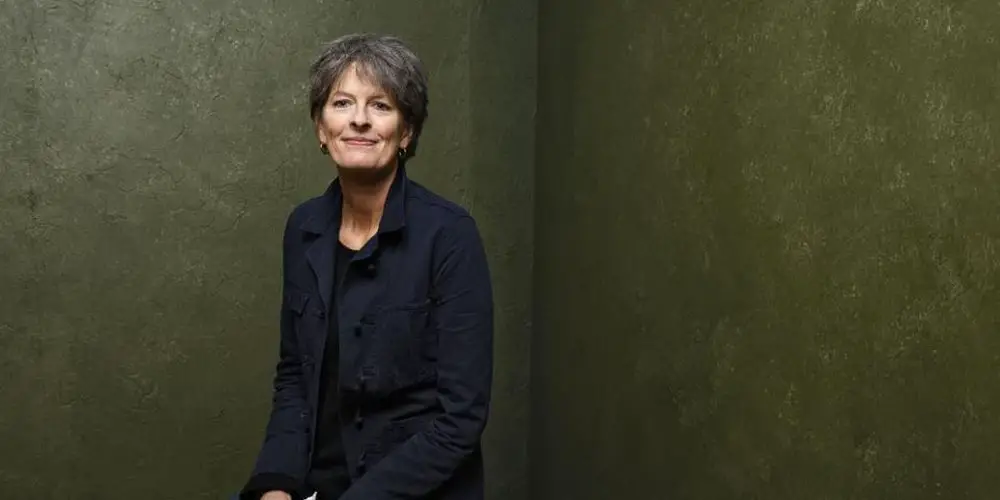
You won’t find out much about Louise Osmond if you look online. She is an Oxford history graduate who joined ITN as a news journalism trainee, and that’s all I or probably any other writer could know about her. But the personal details are irrelevant in the face of such a sturdy, and increasingly successful career as a documentary maker.
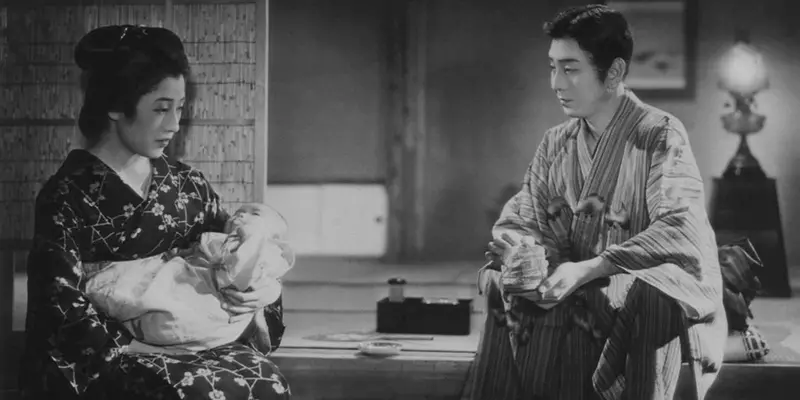
Kenji Mizoguchi’s The Story of the Last Chrysanthemum follows Kikunosuke and Otoku, a young couple in late 19th Century Japan. Kikunosuke is the adopted son of a famous kabuki house, and an emerging kabuki actor; Otoku is one of his family’s servants. Most people, including his adopted father, think Kikunosuke is no good as an actor, but they only criticize him behind his back.
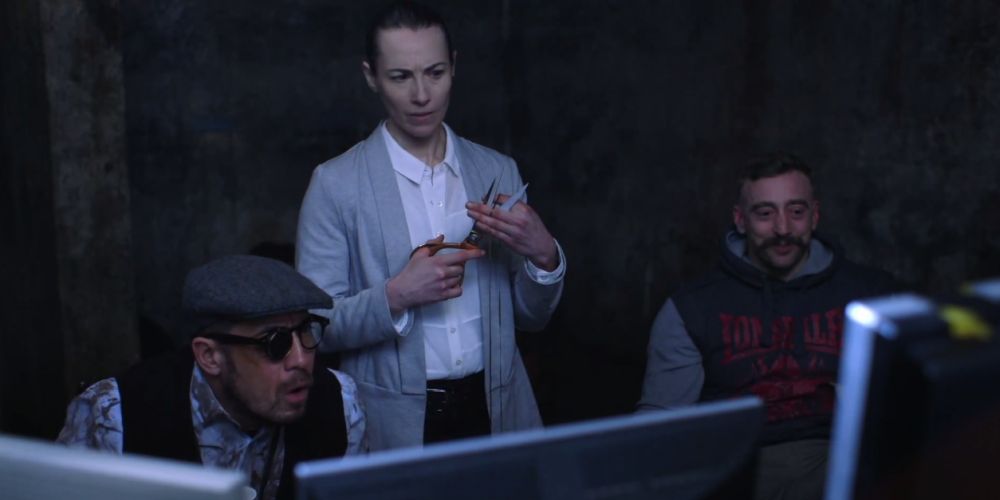
With the #ShortFilmADay challenge, Film Inquiry promotes the watching of short films, and supports indie film and filmmakers! It’s never to late to join! Find more information about the challenge here.
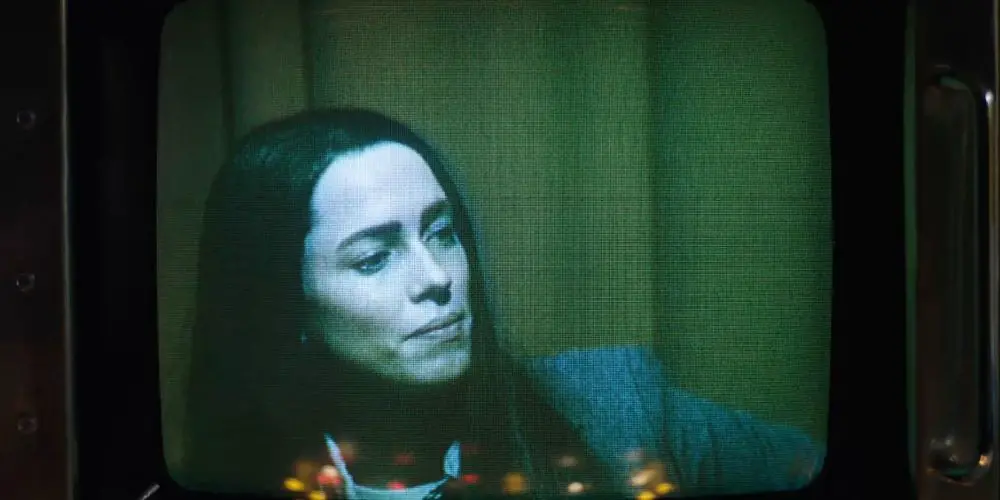
As has happened many times before, Christine will be released on the heels of a frightfully similar movie. Both this biopic and the documentary Kate Plays Christine, released earlier this summer, are based on the life of newscaster Christine Chubbuck, who committed suicide live on-air in 1974. While the case has faded from widespread public knowledge, it exists on the fringe thanks to various websites and videos dedicated to the most shocking televised events in history.
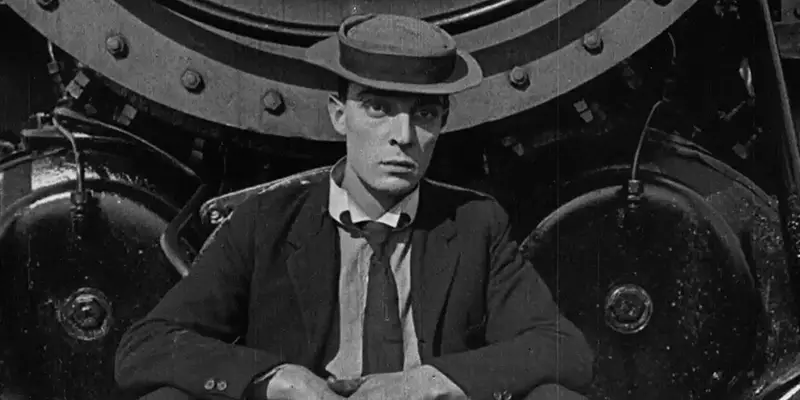
When I was younger and just starting to get into classic film, I found a copy of The General at a local DVD store. Watching it later, I still remember the exact moment when I was captivated by Buster Keaton’s unique charm and screen presence. In the film’s first extended action sequence, Keaton is chasing after a troupe of Union soldiers who had infiltrated and stolen his train, and in a series of fast-paced, whirring motions, he narrowly escapes one mishap after another.
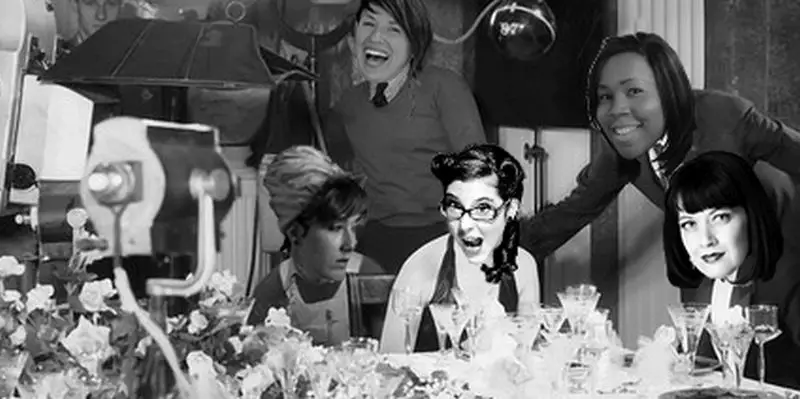
On Thursday, September 22, Blair Witch writer Simon Barrett is hosting the very first Dinner With Dames (DWD). Organised by Jenna Payne in collaboration with Cinefemme, it’s an opportunity for a group of up-and-coming women filmmakers to enter a dialogue about diversity issues and obstacles women face in the entertainment industry, while enjoying a meal. High level industry players are invited to every dinner, in an attempt to break down the barriers of access, help demolish the myths about female filmmakers and to promote more conscious hiring practices in Hollywood.
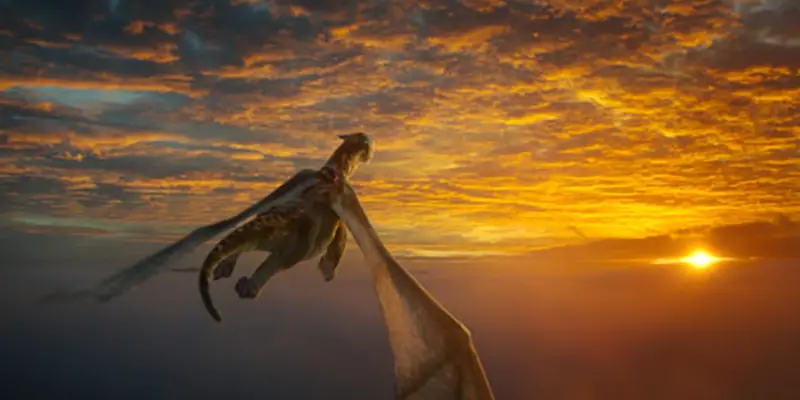
If you’ve ever wondered why fantasy has always been a popular genre in fiction, it might help knowing that all fiction is a form of fantasy, and that stories are a type of self-preservation. Take Martin Scorsese’s wildly entertaining and greatly underappreciated Shutter Island, in which the main character, Teddy, is on a mission to prove he is innocent, only for the truth to reveal that he is anything but. As Teddy becomes fully aware, he finds out that he has created an elaborate fantasy, a hyper-fiction as a ruse to shield himself from the harsh reality.
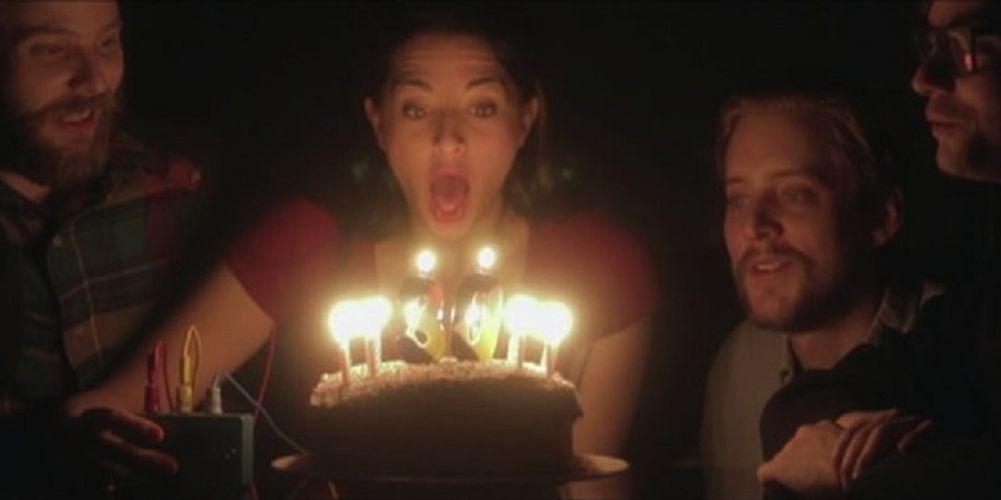
With the #ShortFilmADay challenge, Film Inquiry promotes the watching of short films, and supports indie film and filmmakers! It’s never to late to join! Find more information about the challenge here.
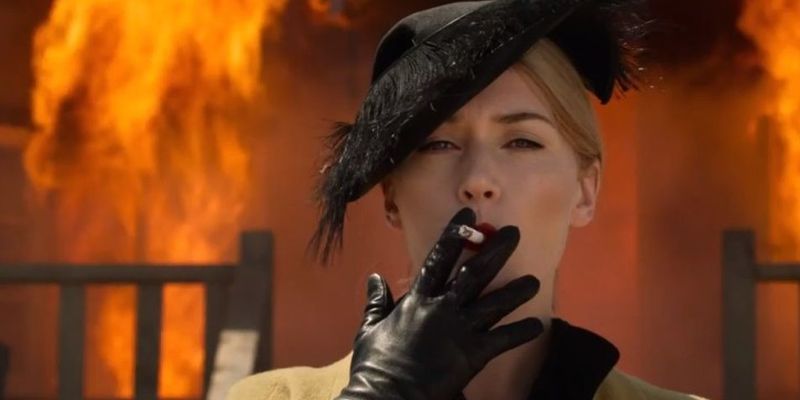
Every Tuesday, Film Inquiry compiles a list of the movies that are opening in cinemas. Opening this week are The Magnificent Seven, Queen Of Katwe, The Dressmaker, Girl Asleep, Closet Monster, Storks, Beauty and The Beast, Dirty 30, I.T.
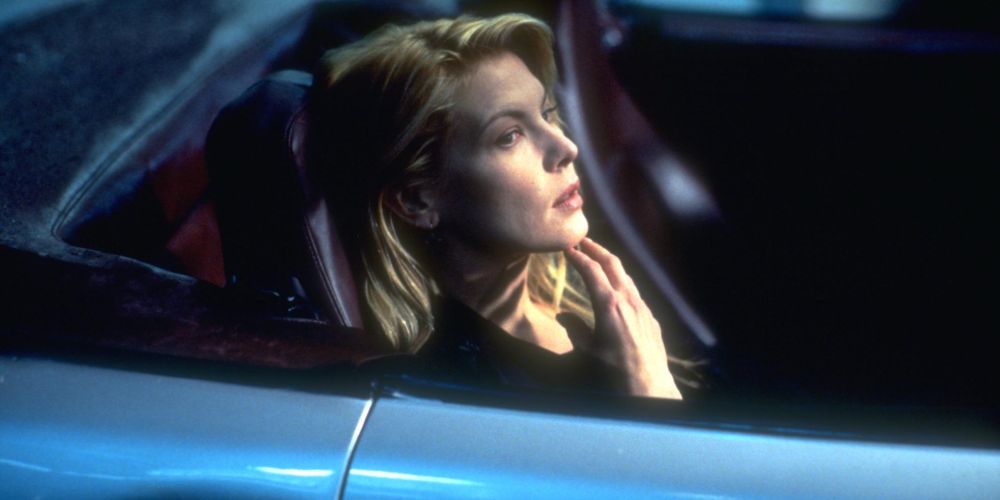
A novel is a single voice from a single point of view. A movie is a mix of art and business with hundreds of people from carpenters and actors to camera operators and art directors contributing to the big screen adaptation. Is it fair to compare a novel to its movie counterpart?
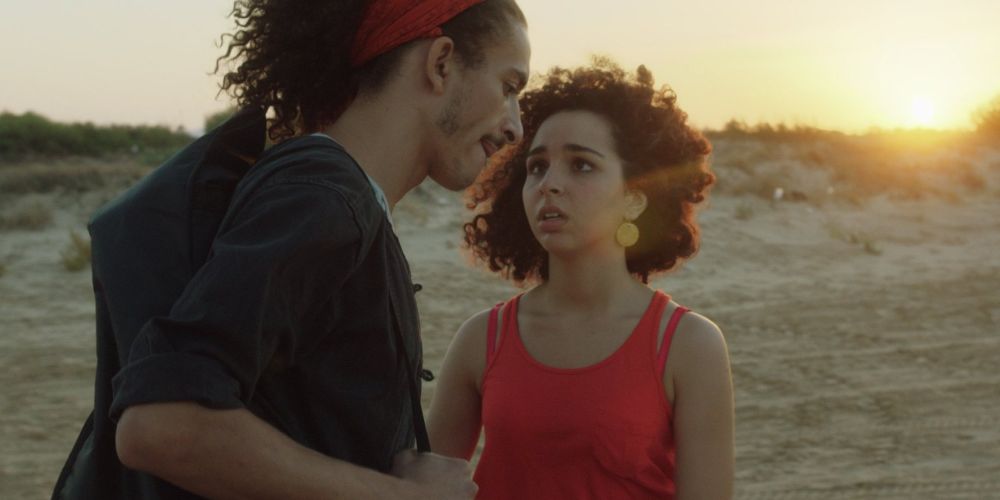
Leyla Bouzid’s French-Tunisian drama goes above and beyond the traditional coming of age story, using one girl’s journey to adulthood to explore politics, revolution and state sanctioned violence. As I Open My Eyes, gaining international attention for its portrayal of the Arab Spring, seeks to tackle such a prominent and life altering event through the eyes of its young protagonist: Farah.
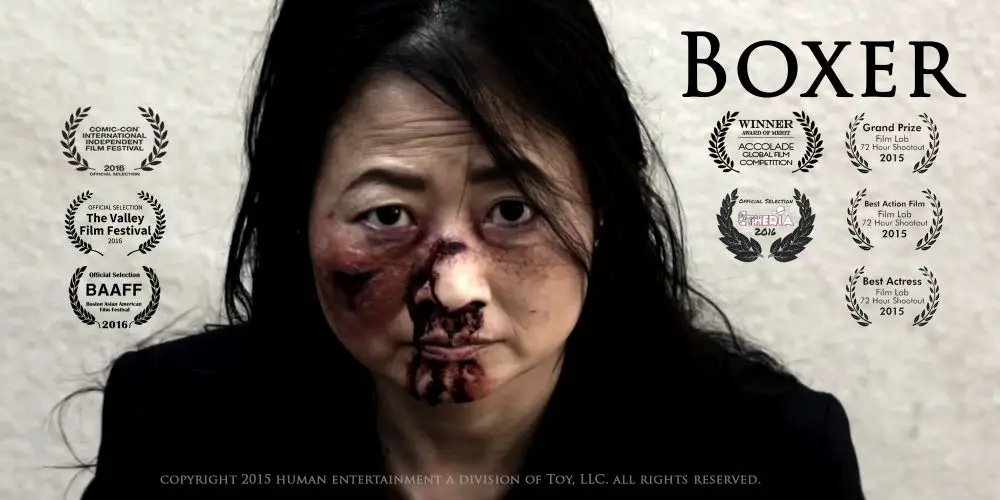
With the #ShortFilmADay challenge, Film Inquiry promotes the watching of short films, and supports indie film and filmmakers! It’s never to late to join! Find more information about the challenge here.