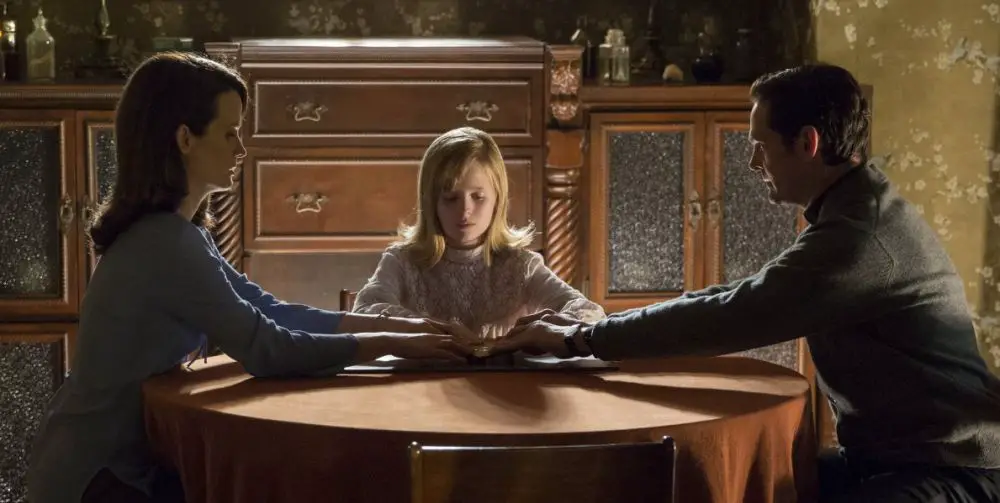
The original Ouija is the kind of movie that pisses off cinephiles far more than the average moviegoer. It was competently made schlock, a paint by numbers horror film that never took a single chance. If it had faded into obscurity, then none of us would say anything about it.
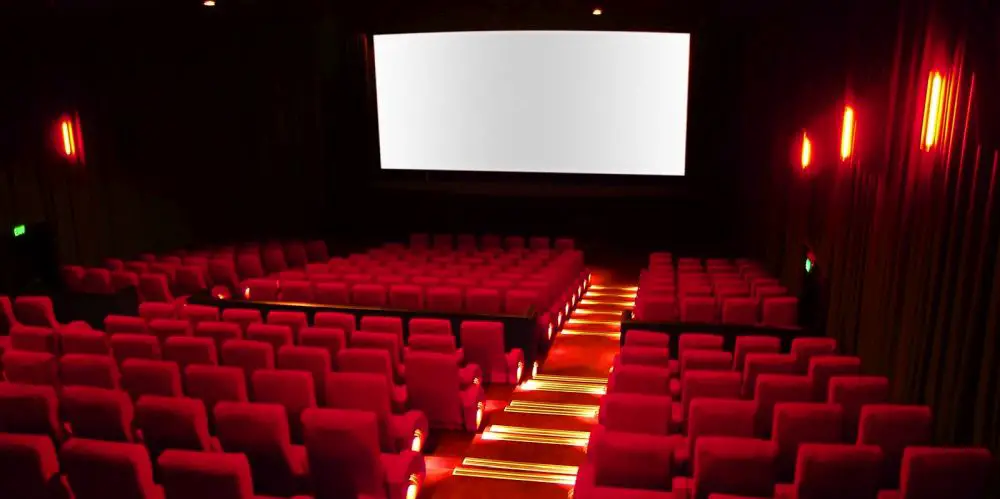
Why do we visit cinemas and how come we take the time to drive a considerable distance to pay upwards of $10 per film? Maybe it is to see a film that you had been anticipating for some time, or because a group of friends decided to check out a new release. No matter the reason, the focus is always on the film as the main motivator.
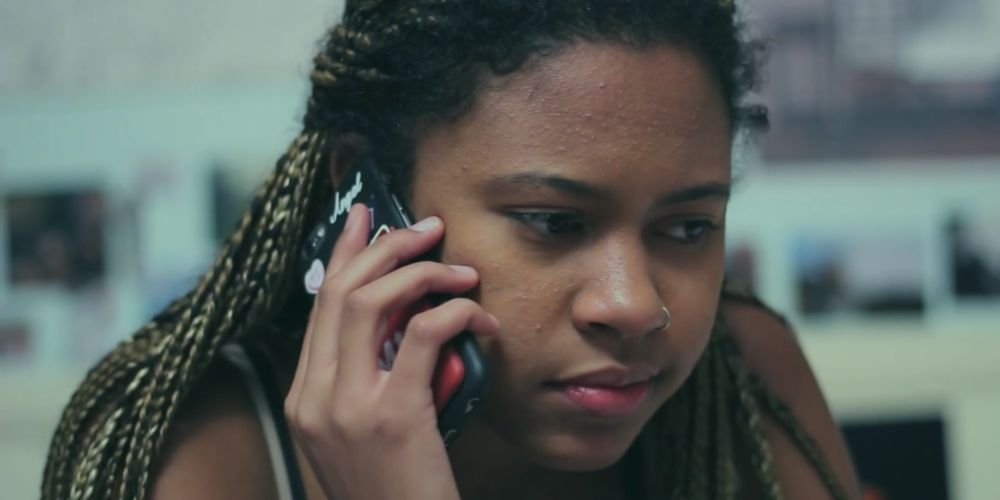
With the #ShortFilmADay challenge, Film Inquiry promotes the watching of short films, and supports indie film and filmmakers! It’s never to late to join! Find more information about the challenge here.
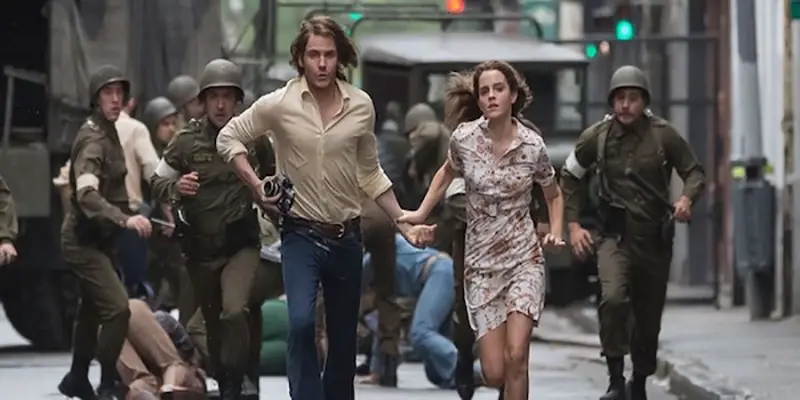
In 1973, Augusto Pinochet seized power in Chile and demoted the previous civilian rule to replace it with a military dictatorship. Colonia Dignidad, commanded by Paul Schäfer and other allies of Pinochet, served as a prison for political detainees under his regime, despite the bastille being concealed by the veneer of a farming commune. With a historical premise as intriguing as this, it’s unfortunate how much Colonia’s (also known as The Colony) filmic portrayal falters more than it succeeds.
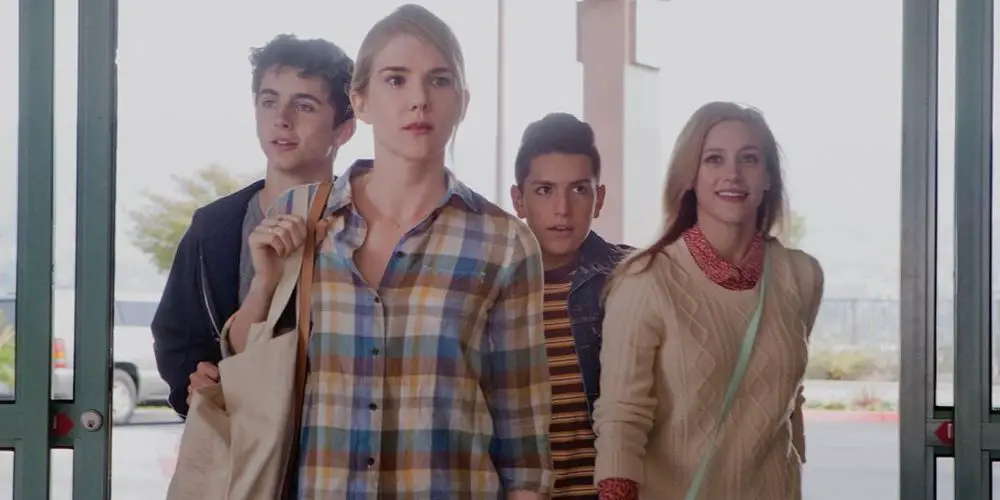
Julia Hart’s career takes another unexpected turn with Miss Stevens, a dramedy about a struggling teacher escorting three high schoolers to a drama competition. Hart was a teacher herself before writing the period home invasion thriller The Keeping Room, and with her second screenplay she takes on directing as well. While Miss Stevens may seem frothily familiar, I would warn against putting this film in a box.
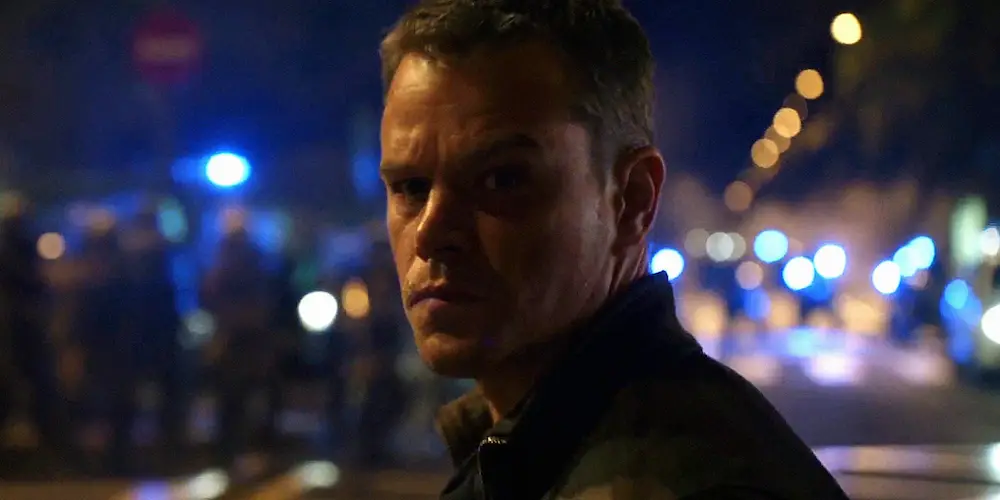
A largely-overlooked but critical element in an action film is its ability to tell a story with sound. Dialogue and musical score notwithstanding, sound cues and effects are incredible tools for storytelling in the genre; subtly adding depth and detail without ever compromising action or hogging screen-time. Given recent advances in the field of sound technology, filmmakers are even now using these techniques to great advantage in crafting critically-acclaimed action films.

From up-and-coming director Pedro Morelli and first-time screenwriter Matt Hansen, Zoom is a fascinating fantasy drama about artistic identity. Tracking the lives of three central protagonists, Morelli miraculously creates a strange, circuitous world wherein everything is connected. Despite seemingly existing within the confines of each other’s imaginative works of fiction, comic book artist Emma Boyle (Alison Pill), movie director Edward Deacon (Gael García Bernal), and aspiring novelist Michelle (Mariana Ximenes) soon bleed into each other’s codependent realities.
With the #ShortFilmADay challenge, Film Inquiry promotes the watching of short films, and supports indie film and filmmakers! It’s never to late to join! Find more information about the challenge here.
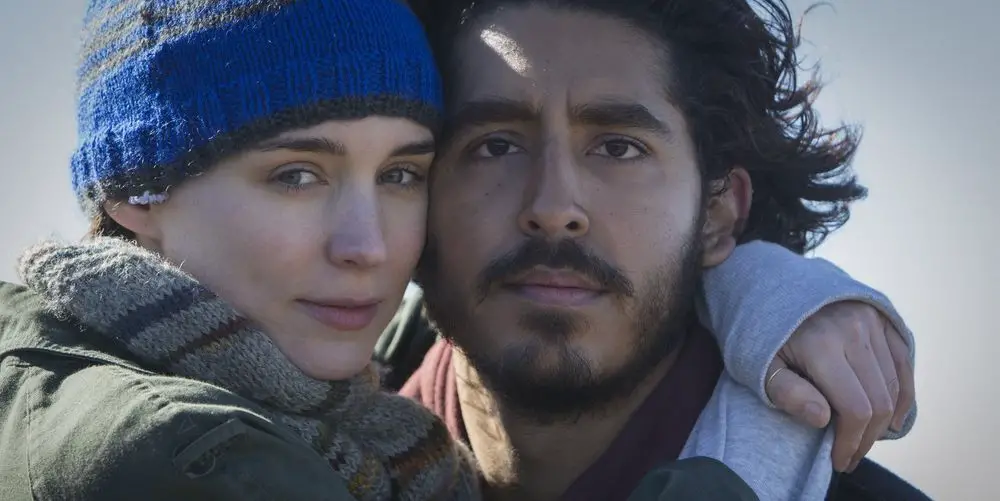
Welcome to every parent’s nightmare: your kid isn’t just lost in a store but has been whisked away by a train, putting so much distance between you that it’s impossible to reconnect. What would you think after decades of not seeing your child?
When the BBC polled an international array of critics, producers and filmmakers for their greatest films of the 21st century, there was naturally an outpouring of frustration on social media. The list was naturally derided for being elitist, not featuring any comedies and for featuring few works by female directors; textbook stuff when it comes to polls of greatest films. When the list was announced earlier this summer, the Film Inquiry team initially agreed on doing our own gigantic top 100 to rival the BBC’s official findings.
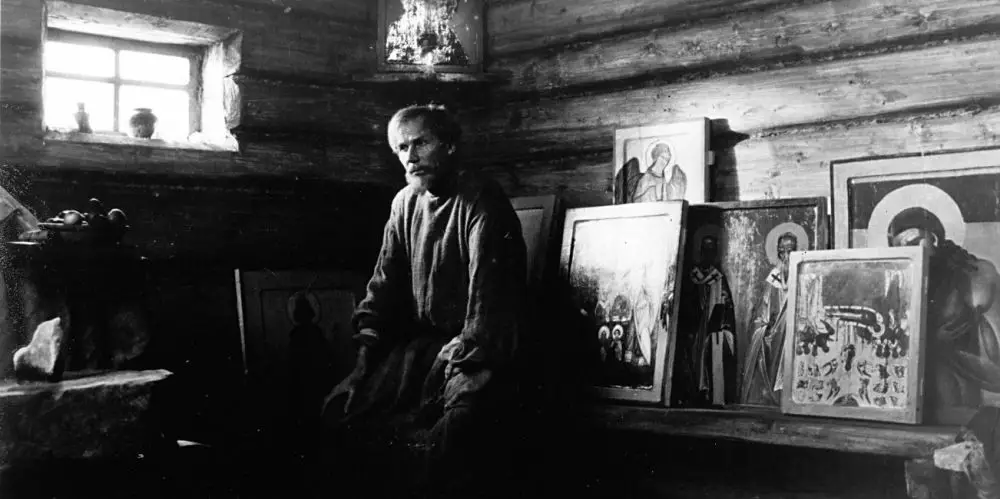
For Russian director Andrei Tarkovsky, the artist was inextricably joined to his society, both its benefits and its ills. Tarkovsky defined these colloquies between society and an individual artist as “dialectics of personality.” In other words, individual development was indefinably caught-up within personal and distant interactions with a society.
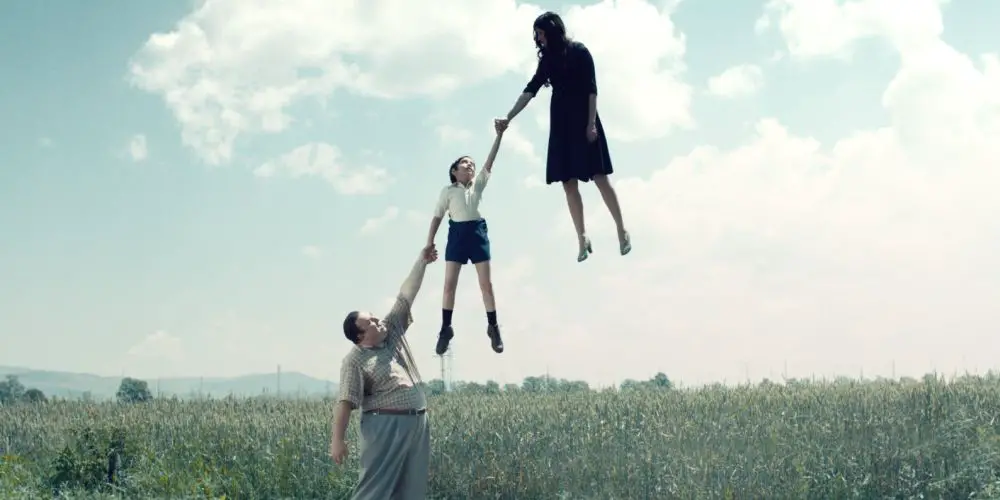
With the #ShortFilmADay challenge, Film Inquiry promotes the watching of short films, and supports indie film and filmmakers! It’s never to late to join! Find more information about the challenge here.
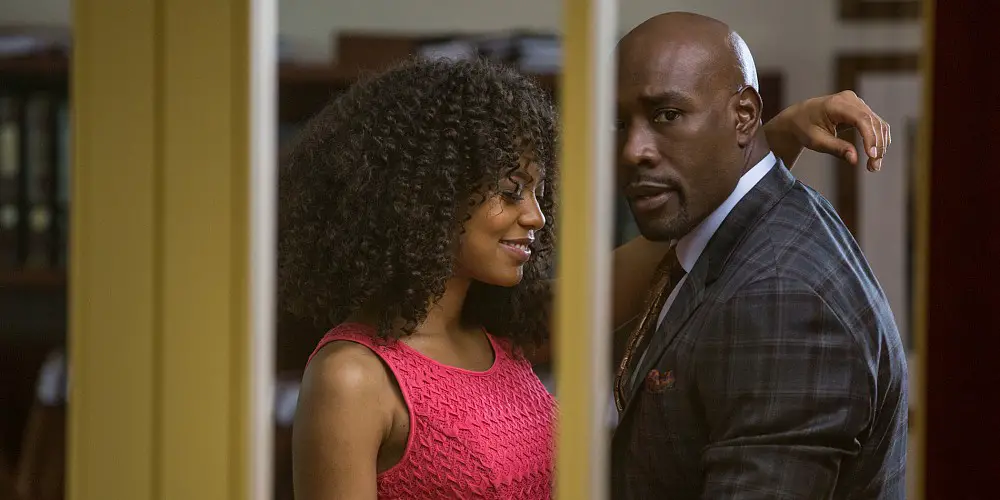
Film Inquiry makes a list of the movies that are opening in cinemas every Tuesday. Opening this week: When the Bough Breaks, The Wild Life, Sully, The Disappointments Room, Demon, Ithaca, Come What May, For the Love of Spock, Kicks, Brother Nature, Other People, Transpecos, London Road and Author:
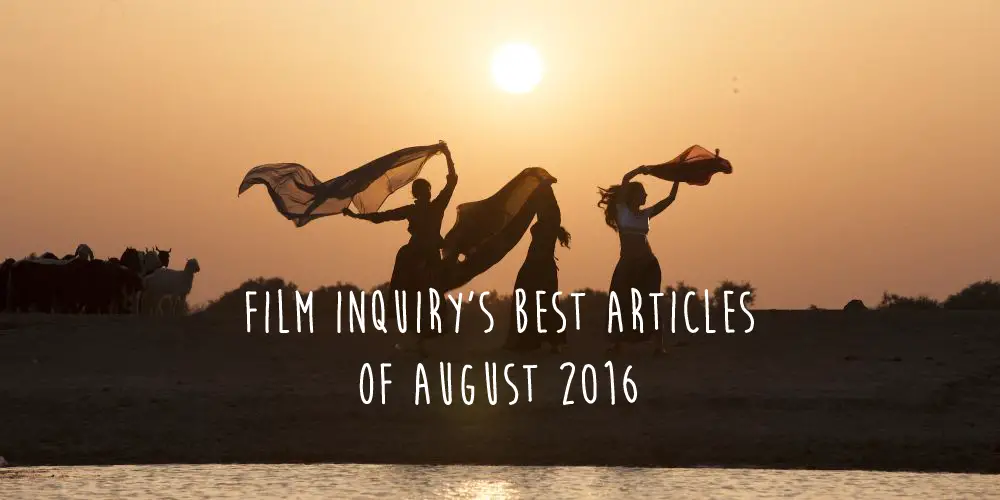
Hello! It’s September! That means we’re due for another round-up of our best articles of the last month.
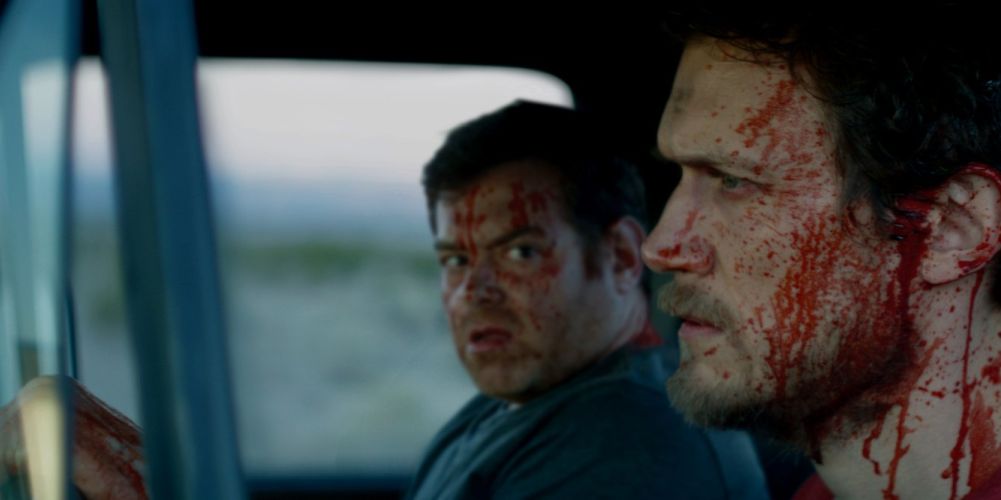
The title of horror anthology Southbound implies a deep sojourn into racist, redneck Americana, locked and loaded under a blood red, lone star. This is a Democrat’s version of hell, ruled by Donald Trump’s tentacles and all of his Republican demons, suckered into building a never ending wall between America and the rest of the world. Southbound suggests a one-way ticket to Hades, but its various characters are still on their terrifying journeys, clutching desperately to their ever diminishing morality.