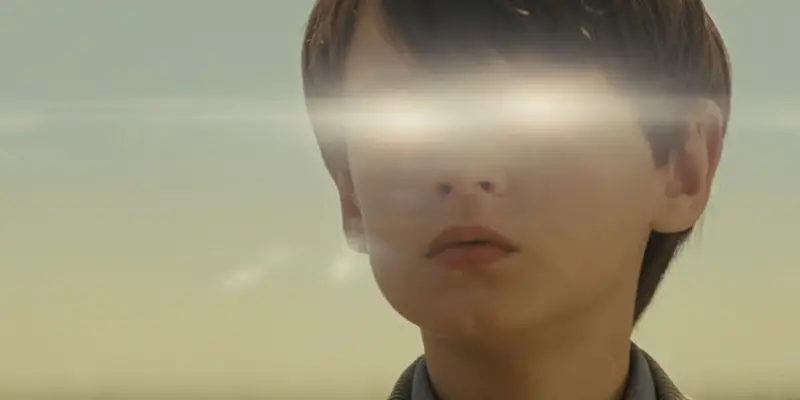
With only four movies to his name so far, and with features ranging in genre from coming-of-age dramas (Mud) to quasi-science fiction (Take Shelter), Jeff Nichols’ films have at least one thing in common (other than that they all star Michael Shannon): they are all intimate productions, both in style and in their focus on the tight-knit relationships around us. Often set in the American South where Nichols himself grew up, his films deal with familial struggles and upsets in usually uneventful communities.
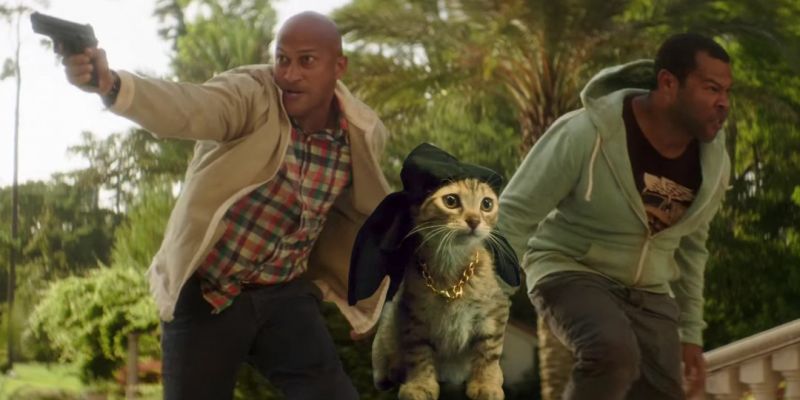
As adorably ludicrous as it is to imagine a cat dragging two mild-mannered men into a gang war, it’s clear that there’s more to Keanu than just a strange premise. The name and setup makes it an overt riff on John Wick and the trailer really keys in on racial preconceptions and how wrong they can be. That’s all well and good, but how about that aww-inducing moment when the cat is running to dramatic music and slides into the back of that guy’s leg?
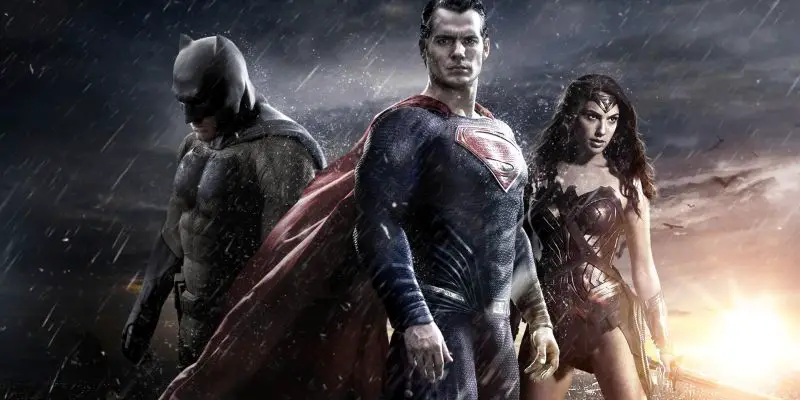
Ever since Jaws hoovered millions of bathers off the hot sandy beaches and into the cinemas in 1975, the Summer Movie Season has been the defacto launch pad for the biggest Hollywood blockbusters of each year. Along with Christmastime, the summer window between May and the end of August is where you would traditionally find the mega-budget sequels and franchises whipping audiences into a deranged frenzy with coffer-drainingly expensive promotional campaigns. So what was Batman vs Superman:
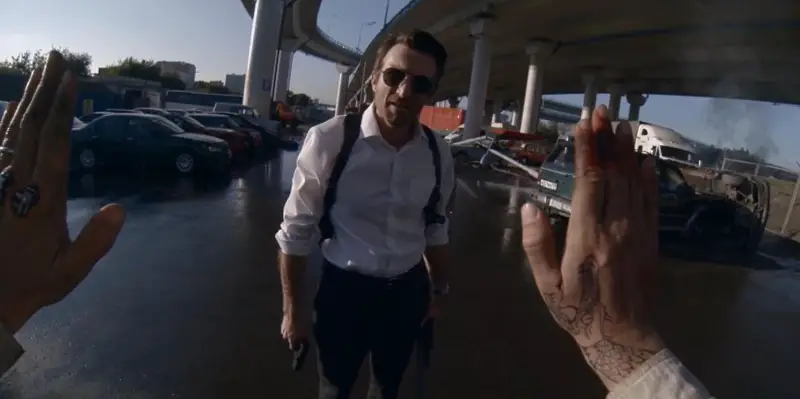
Action cinema is a pain to bring to light. Let’s be clear that every film is difficult to make and they all have inherent problems, ranging from little to gigantic nuances. But action takes the cake when it comes to painstakingly long hours and the mundane repetition that is required to capture the choreography of a scene just right.

A startlingly quiet release for star Tom Hanks, the trailer for A Hologram for the King is a hard nut to crack. Is it about a white guy finding himself in the desert of Saudi Arabia? A humorous take on culture clashes?
I’m incredibly proud to bring to you the very first episode of the all new Film Inquiry podcast, THE POWER OF FILM. In an episode of The Power of Film, I, Manon de Reeper (Editor in Chief of Film Inquiry) will be interviewing someone active in the film industry; filmmakers, directors, producers, actors, screenwriters… You name it!

Modern creatives have taken many liberties with the subject of vampire/werewolf lore. Films such as Blade and the Underworld series’ brought slick, Hong Kong-style hyper-violence wrapped in a trench coat, whereas Twilight added teenage brooding and sickly bubble gum romance, which many purists would rather see vanish into a sparkly haze. Emma Darks’ latest short Seize The Night fits categorically into the first grouping.
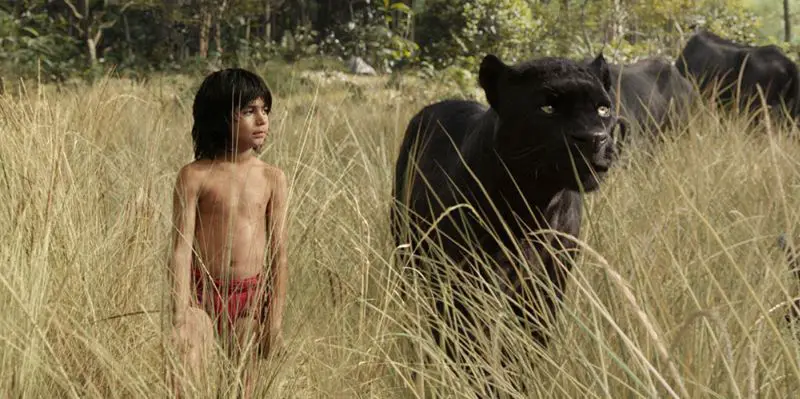
Every Tuesday Film Inquiry publishes the movies that are opening in cinemas! This week: The Jungle Book, Barbershop:
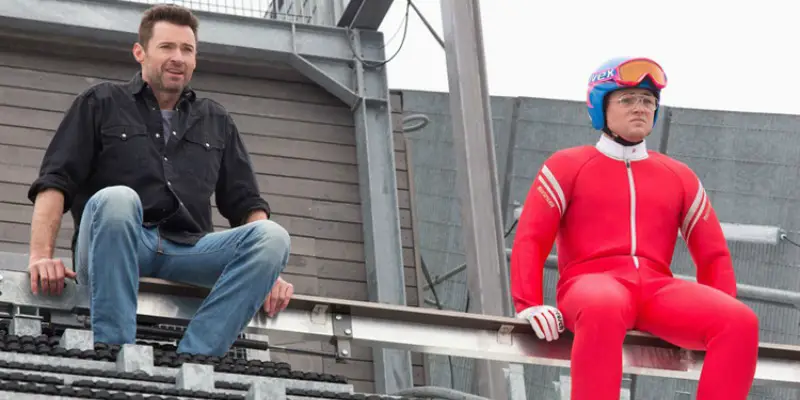
I have been following the production of Eddie The Eagle for a very long time it seems. I’m a great devotee of director Dexter Fletcher (Sunshine On Leith is excellent), I love a good sports movie, even better, I love a British underdog sports movie. Of course, if you know me or are familiar with me at all you’ll know I also absolutely adore Taron Egerton.
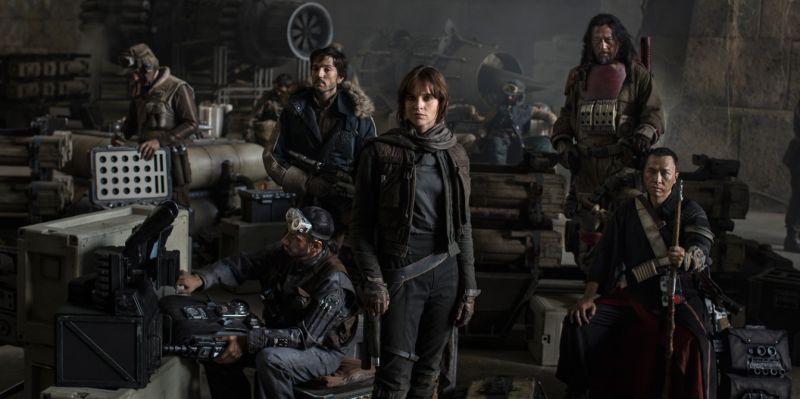
We knew things would change once Disney got a hold of Star Wars, and as utterly delightful as The Force Awakens was, it was basically the equivalent of clearing the first hurdle in a long race. After all, Disney operates under the ‘keep doing it until everyone hates it’ business model, and the company has made it abundantly clear that fans will be getting new Star Wars movies until they stop turning a profit. The thing is, that’s never been what Star Wars is.
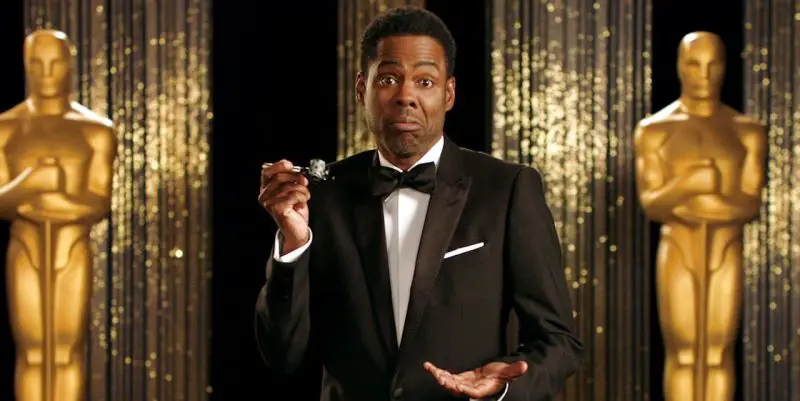
The membership of the Academy of Motion Picture Arts and Sciences is 94 percent white. Equally real and shameful is the fact that 94 percent of top-grossing films in this country are directed by men. In addition to shameful, the words real, facts, and equally are important here.
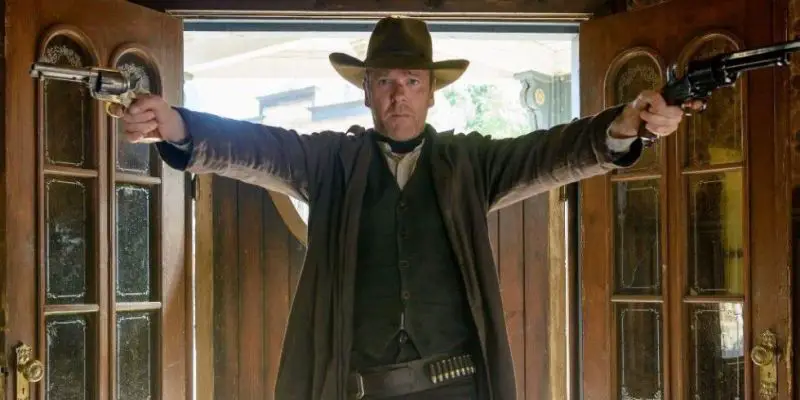
In the days of the revisionist Western, sometimes a throwback to the simple pleasures of the genre’s oldest delights are all that are needed. The only problem with revisiting old cliches is that no amount of nostalgia or charm can make them feel original again, and if performed without either, it comes across as laboured box-ticking in order to fulfil genre requirements. Forsaken unfortunately is the latter, possessing an initial kitsch charm that wears thin quickly when it transpires the film has no unique tricks up its sleeve.
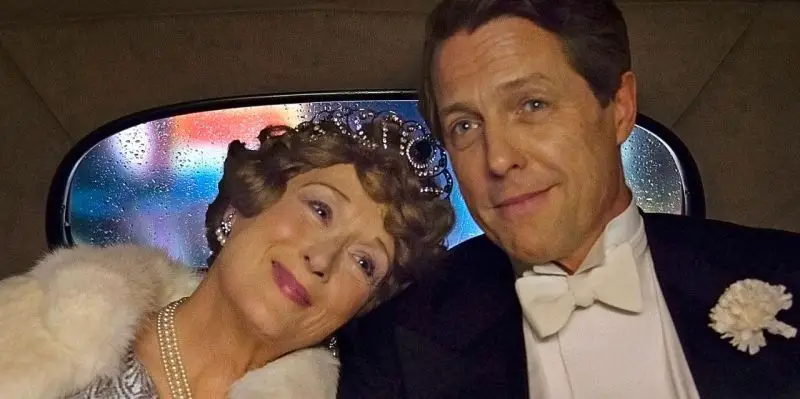
They did it with asteroids, and they did it with Snow White. Now, we’re inexplicably getting two takes on the story of Florence Foster Jenkins, a wealthy New York socialite with a terrible singing voice. The French version, Marguerite, plays more loosely with the facts, while this U.
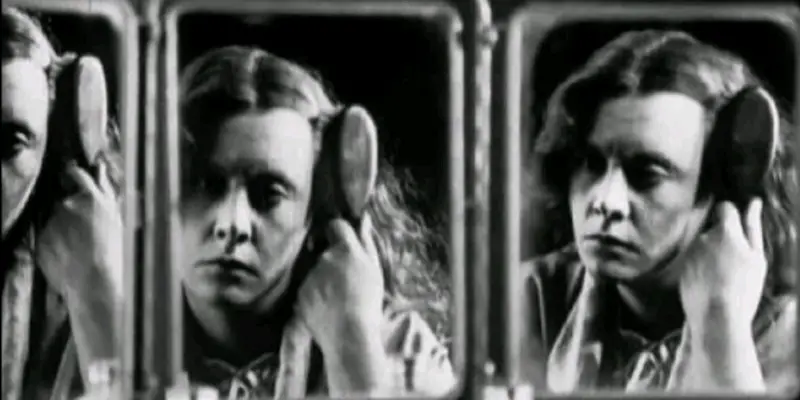
Over at our official Facebook page, we are currently posting daily film recommendations, with each week being a different theme. This is a collection of those recommendations! This week’s theme is female-directed French films.
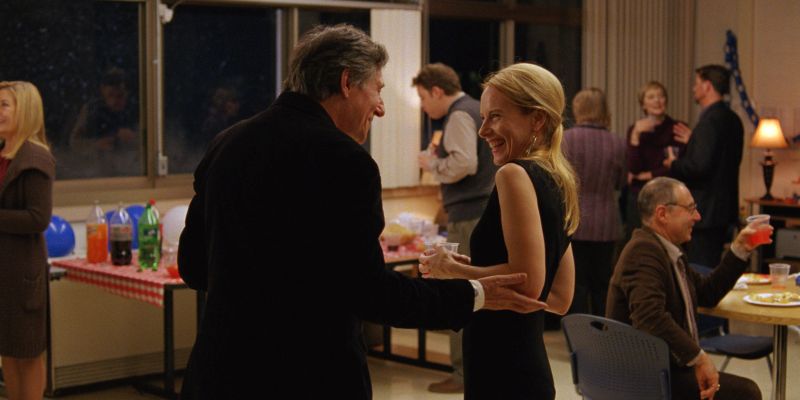
Is it possible for a contemporary America drama dealing with grief not be referred to using the “post-9/11” prefix? Louder Than Bombs charts the emotional complexities of a middle-class New York family as a retrospective article about their deceased war photographer mother/wife is published in the New York Times, resurfacing their most base fragilities. There is nothing in the film that remotely refers back to that harrowing event in American history, yet for many audiences it’s embedded in the subtext – New Yorkers who are confused how to react after this unexpected turbulent event in their lives.