

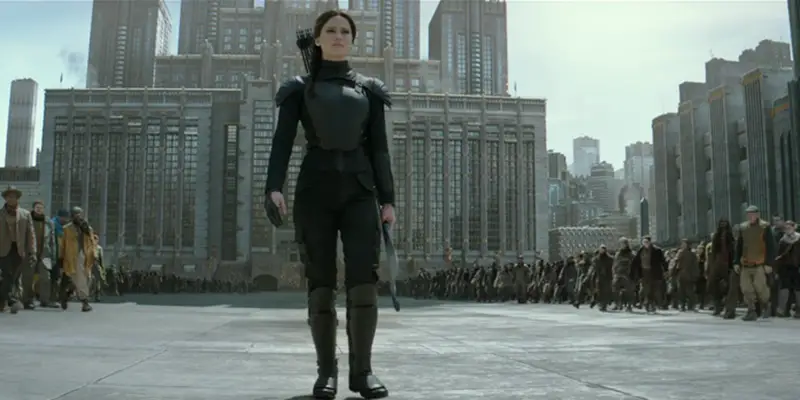
Although initially derided as nothing more than a rip-off of similar dystopian novels (and their subsequent film adaptations) The Running Man and Battle Royale, author Suzanne Collins saw her book series become increasingly popular due to how it tied in with the contemporary societal fear of graphic violence co-existing with inane entertainment. Collins devised the idea for her original 2008 novel whilst at home channel-surfing, with the image of a bleak reality showcased by war reports on news channels making an uneasy bedfellow with the artificial reality of TV talent competitions. A dystopian fantasy that now closely resembles our reality As the adaptation of the final chapters in Collins’ trilogy closer Mockingjay Part 2 makes its way to the big screen, it is less than a week after the world was left horrified by images of terrorism in Paris.
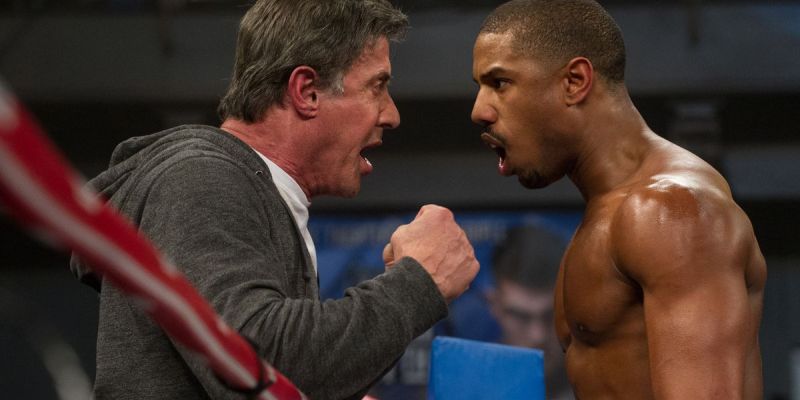
Every week Film Inquiry publishes the movies that are opening in cinemas! This week: The Good Dinosaur, Creed, Victor Frankenstein, The Danish Girl, Janis:
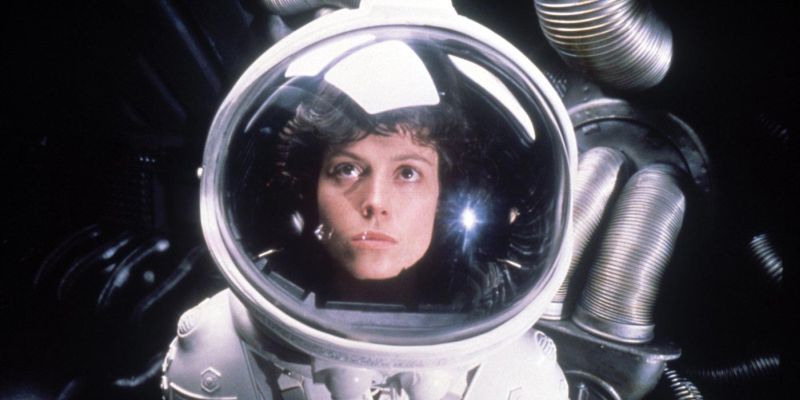
By its nature, sci-fi is a genre of revolution. The fantastical elements (time travel, dystopian future setting or parallel worlds) allow the genre a certain amount of artistic license. This generally results in society being represented as fairer, less discriminatory or strong themes of trying to make the world a better place.
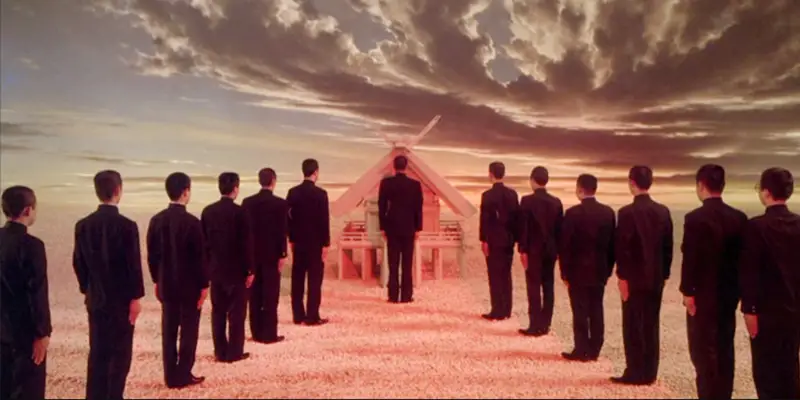
Over at our official Facebook page, we are currently posting daily film recommendations, with each week being a different theme. This is a collection of those recommendations! This week’s theme is great biographical films on a variety of different important figures.
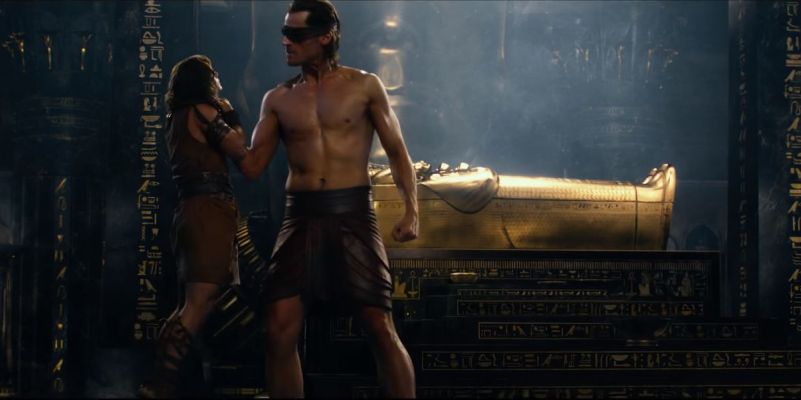
You ever get the feeling that Gerard Butler gets typecast for ancient myth stories? In Gods of Egypt, we have the once proud Leonidas as Set, the god of the desert, storms, disorder and violence. In this instance, he’s just the god of darkness who has plunged this CGI-whitewashed Egypt into chaos and conflict.
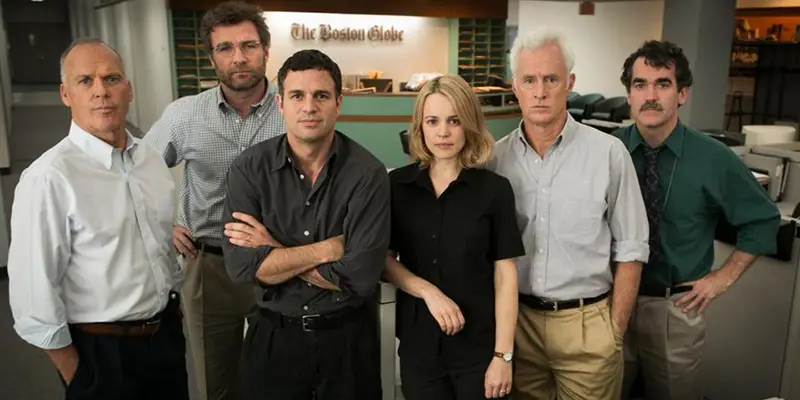
More so than not, it seems that movies based on actual events have a tendency to romanticize their stories. Or, in the hopes of emotionally prodding their audience, they present an overly sappy version of those events. Thankfully, Spotlight doesn’t fall victim to either of these two trends.
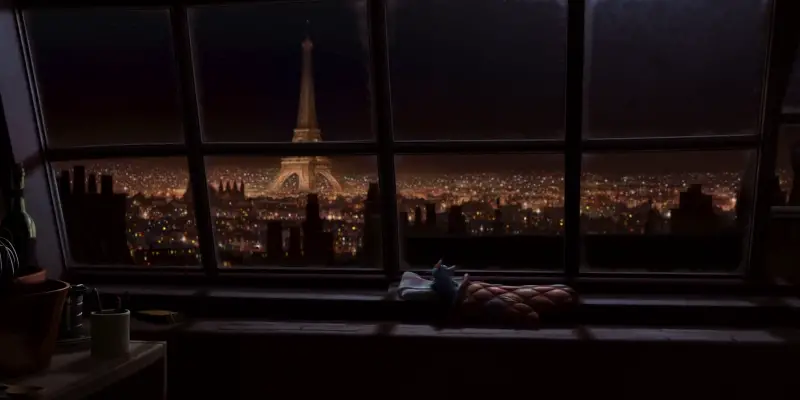
It’s been a week now since the world was shocked by a string of attacks throughout the city known world over as the civic symbol of love. Paris is many different things to many different people, and whether or not one has had the occasion to even visit, it is likely that they at least hold some associations with it, something representative of its ranking it among the world’s top tier metropolises. With Paris, as with most things, there is no better window into the place it holds in the hearts of those looking both from the outside as well as within as the frame of the movie screen.
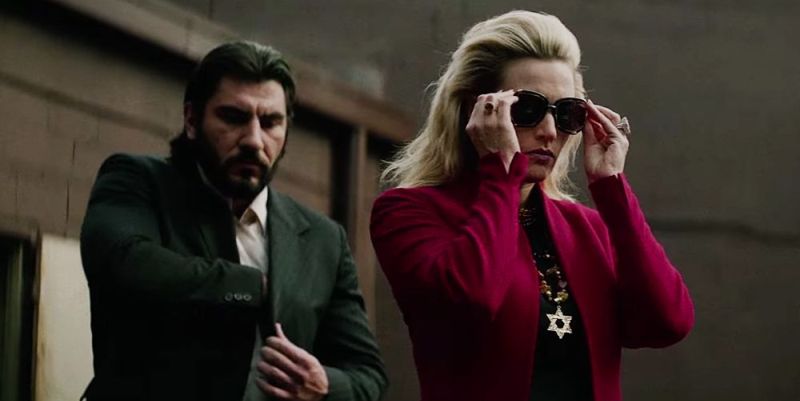
Eh, these guys are cool. I’ve recently begun changing the characters I recognize from other films or media and putting them into these trailers. So my current line up stars Daryl Dixon, Jesse Pinkman, Tallahassee (or Haymitch Abernathy to some of you), Falcon, Clementine Kruczynski and Ben Affleck’s little brother.

Hanna Polak is a documentarian whose films have been screened the world over. It only took her two directorial efforts for her to be recognized by the Academy, as her memorable film Children of Leningradsky was nominated for Best Documentary Short in 2005. After spending some time as a director for hire, Polak is returning to the international documentary scene with an absolutely remarkable film over 14 years in the making, Something Better To Come (you can read my review here).
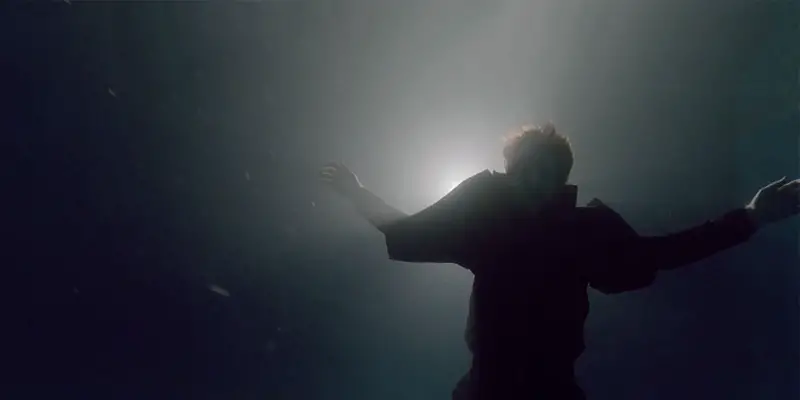
Knight of Cups is the first film I’ve ever seen where over a third of the audience left the theatre during the film. Without any context, I understand why this film would drive people to leave the movie. The film is an artistic montage, never stopping to deliver any linear narrative or dialogue scenes, continuing its visual poetry.
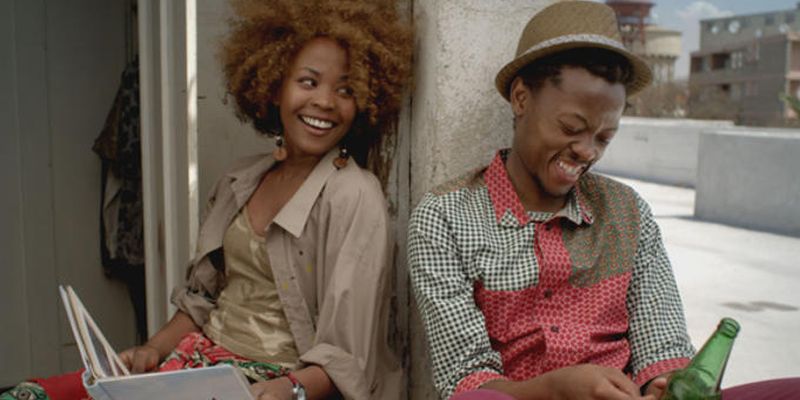
Set in a vibrant community in Johannesburg, South Africa, Ayanda tells the story of a young woman who begins a journey of self-discovery. After tragedy strikes, Ayanda, the 21-year-old protagonist described as an Afro hipster, struggles to save her father’s car repair shop, and to keep his memory alive. She’s thrown into a world of greasy overalls, and has to deal with gender stereotypes as a girl in the world of mechanics.
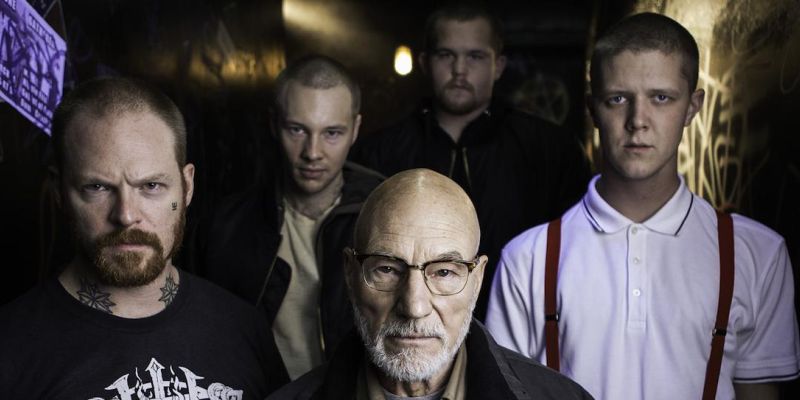
Director Jeremy Saulnier’s debut film Blue Ruin marked him out as a director to watch, a spiritual heir to the throne of the Coen Brothers at their most violent. Like the Coens in their bloodthirsty prime, Saulnier filled Blue Ruin with borderline absurdist humour and fully fleshed out characters who would appear as nothing more than walking quirks were they not so perfectly realised. Most importantly, he achieved something that few other Coen imitators manage – he perfectly understood that the violence in their movies takes place in a moral universe, where no evil deed goes unpunished.

Okay, I am so lost here. In Hollywood’s mad scheme to leach money from teenagers and people with the mental capacity of teenagers, they’ve split the convoluted final Divergent series book Allegiant into two parts, titled The Divergent Series: Allegiant.

Over at our official Facebook page, we are currently posting daily film recommendations, with each week being a different theme. This is a collection of those recommendations! This week’s theme is great war films from all over the world.
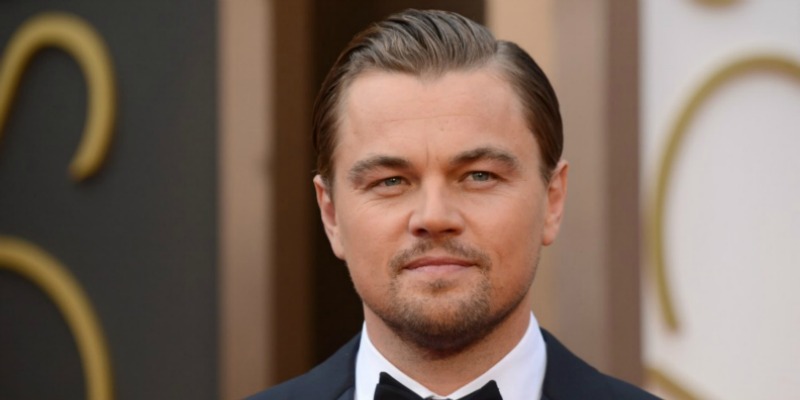
Have you ever thought to yourself – who is my favourite actor? Whose films do I enjoy the most? What is it about him and his performances that make me enjoy his films the most?