

Film Reviews
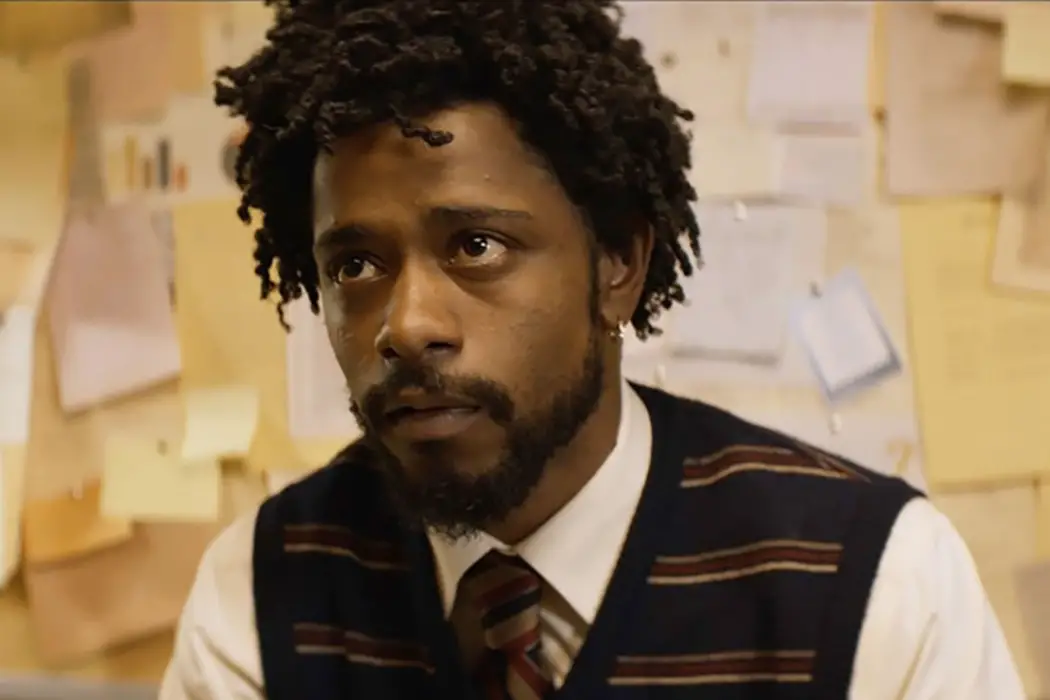
Sorry To Bother You is an intelligent, batshit crazy satire that offers plenty of the theater of the absurd, a standout performance from Lakeith Stanfield, the most original script of the past two years, and plenty of laughs and food for thought.

Tully is a return to form for both director Jason Reitman and screenwriter Diablo Cody, with this “hipster Mary Poppins” tale feeling like a thematic sequel to their beloved Juno.

Field Guide to Evil will likely please genre aficionados and horror buffs, but on the whole, its lack of tonal cohesion will leave others underwhelmed.
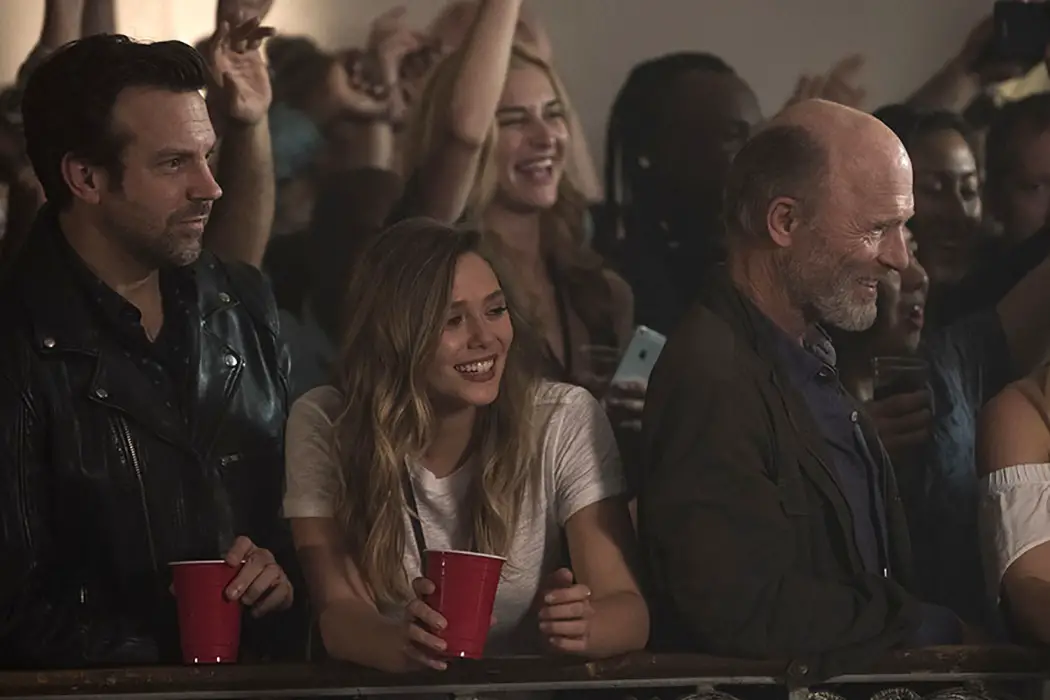
Appropriately and beautifully shot on 35mm celluloid by Raso, Kodachrome is a touching, hilarious, and contemplative gem of a film with three wildly meritorious performances by Harris, Sudeikis, and Olsen, and timely themes.
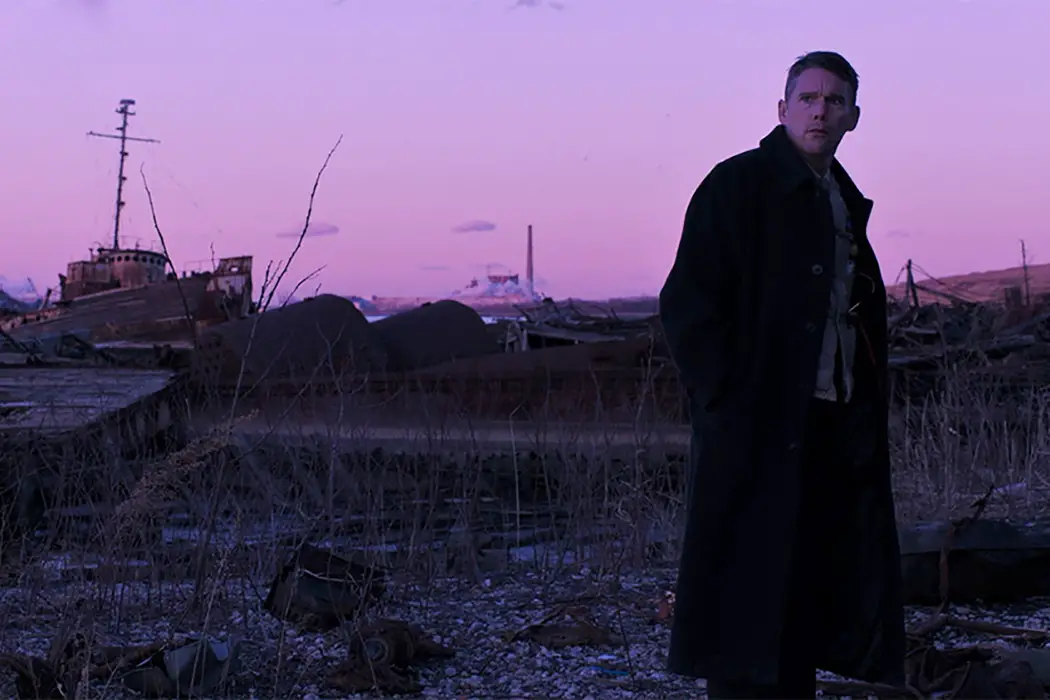
A trio of staggering performances by Hawke, Seyfried, and Cedric the Entertainer, a gripping story that mines our current sociopolitical landscape for philosophical fodder, and typically formidable writing make First Reformed a mandatory watch for everyone.
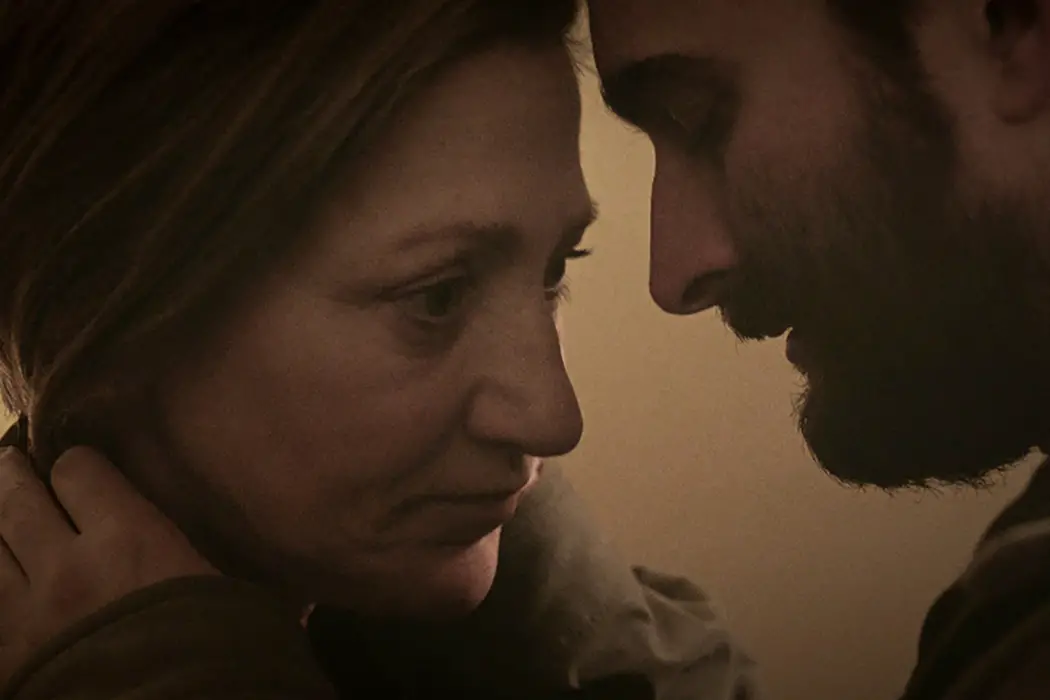
Bolstered by the quiet compassion that has always been her strong suit, Lynn Shelton has turned in another stunning independent feature with Outside In that no one who enjoys the quieter side of life should miss.

Andy Nyman and Jeremy Dyson’s adaptation of their hit stage play Ghost Stories is a serviceable British horror – but with so many recent gems in the genre, is being “serviceable” enough to justify its existence?
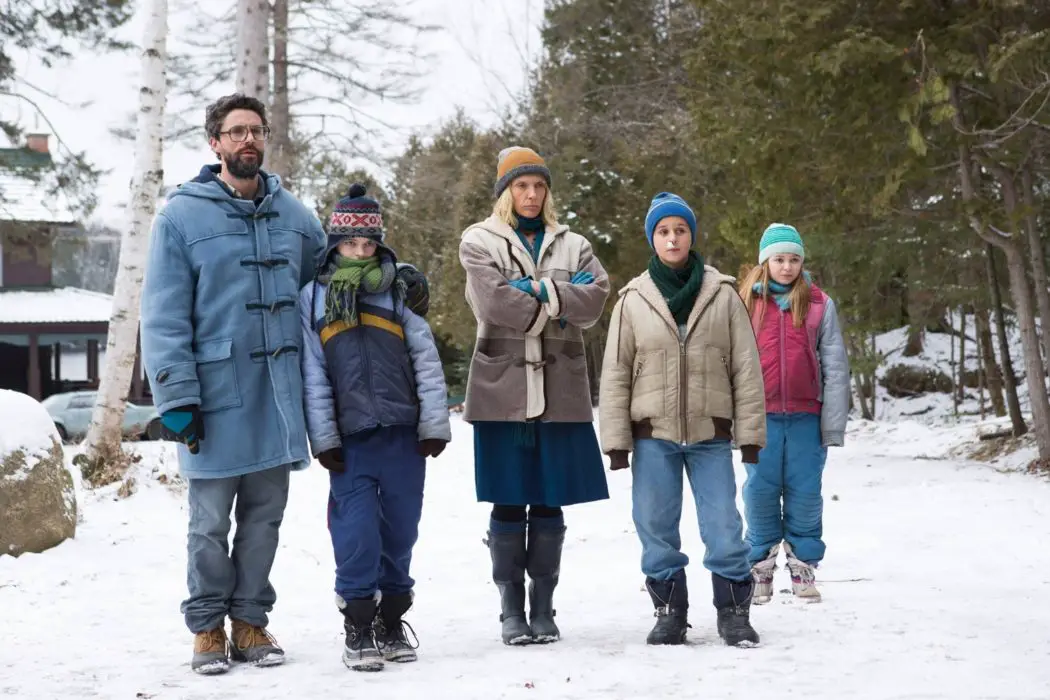
Birthmarked is a comedy struggling with an identity crisis. Maybe that’s the point, or was more nurturing required?

Assuming cinema etiquette is still alive, the loudest sound that can be heard among A Quiet Place’s audience will be their own semi-breathing.

With the help of Theron and Davis’ magnetic chemistry, Cody and Reitman’s synergy, and an intricate yet touching story about motherhood, Tully perfectly blends comedy and drama, creating a powerful, tender meditation on societal stigmas.

In our report of week 1 of San Francisco International Film Festival, we cover films like Generation Wealth, City of Sun, First Reformed, Hal and many more!

We were able to talk with Niclas Gillis and Tanisha Lambright, the director and star of the short film drama Hold Me Down, which follows a day in the life of a 19-year-old single mother who works as a stripper at an illegal nightclub in the South Bronx to support her child.

Tyler Perry’s latest directorial effort shows his tropes are continuing to wear thin, with no sign of improvement. To make things worse, he completely wastes the magnetic screen presence of Taraji P. Henson.

Gemini asks, in a city overflowing with people who want it all, when you’re famous, are you ever really safe?

Despite a tendency to overdo it when it comes to the scares themselves, Paco Plaza’s Veronica contains enough focus on character and symbolism to be an effective demonic possession horror.