

Film Reviews
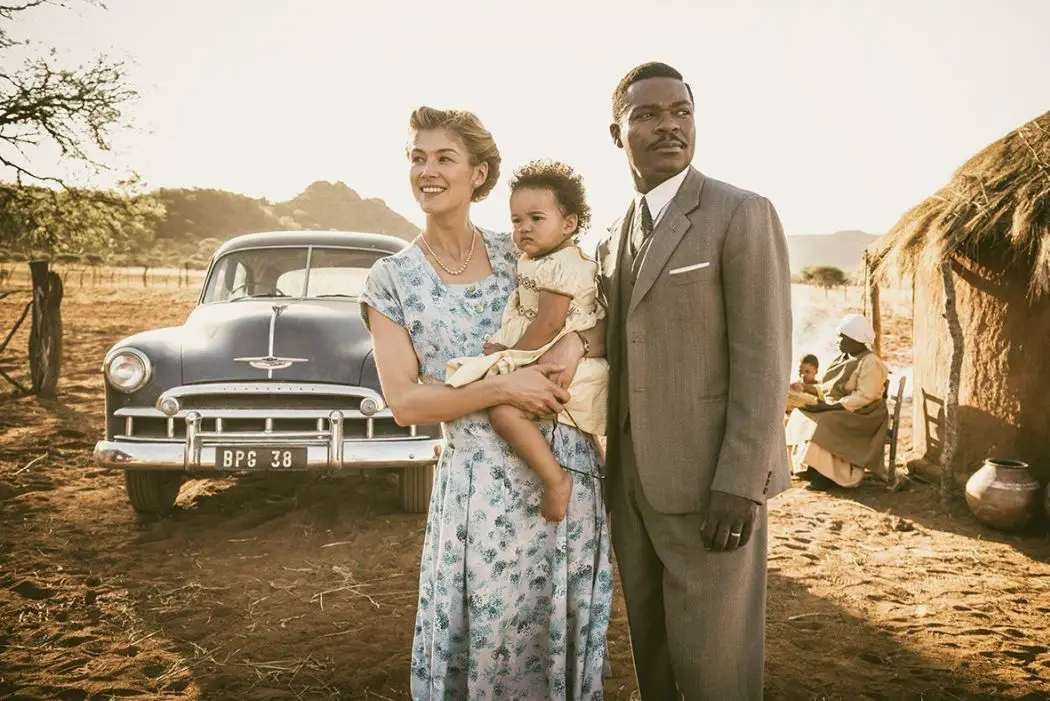
A United Kingdom has plenty of flaws, but more than makes up for them with a heart and an affection that is utterly intoxicating.
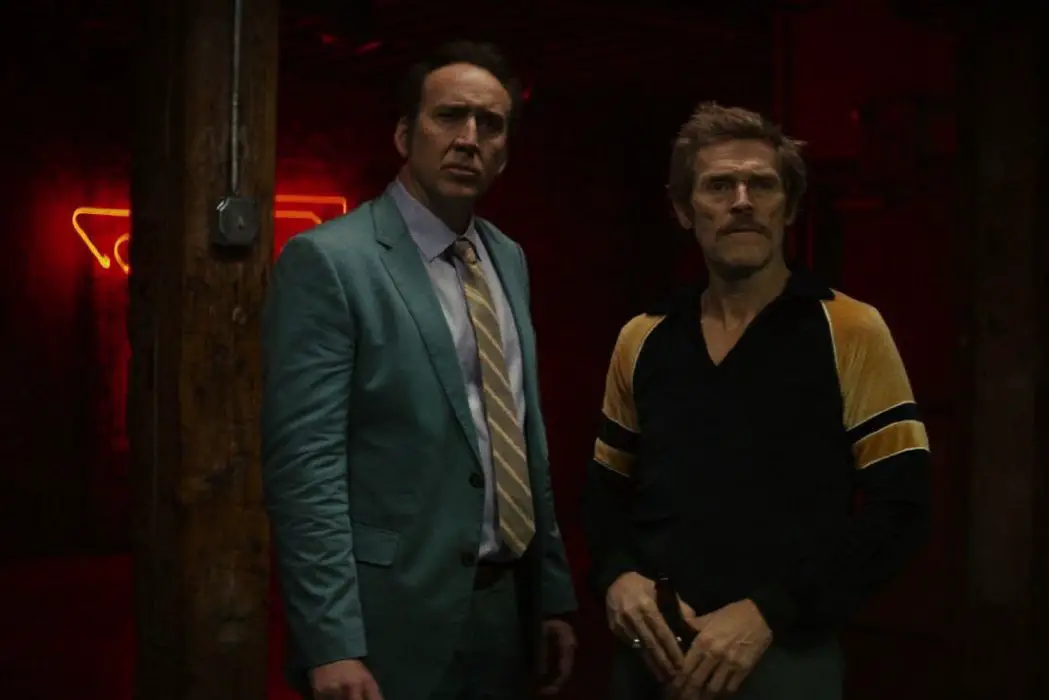
If you are looking for a pleasurable and visual exciting crime thriller from a cinematic legend, you should definitely give Dog Eat Dog a try.

How can an unconventional documentary lasting 134 minutes and consisting entirely of the juxtaposition of naturalistic scenes be a compelling and rewarding cinematic journey capable of matching the most innovative 3D IMAX movie for sheer scale, awe and engagement?

Some films just break your heart. They wheedle their way in with a warm embrace, and find a way to really stay with you, leaving you with deep a sense of loss, and yet, gratitude. A Death in the Gunj is one such film.

Little Men is a quiet character study that manages to demonstrate the effect gentrification has on two families, without ever uttering that word or making it a thesis rallying against the modernisation of different communities.
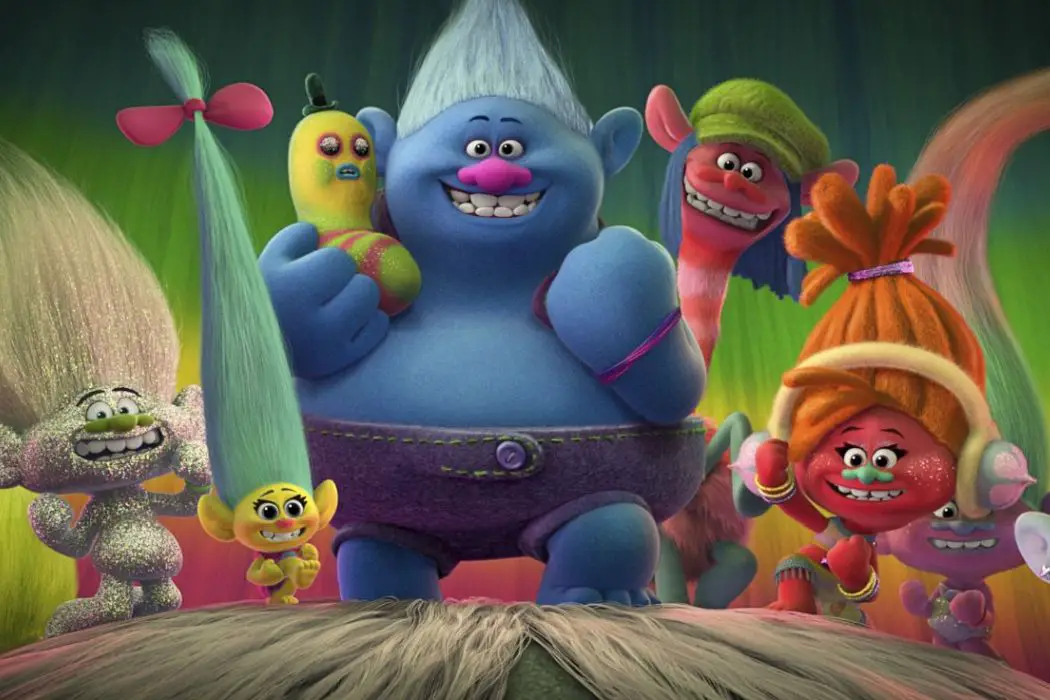
Trolls is aimed as squarely at parents as it is the kids, who likely won’t be as familiar with the terrifically tressed toy trolls as they were say, Angry Birds. Probably not a problem. A comeback seems likely.
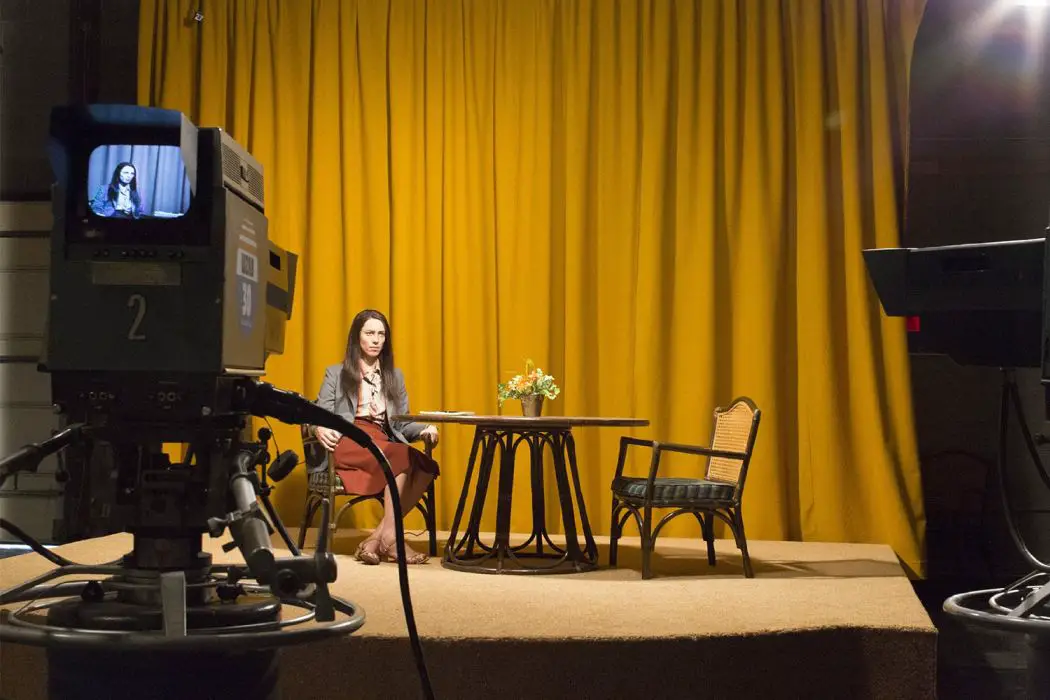
In July of 1974, television reporter Christine Chubbuck committed suicide on a live news broadcast. This is not a spoiler for Christine, as the film concentrates on the tragic events that led to its title character’s fall.

Saving Mes Aynak’s central figure, Qadir Temori, is an Afghan archaeologist more Don Quixote than Indiana Jones, fighting forces from all sides threatening to wrench from his country what is deemed the most significant find of the century.

Elle faithfully transcribes the original book “Oh…”, presenting masochistic and sadistic elements as comedy in the darkest form.
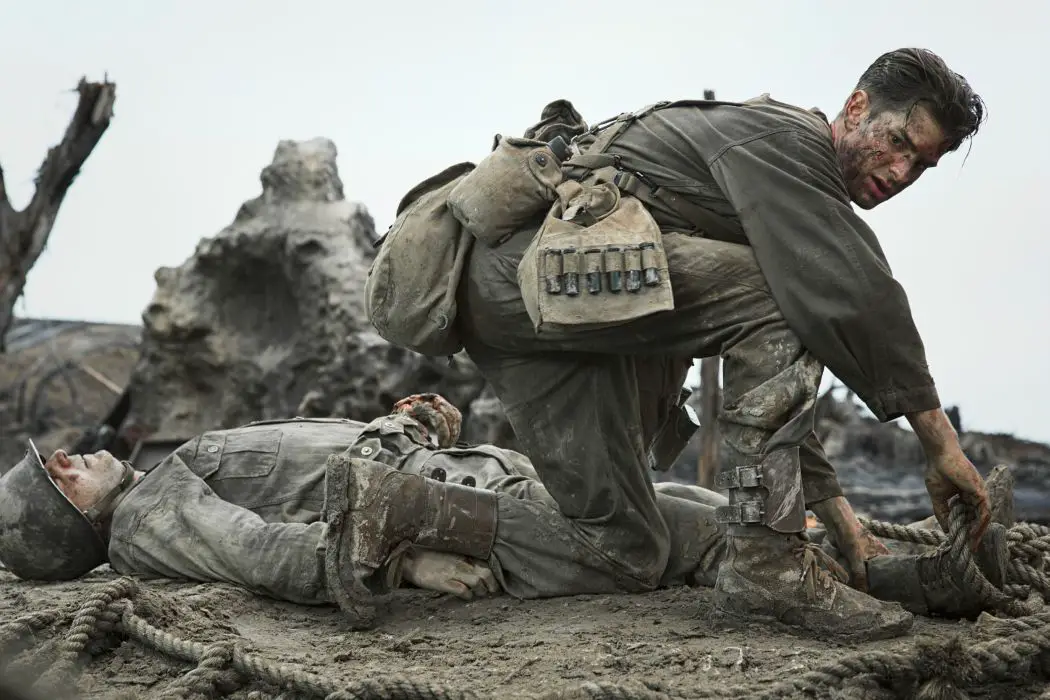
What helps to distinguish Hacksaw Ridge is that, at its core, it is a film that attempts to combine the seemingly contradictory qualities of pacifism and the violence associated with patriotism.

Color is an animated short film about a creature that looks a lot like a lima bean with legs. This little creature has a beautiful yellow color that it tries to hide to fit in with the creatures and the buildings in the town it lives in.
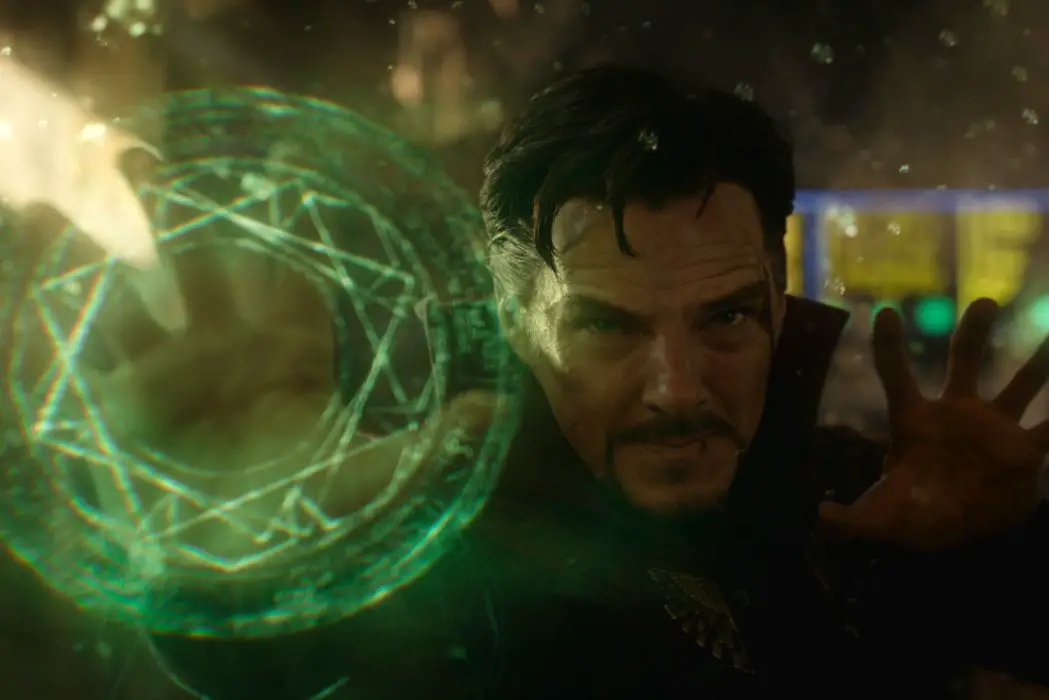
The very idea of “The Batch” being in a Marvel film with Tilda Swinton, Mads Mikkelsen, Chiwetel Ejiofor and Rachel McAdams was an incredibly inviting prospect.

Imagine waking up from a coma and finding out that one of the nominees in the 2016 presidential election was a thin skinned egomaniac, with a penchant for airing his racist, misogynist and ableist views (and a platform that allows for homophobic views to boot). Imagine if you found out that he’d already set a precedent for his appalling behaviour, yet he was still inexplicably marching towards success, planning to grab the American electorate by the pussy. Having this news broken to you as your comatose body reanimates and prepares for a life in a new, quasi-dystopian future, is the only way you are likely to be shocked by any of Donald Trump’s antics.

Ice Guardians will broaden everyone’s view on the disparaged enforcers, framing itself as a plea to those who have sided against the bruisers without giving it much thought. After all, the lumbering men are just that, men, and Ice Guardians captures them and their role in all its complicated glory.

I’m going to be honest with you, I loathed the first two Bridget Jones films. I read the books as a teenager and I was so excited when the first film came out only a year or two later. But I didn’t like it one bit.