horror
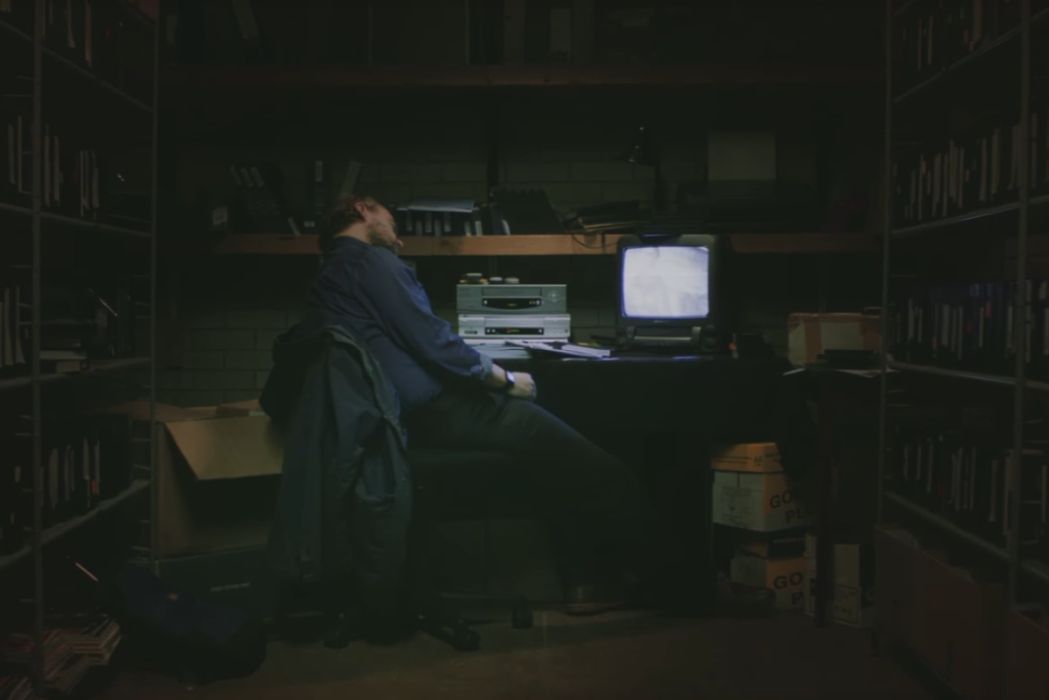
In Broadcast Signal Intrusion, a psychological horror short film, a grief-stricken video archivist becomes increasingly obsessed with the meaning behind a sinister television signal hijacking.
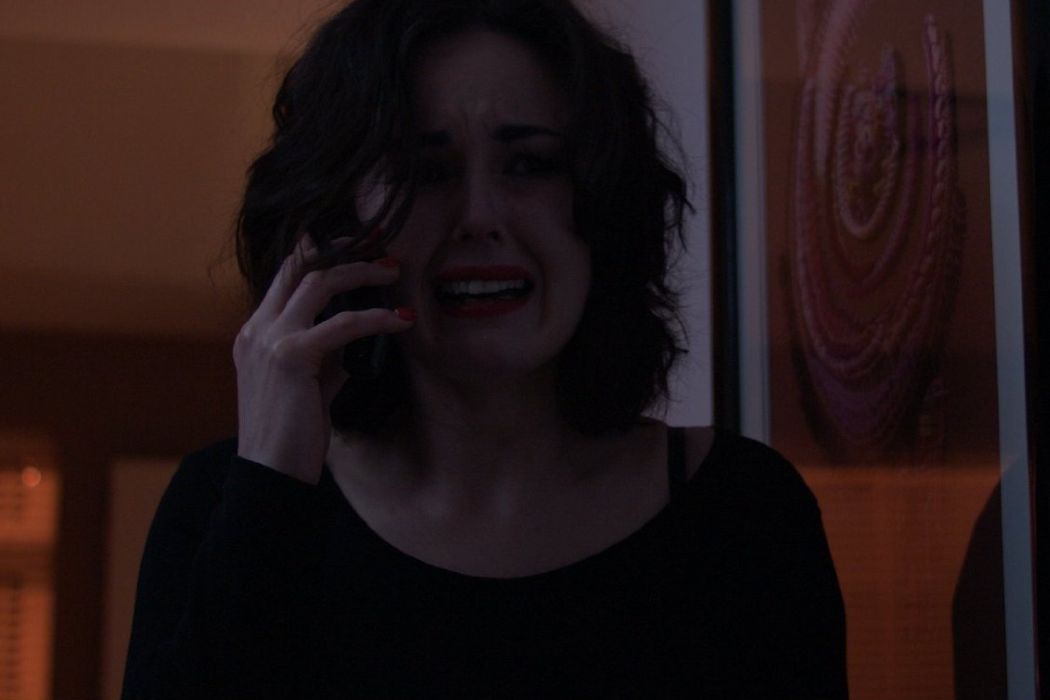
We sat down with Nick Padley, director of the horror short film GENE, which is making the rounds on the festival circuit.
Be My Cat is a satirical found footage film that manages to poke at the superficial ideologies of filmmaking while also being entertaining.
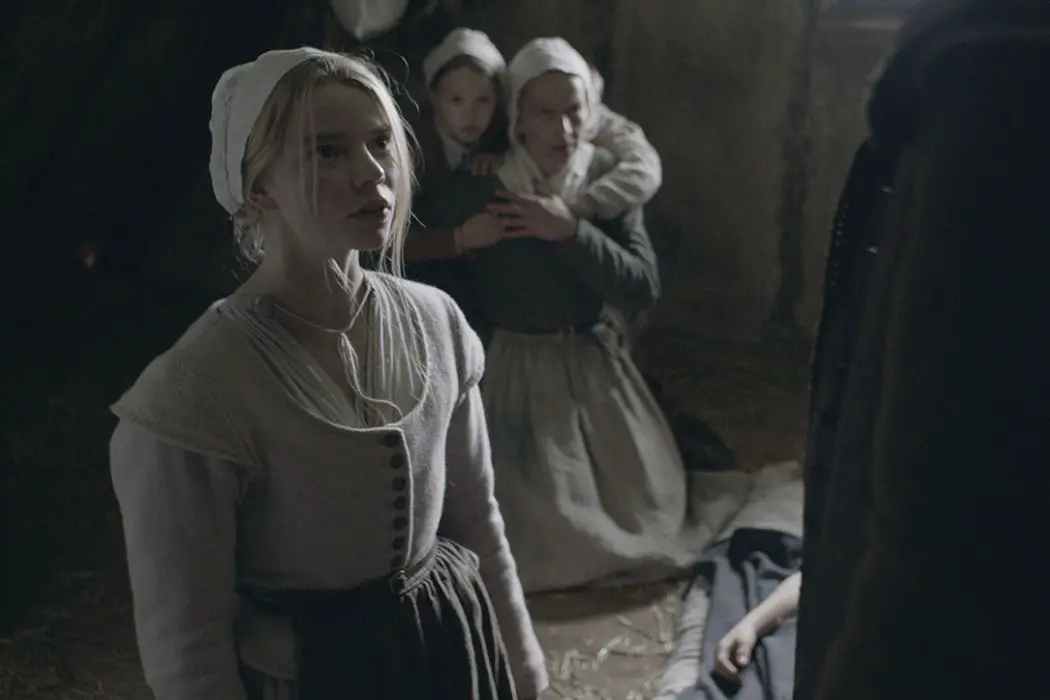
Horror films sometimes contain themes that focus on the primal fears of growing up; here are some prime examples of how they have done so.
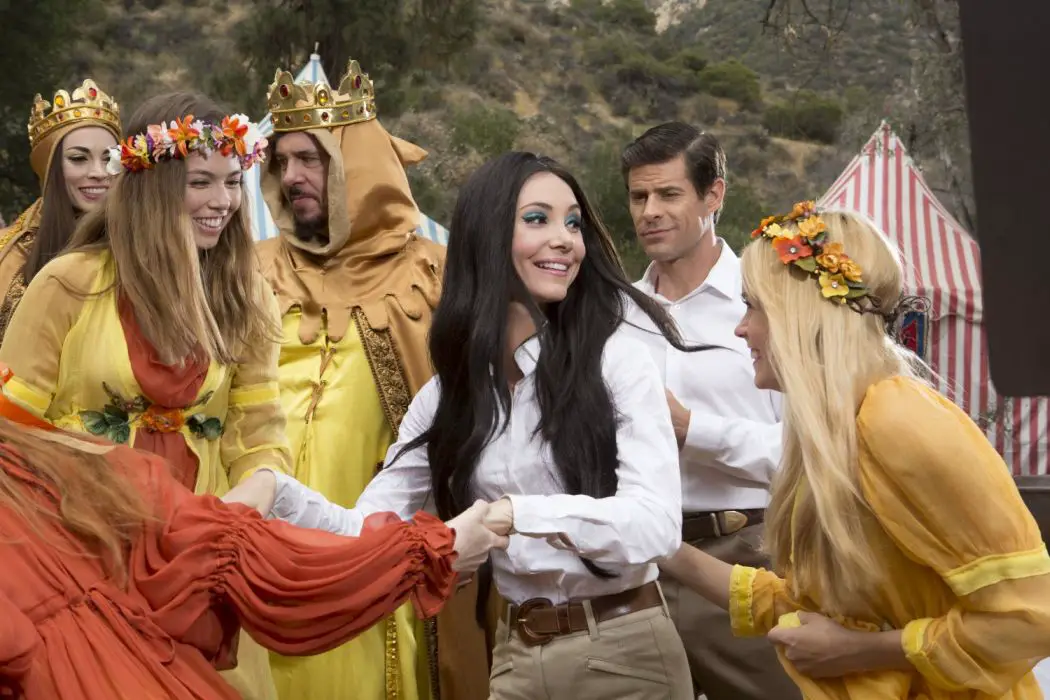
The Love Witch is an aesthetically sophisticated and deeply-layered dramatization of the gender obstacles that we continue to embed in our society.
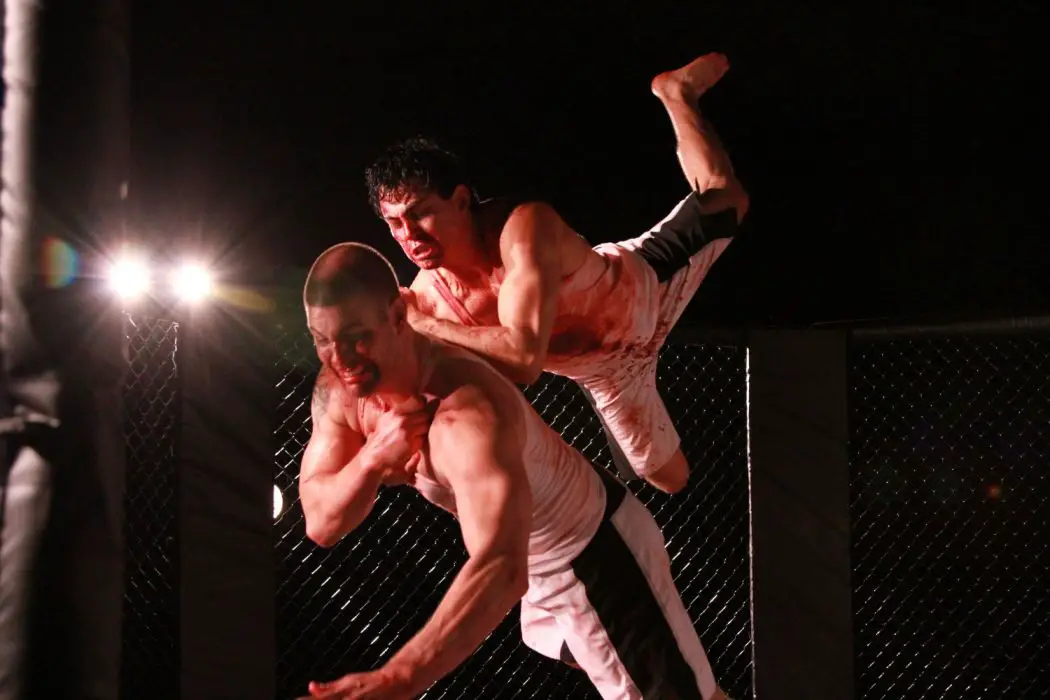
Brutal is an unentertaining slog to get through from start to finish, and it should have been abandoned on the very first day of shooting.
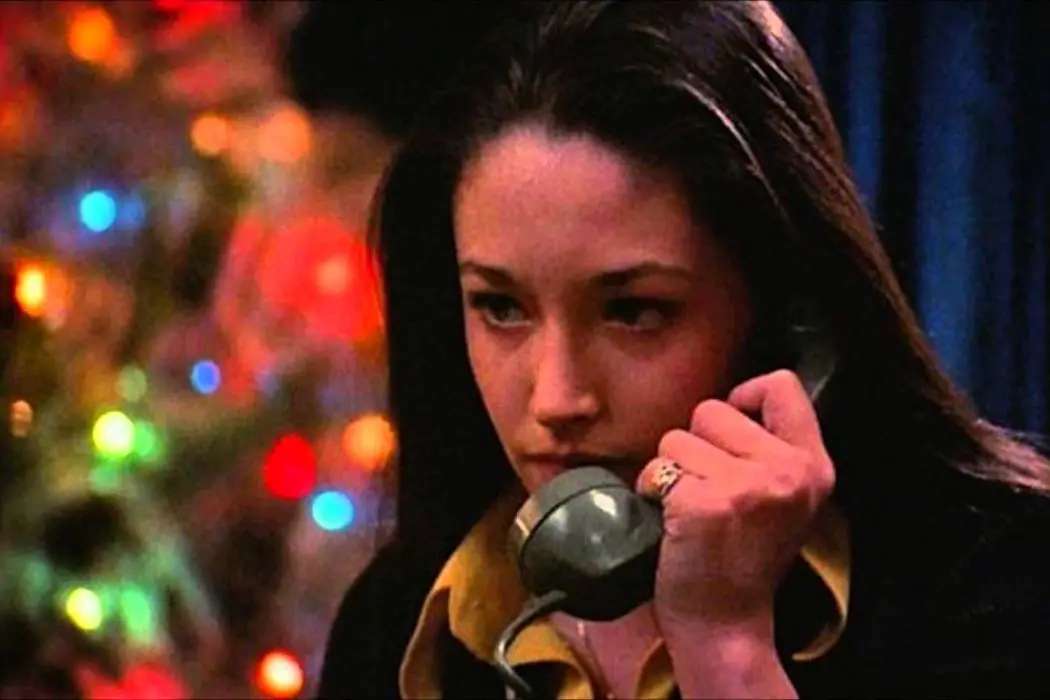
Holiday Horrors provide a comforting alternative to the forced gaiety of the season – and Black Christmas is one of the best to watch.
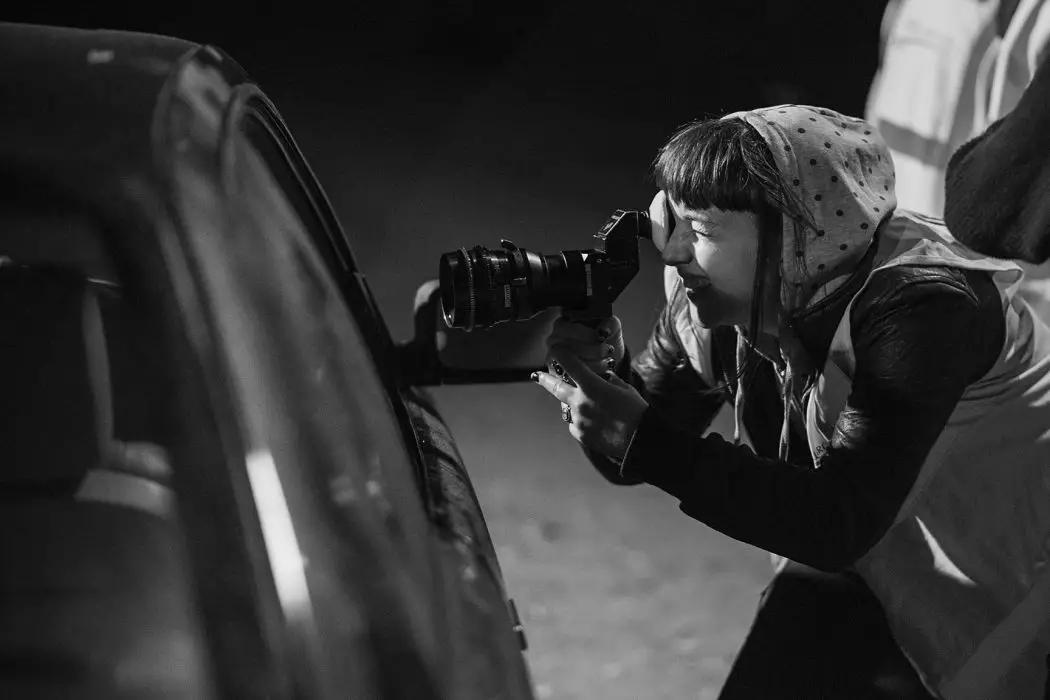
We caught up with successful British horror director Prano Bailey-Bond, chatted about her sort film NASTY and her upcoming projects!
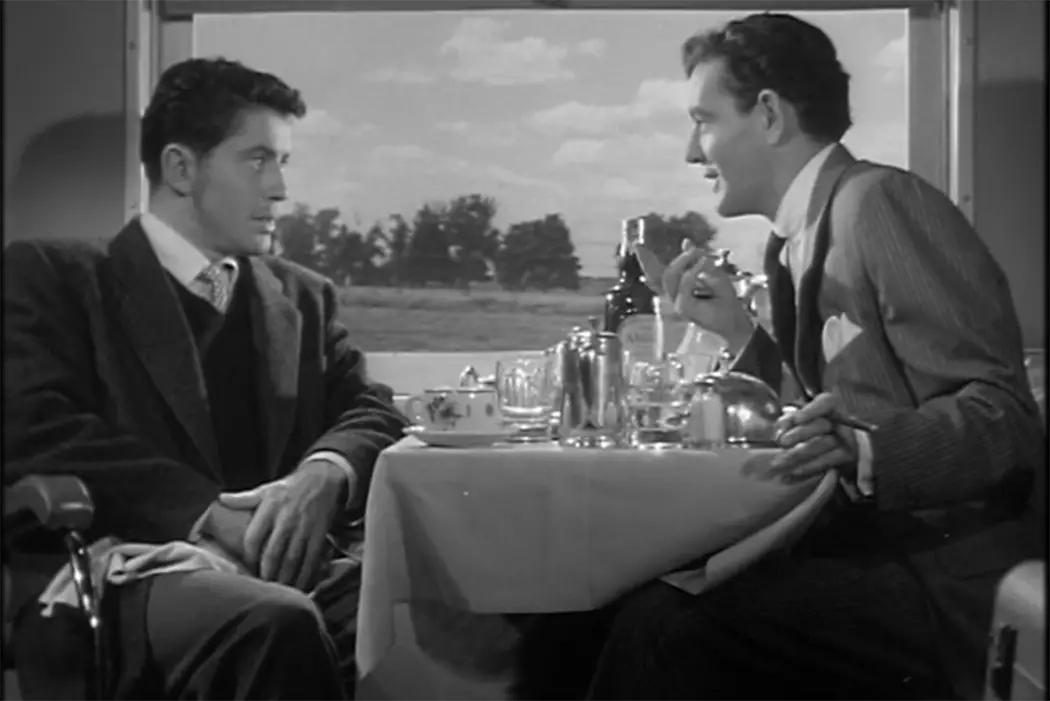
Strangers on a Train is one of Hitchc*ck’s famous works – using only camera techniques and visuals, it successfully conveys a chilling story, and achieves its horror with less than blood and creepy props.
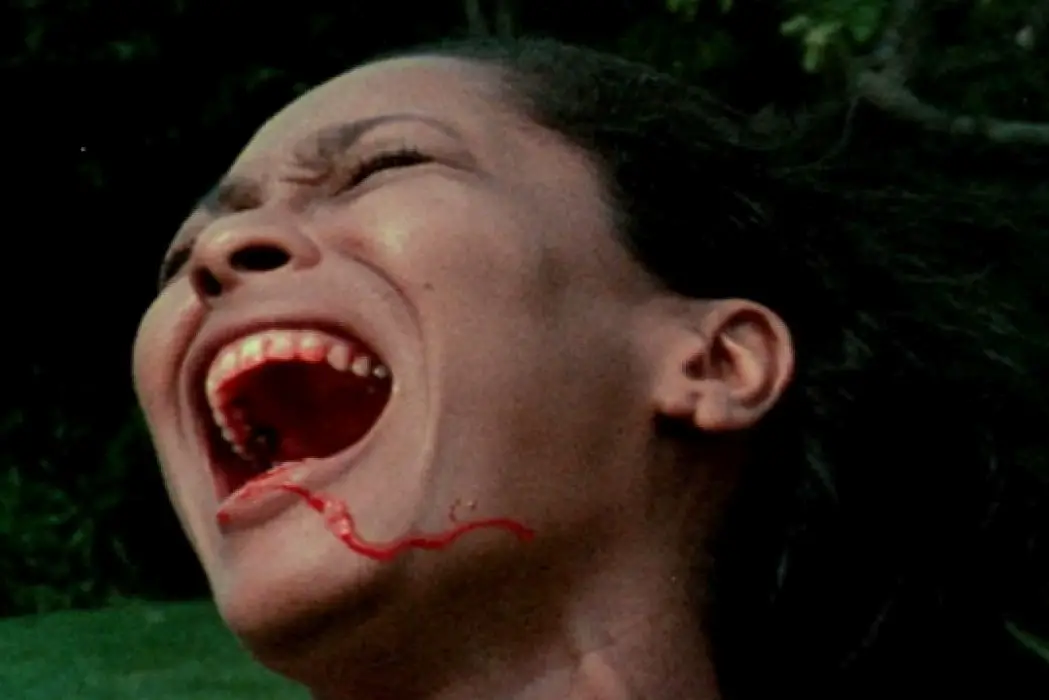
Whilst most filmmakers tend to lean on retelling Bram Stoker’s story of Dracula, this is a selection of creative and interesting takes on the popular vampire genre.
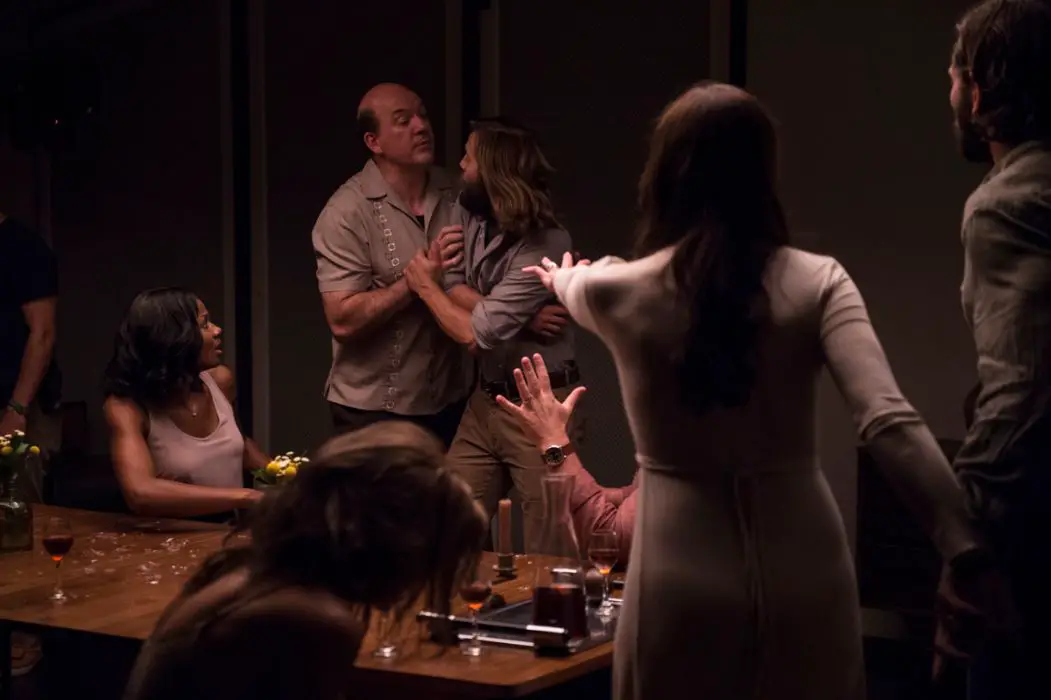
Psychological horror films are designed to be more like vivid nightmares, sending the conscious mind an important message or warning of something that hasn’t been acknowledged.
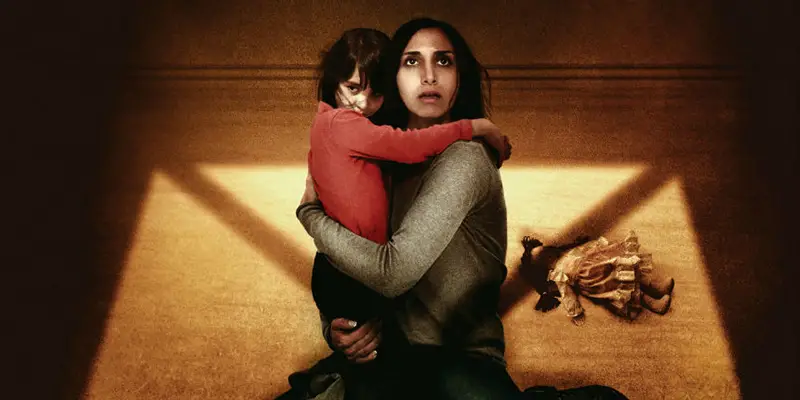
Film is one of the best artistic mediums because it’s always growing; it speaks every language, and every place in the world has their iteration as to what’s scary, twisted, weird or just downright bizarre. Different countries offer different interpretations of horror, from China where vampires hop to Korean Shaman. They don’t wave crosses, nor do they compel the power of Christ upon anyone, but just don’t fall in love with Isabelle Adjani.
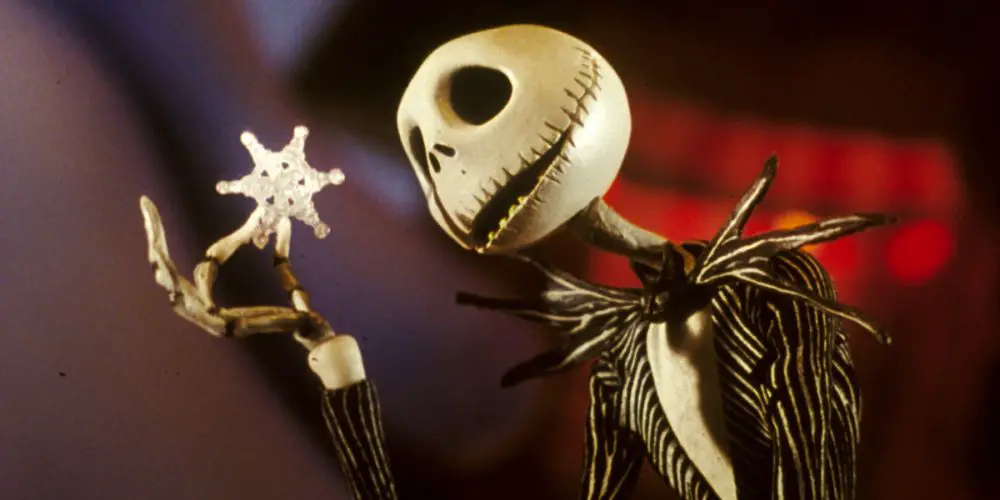
Halloween – the season of ghouls, screams and tricks or treats. It’s the time of year when scares of all kinds are acceptable and even welcomed. We become the creatures of the night, in search for something to satisfy our yearly holiday craving.
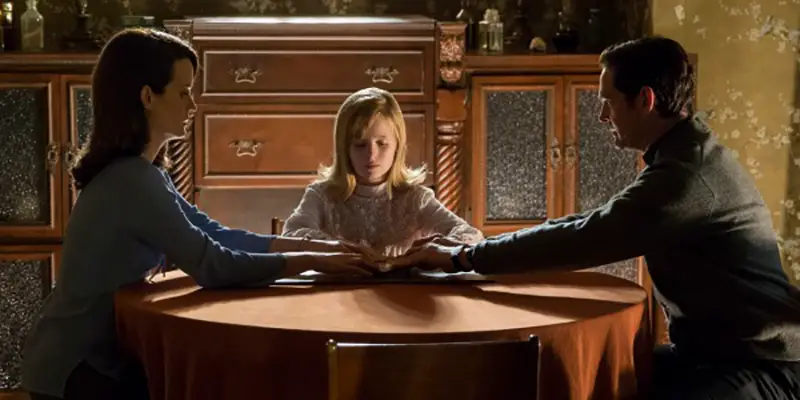
Is this any way to sell a board game? Hasbro’s perennial moneymaker “Ouija” is the basis of Universal’s micro-budget horror franchise in the making, and it’s hard to imagine a game manufacturer working any harder to discourage people from buying its product. The 2014 release Ouija opened at number one, and a followup was inevitable.
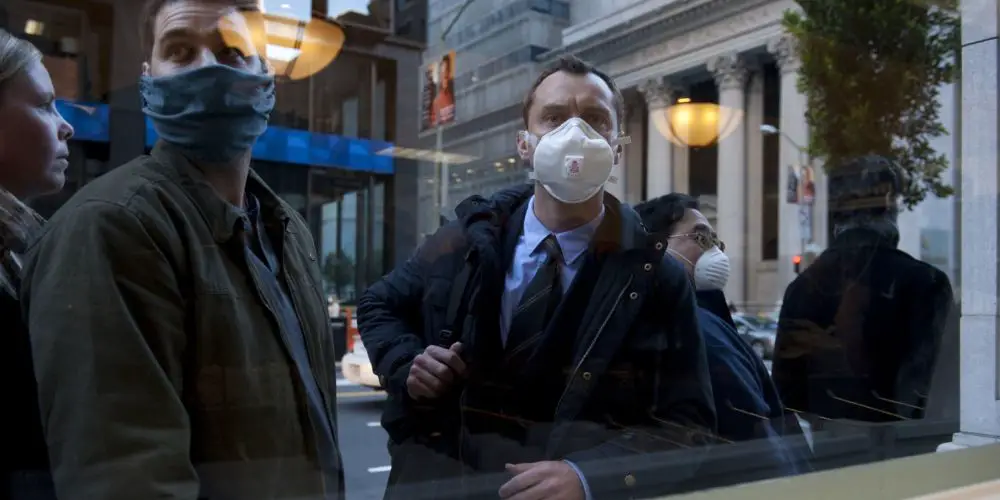
When we think about viruses in cinema, we usually think about them in conjunction with turning us into the undead. Indeed, the stunning alacrity and volume at which Hollywood churns out zombie epidemic films begs us to wonder if we have truly exhausted the “what if?” nature of this particular vein of horror.