

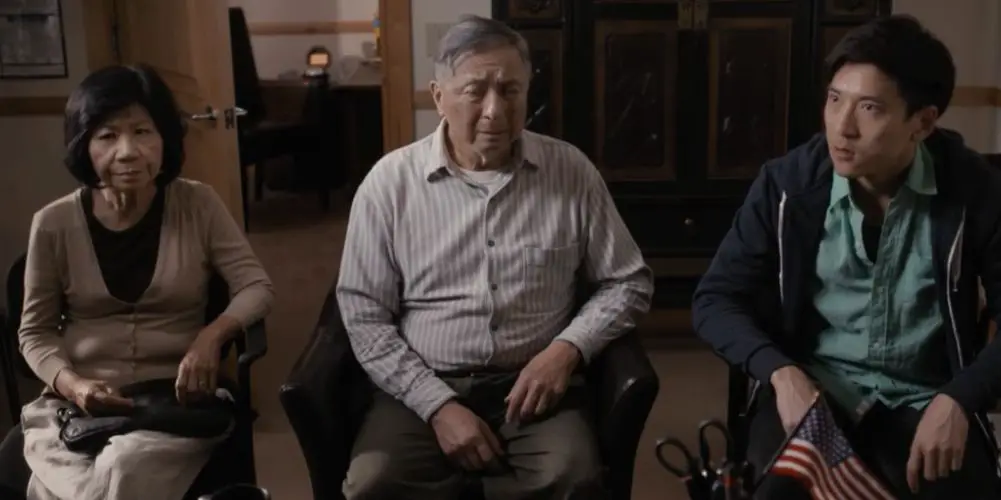
With the #ShortFilmADay challenge, Film Inquiry promotes the watching of short films, and supports indie film and filmmakers! It’s never to late to join! Find more information about the challenge here.
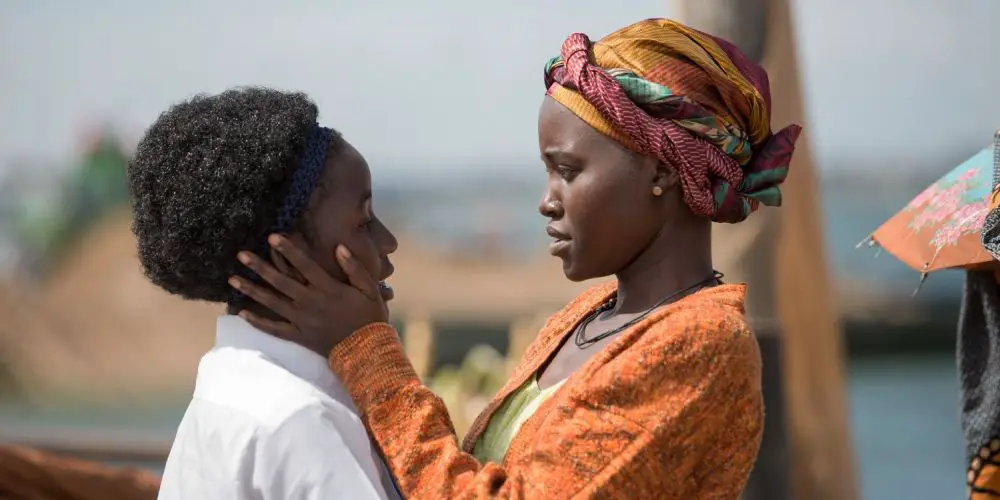
Let’s play a game. Let’s guess how many reviewers will use the word ‘inspirational’ when describing Queen of Katwe. The first trailer avoids the word, but it’s putting it right on the tip of your tongue with the swelling music and the numerous snippets of pep talks.
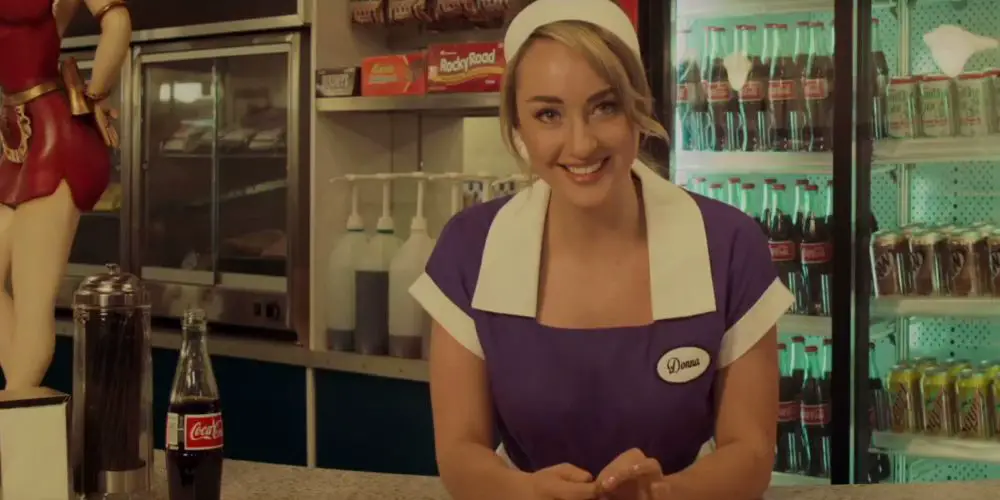
With the #ShortFilmADay challenge, Film Inquiry promotes the watching of short films, and supports indie film and filmmakers! It’s never to late to join! Find more information about the challenge here.

With the #ShortFilmADay challenge, Film Inquiry promotes the watching of short films, and supports indie film and filmmakers! It’s never to late to join! Find more information about the challenge here.
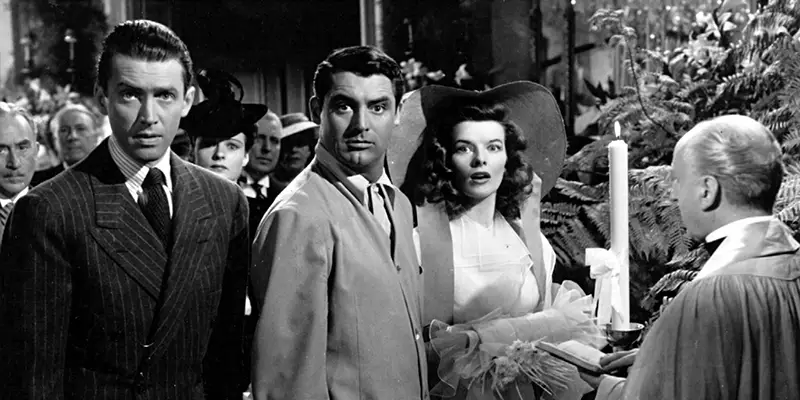
Screwball comedies came around in the 1930s, due to the Motion Picture Production Code. The genre is still popular today, and some filmmakers try to recreate the themes and techniques in modern films. By 1934, the production code was being enforced in the motion picture industry.
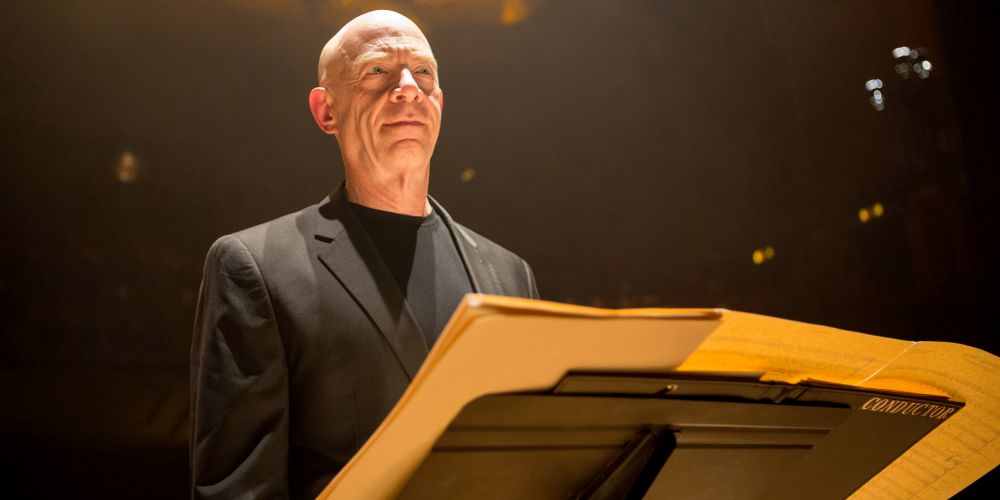
Every year, ten movies are bestowed the honor of becoming nominated by the Academy Of Motion Pictures Arts & Sciences. Many of these films will already have had various successes throughout the year: good festival attendance, box office success and probably received other prestigious awards.
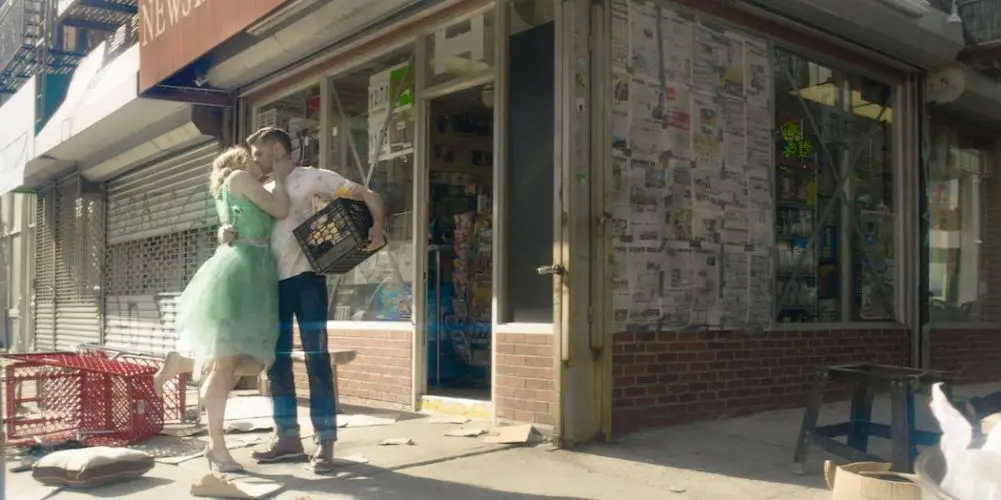
With the #ShortFilmADay challenge, Film Inquiry promotes the watching of short films, and supports indie film and filmmakers! Join us! Let’s Not Panic is an apocalyptic comedy about love and neuroses.
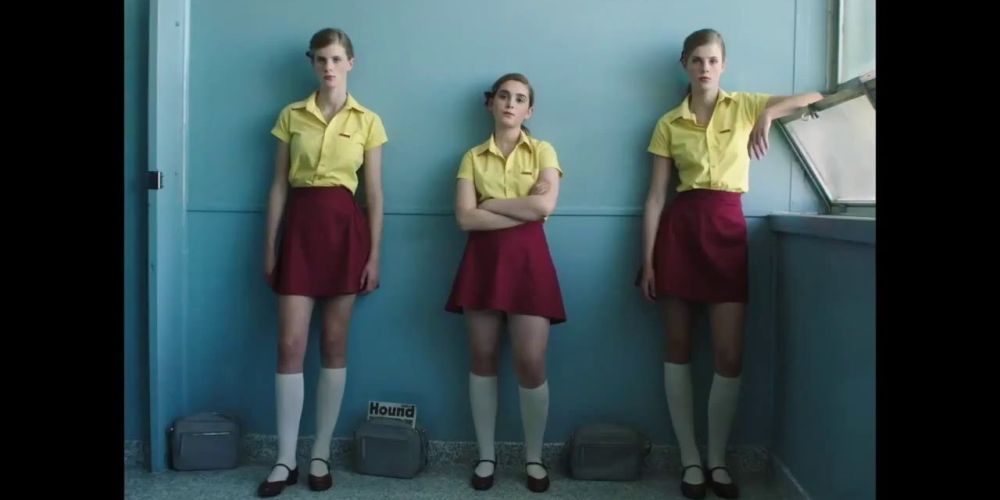
While being yet another in a long line of films about broaching adulthood, Girl Asleep addresses the awkward transition using fantastical elements, which just might be the best way to capture how foreign this period of life really feels. The film is adapted from a play staged by Adelaide’s Windmill Theatre, with many of the key players being more active in the theater than the film community. Director Rosemary Myers is Windmill Theatre’s artistic director and boasts no other film credits, as does costume/production designer Jonathan Oxlade.

At this year’s San Diego Comic Con, Marvel Studios has unveiled various information regarding upcoming projects, ranging from a first look at Guardians of the Galaxy Vol. 2 to the casting of the lead of Captain Marvel. Their last project for 2016, Doctor Strange, was given a lot of attention throughout their panel.
Do you ever feel like you want to watch more short films, but never really know where to start, which shorts to watch, or where to find them? Or, instead, you do occasionally watch short films, but feel you should watch more? Then this is the perfect little challenge for you!
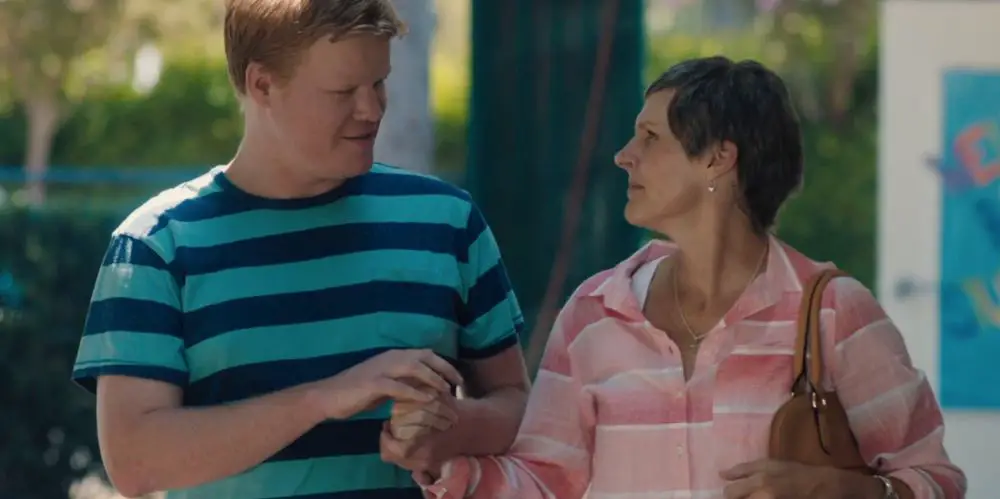
It wasn’t a stretch for the Sundance Film Festival to include Other People in its opening night lineup. With a plot about a struggling writer returning home to care for his cancer-stricken mother, it ticks about as many indie trope boxes as you can without feeling like an overstuffed mess. Familiarity, however, does not make a film bad, and Other People has a solid backbone that should lift it above comparable films.
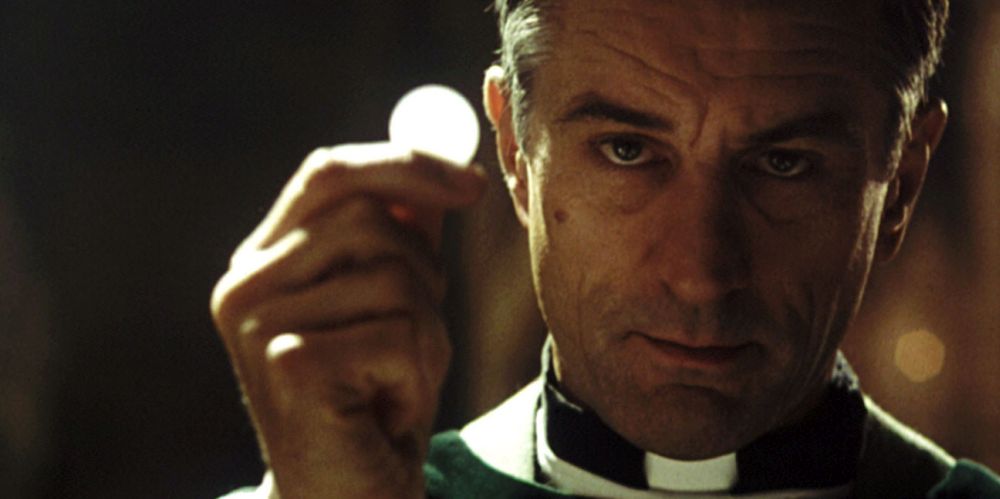
One of the most poisonous societal ideals is that of masculinity. There’s nothing wrong with being proud of one’s manhood. But there is much terribly wrong with convincing boys and young men that their masculinity is marked by not showing emotion, never admitting to any abuse they may have experienced, or forcing them into a space where they feel their only option is physical violence versus confronting their rawest emotions.
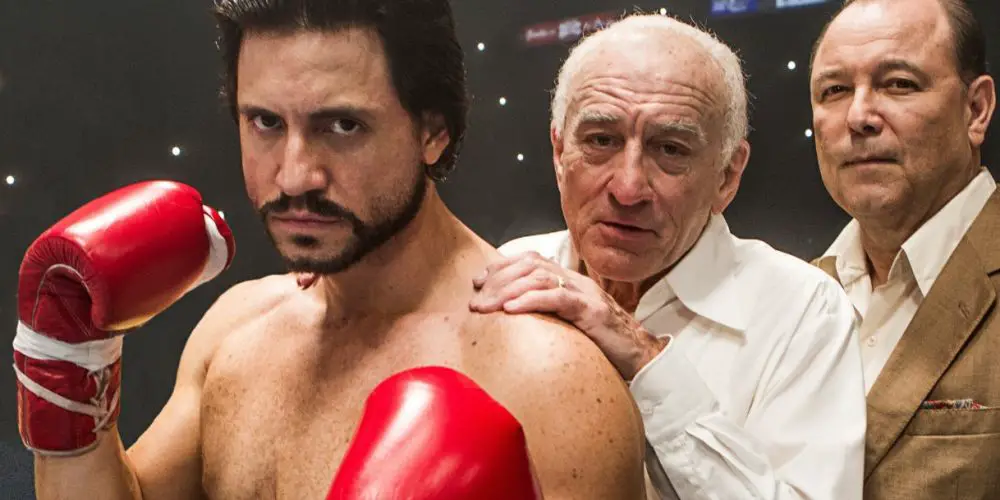
Edgar Ramírez is electrifying as welterweight boxing champion Roberto Durán in the new movie Hands of Stone. Unfortunately, writer/director Jonathan Jakubowicz’s routinely conceived, routinely executed boxing biopic is a dull canvas for a performance, slashed in such angry red brush strokes. The movie goes the distance, though not as cleanly or directly as we might have wished.

I know nothing of cultural revolution. I’ve only had a taste of the violence and hate-speech that must permeate such events, as the majority of Americans have turned their back on the presidential candidate that spews toned-down versions of such rhetoric. Still, it’s been a strange time, with acquaintances openly asking each other where we are going and what we are doing, with a fear that is barely veiled.
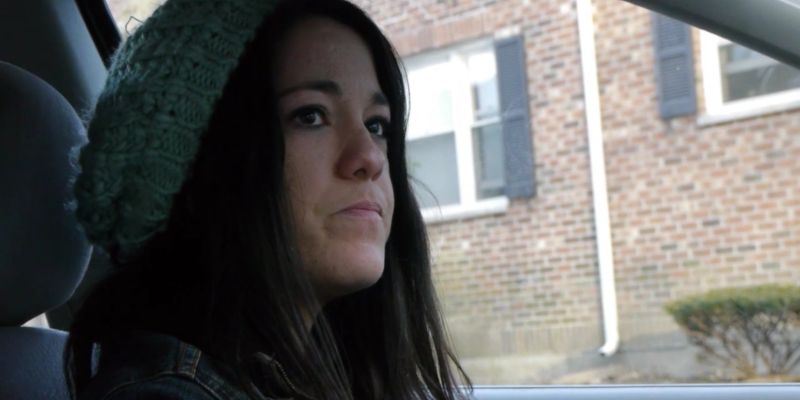
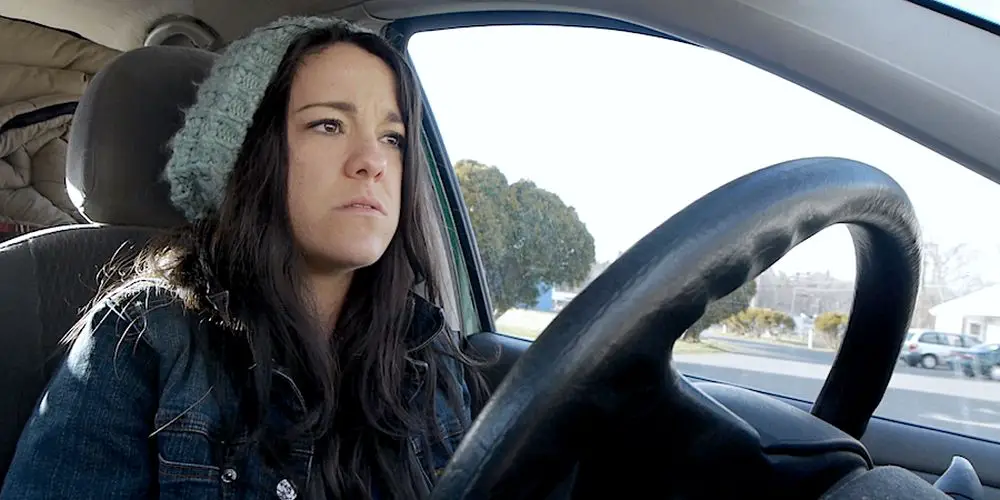
In life there are many roads to travel and sometimes our paths align with perfect strangers that happen to be exactly who we need to run into at that point in our lives. This appears to be the case with Emma (Mela Hudson) and Judy (Tori Hall). They’re two completely different women who’ve led very different lives, but when both find themselves needing to make a trip to Western Massachusetts, they unintentionally become a part of each other’s journey.