

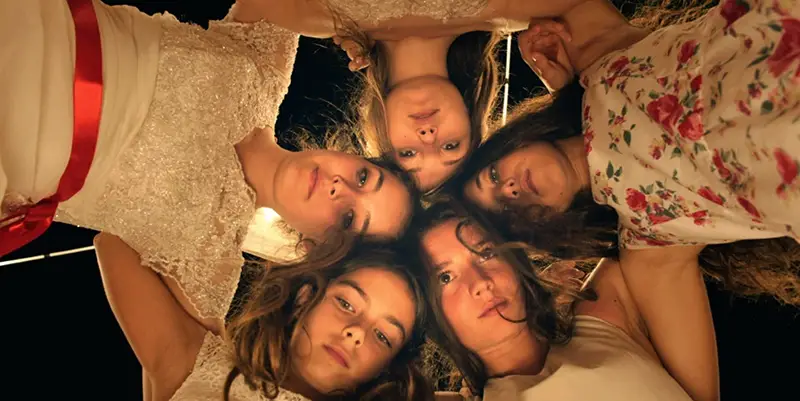
Every year, we get countless reports that there isn’t enough diversity in Hollywood storytelling. In the past couple of weeks alone, GLAAD’s annual media report has shown that LGBT diversity is only visible in TV, whilst Asian-American actors have begun a protest website called “Starring John Cho”, to highlight the lack of leading roles given to people of their ethnicity. A story that needs to be told There was a line in GLAAD’s celebration of diversity in independent cinema that rung alarmingly true, as they highlighted that diverse audiences shouldn’t have to look to the arthouses for films that relate to them.
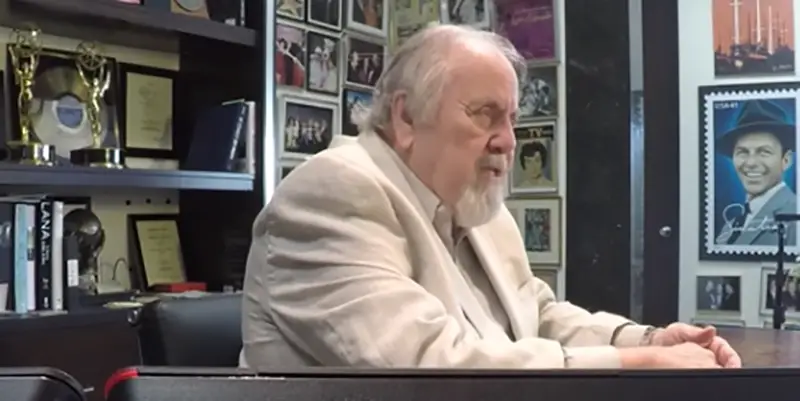
On the surface, what the medical industry should be doing is simple: saving and improving lives. All possibilities should be explored and tested, with the breakthroughs made readily available to anyone who needs it.
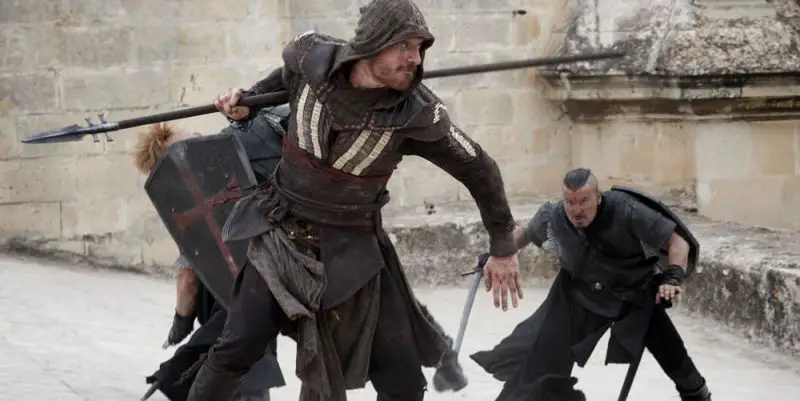
Those who argue that there’s never been a good movie based on a video game may have to change their tune come December, because that’s when the much talked about Assassin’s Creed finally hits theaters. Sure, there’s some optimism about this summer’s Warcraft with Duncan Jones at the helm, but that project pales in comparison to the deep pedigree behind Assassin’s Creed. Producer and star Michael Fassbender (who does so many movies that I’m skeptical he actually sleeps) has been attached to the project since 2012.
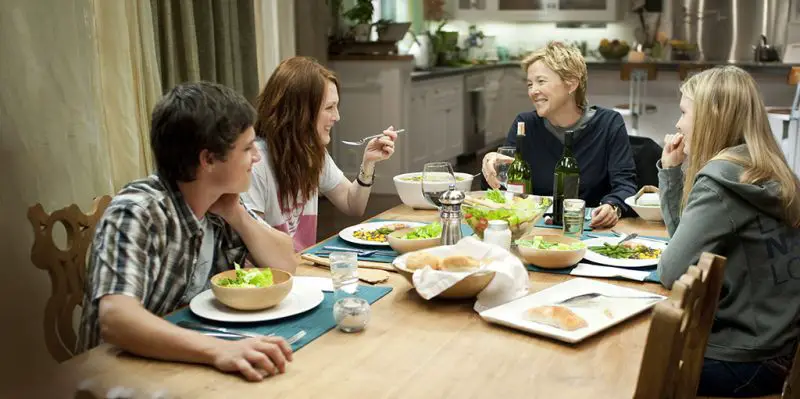
“Human beings are starved for love.” – Erich Fromm This article is part of a series. Find the first part here.
So many of life’s lessons can be attributed to children’s literature. Authors from Dr. Seuss to Shel Silverstein shaped the way young minds perceived the world and prepared them for what lie ahead.
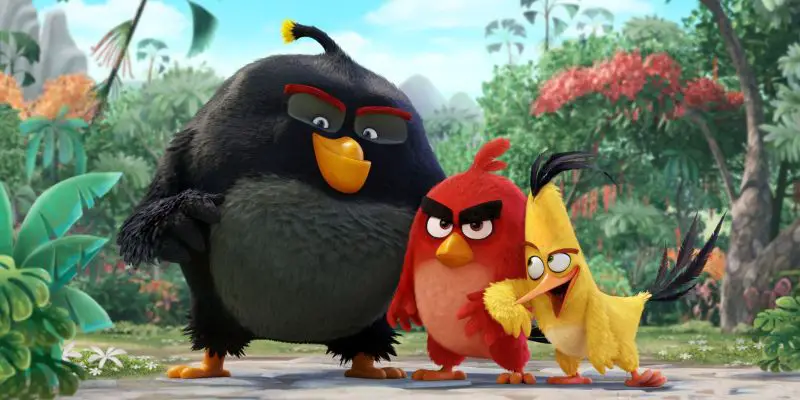
Every week Film Inquiry publishes the movies that are opening in cinemas! This week: Angry Birds, Neighbors 2:
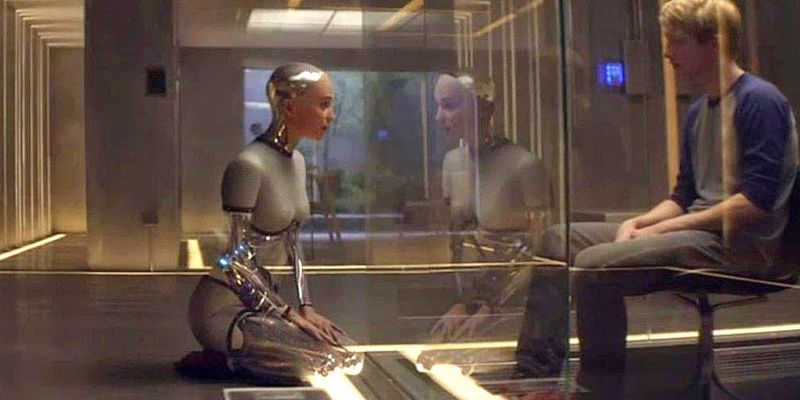
Whether we like it or not, technology is becoming a larger part of our everyday lives, from the cell phones we carry to the laptops we work on. However, this trend has been ever-present in film, as long as science fiction has been on screen. Technological advances generally start as a method to improve human life but as soon as we design technology with a consciousness, that is when all hell breaks loose.
I was on holiday with two of my closest friends last week. Amidst the flow of beer, the puffing of cigarettes and the non-stop giggling, the conversation turned to our grandmothers. We talked about how our grandmothers had grown up in such a different time to ourselves, how we are (as women) afforded things that our grandmothers would never have been.
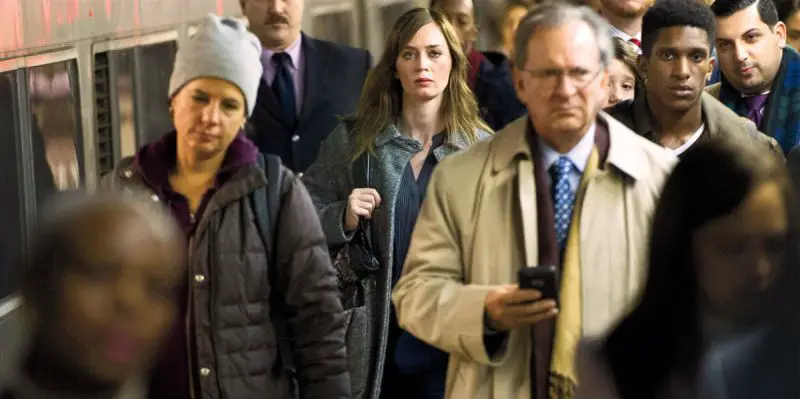
The adult thriller continues its comeback with The Girl on the Train, as the ever-changing landscape of the movie industry seems to be shifting back towards these sturdy moneymakers. They’re solid fillers for studios with time in between tentpoles, and while many aspire to the breakout success of Gone Girl, even smaller entities like Eye in the Sky earn steady returns. The Girl on the Train is clearly trying to be the former, providing a juicy, twisty plot that will divide audiences into those who have read the bestselling book of the same name and those who haven’t.
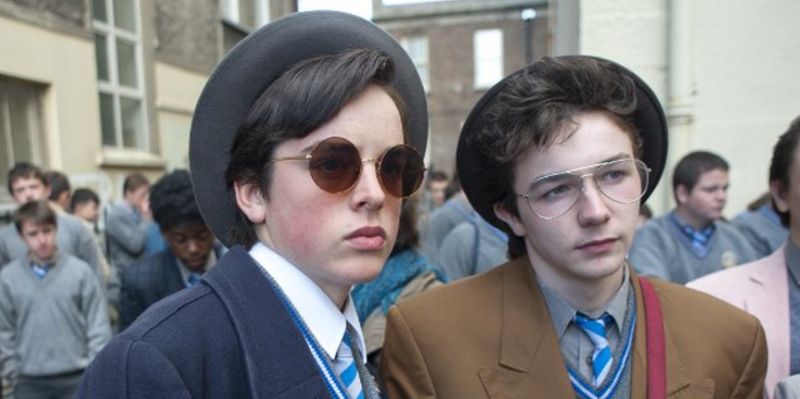
Director John Carney’s most beloved films are all about the idea of “authentic” music, with protagonists who are either singer-songwriters or bands all struggling to make a living when soulless pop is all that is keeping the music industry alive. His previous film Begin Again was about a struggling singer and a washed-up music producer making a concept album that laughed in the face of pop music’s obsession with inauthenticity. The characters were celebrated in the film, despite making an album of beige-sounding Starbucks music that seemed to ignore that rock’n’roll is so exciting because of its lack of authenticity.
In this third episode of The Power of Film, I spoke with the lovely Samantha Shada. She is a director, hosts the screening series Seeking Our Story, and she works at one of the big studios – a busy lady who has a lot of unique insights into the world of film! We spoke about a lot, from film in general and symbolism in film, the status quo of the studio system (and, very interesting, the current state of film marketing) to film preservation.
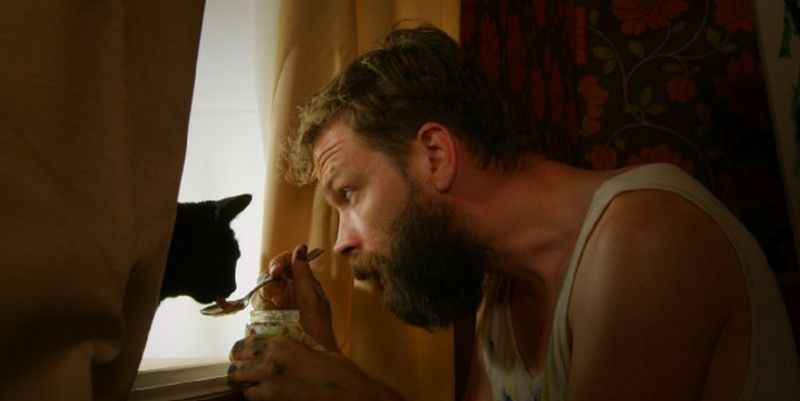
Who needs neat little boxes? Well, usually first-time filmmakers do, especially the ones pulling writing and directing duties by themselves. Mixing genres leaves you with a messy or nonexistent blueprint to follow, and striking out into this unknown territory is risky even for seasoned veterans.
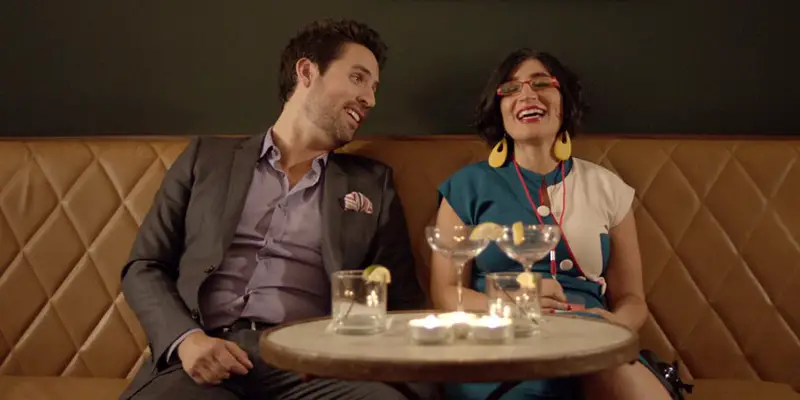
3rd Street Blackout is an independent romantic comedy written, directed by and starring Negin Farsad (as Mina) and Jeremy Redleaf (as Rudy). The film explores the trials one tech-savvy couple endures during the midst of a post hurricane blackout in an urban New York City neighborhood. It also features Ed Weeks (as Nathan Blonket) and a brief appearance by Janeane Garofalo (as June Sherman).
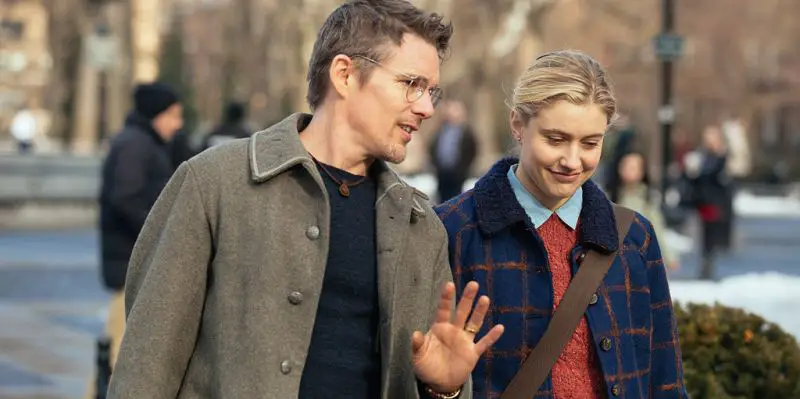
Maggie’s Plan is a Woody Allenish movie starring a Woody Allenish actress, but you don’t need me to tell you that. This trailer never looks away from its neurotic New York bumbling, a world populated by professors and writers trying to bend life to their will. Allen has rode this formula through a long career, paving the way for offbeat performers like Maggie’s Plan lead Greta Gerwig.
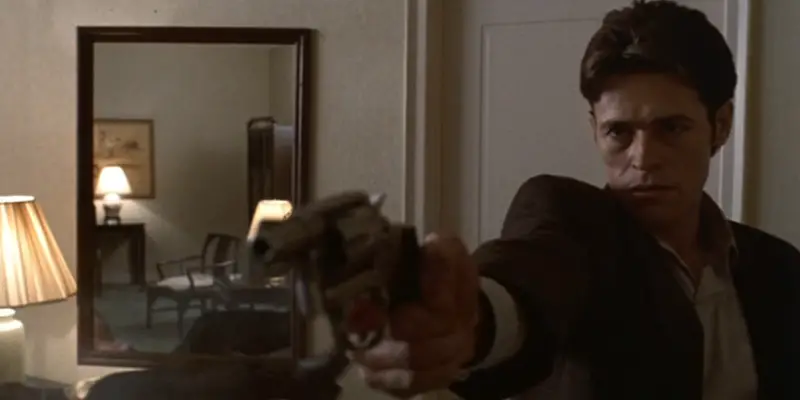
Over at our official Facebook page, we are currently posting daily film recommendations, with each week being a different theme. This is a collection of those recommendations! This week’s theme is the cinema of Paul Schrader, highlighting both his writing and directing talents.