

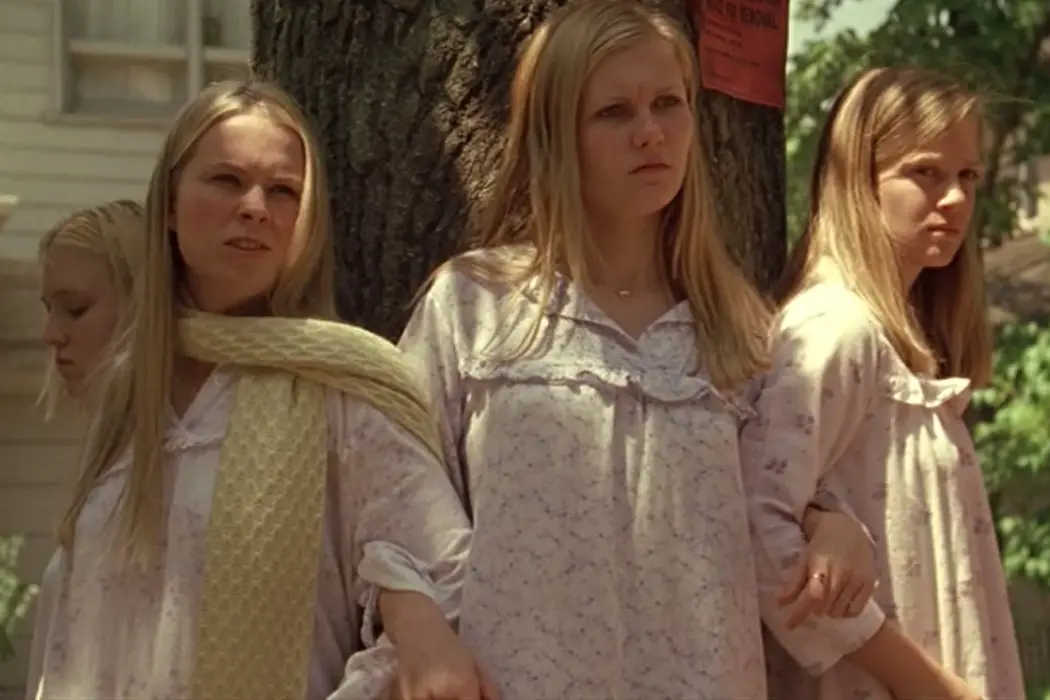
For this month’s Staff Inquiry, we’re examining films that were better than their original book counterparts, and we came up with some great examples.

There are flashes of genuine artistic ingenuity in A or B, but not enough to cover the frequent amount of glaring plot holes, inconsistent character decisions and general implausibility of the whole scenario.
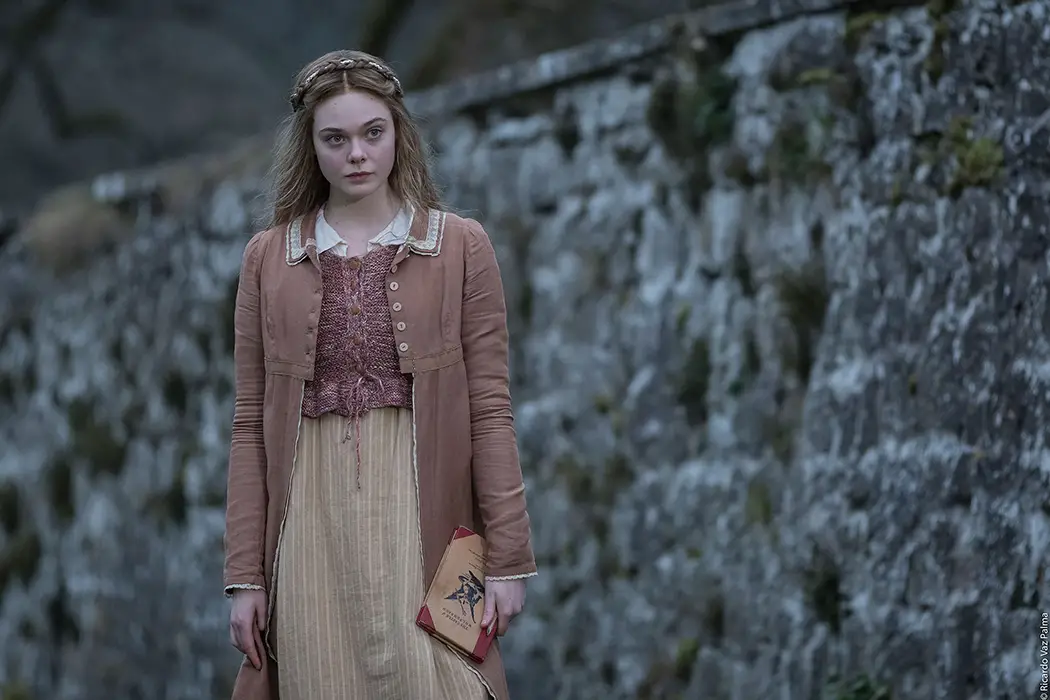
Haifaa al-Mansour’s Mary Shelley, helped along greatly by Elle Fanning’s powerful performance, will summon up all of one’s righteous feminist anger and make one appreciate the accomplishments of Mary and those like her all the more.

Lacking emotional honesty, Disobedience from director Sebastián Lelio fails to create believable, organic tension between its characters and translate an understanding of the films primary cultural focus and subject matter.

In The Catcher Was a Spy, a major league baseball player, Moe Berg (Paul Rudd), lives a double life working as an agent for the Office of Strategic Services.

In this segment of Time Crisis, we look back at the 2014 hit Edge of Tomorrow, examining why this is the best time loop film since Groundhog Day.

Stephen Maing’s documentary deals with corruption and institutional racism in the NYPD – and recognises the police officers who are fighting a court case to help stamp this out once and for all.
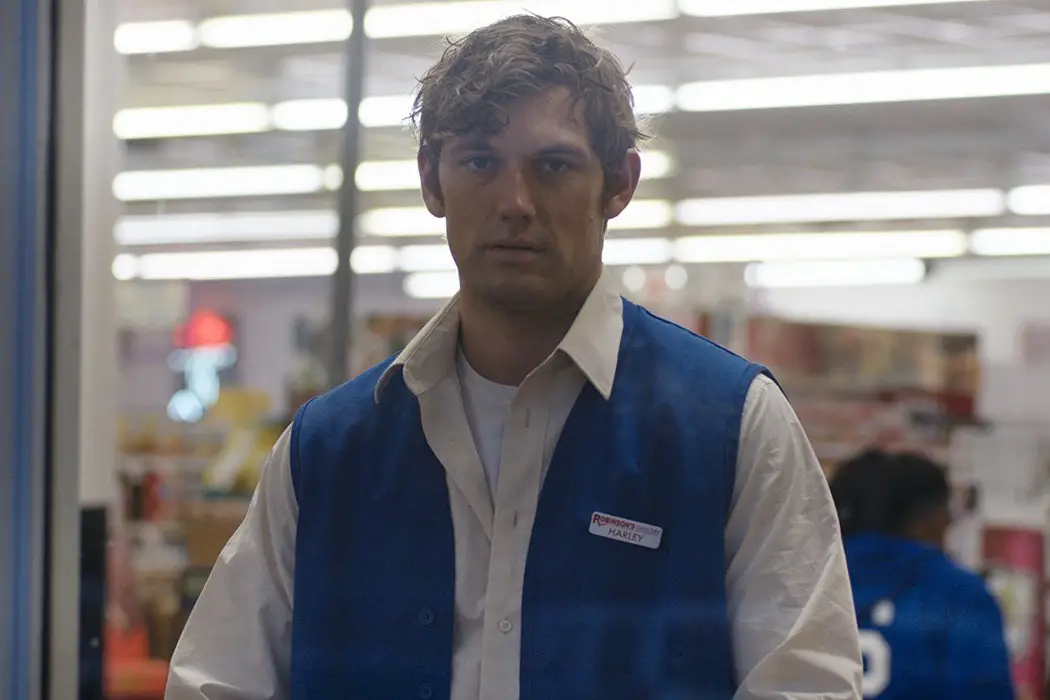
Kristy Strouse spoke with the stars of Back Roads on the red carpet of Tribeca Film Festival, and reviews Sebastián Lelio’s Disobedience.

A brave and ambitious film unafraid of wrestling with some very difficult questions, 7 Days In Entebbe is let down by an oddly-executed finale and dialogue that is clunky and expository a bit too often for comfort.
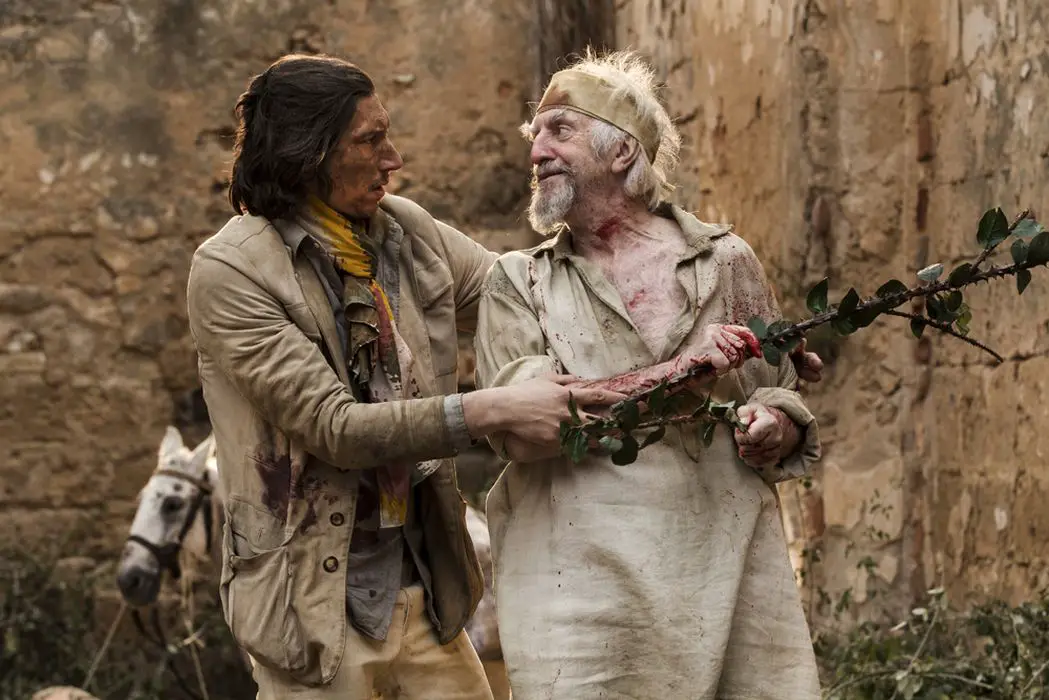
In The Man Who Killed Don Quixote (directed by Terry Gilliam), a disillusioned advertising executive, Toby (Adam Driver), becomes pulled into a world of time jumping fantasy when a Spanish cobbler believes him to be Sancho Panza. He gradually becomes unable to tell dreams from reality.
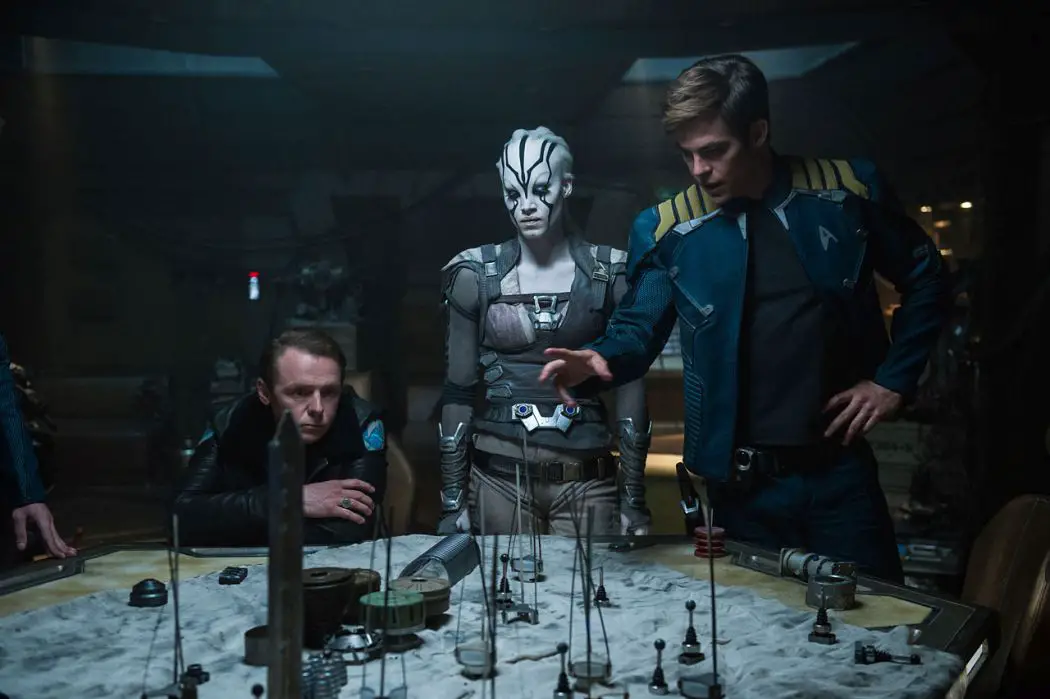
Film Inquiry’s resident physicist takes a look at teleportation in film and TV, explains how teleportation would work, theoretically, and whether one day we might be teleporting from A to B.

Matthieu Rytz’ documentary Anote’s Ark aims to explore the personal cost of climate change, that remains ignored by politicians internationally.

Obey is a compelling watch anchored by visceral, emotional performances by Rutherford and Miller, and a well-crafted script by Jones.
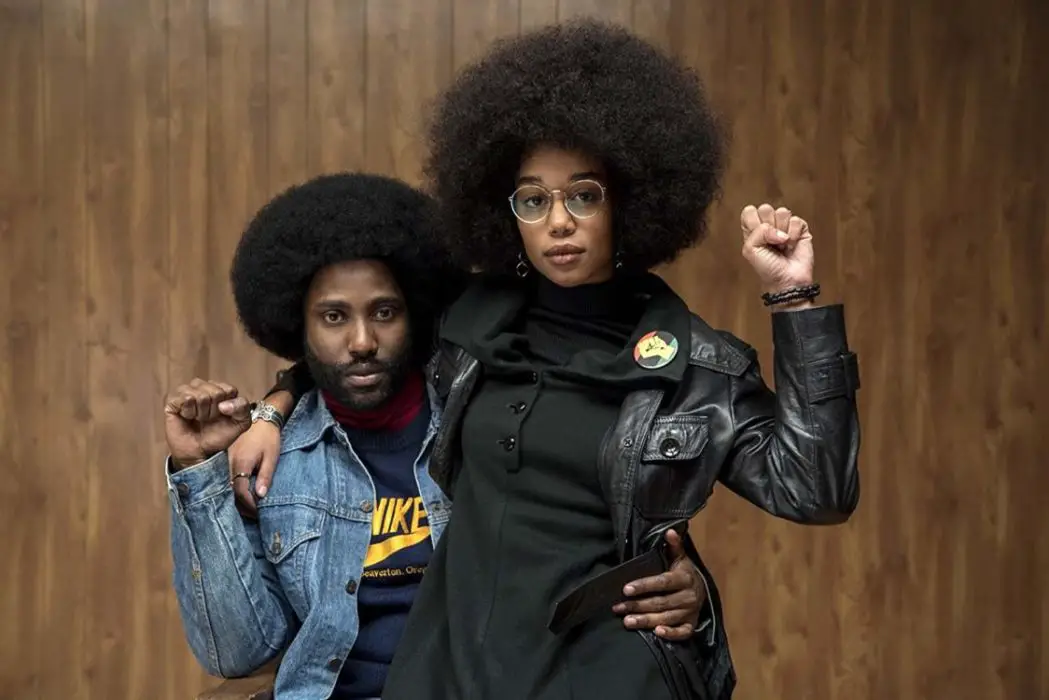
BlacKkKlansman is the first Spike Lee film in a while to get people talking, and…
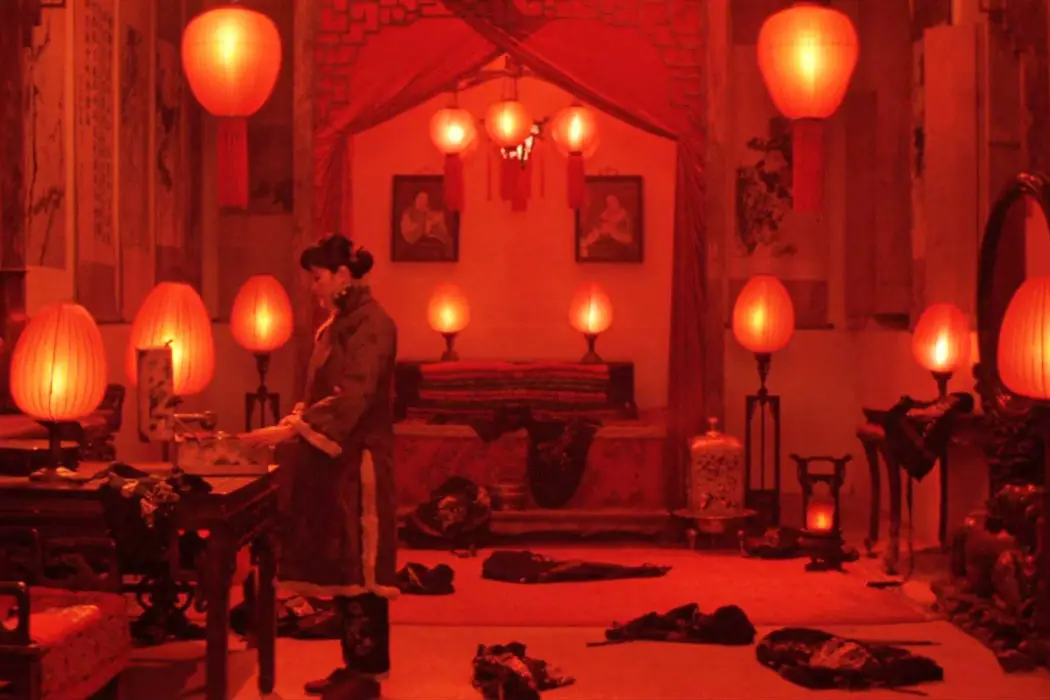
While ‘Fifth Generation Chinese Cinema’ technically refers to the films produced by the fifth generation of graduates from the Beijing Film Academy following Mao Zedong’s ‘Cultural Revolution,’ the connotations of the phrase are far deeper in meaning than simply referring to a group of people.